Quick Facts
- 2026 Design Philosophy: A shift from mass accumulation to intentional curation, blending "Material Alchemy" with hyper-functional utility.
- Leading Material Trends: Sprayed paper pulp, holographic acrylic, layered plywood cores, and bio-based fiber composites.
- Key Statistic: Market projections for 2026 indicate a 40% increase in consumer demand for bio-based furniture materials.
- Space Management: 65% of urban homeowners now prioritize 'multifunctional materiality' over traditional aesthetics to maximize compact living environments.
As we look toward the interior landscape of 2026, the conversation surrounding furniture has shifted. We are moving away from the era of "disposable decor" and entering a period defined by the convergence of artisanal tradition and cutting-edge innovation. In my years as an editor, I’ve seen trends come and go, but the current movement toward sustainable materiality feels different—it’s visceral, tactile, and deeply rooted in problem-solving. Today, storage isn’t just about hiding our belongings; it’s about rethinking the very substances that hold them.
The leading furniture storage trends for 2026 focus on smart multifunctional systems, eco-friendly materials like recycled timber and glass, and heritage-style modular units that grow with the user's needs. We are witnessing a "material alchemy," where designers utilize unconventional resources such as sprayed paper pulp and holographic acrylic to create pieces that function as both sculptural art and essential utility.
1. Modular Plywood Cores: The Return of Humble Strength
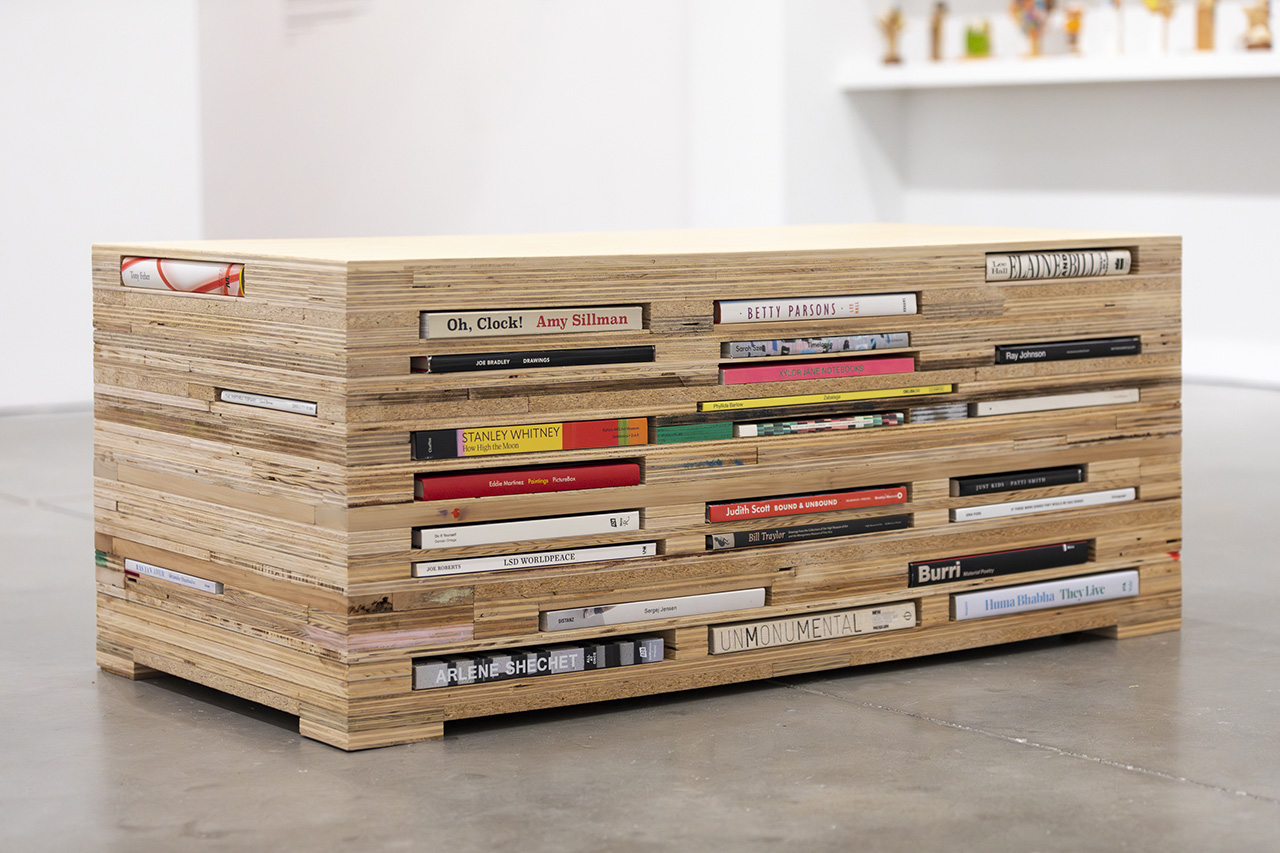
For a long time, plywood was relegated to the "hidden" parts of furniture—the back panels and drawer bottoms. However, in the 2026 aesthetic, layered plywood is taking center stage. Designers like Damien Hoar de Galvan have pioneered a look that celebrates the "humble strength" of the material, using exposed edges to create a rhythmic, topographical visual language.
What makes modular storage systems using plywood cores so effective for small spaces? The answer lies in their inherent flexibility. Unlike heavy, solid-wood heirlooms, plywood-based systems allow homeowners to start with a single unit and expand into full-wall configurations as their spatial requirements change. Research shows that 65% of urban owners now prioritize this "multifunctional materiality," choosing systems that can evolve from a simple bookshelf into a comprehensive media center.
Ivy’s Style Tip: When working with plywood cores, look for "layered" finishes where the grain is visible on the surface but the striped edges are left raw. It adds a sophisticated, architectural detail that bridges the gap between industrial and organic.
- Why We Love It: High strength-to-weight ratio and a warm, honey-toned aesthetic that ages beautifully.
- Best For: Growing families or renters who need furniture that can be reconfigured across different floor plans.
2. Sprayed Paper Pulp & Bio-Composites: The New Organicism
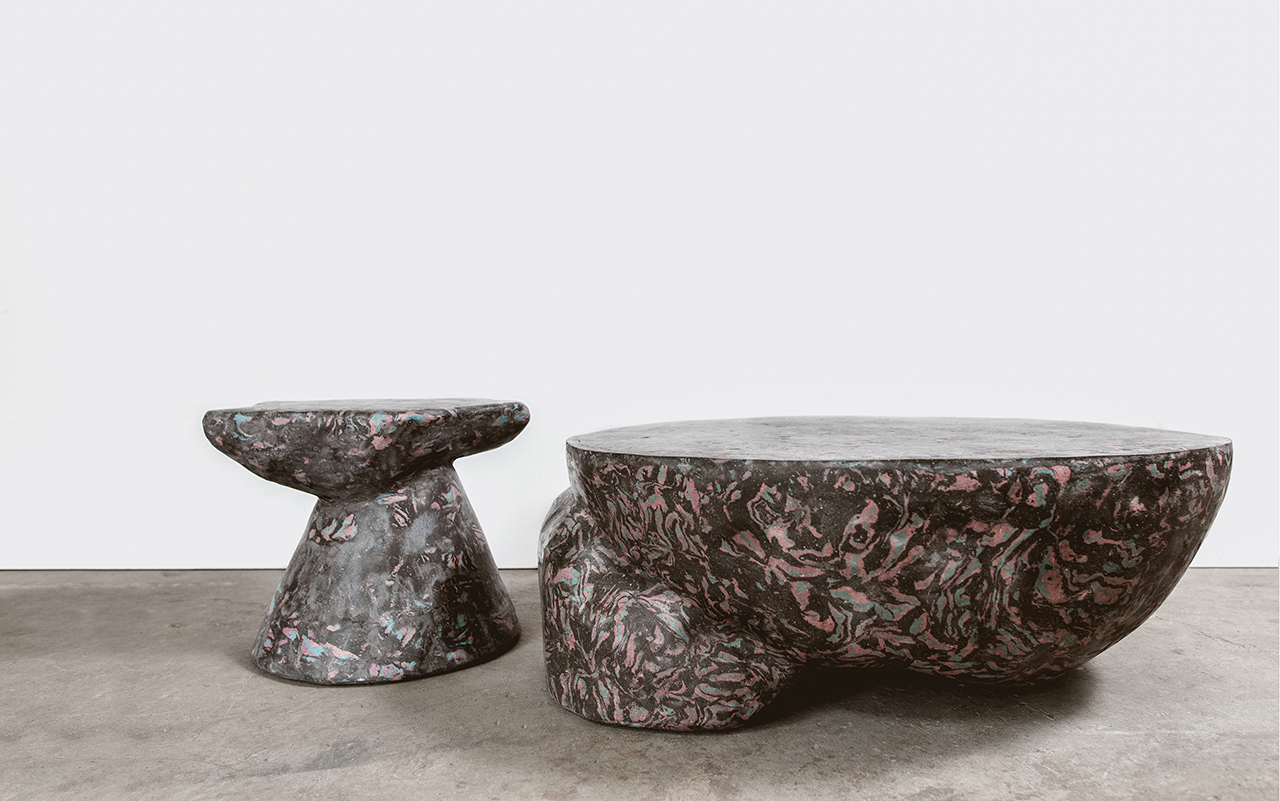
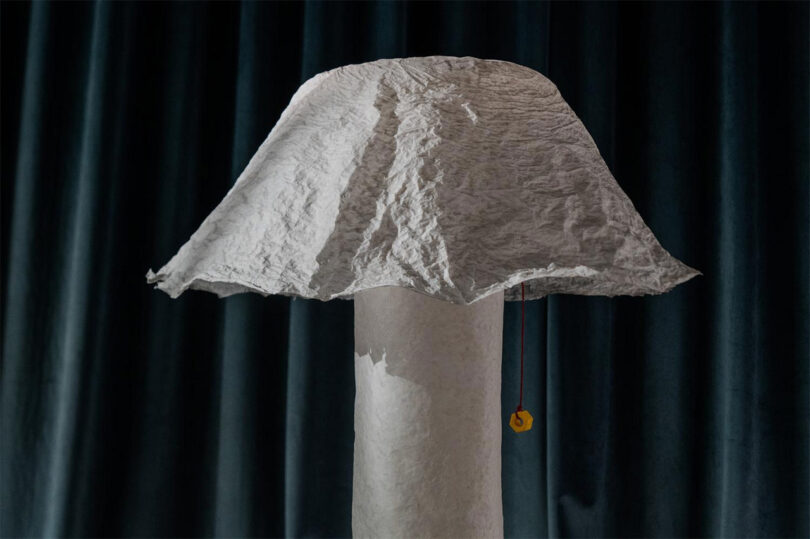
Perhaps the most radical shift in 2026 materiality is the mainstream adoption of sprayed paper pulp. Once a niche experimental medium, it is now being utilized to create surprisingly durable storage shells and lighting components. A standout example is Dan McMahon’s Paper Lamp series, which utilizes extremely thin wall thicknesses to act as a warm light diffuser.
Designers are now injecting these recycled fibers with natural resins and bio-dyes, allowing colors to "bleed" through the material in a way that mimics natural stone or lichen. This creates a soft, matte texture that contrasts beautifully against the "harder" surfaces of a modern home, like steel or glass.
This trend isn't just about aesthetics; it’s a response to the 40% increase in demand for bio-based materials. These composites are often fully compostable or infinitely recyclable, checking the box for the eco-conscious consumer without sacrificing the "sculptural artistry" that defines a well-edited room.
- Why We Love It: The tactile, "velvety" feel and the fact that no two pieces are exactly alike due to the nature of the pulp.
- Best For: Accent storage and lighting where you want to break up the "visual noise" of straight lines and hard angles.
3. High-Refractive Storage: Glass and Holographic Acrylic
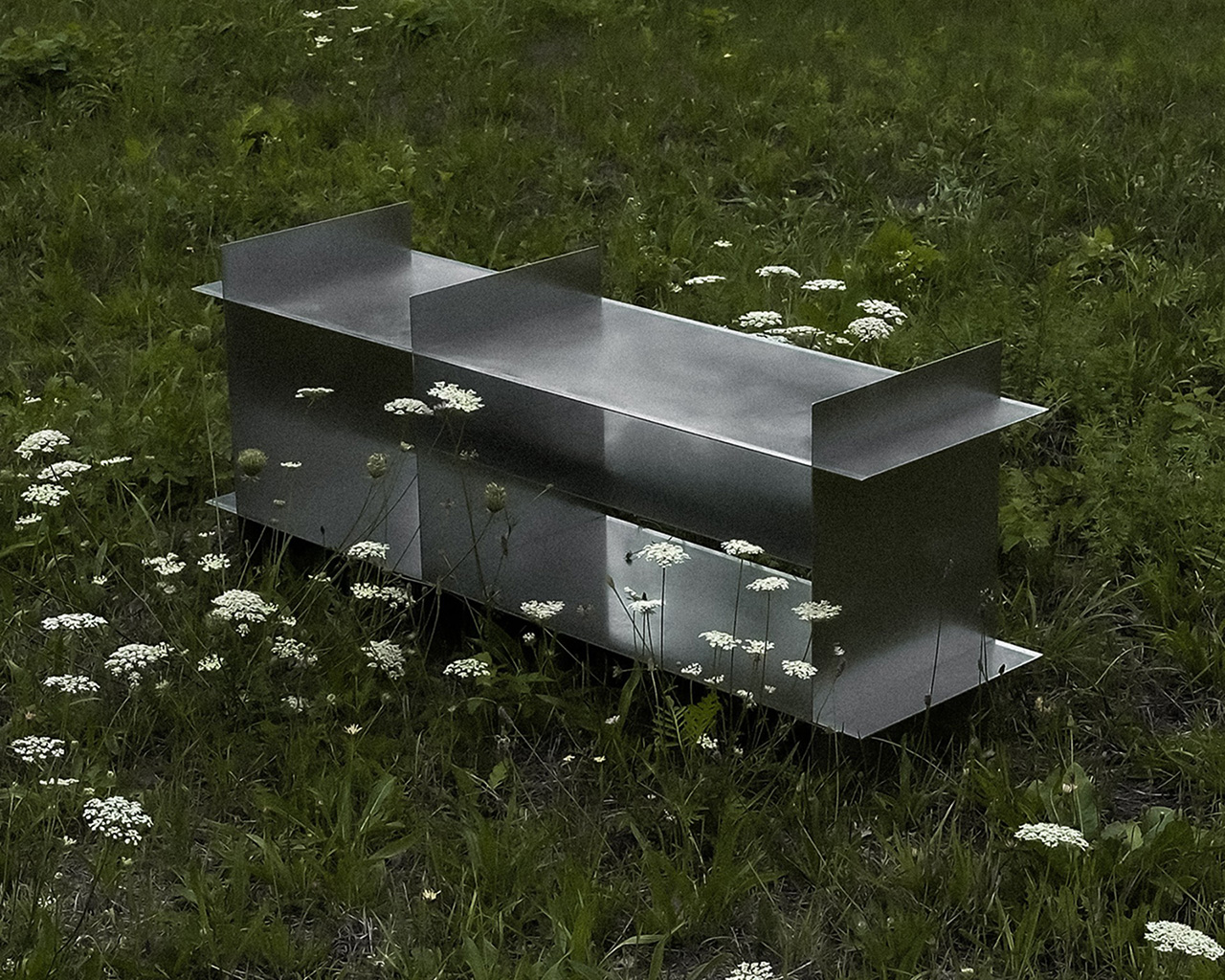
How is materiality being redefined in modern furniture design? It’s becoming more ethereal. In 2026, we are seeing a fascination with light-bending materials. By pairing "stillness and softness" with "sharpness," designers are creating storage solutions that appear to vanish or shift depending on the time of day.
Colin Roberts’ iridescent acrylic pieces and Sven Sauer’s broken glass installations represent this new wave of "Material Alchemy." These pieces use transparency and refraction to shift light onto surrounding surfaces, which is a brilliant trick for maximizing the feel of a compact room. Instead of a solid block of wood that absorbs light and makes a room feel smaller, a holographic acrylic cabinet bounces light, creating a sense of expansiveness.
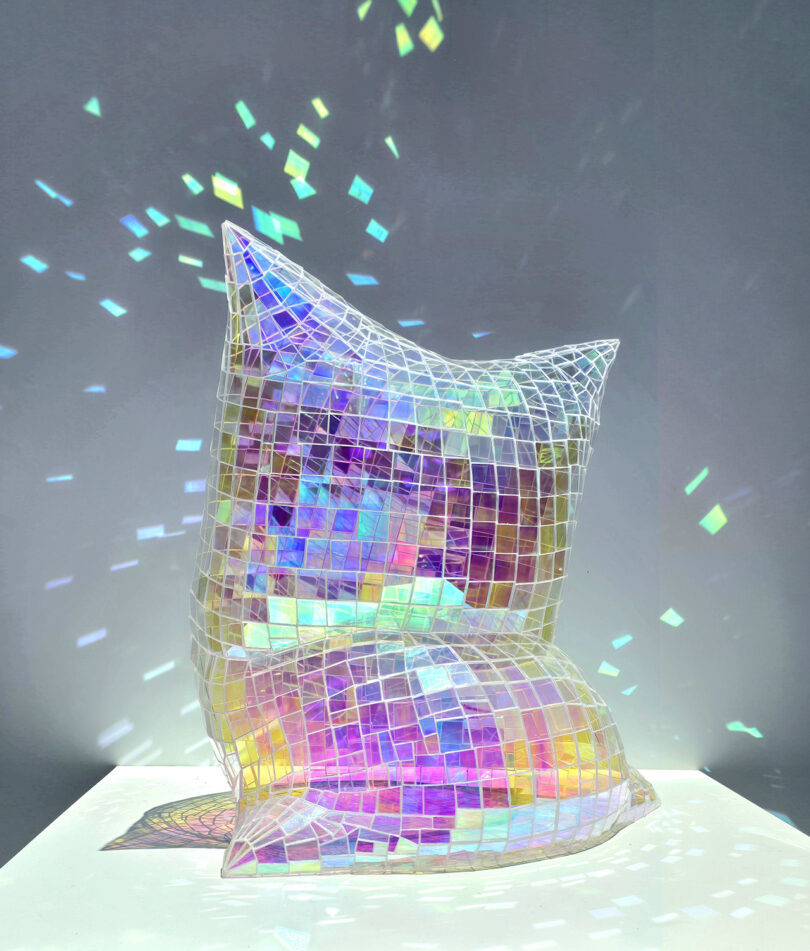
Using glass and crystal structures in storage—especially for curated display—turns your belongings into part of a light installation. It’s about transforming the mundane act of "putting things away" into an opportunity for visual theater.
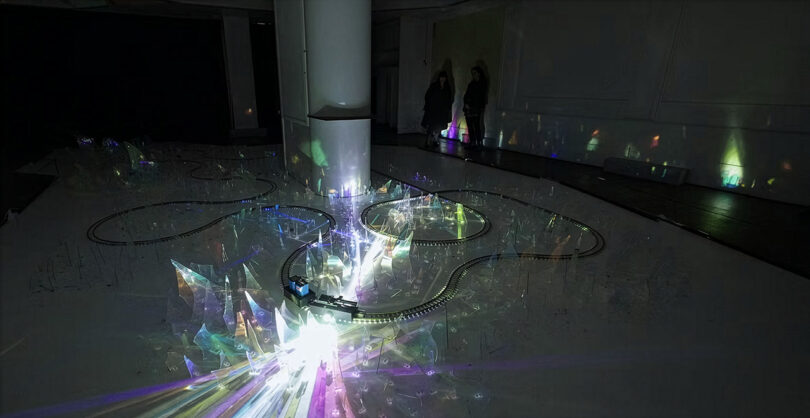
4. Multifunctional Modular Systems: The Building Blocks of Living
As we move deeper into the decade, "standard" furniture sizes are becoming obsolete. The new modularity relies on shared widths and depths across families of pieces, allowing for a "building block" approach to interior design. This is where engineering meets aesthetics.
When choosing these systems, pay close attention to weight ratings. A high-quality 2026 modular system should feature solid wood frames or reinforced plywood cores capable of supporting 150–200 lbs for 75"+ media walls. This ensures that your "artistic" storage can actually handle the weight of heavy art books, vinyl collections, or large-format screens.
| Material Type | Durability | Eco-Impact | Load Capacity (Typical) |
|---|---|---|---|
| Layered Plywood | High | Medium-Low | 150 - 200 lbs |
| Recycled Metal | Very High | Medium | 250+ lbs |
| Bio-Composite Pulp | Medium-Low | Very Low | 20 - 40 lbs |
| Solid Reclaimed Teak | High | Low | 200+ lbs |
5. Heritage-Style Reinterpretation: Sustainable Vintage
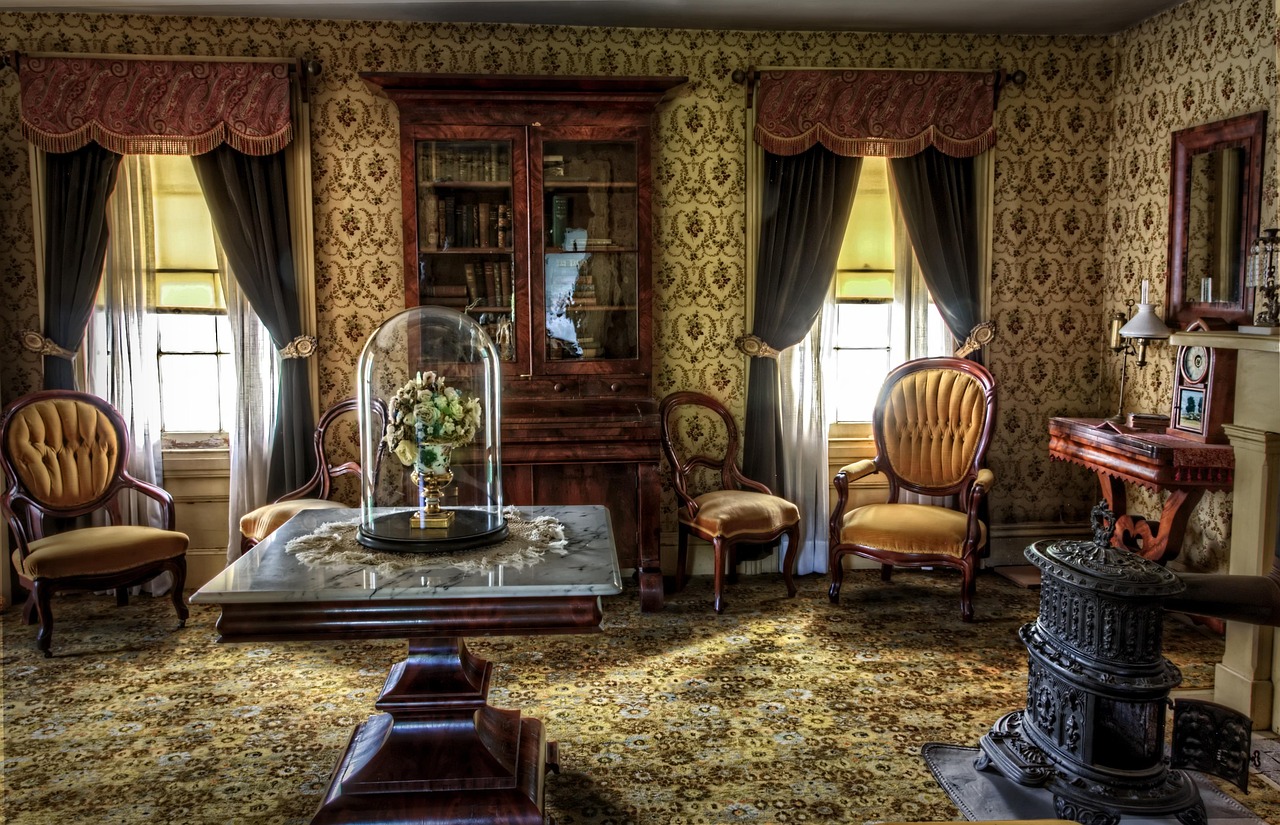
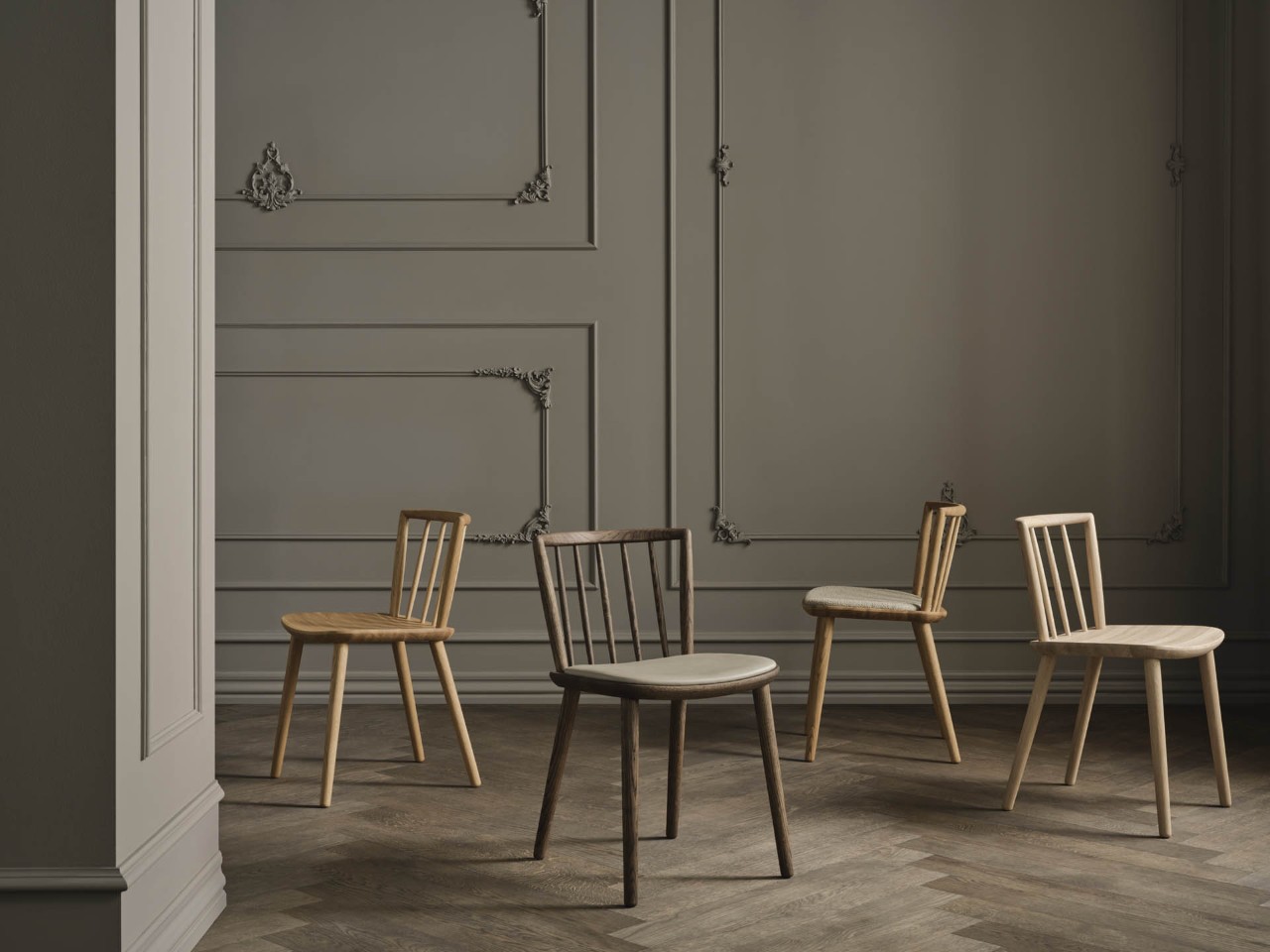
The final trend we’re watching for 2026 is the marriage of "biophilic design" with "nostalgic character." This isn't just about buying old furniture; it’s about sustainable vintage—pieces crafted today using reclaimed teak, recycled timber, and fabric alternatives to plastic.
We are seeing a move toward tactile materiality, where bio-based fabrics and classic patterns (like the return of the vertical stripe) are used to soften storage units. Fabric-lined drawers and hemp-fiber bins are replacing the cold plastic organizers of the previous decade. These statement heirloom pieces, like classic dresser cabinets with updated sustainable finishes, add a layer of soul to the home.
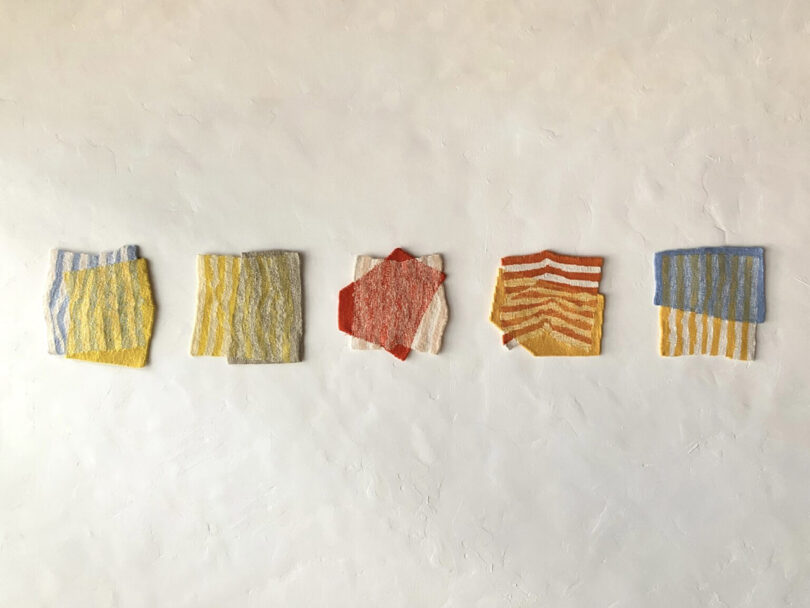
By mixing reclaimed textures with modern silhouettes, you create a space that feels grounded. It’s the perfect antidote to the "fast furniture" culture, focusing on pieces that are designed to last for generations rather than just seasons.
Planning Your 2026 Space: Tips for Implementation
Transitioning your home toward these new design principles doesn't require a total overhaul. Start small and focus on your "pain points"—those areas where clutter tends to accumulate or where the light feels "dead."
- Map Your Sight Lines: Before installing a large storage unit, consider how it interacts with the light. Would a refractive acrylic piece help brighten a dark corner?
- Mix Open and Closed Storage: Use open plywood cavities to let your favorite objects "breathe," but keep "visual noise" (like chargers and documents) hidden behind bio-composite doors.
- Prioritize the "Touch": 2026 is all about tactility. When shopping, don't just look—feel. The texture of sprayed pulp or the smoothness of reclaimed wood should bring you joy every time you reach for a drawer handle.
Key Takeaway: The most successful 2026 interiors will be those that balance "Material Alchemy" with practical utility. Don't be afraid to mix a high-tech holographic shelf with a humble plywood core; it's this contrast that creates a truly modern living space.
FAQ
Q: Are paper pulp furniture pieces actually durable enough for daily use? A: Yes, when treated with modern bio-resins, paper pulp can be incredibly resilient. However, it is best suited for "low-impact" storage like bedside tables, lighting, and decorative shelving rather than high-traffic dining tables or seating.
Q: How do I clean holographic or iridescent acrylic without scratching it? A: Avoid abrasive cleaners. Use a microfiber cloth and a dedicated acrylic cleaner (or a very mild soap-and-water solution). Because these materials rely on light refraction, even small scratches can alter their visual effect.
Q: Is modular plywood furniture more expensive than traditional MDF? A: Generally, yes. High-quality layered plywood is more expensive to manufacture and finish than MDF (Medium-Density Fibreboard). However, the longevity and "expandability" of modular plywood systems offer much better long-term value.
Conclusion
As we move toward 2026, the definition of a "beautiful home" is evolving to include how a piece is made and how it interacts with our environment. From the organic warmth of sprayed paper pulp to the high-tech shimmer of iridescent acrylic, these five trends show us that storage can be so much more than a place to put things—it can be the very heart of our home’s artistic expression.
By choosing pieces that prioritize innovative materiality and modular flexibility, you aren't just decorating for today; you are curating a space that will grow, breathe, and inspire for years to come.