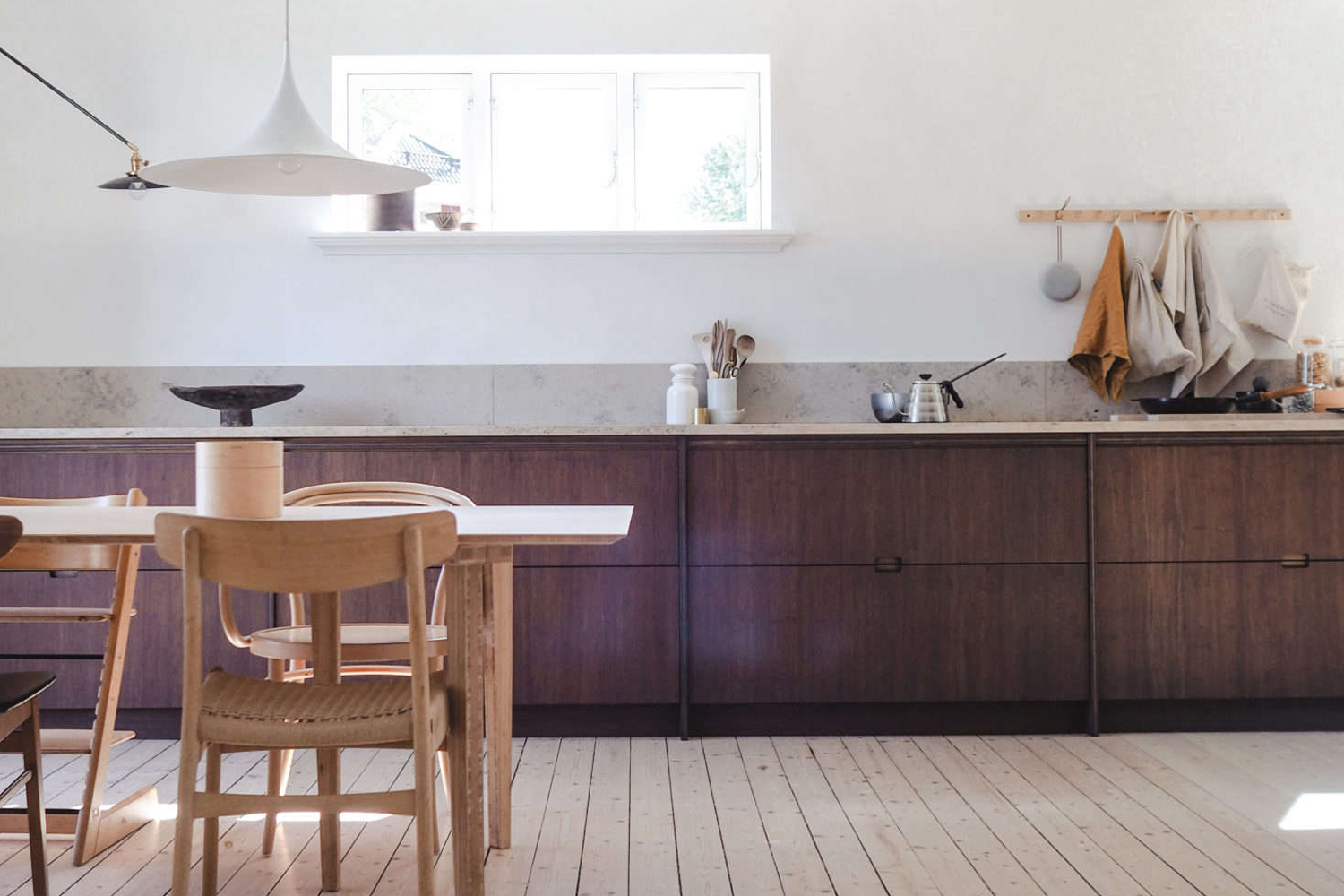
By 2026, the definition of high-end interior architecture has undergone a radical transformation. We no longer measure luxury simply by the rarity of a material, but by its capacity for regeneration and its story of origin. In the world of sustainable home solutions, few brands have navigated this shift with as much aesthetic precision as Ask og Eng.
Founded by Kine Ask Stenersen and Kristoffer Eng in a small workshop in Drammen, just a short train ride from Oslo, this design studio has become a pioneer of the circular economy. They have successfully challenged the long-held skepticism surrounding bamboo, turning a fast-growing grass into a staple of sophisticated, minimalist architecture.
What makes bamboo the primary choice for the conscious homeowner? It is arguably the most sustainable material available to modern designers. As a highly renewable grass, certain species can grow up to three feet per day. This allows it to reach architectural maturity in just 3 to 5 years—a staggering contrast to the 20 to 50 years required for traditional hardwoods like oak or walnut. By harvesting bamboo, we aren't "cutting down forests"; we are essentially "mowing a lawn" on a grand, structural scale, allowing the root system to remain intact and continue sequestering carbon.
The 2026 Shift Toward Conscious Luxury
The trajectory of interior design is clear: sustainability is no longer an "alternative" choice; it is the standard. Recent industry shifts indicate that by 2026, 75% of high-end sustainable renovations will prioritize fast-growing renewable materials like bamboo, cork, and hemp to reduce carbon footprints. Homeowners and renters alike are seeking ways to reconcile their desire for beautiful, custom-made spaces with the urgent need for environmental stewardship.
Ask og Eng addresses this by specializing in custom-made, sustainable bamboo kitchens, furniture, and architectural solutions. They bridge the gap between the raw, ecological benefits of the material and the refined, "Quiet Luxury" aesthetic demanded by modern interiors.
Why Bamboo? The Science of Architectural Maturity
From a structural standpoint, bamboo is a marvel of nature. Often referred to as "green steel," its tensile strength is comparable to mild steel, while its compressive strength rivals concrete. However, for the interior architect, the real value lies in its growth cycle and carbon sequestration.
| Feature | Bamboo | Traditional Hardwood (Oak/Walnut) |
|---|---|---|
| Growth Rate | Up to 3 feet/day | Inches per year |
| Maturity Period | 3–5 Years | 20–50 Years |
| Carbon Impact | Carbon Neutral/Negative | Slow Sequestration |
| Harvesting | Regenerative (Roots remain) | Clear-cutting (Root death) |
| Durability | High (Harder than Oak) | Medium to High |
Beyond the statistics, bamboo is inherently toxic-free during its growth process, requiring no pesticides or artificial irrigation. For those of us focused on indoor air quality and "healthy homes," choosing a material that hasn't been saturated in chemicals before it even reaches the factory is a significant health advantage.
The Ask og Eng Signature: Aesthetics Beyond the Grass
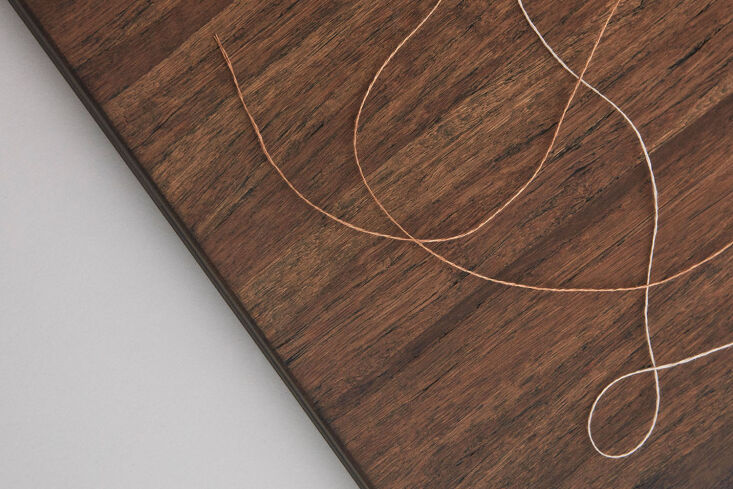
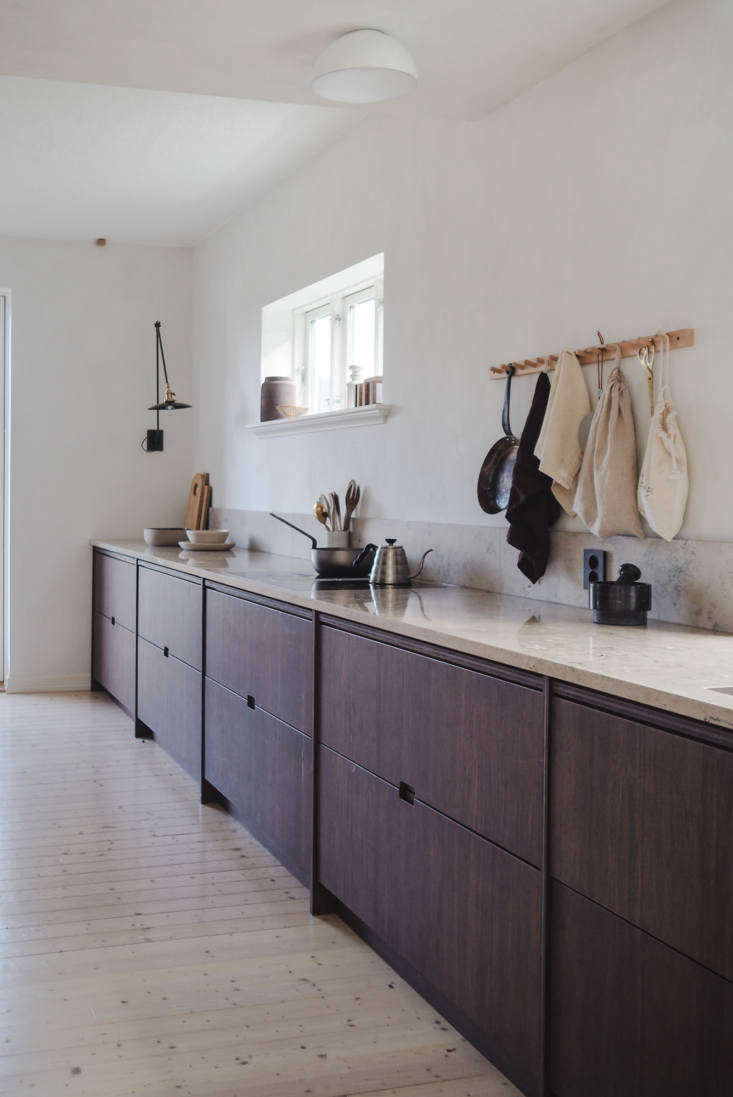
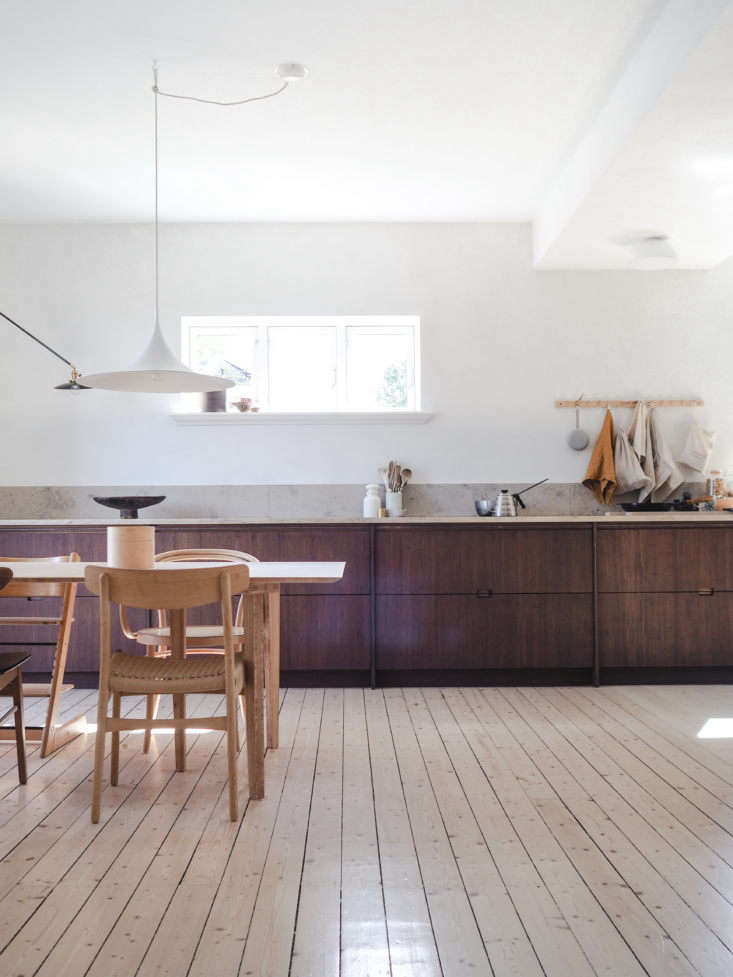
One of the greatest hurdles for bamboo in the Western market has been its visual reputation. Many associate bamboo with "tiki bars" or cheap, light-colored flooring. Ask og Eng has completely dismantled this stereotype. Their signature "Rye" finish—a deep, earthy brown achieved through careful oiling—gives the material a warmth and depth usually reserved for century-old smoked oak.
The E Collection is perhaps their most iconic contribution to modern architecture. By utilizing a vertical grain, the studio creates a seamless, linear texture that elongates walls and cabinetry, providing a sense of height and architectural intent. This isn't just a kitchen cabinet; it is a piece of joinery that respects the verticality of the plant from which it came.
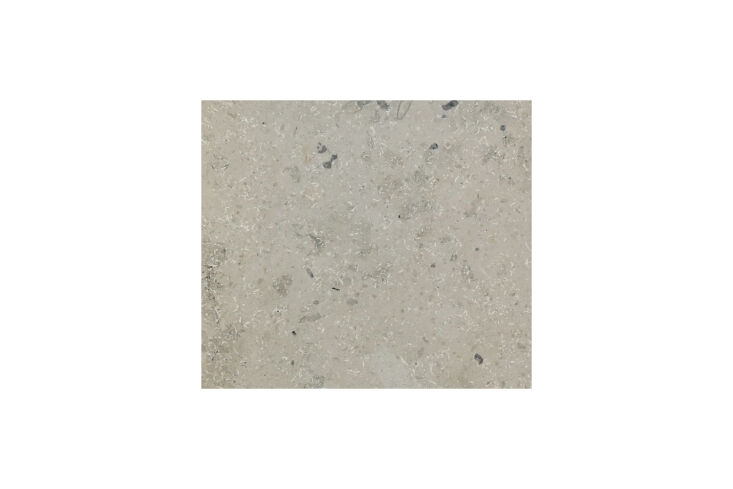
When designing with Ask og Eng’s materials, the "Quiet Luxury" vibe is amplified by pairing bamboo with other natural, tactile elements. We often see their bamboo fronts paired with Jura Gray limestone or walls painted in soft, muted tones like Benjamin Moore’s Simply White. This creates a biophilic environment that feels grounded and permanent rather than trendy.
Masterclass: Treatment and Durability for the Modern Kitchen
A frequent question I receive from homeowners is: “Can a grass really handle the moisture and heat of a kitchen?” The answer lies in the treatment. Ask og Eng’s bamboo is not raw; it is a highly engineered material.
To ensure longevity, the bamboo is meticulously sanded and then treated with pigmented oils that penetrate deep into the fibers. The final step is a seal of Osmo hard wax oil. This treatment creates a water-repellent surface that is resistant to common household spills—wine, coffee, and oils—while remaining breathable and easy to maintain.
Pro Tip: Maintaining Your Bamboo To keep bamboo surfaces pristine, avoid harsh chemical cleaners which can strip the wax. Instead, use a pH-neutral soap. Every 1-2 years, apply a fresh coat of maintenance oil to keep the material nourished and moisture-resistant.
Room-by-Room: Bamboo Applications for 2026
The versatility of bamboo allows it to flow through the entire home, creating a cohesive architectural language. Ask og Eng provides both fully custom solutions and modular options, making sustainable luxury more accessible.
The Kitchen: The Heart of the Circular Home
Whether you are installing a fully bespoke kitchen or looking for high-quality bamboo fronts to fit an existing IKEA Metod system, the impact is the same. The use of bamboo in the kitchen offers a warm, organic contrast to stainless steel appliances and stone countertops.
The Dining Room: Sculptural Sustainability
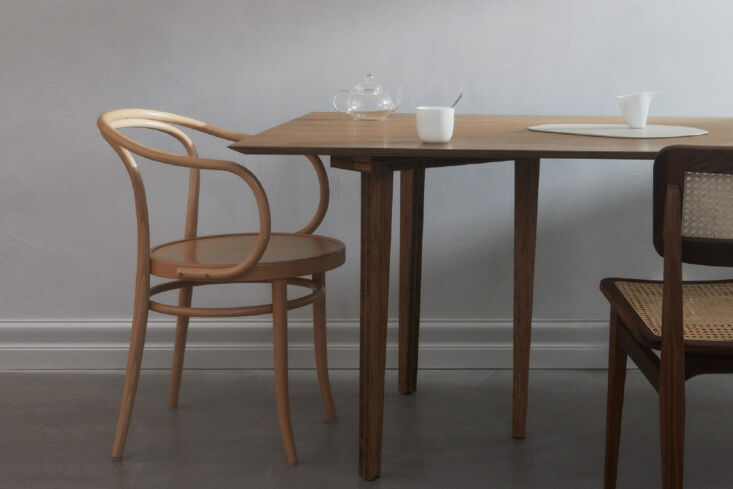
The A4 Dining Table is a masterclass in organic shapes. It moves away from the rigid, boxy forms often associated with sustainable furniture, instead offering soft curves that invite touch. The durability of bamboo makes it ideal for a high-traffic dining area where it must withstand the rigors of daily use.
The Living Room: Minimalist Storage
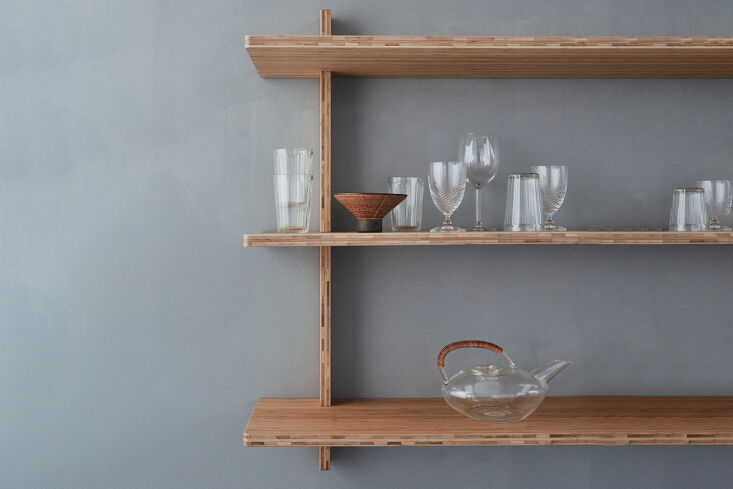
For 2026, the trend is "less, but better." Heavy, wall-to-wall cabinetry is being replaced by airy, vertical shelving. The A7 Cross Shelf utilizes the strength of bamboo to create slim profiles that can hold significant weight without the bulk of traditional wood shelving.
Integrating Biophilic Design and Smart Tech
As we look toward 2026, the integration of technology and nature is becoming seamless. Sustainable interior architecture is no longer just about the materials; it's about how those materials interact with smart home systems and natural light.
Ask og Eng’s designs are inherently biophilic—they connect us to the natural world through texture and grain. When paired with smart lighting that mimics the circadian rhythm, the bamboo surfaces catch the light in a way that feels alive. Furthermore, the studio’s commitment to circularity means that every piece is designed for repair. In a world of planned obsolescence, a kitchen that can be sanded, re-oiled, and passed down to the next generation is the ultimate expression of smart, sustainable tech.
Conclusion: Building for the Future
Mastering bamboo in interior architecture requires a shift in perspective. It asks us to look past the traditional definition of "hardwood" and embrace a material that is faster, stronger, and more in tune with the planet's needs. Ask og Eng has provided the blueprint for this transition, proving that we don't have to sacrifice high-end aesthetics for environmental ethics.
When you choose a bamboo kitchen or a piece of custom furniture, you aren't just buying a product; you are investing in a future where our homes are as regenerative as the landscapes they inhabit.
FAQ
Is bamboo really more durable than oak for a kitchen? Yes. In terms of Janka hardness (the scale used to measure wood density), strand-woven bamboo often exceeds oak and maple. When properly sealed with hard wax oils, it is exceptionally resistant to denting and everyday wear.
Can Ask og Eng fronts be used with standard IKEA cabinets? Yes, this is one of their most popular offerings. They provide custom-made bamboo fronts, side panels, and plinths specifically designed to fit IKEA’s Metod and Sektion kitchen systems, allowing for a high-end look on a more flexible budget.
What is the environmental impact of shipping bamboo from its source? While bamboo primarily grows in Asia, its rapid growth and high carbon sequestration rate often offset the carbon cost of shipping. Ask og Eng further minimizes their footprint by utilizing eco-friendly finishing processes and designing for longevity, ensuring the product never needs to be replaced.
Are you ready to redefine your space with the art of sustainable bamboo? Whether you’re planning a full renovation or looking for a statement piece of furniture, the future of your home starts with conscious material choices.