Quick Facts
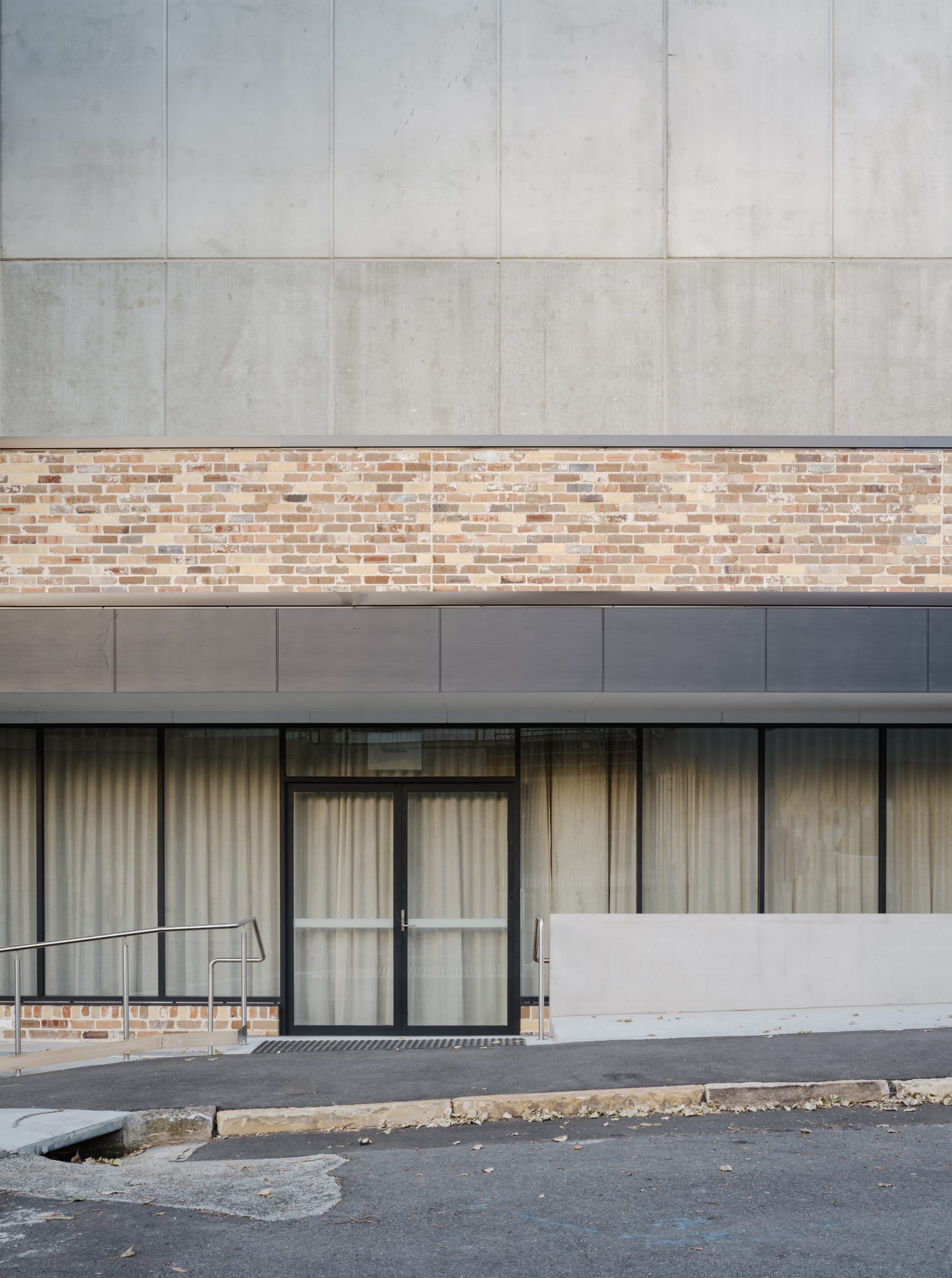
- Location: 16 Chester Street, Camperdown, Sydney.
- Concept: A "nuanced hybrid" space combining an active industrial design workshop with a public gallery and archive.
- The Archive: Showcases 12 years of Sydney-based industrial design, featuring collaborations with brands like Nau, Rakumba, and SP01.
- Visiting Hours: Open to the public by appointment, Monday to Friday.
- Core Philosophy: Honest design that celebrates the intrinsic properties of natural materials—timber, stone, metal, and glass.
- Current Projects: New commissions for the Powerhouse Museum slated for 2026.
The Bold Move in Camperdown
In the architectural heartbeat of Sydney’s inner west, something defiant is happening. While many independent creators are being pushed toward the city’s fringes by escalating urban rents and the gentrification of industrial zones, designer Tom Fereday has chosen to dig his toes in. The opening of his new hybrid studio at 16 Chester Street, Camperdown, isn't just a business expansion; it’s a statement of permanence in a city that often feels temporary for the creative class.
What exactly is Tom Fereday’s hybrid studio? It is a dual-purpose creative hub that functions as both an active industrial design workshop and a public gallery. This space serves as a physical manifestation of a decade-long career, consolidating a visual archive of Australian furniture design under one roof. By establishing a permanent foothold in Camperdown, Fereday has created a central hub where the act of making and the act of exhibiting coexist, offering a rare "behind-the-scenes" look at the evolution of modern Australian interiors.
Inside the Hybrid Concept: Workshop Meets Gallery
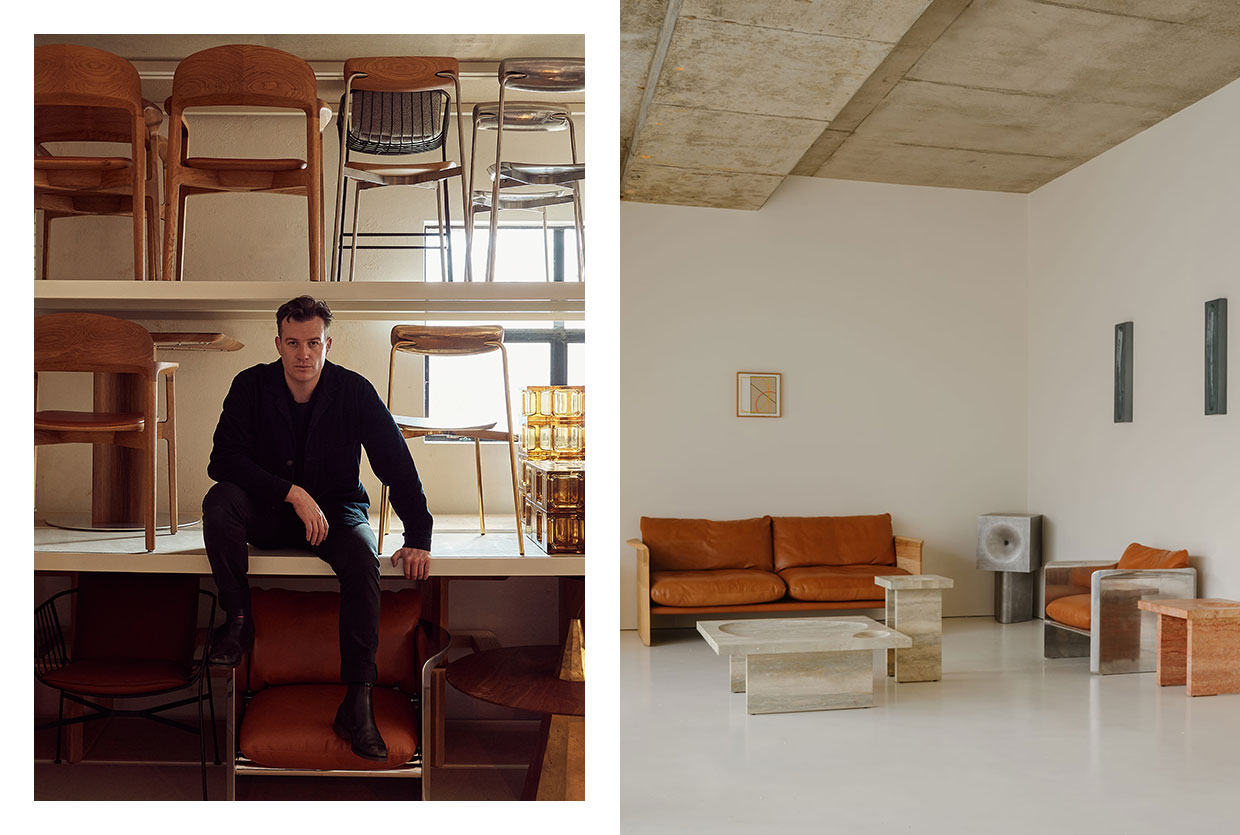
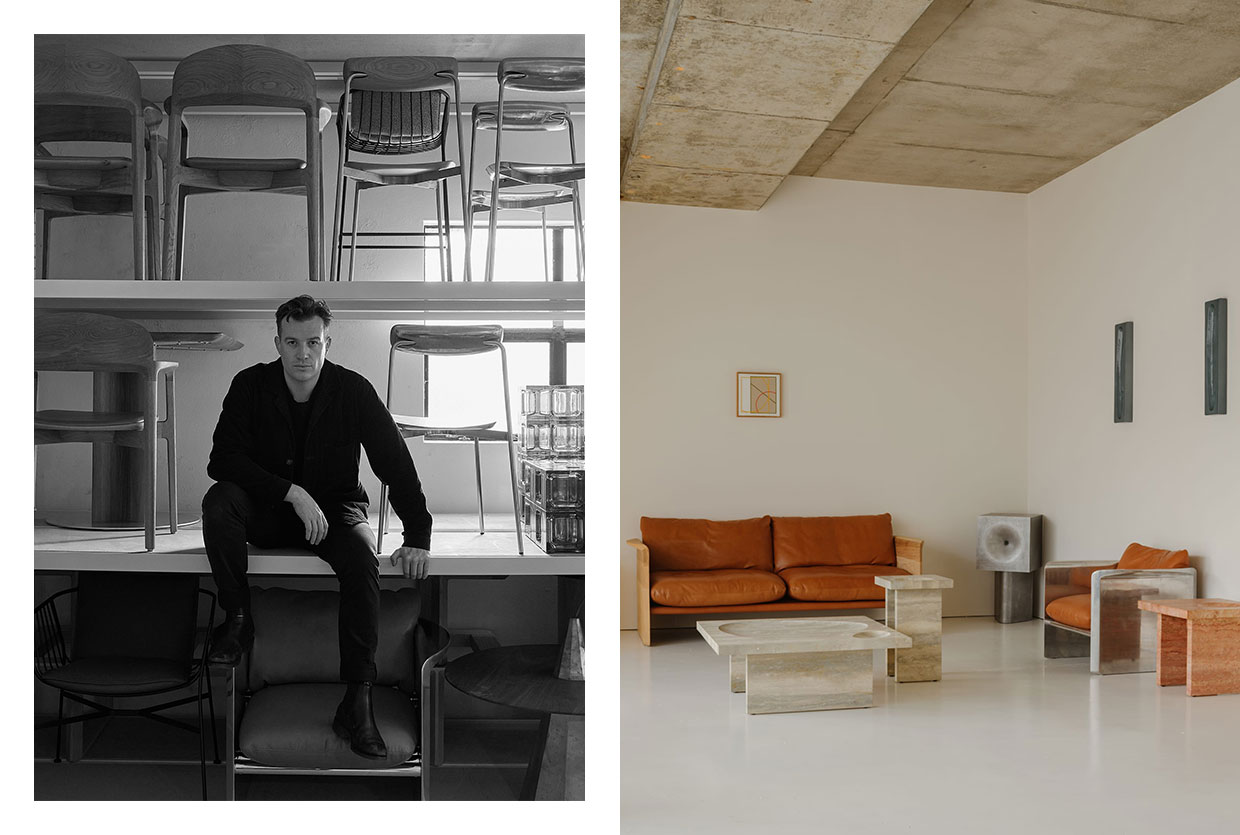
Stepping into the Chester Street studio feels like walking into a living catalog of contemporary design. Fereday refers to the space as a "nuanced hybrid," a term that perfectly captures the tension between the grit of production and the polish of a gallery. Unlike traditional showrooms that feel static and transactional, this space breathes. You might find a prototype for a new Rakumba lighting fixture sitting alongside a finished Sia chair, or a mood board of material samples pinned up near a collection of experimental glass editions.
The "Visual Archive" is the soul of the studio. It meticulously organizes 12 years of Fereday’s Sydney-based work. For a designer who has collaborated with powerhouses like Nau and SP01, having a single location to showcase these varied threads is essential for brand identity. It allows visitors to see the consistency of his design language—a language rooted in structural honesty and material integrity.
To visit this sanctuary of design, the process is intentional. The studio is located at 16 Chester Street, Camperdown, and is open to the public by appointment from Monday to Friday. This appointment-only model ensures that the space remains a functional workshop first, allowing Fereday and his team the focus required for technical industrial design while still welcoming the design-curious and potential collaborators.
A Decade of Australian Furniture: Key Collections on Display
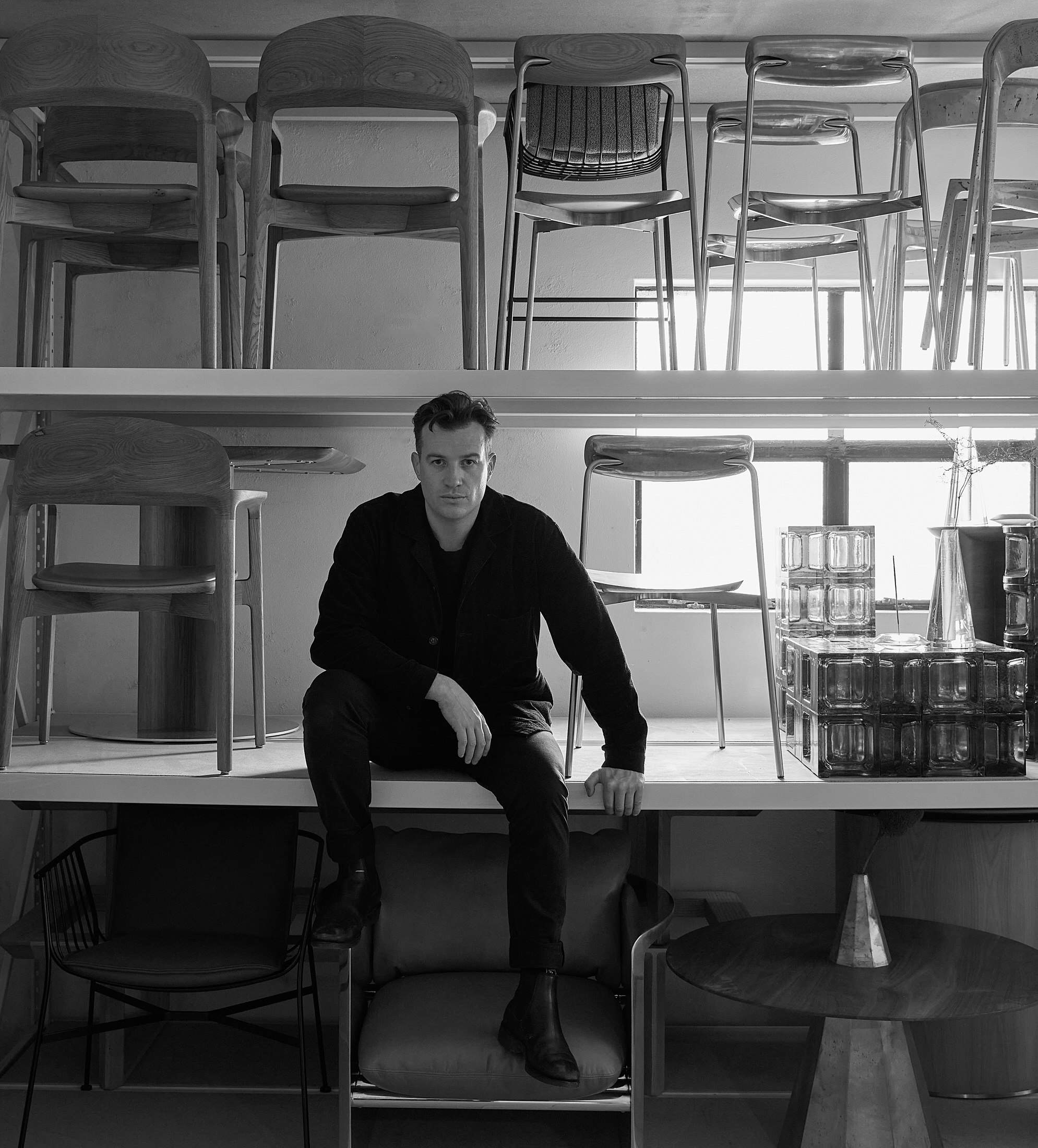
The archive at the hybrid studio isn't just a collection of objects; it's a timeline of Australian design milestones. Each piece tells a story of a specific problem solved or a material explored.
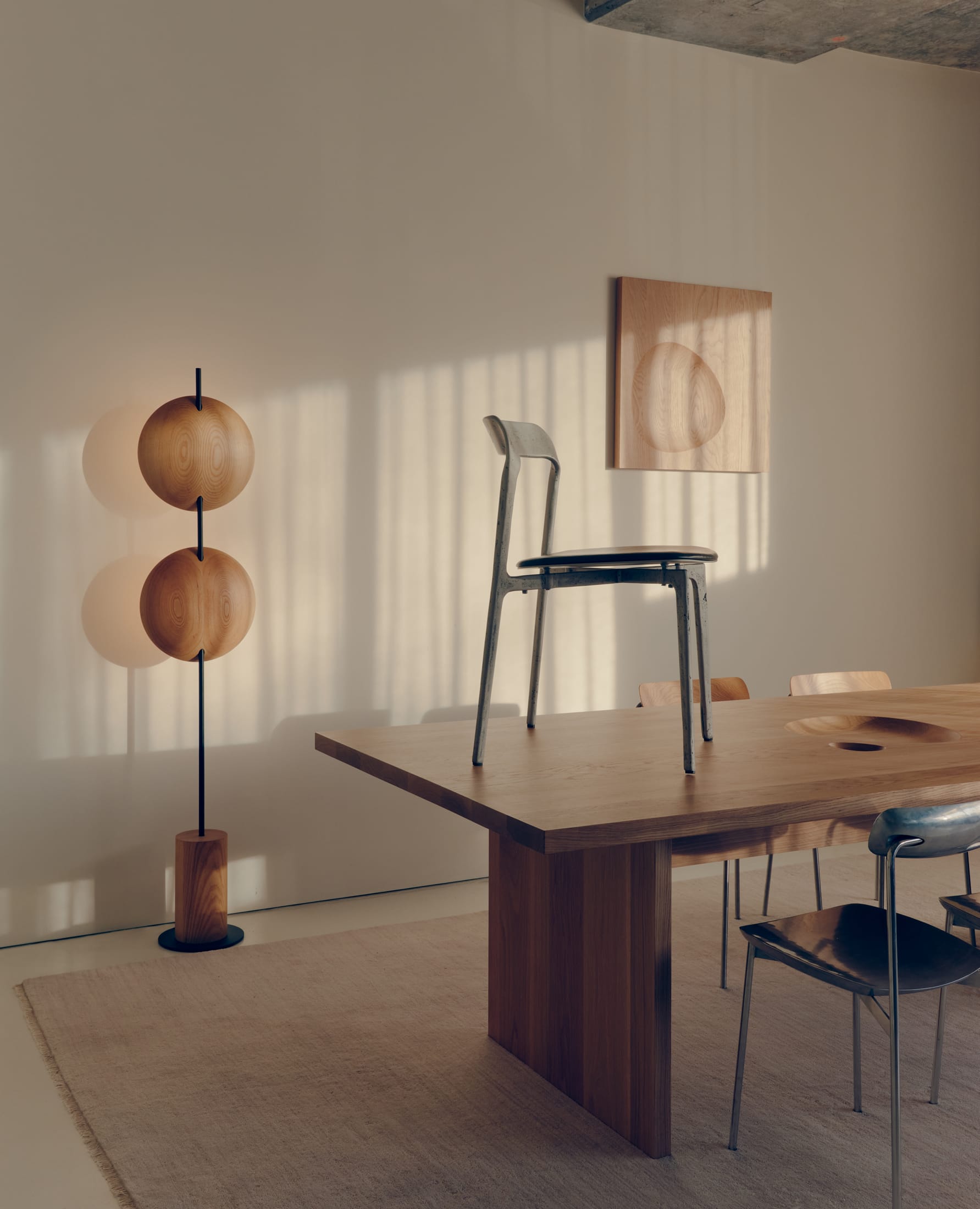
- The Sia Chair: This is perhaps Fereday’s most recognizable silhouette. Originally a winner of the Mercedes-Benz Design Award, the Sia chair has evolved into a staple for Cult Design. Its slender, articulating backrest demonstrates a masterful use of timber and metal, proving that ergonomic comfort doesn't have to sacrifice a minimalist aesthetic.
- The Nami Collection: Created in collaboration with Tom Fereday’s long-standing partners, the Nami collection addresses the modern challenge of high-quality, flat-packing furniture. The "Nami" (meaning wave in Japanese) features a distinct curved profile that gives the timber a fluid, organic quality while remaining incredibly sturdy.
- The Cor Collection: A deeper dive into materiality, the Cor collection often experiments with stone and heavier elements, pushing the boundaries of what domestic furniture can look like when it's built to last for generations.
"I've always believed that design should be honest. The way a piece is made should be the very thing that makes it beautiful. My goal is to eventually supply every functional element of a residence—from the light you turn on to the chair you sit in." — Tom Fereday
Material-Led Philosophy: The Fereday Approach
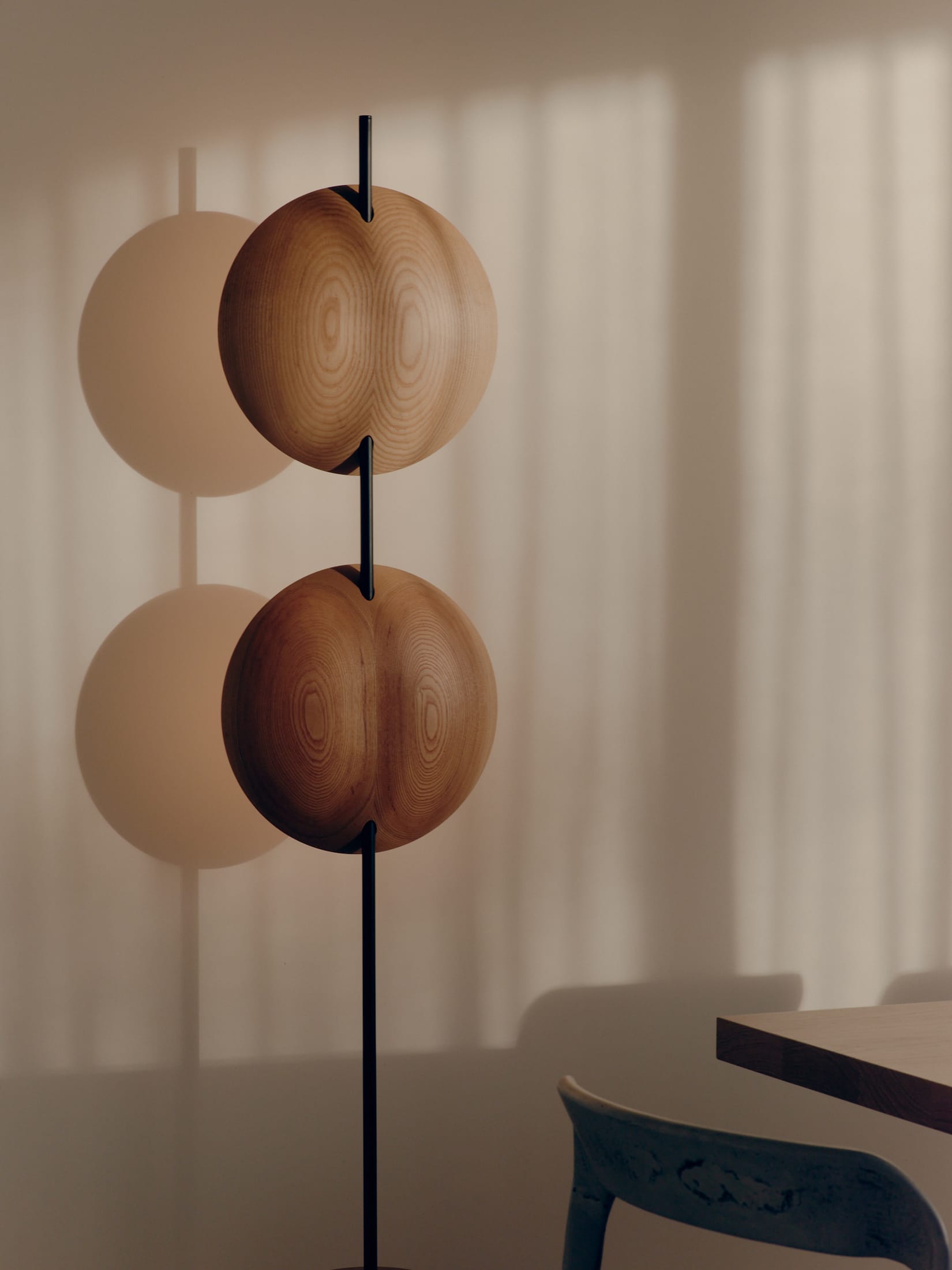
As an editor, I often see designs that prioritize "the look" over "the feel." Fereday’s approach is the antithesis of this. His philosophy is strictly material-led. Whether it is the grain of sustainably sourced Australian timber, the weight of solid stone, the translucency of hand-blown glass, or the precision of cast metal, the material dictates the form.
This respect for materials is bolstered by his long-term relationships with local makers. Fereday has been working with some of the same Australian artisans since he was 19 years old. This level of craftsmanship longevity is rare in an era of fast furniture. By maintaining these deep ties, he ensures that every piece leaving the Camperdown studio meets a standard of quality that justifies its place in a permanent archive.
Designing for the home, in Fereday’s view, is about creating "quiet" objects—pieces that don't scream for attention but rather improve the quality of daily life through their tactility and functional reliability.
The Sydney Creator Landscape: Costs and Opportunities
To understand why 16 Chester Street is such a significant "stake in the ground," one must look at the economic reality of the Sydney creative scene. For many emerging designers, the dream of a permanent studio is being replaced by transient "hire-by-the-hour" models.
As of March 2026, the costs for creative art studio hire in Sydney have reached heights that make independent practice a daunting financial hurdle. Below is a snapshot of the current market:
| Space Type | Average Hourly Rate | Average Daily Rate | Best For |
|---|---|---|---|
| Boutique Photo/Design Studio | $85 - $120 | $600 - $900 | Short-term shoots, client meetings |
| Industrial Workshop Space | $100 - $150 | $800 - $1,200 | Prototyping, heavy fabrication |
| Premium Hybrid/Gallery Space | $200+ | $2,000 - $2,900 | Major exhibitions, brand launches |
By consolidating his archive and workshop into a owned or long-term leased space, Fereday bypasses these "pay-to-play" barriers. This stability allows him to maintain a visible creative presence in the city, serving as a hub for local makers who might otherwise feel disconnected in a sprawling, expensive metropolis.
Future-Proofing Design: The Evolution of Hybrid Models
The "hybrid" model isn't just about mixing a shop and a studio; it's about flexibility and resilience. By borrowing insights from "office-first" or "flexible hybrid" corporate models, Fereday has created a space that can pivot. One day it is a rigorous industrial design lab; the next, it is a high-end showroom for a major international brand collaboration.
Looking ahead, the studio's influence is set to grow. Fereday is currently working on major new commissions for the Powerhouse Museum, slated for unveiling in 2026. These projects represent a bridge between commercial furniture design and cultural heritage, further cementing his role as a pivotal figure in the Australian creative landscape. This hybrid model—where the public can interact directly with the environment of making—is likely the future for high-end creators who wish to remain relevant in an increasingly digital world.
FAQ: Visiting and Collaborating
How can I visit the Tom Fereday studio in Sydney? The studio is located at 16 Chester Street, Camperdown. It is not a walk-in retail store, so you must book an appointment in advance. Appointments are available from Monday to Friday. You can typically request a visit via the official Tom Fereday website or his professional social media channels.
Why did Tom Fereday choose to stay in Sydney despite high studio costs? Fereday established the permanent studio to maintain a visible, central presence for the Australian design community. He believes that having a physical "stake in the ground" in Sydney is vital for fostering local collaborations and maintaining a direct connection with the artisans and brands that manufacture his work.
What kind of design work can I see at the studio? The studio functions as a "visual archive," meaning you can see a wide range of work from the past 12 years. This includes furniture for Nau and SP01, lighting for Rakumba, and various experimental pieces using timber, glass, and metal.
Are you looking to elevate your own living space with authentic Australian design? Whether you are a fellow creator or a homeowner seeking that perfect "forever piece," visiting a space like Fereday’s studio offers the perspective needed to appreciate the true value of craftsmanship.