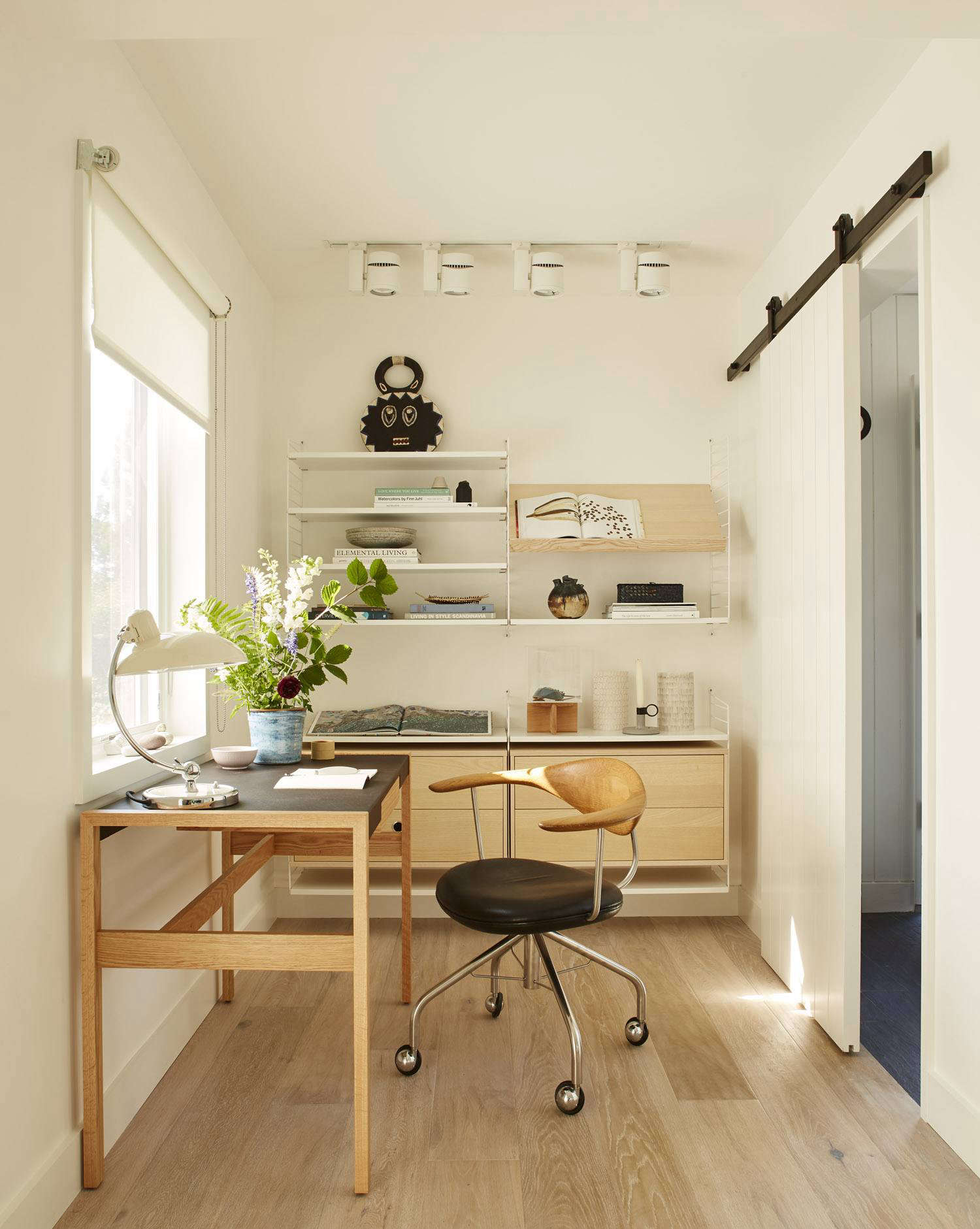
If you’ve lived in a home built between 1970 and 1979, you know the specific "charm" of the reach-in closet: dark wood-imitation paneling, sagging wire racks, and those clunky sliding doors that always seem to jump off their tracks. For years, these spaces have been the graveyards of seasonal coats and forgotten luggage. But as our homes have become our sanctuaries, our gyms, and most importantly, our offices, the humble 70s closet is undergoing a radical metamorphosis.
Enter the "cloffice"—a portmanteau of closet and office—reimagined through the lens of Scandinavian minimalism. To successfully convert a 1970s closet into a functional Scandi workspace, you must prioritize a bright white color palette (like Farrow & Ball's All White), replace restrictive doors with a space-saving sliding barn door or a simple linen curtain, and utilize modular shelving systems like String or Floyd to maximize every inch of vertical storage. By focusing on light and modularity, you can reclaim up to 60% more usable vertical storage space compared to traditional built-in desks, turning a cramped nook into a high-productivity zone.
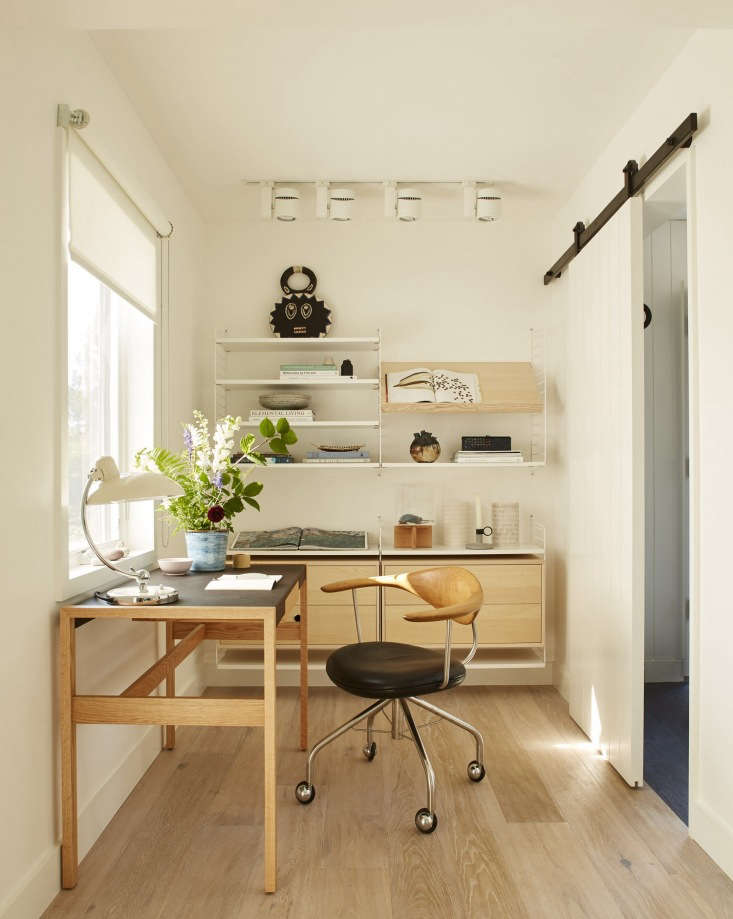
The Scandi Design Blueprint: Light, Color, and Texture
The first step in any Scandi-inspired renovation is the "great erasing." 1970s architecture was obsessed with earthy, heavy tones—think harvest gold, avocado green, and dark walnut. To create a workspace that feels like a breath of fresh air, you need to neutralize this history. Start by stripping away the old shelving and sanding down any textured walls.
The choice of white is critical. Scandinavian design isn't about a clinical, "hospital" white; it's about a soft, light-reflective white that warms up under evening lamps. Farrow & Ball’s All White No. 2005 is my go-to for these small enclosures because it lacks the blue undertones that can make a windowless closet feel cold.

Once the walls are primed, look to the floor. Most closets harbor outdated carpet or scuffed linoleum. Replacing this with whitewashed wood flooring—or a high-quality LVP alternative like Montgomery White Oak—grounds the space with an organic texture. Lighting is the final pillar of the blueprint. Since most 70s closets have zero natural light, you need a layered strategy. I recommend IKEA’s Nymåne track lighting for a clean, overhead wash, paired with a classic Kaiser Idell table lamp for focused task lighting.
Modular Storage: The Backbone of Your Workspace
In a standard 5-foot reach-in closet, a fixed desk is a missed opportunity. Scandi design thrives on "modularity"—think of it as Adult LEGO for your home. By using wall-mounted tracks rather than floor-standing furniture, you keep the visual profile light and airy.
Statistics show that modular closet office systems provide up to 60% more usable vertical storage space compared to traditional built-in desks. This is because modularity allows you to adjust shelf heights as your needs change—moving a shelf up to accommodate a new monitor or down to store larger binders.
Ivy’s Professional Tip: When installing modular tracks, always anchor them directly into the studs. The weight of a solid wood desk surface plus your computer equipment can easily exceed 100 pounds.
Top Modular Storage Systems for 2026
Choosing the right system depends on your budget and your aesthetic "North Star." For 2026, the trend is moving away from purely industrial metal toward "warm minimalism"—blending steel frames with natural wood grains.
| System | Best For | Material | Customization Level |
|---|---|---|---|
| Floyd Shelving System | Ethereal, airy aesthetic | Powder-coated steel & Birch | Moderate (Add-on units available) |
| IKEA BESTÅ | Budget-friendly, hidden storage | Fiberboard & Foil | High (Endless configurations) |
| Povison Modular | High-end durability | Plywood & Metal | Low (Ships fully assembled) |
| String Furniture | Iconic Scandi heritage | Steel Wire & Oak/Walnut | Extreme (The original "Adult LEGO") |
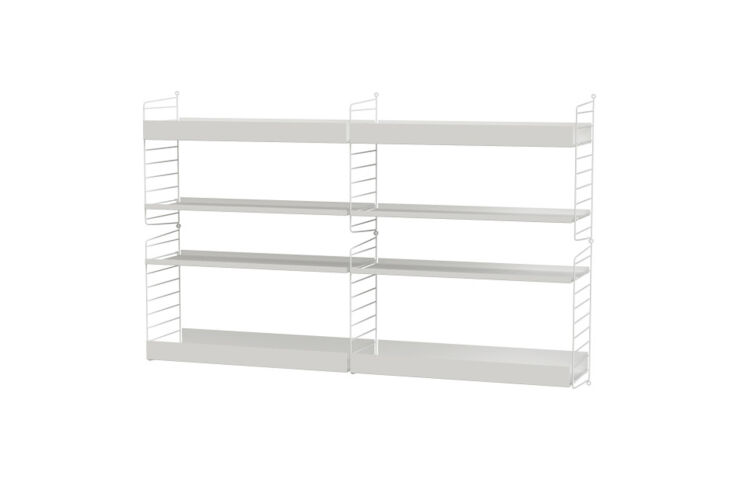
The Floyd system is particularly exciting for 2026 because of its sleek, architectural lines. However, if you are looking for a more refined, mid-century Scandi look, the Article Heidi series offers beautiful wood detailing that feels less like "office furniture" and more like a curated collection.
Step-by-Step: Converting Your Reach-In Closet
Converting a closet isn't just about aesthetics; it's about the "Ugly Truth" of DIY. Before the beautiful "after" photo, there is the dusty "before" reality. Following a structured process can save you thousands. In fact, DIY-friendly modular office installations reduce professional renovation costs by an average of 45% while maintaining a high-end, custom aesthetic.
Step 1: The Audit
Empty everything. If you haven't touched that box of old tax returns since 2014, it’s time for it to move to the attic or the shredder. Remove the old closet rod and the single, sagging shelf.
Step 2: Prep and Paint
70s closets often have "popcorn" ceilings or faux-wood paneling. Use a high-quality primer like Zinsser B-I-N to ensure your white paint adheres to those slick, vintage surfaces. Don't forget to caulk the corners for a seamless, "built-in" look.
Step 3: Track Installation
Measure twice, drill once. Use a laser level to ensure your vertical tracks are perfectly parallel. If your 70s home has slightly wonky walls (and most do), use shims behind the tracks to keep everything straight.
Step 4: Component Assembly
This is the rewarding part. Slide in your desk surface—ideally at a standard height of 29 inches—and place your shelves above it. Ensure the topmost shelf is high enough to store items you rarely use, keeping the "active zone" clear for daily work.
Essential Furniture for the Minimalist Nook
Once the "shell" is complete, you need the right pieces to fill it. In a Scandi workspace, every item must be both beautiful and functional.
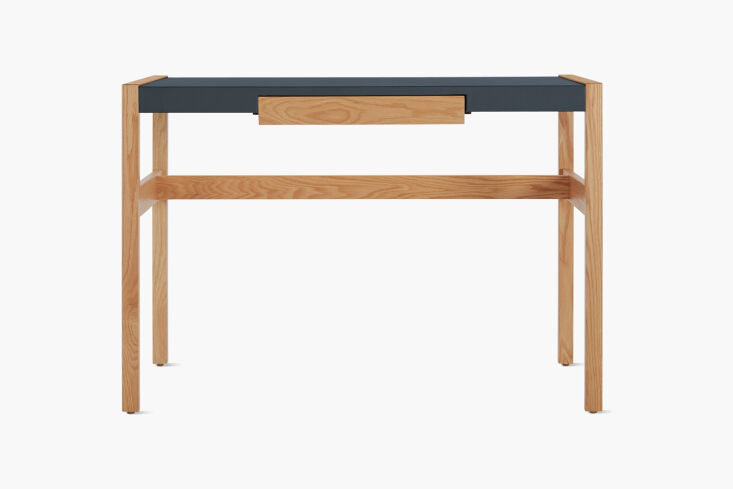
For the desk surface, I highly recommend the iconic Risom Desk in oak. Designed originally by Jens Risom, its clean lines and warm wood tones provide the perfect organic counterpoint to a white closet interior. The oak finish provides a tactile quality that makes the workspace feel grounded rather than clinical.
Seating is where you should never compromise on ergonomics. However, a bulky "gaming chair" will destroy the Scandi aesthetic. Instead, look for vintage Hans Wegner Swivel Chairs or modern reproductions. They offer the necessary support for an eight-hour workday while maintaining a slim profile that can tuck neatly under your closet desk when not in use.
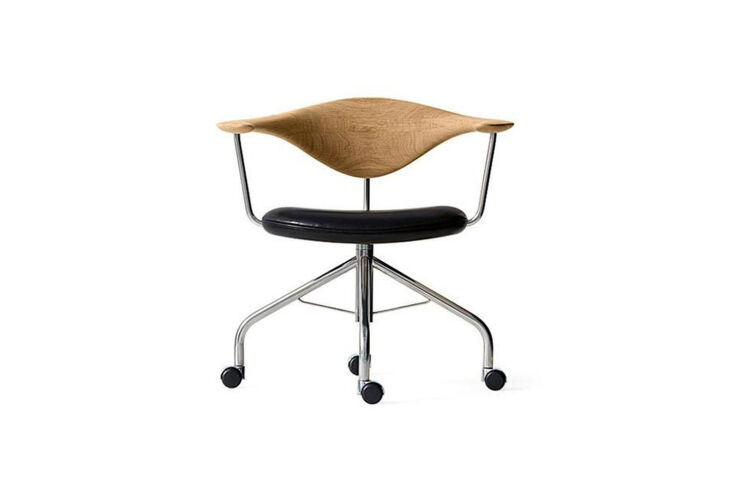
The Shopping List for a Minimalist Nook:
- The Desk: Solid oak or birch surface (min. 24" depth).
- The Chair: Hans Wegner or a Muuto Fiber Chair.
- The Light: Kaiser Idell Luxus Table Lamp.
- Cable Management: Felt cable trays or simple wooden wine crates to hide power strips.
Styling the Final Look: Softening the Edges
A minimalist workspace can easily feel cold if you don't introduce organic elements. To finish the look, focus on "softening" the hard lines of the shelving. Use Areaware plant pedestals to add greenery at different heights—a trailing Pothos is perfect for a high shelf.
Incorporate organic ceramic vases and linen storage boxes to hide the "visual noise" of office supplies like staplers and charging cables. For inspiration, look to your mood board. Instead of a messy corkboard, use simple oversized binder clips or magnets if you’ve used magnetic paint on one wall. This keeps your ideas front and center without the clutter.

Conclusion
Transforming a 1970s closet is more than just a home improvement project; it is an exercise in mental clarity. By stripping away the dark, cramped leftovers of a previous era and replacing them with the light, modular, and intentional principles of Scandinavian design, you create a sanctuary for productivity. You aren't just gaining an office; you are reclaiming a corner of your home that was once lost to "the bad seventies" and turning it into a testament to modern, functional living.
FAQ
Q: Can I keep the original sliding doors for my closet office? A: While possible, standard 70s sliding doors usually block 50% of the opening at all times, making it feel claustrophobic. For a Scandi look, I recommend removing them entirely or replacing them with a sleek sliding barn door in a light wood finish.
Q: Is a closet office too small for a dual-monitor setup? A: Not if you use modular shelving! By using monitor arms that clamp to the back of your desk or a dedicated monitor shelf, you can clear up the desk surface and fit two 24-inch monitors even in a standard 5-foot closet.
Q: How do I handle the lack of electrical outlets in an old closet? A: You will likely need to run power into the closet. The cleanest DIY method is to run an extension through the baseboard or hire an electrician to tap into a nearby bedroom outlet. Always ensure your power strip is hidden in a cable management box for that clean Scandi look.