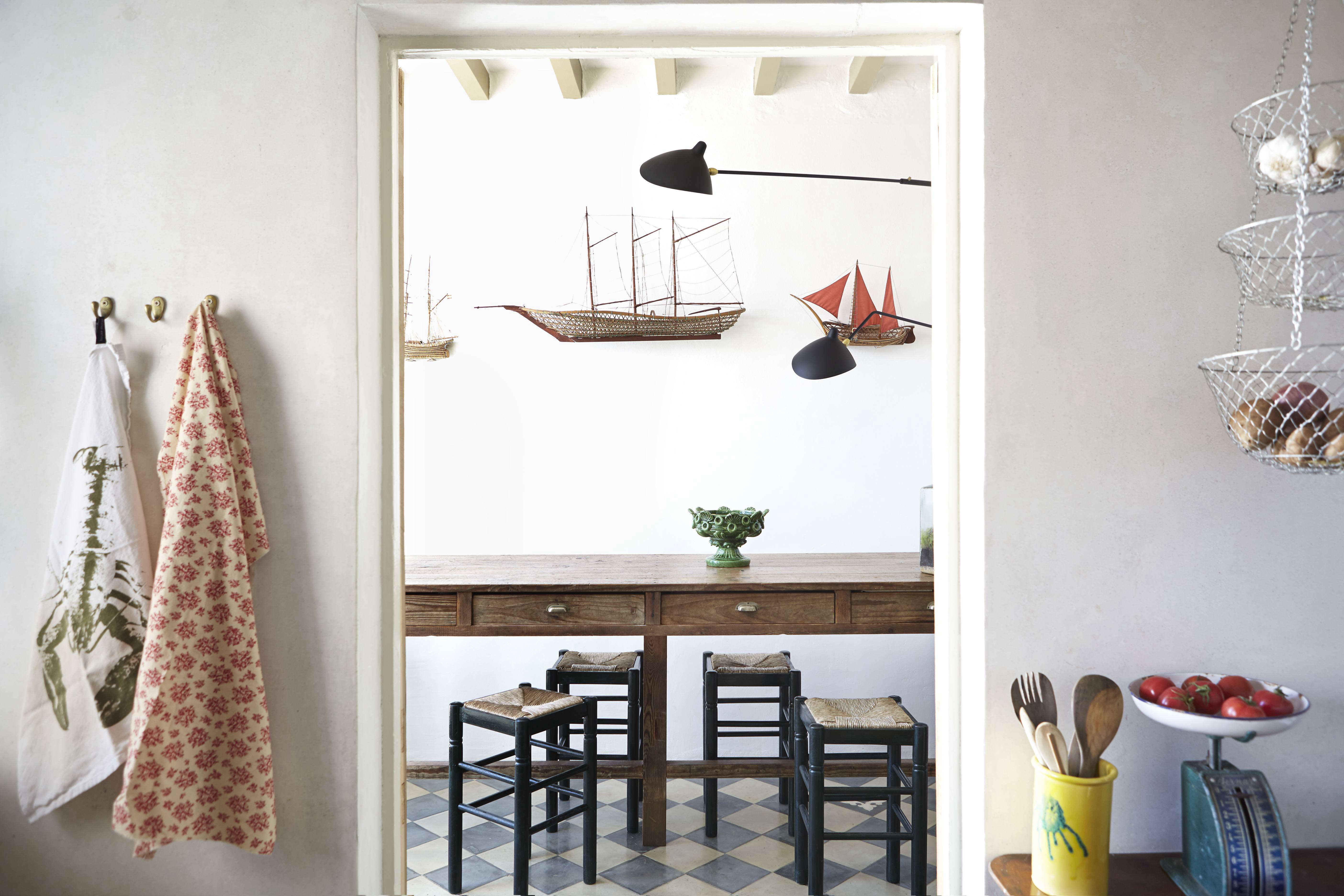
On the sun-drenched island of Menorca, history doesn't just whisper; it breathes through the lime-washed walls and uneven stone floors of centuries-old estates. For most renovators, an old kitchen is a problem to be solved with a sledgehammer and a catalog of sleek, handle-less cabinetry. But for the design trio behind Quintana Partners—Escat Benito Diaz, Benito Escat Velez, and Pol Castells—the goal isn't to erase the past, but to "resuscitate" it. Their "leave next to no trace" philosophy has redefined historic kitchen restoration, proving that the most luxurious modern spaces are often the ones that feel as though they’ve been there forever.
This approach prioritizes preserving original masonry, salvaged tile work, and atmospheric patinas over clinical replacement. The Quintana ethos isn't about creating a museum; it’s about making a historic home habitable for the 21st century. By discreetly updating plumbing and electricity while integrating high-end appliances into existing architectural "bones," they manage to bridge the gap between 1920s charm and 2024 functionality.
The Ergonomic Challenge: Rescaling for the 21st Century
One of the most overlooked aspects of historic kitchen restoration is the physical evolution of the human body. As an editor, I often see homeowners fall in love with a vintage workspace, only to realize that working in it feels like cooking in a dollhouse. The reality is that humans are simply taller now than they were a century ago.
When Quintana Partners approaches a project, rescaling is a crucial, albeit invisible, part of the process. In the early 20th century, the average height for women (who primarily occupied these kitchens) was significantly lower, resulting in counter heights that are punishing for the modern back. To solve this without compromising the building's character, the team often uses "furniture-style" solutions. Instead of standard built-in cabinetry, they might elevate a reclaimed marble-topped table or custom-build wooden workbenches that sit at a comfortable 90-92 centimeters, blending the new height with the old walls through clever backsplashes or recessed plinths.
By adjusting these workspace dimensions and counter heights, they meet modern ergonomic needs while preserving the "one-butt-kitchen" intimacy that modern open-plan designs often lose. It’s a delicate dance of geometry where every centimeter of height is negotiated against the placement of original windows and hearths.
Integrating Modern Tech into Vintage Bones
The "Leave No Trace" mantra is perhaps most challenged by the intrusion of modern technology. How do you hide a high-tech induction cooktop or a professional-grade refrigerator in a room that hasn't seen a renovation since the Spanish Civil War?
Quintana Partners utilizes two primary strategies for this integration:
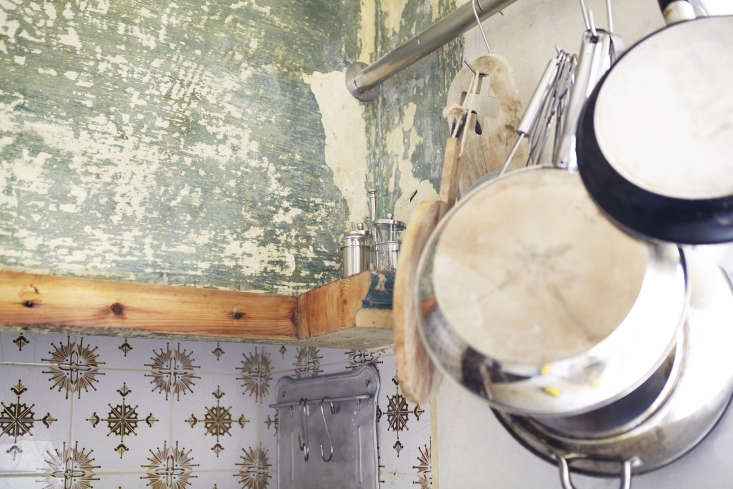
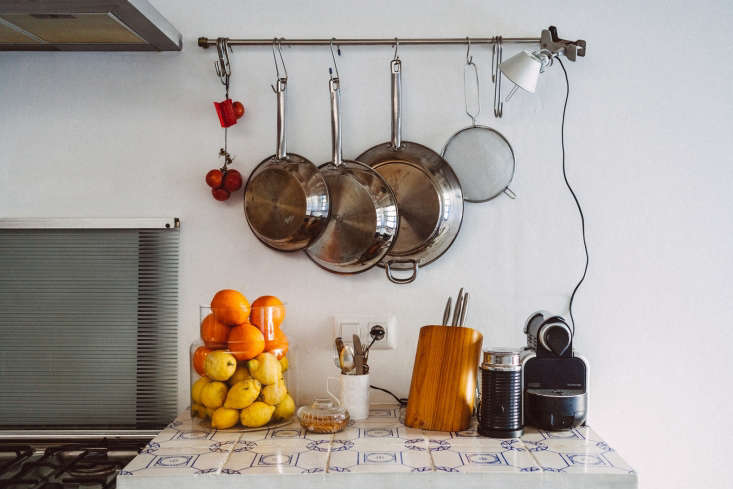
- The High-Low Pairing: They are masters of the "democratic" kitchen. You might find an industrial-style IKEA Grundtal rail—chosen for its functional simplicity—mounted directly onto handmade local artisan tiles that cost more per square foot than the rest of the wall combined. This high-low mix makes the space feel approachable and lived-in rather than overly "precious."
- Disguise and Distraction: While some appliances are meant to be seen, others are hidden. Smeg 50s-style refrigerators are a frequent choice because their rounded edges and retro color palettes act as a bridge between eras. Conversely, modern dishwashers and high-efficiency ovens are often concealed within repurposed antique armoires or behind reclaimed wood panels that match the existing pantry doors.
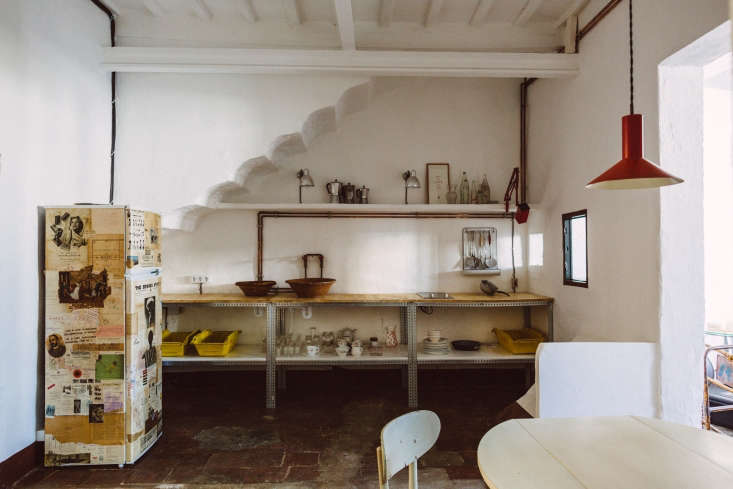
Integrating new plumbing and electricity is handled with surgical precision. Rather than gutting walls to hide pipes, the team occasionally embraces "honest" installations—using exposed copper piping that eventually develops a natural patina, turning a functional necessity into a design feature that feels historically appropriate.
Case Study: Sa Calma — 100% Originality in Mahón
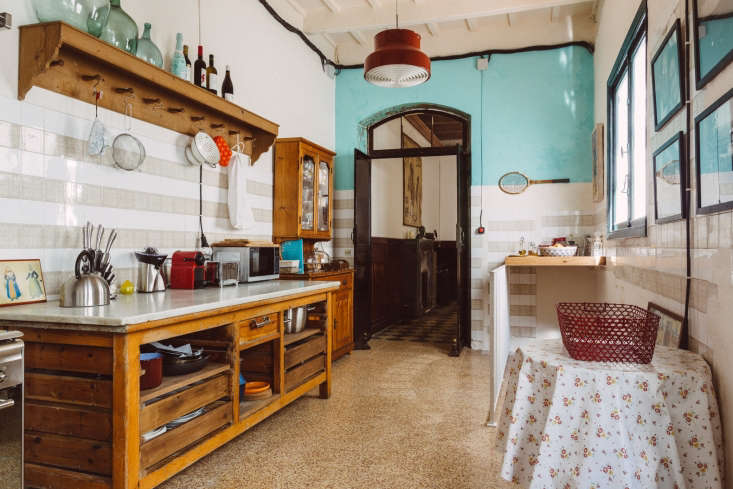
In the heart of Mahón, the project known as Sa Calma stands as a testament to the power of preservation. When the team first entered the space, they found a series of three cramped, dark rooms finished in 1970s Formica—a common "update" that had obscured the home's true history.
The renovation involved stripping away these modern intrusions to create a single, light-filled, airy workspace. The most remarkable achievement here was the team’s dedication to the flooring. Despite the structural changes required to merge the rooms, Quintana Partners successfully retained 100% of the original early 20th-century terrazzo flooring and handmade Menorcan tiles. This required a painstaking process of sourcing matching reclaimed tiles from local architectural salvages to fill the gaps where walls once stood.
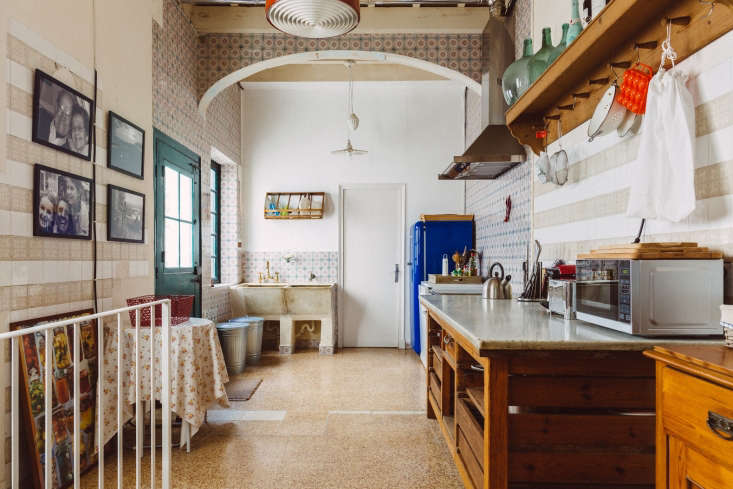
To keep the space feeling authentic, the team repurposed traditional elements for modern uses. The iconic Menorcan clothes rails, usually found in utility courtyards, were brought into the kitchen to serve as rustic pot racks. This not only provided practical storage but also grounded the kitchen in the local vernacular.
Case Study: The Garden Shed — Reclaiming the Footprint
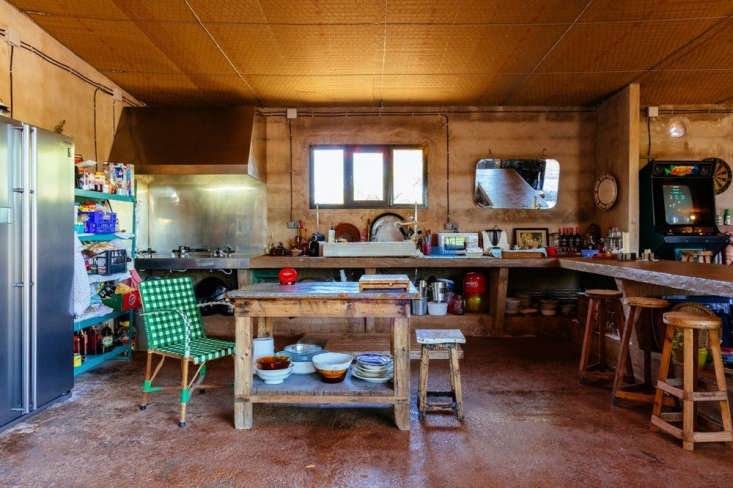
If Sa Calma was about refinement, The Garden Shed was about reclamation. Originally an abandoned garden center and storage outbuilding, the structure had been neglected for decades. The restoration process was as much an archaeological dig as it was a design project.
The environmental impact of this restoration was significant: the design team had to oversee the removal of 4 tons of accumulated plastic and debris to reach the original historic footprint of the building. Once the site was cleared, they revealed a stunning, albeit weathered, stone floor that became the foundation for a rustic summerhouse.
Sustainability was at the core of this project. Instead of connecting to the grid, the "Garden Shed" operates with integrated solar panels. The kitchen features deep stone sinks carved from local Marés stone and a minimal layout that emphasizes an off-grid, intentional lifestyle. It is a perfect example of how a "vintage kitchen remodel" can actually be a leap forward in sustainable living.
Technical Tips: Preserving Wood and Historic Details
Restoring a historic kitchen requires a shift in mindset from "replacement" to "refinement." For those looking to apply the Quintana Partners philosophy to their own homes, consider these technical approaches:
- Audit Before You Act: Before swinging a hammer, consult local archives or hire a restoration consultant. Understanding the original materials used in your home—whether it's lime plaster, specific hardwoods, or local stone—allows you to source authentic replacements.
- The Power of Refinishing: Often, what looks like "rotting" wood is simply layers of failing varnish. Quintana Partners often spends weeks stripping and refinishing original moldings and doors rather than replacing them with MDF alternatives.
- Stone Selection: If original surfaces are unsalvageable, look for local materials that age gracefully. In the Mediterranean, this means Marés stone; in the UK, it might be Yorkstone. The goal is a material that develops a "skin" over time.
- The "Furniture Kitchen" Concept: Instead of a wall of uniform cabinets, think of your kitchen as a collection of furniture. A freestanding butcher block, a reclaimed larder, and open shelving create a more layered, historic feel than standard kitchen units.
For smaller spaces or guest apartments, don't be afraid to pivot toward an industrial aesthetic. Using copper piping and steel shelving can create a lightweight, modern kitchenette that sits within an old attic or cellar without overwhelming the original masonry.
FAQ: Common Challenges in Historic Kitchen Remodels
Q: How do you deal with uneven walls and floors when installing new appliances? Ivy Chen: This is the most common hurdle. Quintana Partners often uses "shims" or custom-built plinths that are recessed and painted a dark, receding color. This levels the appliance while making it appear as though it is floating slightly above the original, uneven floor.
Q: Is it possible to have a sustainable, energy-efficient kitchen in a historic home? Ivy Chen: Absolutely. The Garden Shed project proves this. The key is insulation and choosing high-efficiency appliances (like induction or A-rated refrigeration) that can be concealed. Solar integration is also becoming much easier to hide on non-visible roof slopes.
Q: What if I can't find original tiles to match my floor? Ivy Chen: Don't try to find a "close" match in a modern store; it will always look slightly off. Instead, lean into the contrast. Use a complementary natural stone or a simple, unadorned cement tile. Or, do what Quintana does: source "reclaimed" tiles from architectural salvage yards that specialize in your home's specific era.
Conclusion: Building for the Future while Honoring the Past
The work of Quintana Partners serves as a vital reminder that "new" is not always better. By embracing the "Leave No Trace" design philosophy, we can create kitchens that are ergonomically sound and technologically advanced without sacrificing the soul and history of our homes. Whether it’s reclaiming 4 tons of debris to find a stone floor or pairing an IKEA rail with artisanal tiles, the art of restoration is found in the balance between what we keep and what we change.
As you embark on your own renovation journey, remember: the goal isn't just to cook a meal; it's to continue a story that began long before you arrived.