How can I prevent pest infestations in my new home?
Settling into a new home shouldn’t mean sharing it with pests. Learn how to prevent infestations by denying pests food, water and shelter, using physical barriers, and choosing least-toxic controls when needed.
Prevent pest infestations in your new home by denying pests food, water and shelter. Seal cracks, store food in airtight containers, clean regularly, and use physical traps before turning to least-toxic pesticides. Inspect moving boxes carefully, and if treating an existing problem, always follow the pesticide label.
Moving into a new home is exciting, but sharing the space with uninvited pests can turn the dream sour. The most effective way to keep bugs and rodents out is integrated pest management (IPM)—a low-risk, high-common-sense approach that starts with denying pests what they need to survive: food, water, and shelter.
Deny pests food, water, and shelter
Pests need the same things you do—food, water, and a place to hide. Remove easy access to these, and they’ll look elsewhere. The U.S. Environmental Protection Agency (EPA) emphasizes that simple changes to your daily habits can make a huge difference.
Key prevention steps
Inspect all moving boxes, furniture, and grocery bags for cockroaches, ants, or other hitchhikers before bringing them inside.
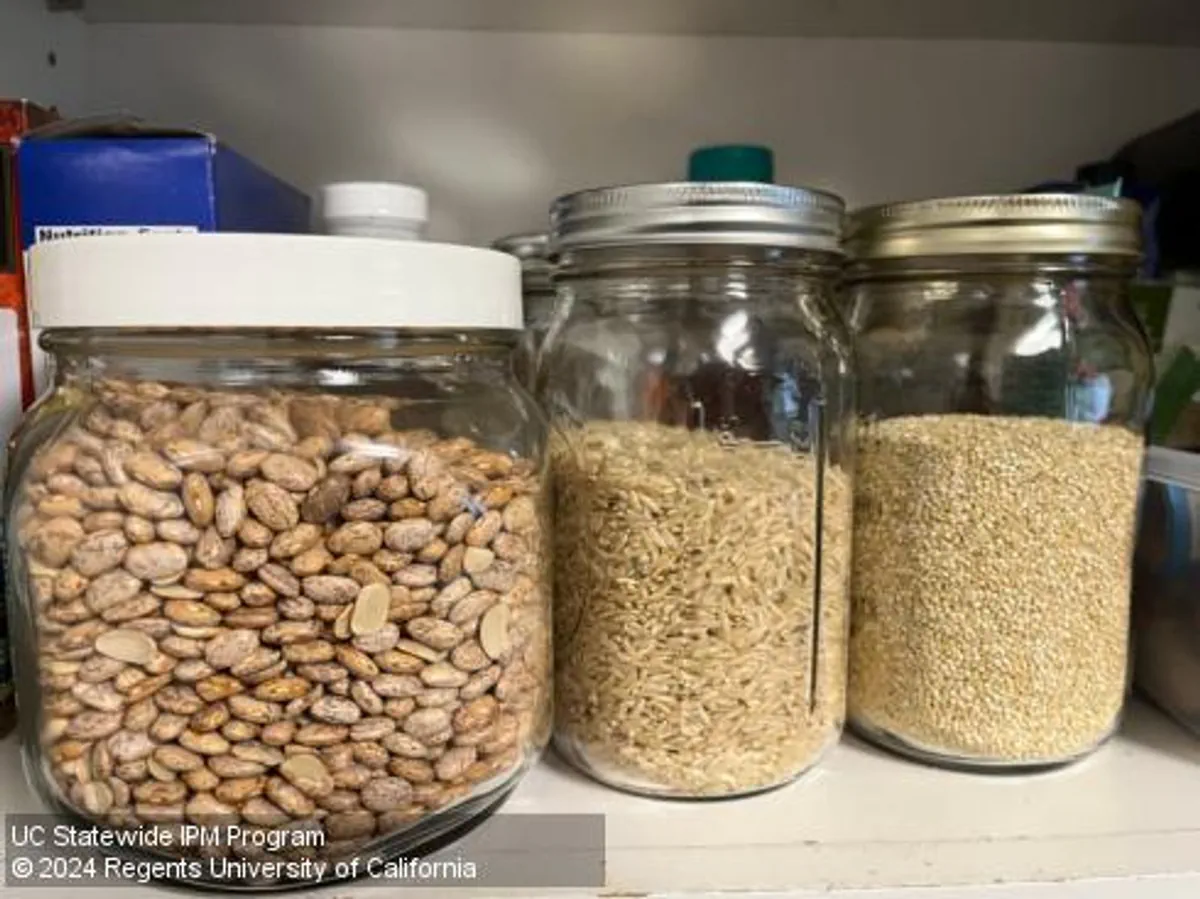
Store dry goods like flour, rice, and pet food in glass or plastic containers with tight-fitting lids.
Clean up crumbs and spills right away, and take kitchen garbage out daily.
Fix leaky pipes and faucets; even a small drip can support a pest population.
Seal cracks around baseboards, windows, and pipes with silicone caulk to block entry points.
Transfer pantry staples to airtight containers to cut off food sources for pantry pests.
Use physical barriers and traps
Stop pests from getting in with window screens, door sweeps, and weatherstripping. Inside the home, snap traps can control mice and rats without poisons. For houseplants, sticky traps capture fungus gnats and other flying insects.
Encourage natural enemies
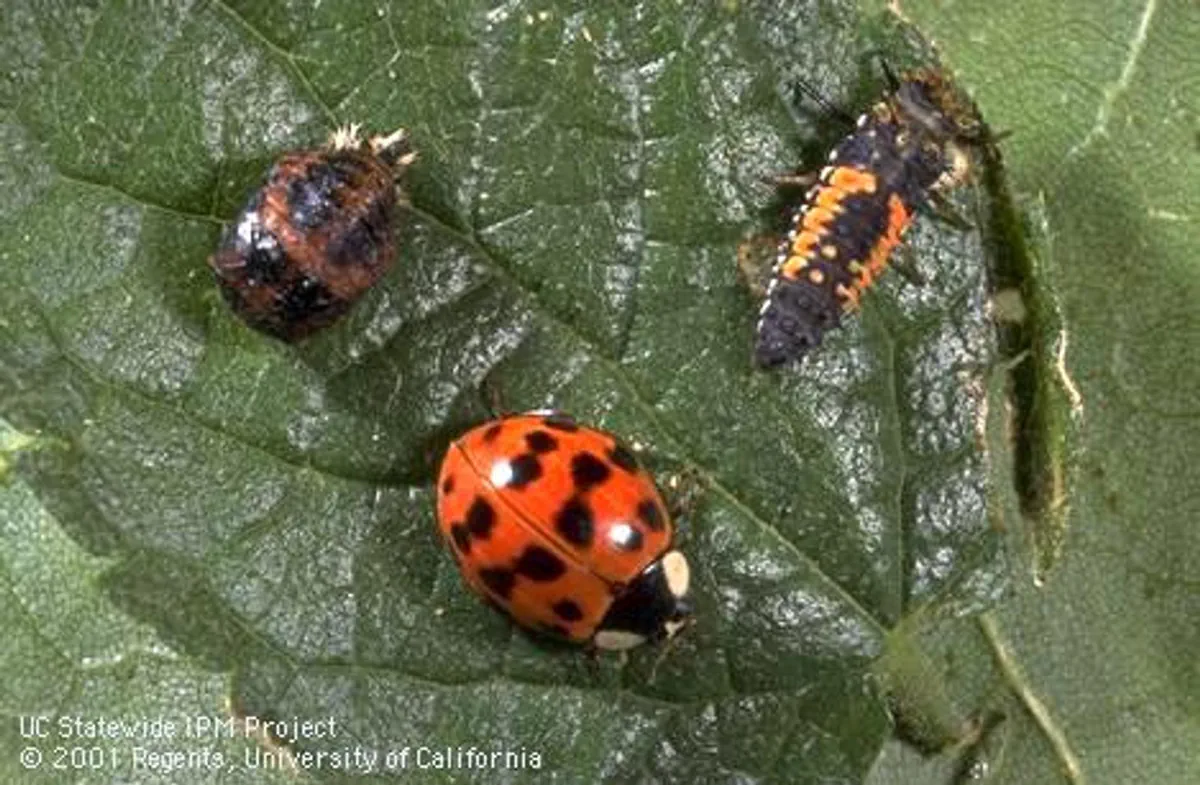
Outside, invite beneficial insects to your yard by planting flowering, nectar-producing plants. Lady beetles, lacewings, and parasitic wasps naturally feed on aphids, caterpillars, and other pests. Learning to recognize these good bugs—at all life stages—prevents accidental harm.
Lady beetles (adult, pupa, and larva shown) are voracious natural enemies of many soft-bodied pests.
If you must use pesticides, choose the least-toxic option
Sometimes non-chemical methods aren’t enough. When a pesticide is necessary, select a product labeled for your specific pest and follow every instruction. The EPA requires all pesticides to bear a registration number; using an unregistered product is risky and potentially illegal.
Always look for an EPA registration number on the label and heed all warnings and directions.
Opt for self-contained baits or gel formulations indoors to avoid widespread chemical exposure. Outdoors, horticultural oils, insecticidal soaps, and microbial products like Bacillus thuringiensis (Bt) target pests while sparing many beneficial organisms.
New home pest-prevention checklist
✓
Inspect possessions before moving in
Open all boxes, check furniture seams and cushions, and shake out blankets and clothing.
✓
Seal openings
Caulk gaps around plumbing, electrical conduits, and baseboards; install or repair window screens.
✓
Control moisture
Fix leaks, vent bathrooms and kitchens, and use a dehumidifier in damp basements.
✓
Manage waste
Use bins with tight lids, empty them regularly, and keep outdoor trash areas clean.
✓
Monitor and maintain
Check sticky traps monthly and reapply caulk or weatherstripping as needed.
SUMMARY
The bottom line
A pest-free home starts with denying pests what they need. Before you unpack a single box, inspect everything. Then seal entry points, keep food locked away, and eliminate moisture. If pests show up anyway, reach for physical traps and targeted, least-toxic products—always reading the label first. Consistent prevention beats chasing an infestation every time.
Common questions
Before you move on
What is integrated pest management (IPM)?+
IPM is a sustainable approach that combines multiple methods—prevention, physical controls, biological controls, and least-toxic pesticides—to manage pests effectively while reducing risks to people and the environment.
What are natural enemies, and how can they help?+
Natural enemies—or “good bugs”—like lady beetles, lacewings, and parasitic wasps prey on common pests. Planting flowering and nectar-rich plants attracts and keeps them around, offering free, chemical-free pest control.