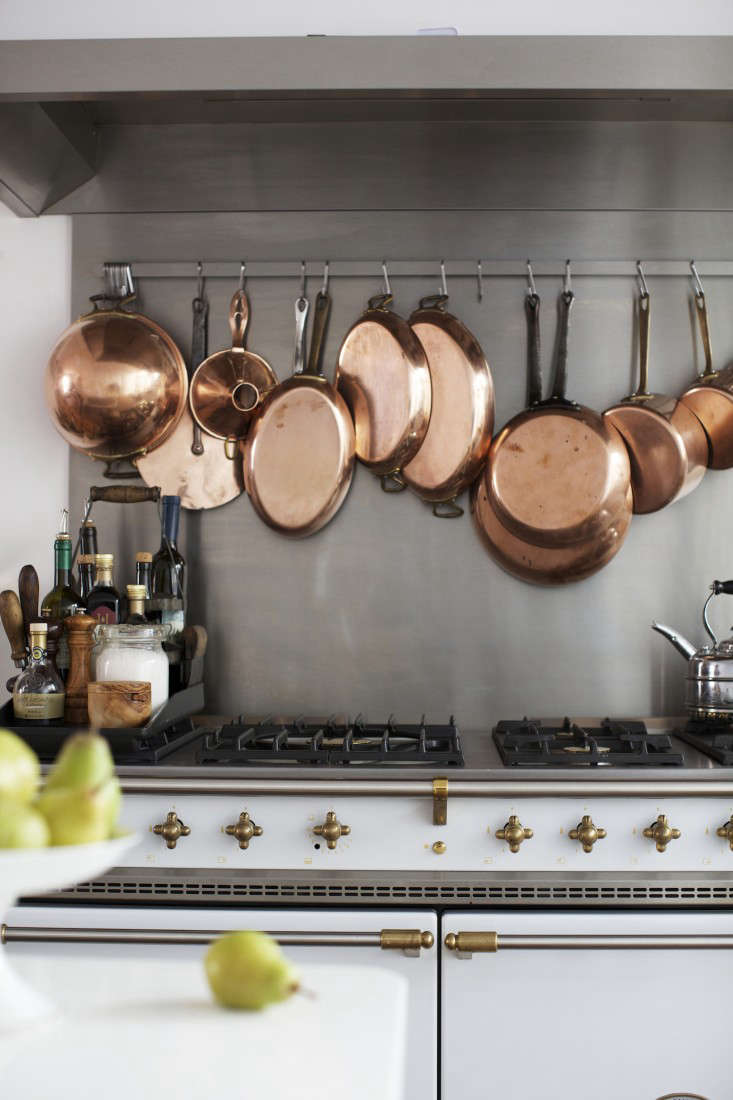
Picture a heavy, cold-pressed copper sauté pan resting on your range. You turn the dial, and within seconds, the heat is uniform across the entire cooking surface—no hot spots, no lag. You drop a knob of butter; it foams instantly. You pull the pan off the flame, and the bubbling stops immediately. This is the "thermal agility" that professional chefs crave. In a high-stakes kitchen, copper isn't just about the shimmering aesthetic; it’s about a level of precision that stainless steel or cast iron simply cannot replicate.
As we look toward 2026, the landscape of professional copper cookware has evolved. While heritage French brands still dominate the "gold standard" conversations, a new wave of induction-compatible technology and high-heat "clad" copper has bridged the gap between traditional craftsmanship and modern kitchen utility. Analysis of professional copper sets today indicates a market price range of $899 to $1,699, with an average entry price of approximately $1,250 for a high-quality 5-to-8-piece collection.
For those looking for the quick verdict: Mauviel remains the heritage gold standard for its heavy 2.5mm thickness, Hestan is the undisputed top choice for modern induction-safe performance, and Brooklyn Copper offers the pinnacle of American artisan tin-lined craftsmanship.
The Professional Edge: Why Copper is the Gold Standard
The science of copper is rooted in thermal conductivity. Copper conducts heat five times better than iron and twenty times better than stainless steel. In a professional home kitchen, this translates to total control. Whether you are whisking a delicate Hollandaise that could curdle in a heartbeat or searing a scallop to a perfect golden crust, copper reacts to your adjustments with millisecond accuracy.
However, the 2026 market presents a fork in the road for the home chef. You must choose between traditional copper (usually lined with tin) and modern copper (lined with stainless steel or engineered for induction). While traditionalists argue that nothing beats the natural non-stick properties of a tin lining, modern cooks often prefer the 800°F thermal threshold and dishwasher-durability of stainless-cladded versions like those from Made In or Hestan.
Top Picks for 2026: The Essential 10
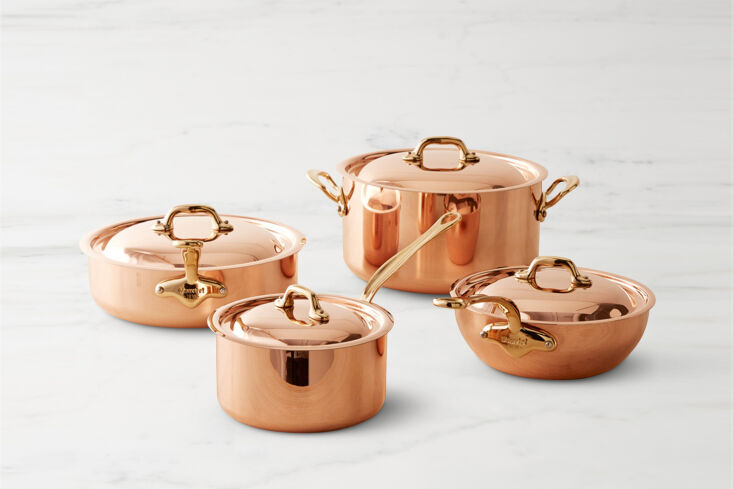
1. Best Heritage Standard: Mauviel M’Heritage M250C (2.5mm)
For over 190 years, Mauviel has defined the French kitchen. The M250C line is their "extra-thick" offering, featuring a 2.5mm gauge that consists of 90% copper and a thin 10% 18/10 stainless steel lining. Unlike the thinner 150 series, the 250 offers the thermal mass required for heavy-duty reduction work and consistent heat retention.
- Key Specs: 2.5mm thickness, polished copper exterior, stainless steel interior, cast iron handles.
- Best For: Serious home chefs who prioritize heat retention and heirloom durability.
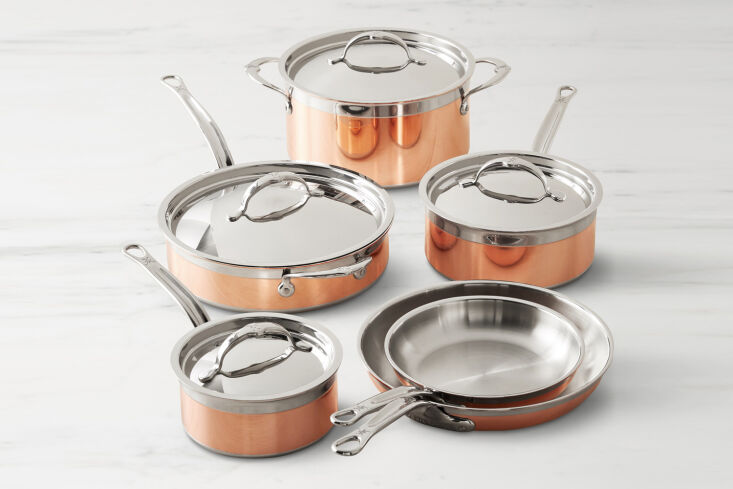
2. Best for Induction Kitchens: Hestan CopperBond 10-Piece Set
The most common question I receive is: Is copper cookware compatible with induction cooktops? Traditionally, the answer was no. However, Hestan’s CopperBond series has revolutionized this space. By using a 5-ply construction with a wrap-around magnetic stainless steel base, they have made the responsiveness of copper available to induction users.
- Key Specs: 5-ply construction, molecular titanium reinforced rims, induction-compatible.
- Performance Note: These pans are exceptionally durable and feature a "flush rivet" system that makes cleaning the interior a dream.
3. The Artisan Choice: Brooklyn Copper Cookware (Tin-Lined)
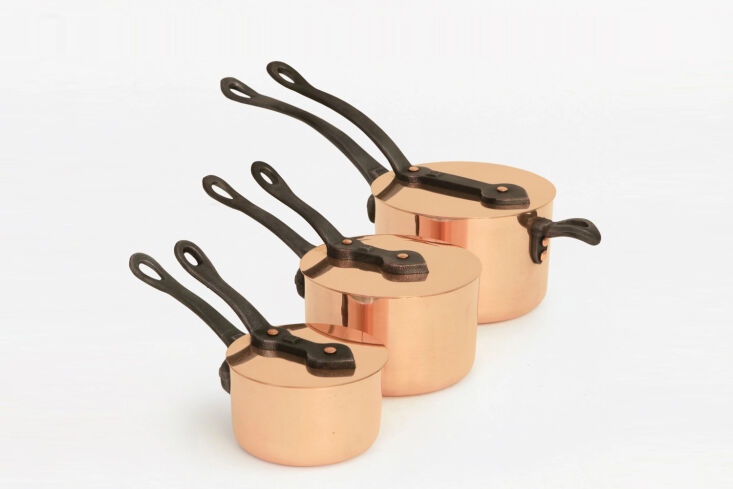
If you are a culinary purist, Brooklyn Copper is the name you need to know. They utilize an 11-gauge heavy copper (nearly 3mm thick) and hand-apply a tin lining. Tin is the original non-stick surface; it is molecularly smoother than stainless steel, meaning delicate proteins like eggs and fish slide right off.
- Key Specs: 11-gauge American copper, hand-wiped tin lining, iron handles.
- N.B.: Tin melts at 450°F. This is a tool for the disciplined cook who knows how to manage a flame.
4. Most Stylish Heirloom: Ruffoni Symphonia Cupra
Hand-hammered in Italy, Ruffoni pans are as much a piece of art as they are a cooking vessel. The Symphonia Cupra line features a solid copper body with a bonded stainless steel lining. The hammered texture isn't just for show—it increases the surface area and adds structural integrity to the metal.
- Key Specs: Hammered finish, silver-plated or brass finials, 18/10 stainless lining.
- Best For: Presentation-focused kitchens and "stove-to-table" service.
5. Best Hybrid Performance: All-Clad Copper Core 5-Ply
Many chefs debate real copper vs. copper core cookware. While All-Clad Copper Core isn't a solid copper pan, it features a thick copper center layer sandwiched between aluminum and stainless steel. This gives you about 70-80% of the thermal benefits of copper with 100% of the convenience of stainless steel.
- Specs at a Glance:
- Core Material: 99.9% Pure Copper.
- Exterior: Induction-safe magnetic steel.
- Maintenance: Dishwasher safe (though hand-washing is recommended to keep the copper ring bright).
6. Best French Classic: De Buyer Prima Matera
De Buyer solved the induction problem early. The Prima Matera line is 90% copper but features a specialized ferromagnetic bottom. It feels and cooks exactly like a traditional Mauviel pan but works on your modern Gaggenau or Miele induction range.
7. The Professional Workhorse: Falk Signature Line
Falk is the "insider’s choice." Based in Belgium, they pioneered the "bimetal" process—intercrystallizing copper and stainless steel under massive pressure. The result is a rugged, industrial-looking pan with a brushed finish that doesn't require constant polishing.
- Key Specs: 2.3mm bimetal thickness, ergonomic stainless steel handles.
8. Best Budget-Friendly Entry: Lagostina Martellata Hammered Copper
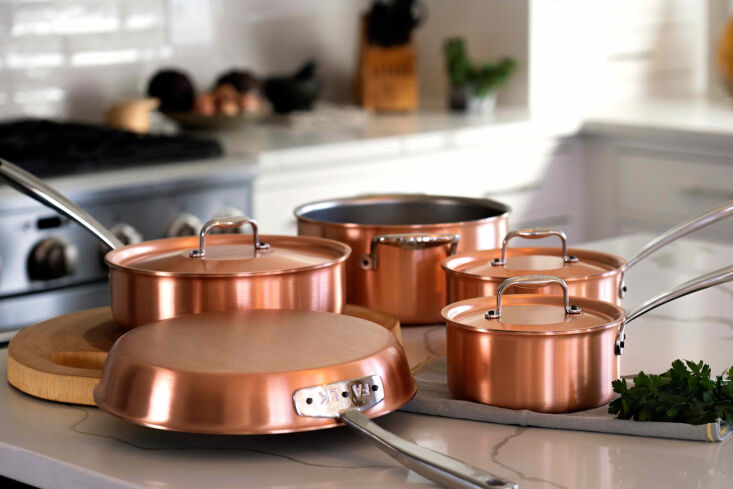
If you want the look and responsiveness of copper without the $1,500 price tag, Lagostina offers a tri-ply construction (Copper-Aluminum-Stainless) that performs admirably. It sits in the $800-$1,000 range for a full set, making it an excellent entry point into high-end cookware.
9. Best for Searing: Made In Copper Set
Modern stainless-cladded copper, like the Made In set, can withstand temperatures up to 800°F. This is approximately twice the thermal threshold of traditional tin-lined copper. If you plan on taking your copper pans from the stove directly into a searing hot oven for a prime rib or a tarte tatin, this is your best bet.
10. The Modern Value Choice: Viking Contemporary 4-Ply
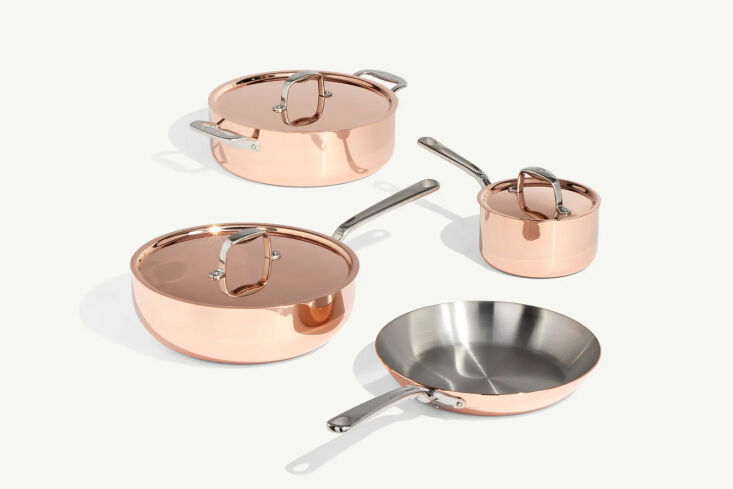
Viking’s 4-ply construction includes a layer of copper for heat distribution but focuses on a modern, stay-cool handle design and an induction-friendly base. It’s a versatile choice for a fast-paced kitchen where you need reliable performance across different heat sources.
Buying Guide: How to Choose Professional Copper
When investing in a professional set, don't get distracted by the shine. Look at the technical data.
Thickness Matters: The 2.5mm Rule
In the world of copper, thickness is the primary driver of performance.
- 1.5mm: Often found in "decorator" sets or entry-level brands. It’s light and responsive but prone to warping and hot spots.
- 2.0mm - 2.5mm: The professional sweet spot. It provides enough "thermal mass" to keep the temperature steady even when you drop a cold steak into the pan.
- 3.0mm+: Extremely heavy (often called "Fortress Copper"). Great for slow-braising but can be fatiguing for sautéing.
Lining Wars: Stainless Steel vs. Tin vs. Silver
The lining determines how you cook and how you clean.
| Lining Type | Max Temp | Pros | Cons |
|---|---|---|---|
| Tin | 450°F | Natural non-stick, traditional | Must be "re-tinned" every few years |
| Stainless Steel | 800°F+ | Durable, non-reactive, easy clean | Less non-stick than tin |
| Silver | 800°F+ | Best conductivity, non-stick | Extremely expensive |
Chef's Tip: If you are a beginner, start with stainless steel-lined copper. It’s much more forgiving of high heat. If you are a sauce specialist, the tin-lined Brooklyn or Mauviel sets will change your life.
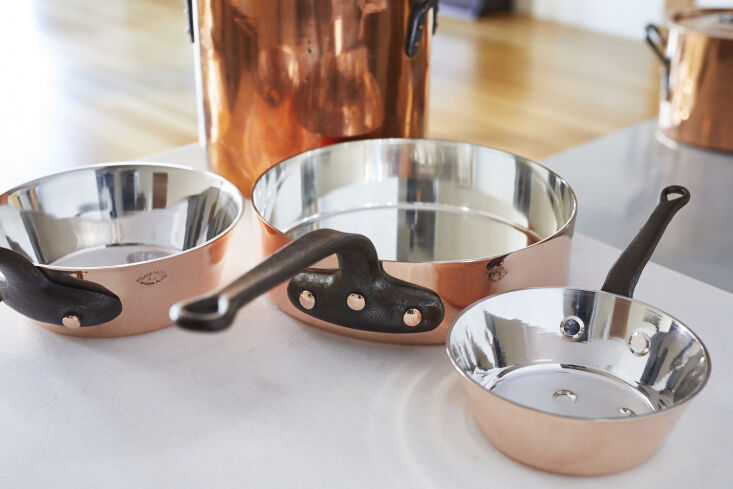
Maintenance: Caring for Your Investment
You don't "own" copper cookware; you curate it. To ensure these pans last for generations, follow these three rules:
- Hand-Wash Only: Never, under any circumstances, put real copper in the dishwasher. The harsh detergents will pit the copper and dull the lining.
- Manage Your Heat: Copper heats so efficiently that you rarely need "High" heat on your stove. "Medium" on a copper pan is equivalent to "High" on stainless steel.
- The Patina Choice: Over time, copper will develop a dark, mottled "patina." Some chefs love this look as it shows the pan is a hard-working tool. If you prefer the showroom shine, a simple paste of lemon and salt (or Wright's Copper Cream) will restore it in minutes.
FAQ
Q: Can I use copper on a glass-top electric stove? A: Yes, but ensure the bottom is perfectly flat. Heavy-gauge pans like Falk or Mauviel M250C are ideal for this as they resist warping.
Q: Why is tin-lined copper more expensive to maintain? A: Tin wears out over time (usually 5-10 years depending on use). You will eventually need to send the pan to a professional "tinner" to be stripped and wiped with fresh tin. This costs roughly $5-8 per inch of the pan's diameter.
Q: Is "Copper Core" just as good as solid copper? A: Not quite. A 2.5mm solid copper pan will always react faster than a cladded pan with a copper core. However, copper core is much easier to maintain and usually induction-compatible.
Final Thought
Choosing the right copper set for your kitchen is a balance of your cooking style and your stove technology. If you have moved to induction, the Hestan CopperBond is your clear winner. If you are a purist with a high-BTU gas range, the Mauviel M250C or the artisan Brooklyn Copper will provide a tactile cooking experience that no other material can match. Treat them well, and they will be the last pans you ever buy.