Quick Facts
- Reliability Metric: Prioritize models with removable gaskets and 13-25 inHg suction.
- Best for Bulk: Double-sealing bars are essential for heavy use.
- Shelf Life: Vacuum sealing extends freshness by 3x to 5x.
- Top Feature: Pulse vacuum mode prevents crushing delicate items.
- Maintenance: Replace gaskets annually for consistent performance.
- Direct Answer: When choosing the best vacuum sealer for food, prioritize consistent suction strength (13-25 inHg) and ease of maintenance over digital features. Look for models with removable drip trays and accessible gaskets to prevent seal failure.
Choosing the best vacuum sealer for food in 2026 requires looking beyond digital screens to core mechanical reliability. When you are evaluating these machines, prioritize consistent suction strength and ease of maintenance over flashy digital features. Look for models with removable drip trays and accessible gaskets, as trapped food residue is a primary cause of seal failure. A reliable machine should maintain performance through repeated cycles without requiring frequent cool-down periods or manual re-sealing.
For meat and heavy-use scenarios, the best vacuum sealers feature a double-sealing bar and a pulse vacuum mode. These features provide a secure airtight lock and allow manual control when handling wet foods, preventing moisture from entering the vacuum chamber. High-performance heat strips are essential for preventing oxidation and freezer burn during long-term storage of bulk-purchased proteins.
Avoid the trap of choosing models based solely on brand prestige or 'smart' displays. Many mid-tier vacuum sealers use identical internal components from shared manufacturers, so real-world reliability and serviceability are better indicators of value. For home cooks, a compact design with a proven track record for gasket durability offers the best utility for both freezer preservation and pantry organization.
Why Most Vacuum Sealers Fail: The Reliability Reality
In my years testing kitchen equipment, I have found that most consumer frustration stems from a misunderstanding of how these machines are built. The market is saturated with "white-label" products where a single manufacturer produces the internal pumps and heat strips for a dozen different brands. When you read through the best vacuum sealer for food reddit discussions, you will notice a recurring theme: machines that work perfectly for three months and then lose their "pull."
The culprit is rarely the motor itself. Instead, it is usually a compromised gasket or a clogged vacuum channel. Many budget models are designed as "closed systems," meaning you cannot easily remove the rubber gaskets to clean or replace them. When meat juices or stray crumbs get trapped under these seals, air begins to leak into the chamber. This prevents the machine from reaching the necessary negative pressure to trigger the sealing heat strip.
The easiest vacuum sealer to clean is one that features a completely removable drip tray. If you have ever sealed a marinated steak, you know that liquid inevitably gets sucked toward the pump. Without a removable tray, that moisture sits inside the machine, leading to bacterial growth and eventual mechanical failure. To ensure commercial-grade durability at home, I always recommend choosing a model where the wear-and-tear parts—specifically the gaskets and the Teflon tape over the heat strip—can be replaced by the user.
Pro-Tip: Every six months, take your gaskets out and inspect them. If they look flattened or feel brittle, they are failing. A $10 replacement gasket can save you from buying a whole new $150 machine.
Best Picks by Persona: From Hunters to Meal Preppers
Not every cook needs the same level of performance. How to choose a reliable vacuum sealer depends largely on your volume and the types of food you preserve.
The Hunter and Bulk Buyer
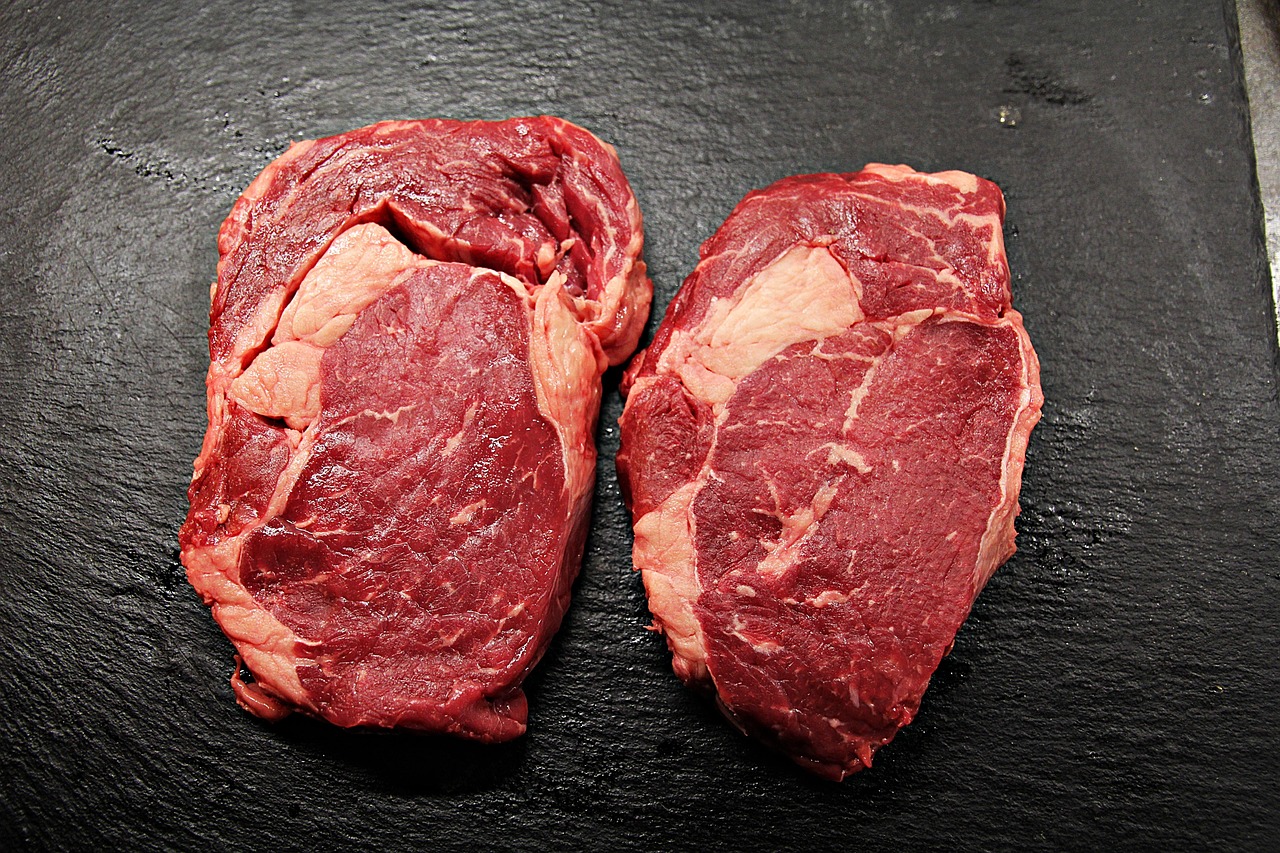
If you are processing half a cow or a season's worth of venison, you need the best vacuum sealer for heavy use. These users should look for machines with large cooling fans and a double sealing bar. While a single seal is often sufficient for dry goods, the best food vacuum sealer for meat creates two distinct lines of defense. If one seal fails due to a tiny bit of moisture or grease, the second one holds the vacuum. This is critical because the average American family of four wastes approximately $1,500 worth of food annually, and losing a bulk purchase to freezer burn is a significant financial hit.
The Modern Meal Prepper
For those focusing on the best vacuum sealer for food prep 2026 trends, sous vide compatibility is the priority. You want a machine that offers high suction strength but also precision control. A pulse vacuum mode allows you to stop the suction the moment the air is removed but before the bag crushes your delicate salmon fillet or marinated chicken. Reliability here means the machine can handle 10-15 bags in a row on a Sunday afternoon without overheating.
The Apartment Cook
Space is at a premium for many, making the best compact vacuum sealer for food a top priority. These models often sacrifice the built-in bag cutter and roll storage to save counter space. However, they are excellent for best vacuum sealer for pantry organization tasks, such as resealing bags of flour, nuts, or coffee beans to prevent oxidation control issues.
The Technical Benchmark: What Makes a 'Best' Seal?
When I evaluate a machine for the best vacuum sealer for food title, I look at three specific metrics: suction power, seal thickness, and recovery time.
Suction power is measured in inches of Mercury (inHg). A standard home machine usually pulls between 13 and 17 inHg. However, high-end models can reach 24-28 inHg, which is closer to commercial-grade performance. This higher pressure is what ensures the best vacuum sealer for long term food storage actually removes enough oxygen to prevent aerobic bacteria from growing.
| Feature | Entry-Level | Mid-Range | Commercial-Grade |
|---|---|---|---|
| Suction Strength | 13-16 inHg | 17-23 inHg | 24-28 inHg |
| Seal Thickness | 2mm single | 3mm single | 5mm double |
| Noise Level | 82-85 dBA | 76-80 dBA | 70-74 dBA |
| Heat Strip | Standard | Heavy Duty | Constant-Heat |
Seal thickness also matters. A thin, 2mm seal is prone to failure if the bag is jostled in the freezer. A thicker 3mm to 5mm seal provides much better freezer burn prevention. Furthermore, check the heat strip performance; it should be able to melt through a bag even if there is a slight film of moisture on the plastic.
Moisture & Safety: Sealing Wet Foods and Produce
The biggest challenge for any machine is managing liquids. When the vacuum pump starts, it pulls everything toward the seal—including juices. This is where the best vacuum sealer for wet food proves its worth. These machines usually have a dedicated "Moist" setting that increases the heat and duration of the sealing cycle to ensure a bond even if the plastic is damp.
I always recommend the Paper Towel Trick for wet meat. Fold a paper towel into a narrow strip and place it inside the bag, just below the sealing area. The towel acts as a dam, absorbing moisture before it reaches the heat strip, ensuring a perfect seal every time.
You must also be aware of food safety. While vacuum sealing can extend the shelf life of perishable foods by 3 to 5 times, it is not a substitute for refrigeration or freezing. Some vegetables, like broccoli, cauliflower, and cabbage, emit ethylene gas when stored. If you vacuum seal them without blanching them first, the gas will cause the bag to expand, and the food will spoil quickly.
Maintenance Checklist for Long-Term Value
To keep your machine performing like the best vacuum sealer for food, follow this simple maintenance routine:
- Wipe the Gaskets: After every use involving wet food, wipe the upper and lower gaskets with a damp cloth.
- Leave it Unlocked: When storing the machine, do not click the lid into the locked position. Constant pressure will flatten the gaskets, ruining the seal over time.
- Check the Heat Strip: If you notice the bags are melting through or not sealing at all, check the brown Teflon tape. If it is burnt or torn, it needs to be replaced.
- Sanitize the Drip Tray: If your model allows it, run the drip tray through the dishwasher once a week to prevent mold.
By focusing on these mechanical realities rather than fancy LED screens, you will find a machine that saves you money and reduces waste for years to come.
FAQ
What is the best food vacuum sealer to buy?
The best food vacuum sealer to buy is one that matches your specific usage volume and offers replaceable parts. For most home cooks, a mid-range model with at least 20 inHg of suction strength and a removable drip tray provides the best balance of performance and longevity. Look for brands that offer easy access to replacement gaskets to ensure the machine lasts beyond its initial warranty period.
What vacuum sealer does America's Test kitchen recommend?
America's Test Kitchen has historically recommended models that offer consistent suction and intuitive controls, often favoring the FoodSaver V4400 or the Nesco VS-12. They emphasize the importance of the machine's ability to handle repeated sealing cycles without the heat strip overheating and its performance with both dry and moist foods.
What are the disadvantages of vacuum sealing food?
The primary disadvantages include the initial cost of the machine and the ongoing expense of specialized plastic bags. Additionally, vacuum sealing can give a false sense of security; it does not replace the need for refrigeration or freezing for perishables. There is also a risk of crushing delicate foods if the machine lacks a pulse vacuum mode, and certain vegetables can spoil faster due to gas emission if not blanched before sealing.
What foods should you not vacuum seal?
You should not vacuum seal soft cheeses like brie or camembert, as they can support the growth of anaerobic bacteria. Raw mushrooms, garlic, and cruciferous vegetables (like broccoli and cabbage) should also be avoided unless they are blanched first, as they release gases that will cause the bag to inflate and the food to rot.
What is the number one food vacuum sealer?
While the "number one" choice depends on your needs, the Nesco VS-12 is widely considered the best all-around performer for home use due to its double-vacuum pump and adjustable seal settings. For heavy-duty use, commercial-style units like the Weston Pro-2300 are frequently cited as the gold standard for durability and suction power.