Quick Facts
- Direct Answer: Architectural lighting is a structural design element that defines spatial atmosphere and visual comfort through the strategic integration of light and architecture. To avoid project compromise, it should be planned during the initial concept stages.
- Sustainability: Use of recycled aluminum results in a 95% energy saving compared to new raw materials.
- Precision: Features 1% precision dimming and XXS 35mm footprints for minimal visual clutter.
- Atmosphere: Bespoke 2400k warmth options specifically engineered for high-end retail and residential moods.
- Manufacturing: Melbourne-based design utilizing 100% plastic-free packaging and non-toxic finishes.
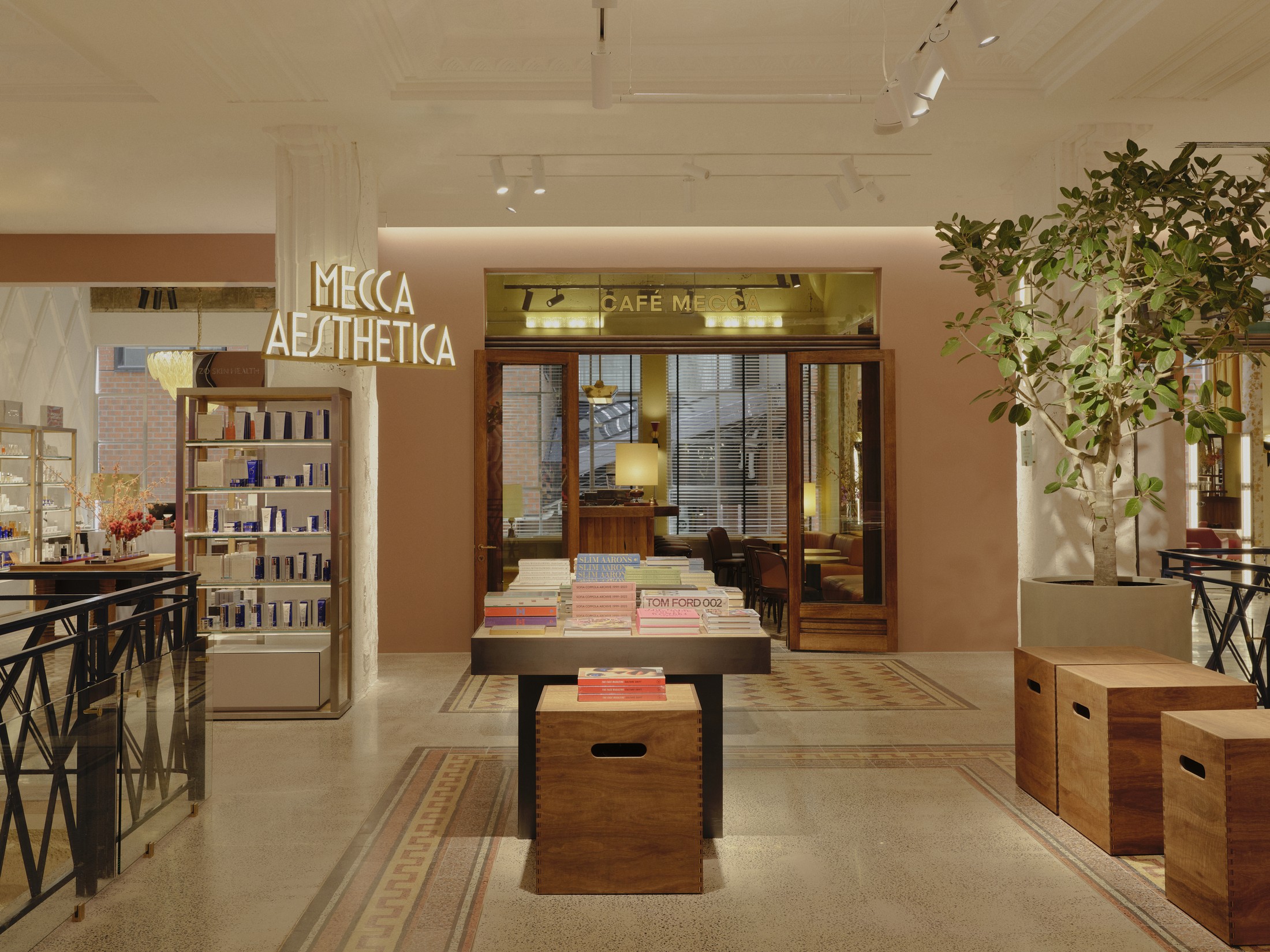
- Legacy: Specified by premier Australian brands including Aesop and Mecca Flagships.
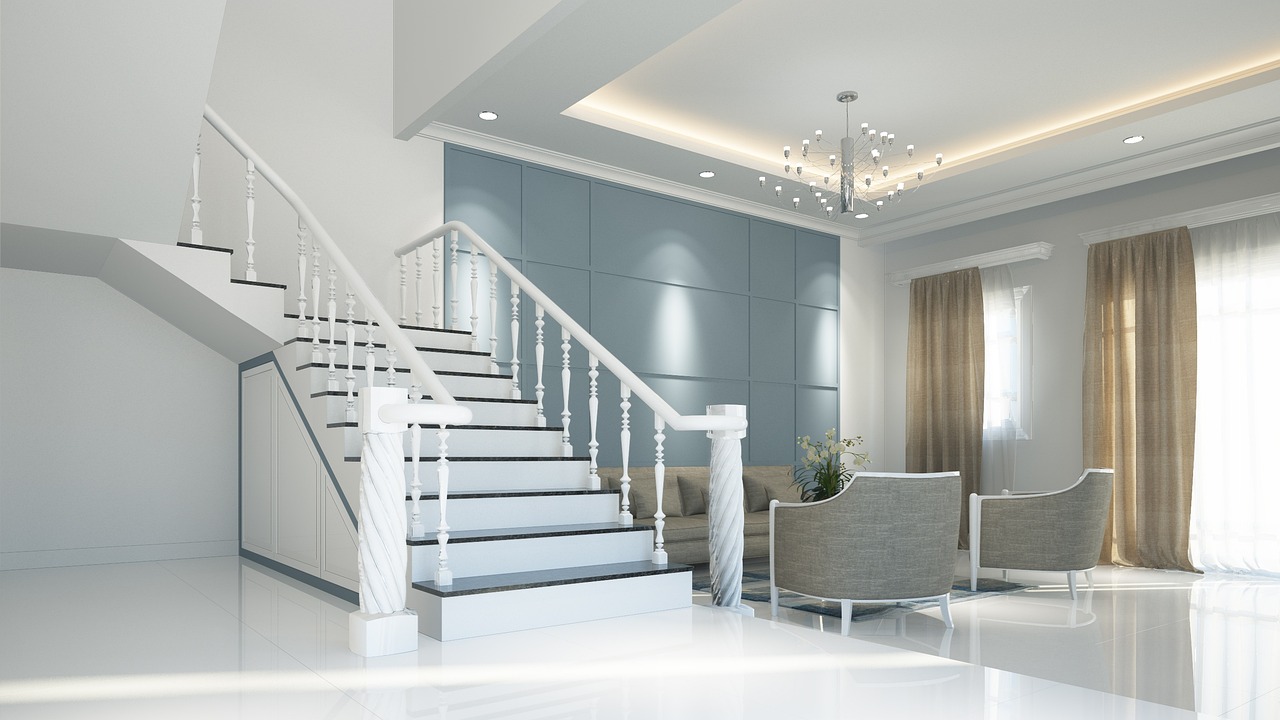
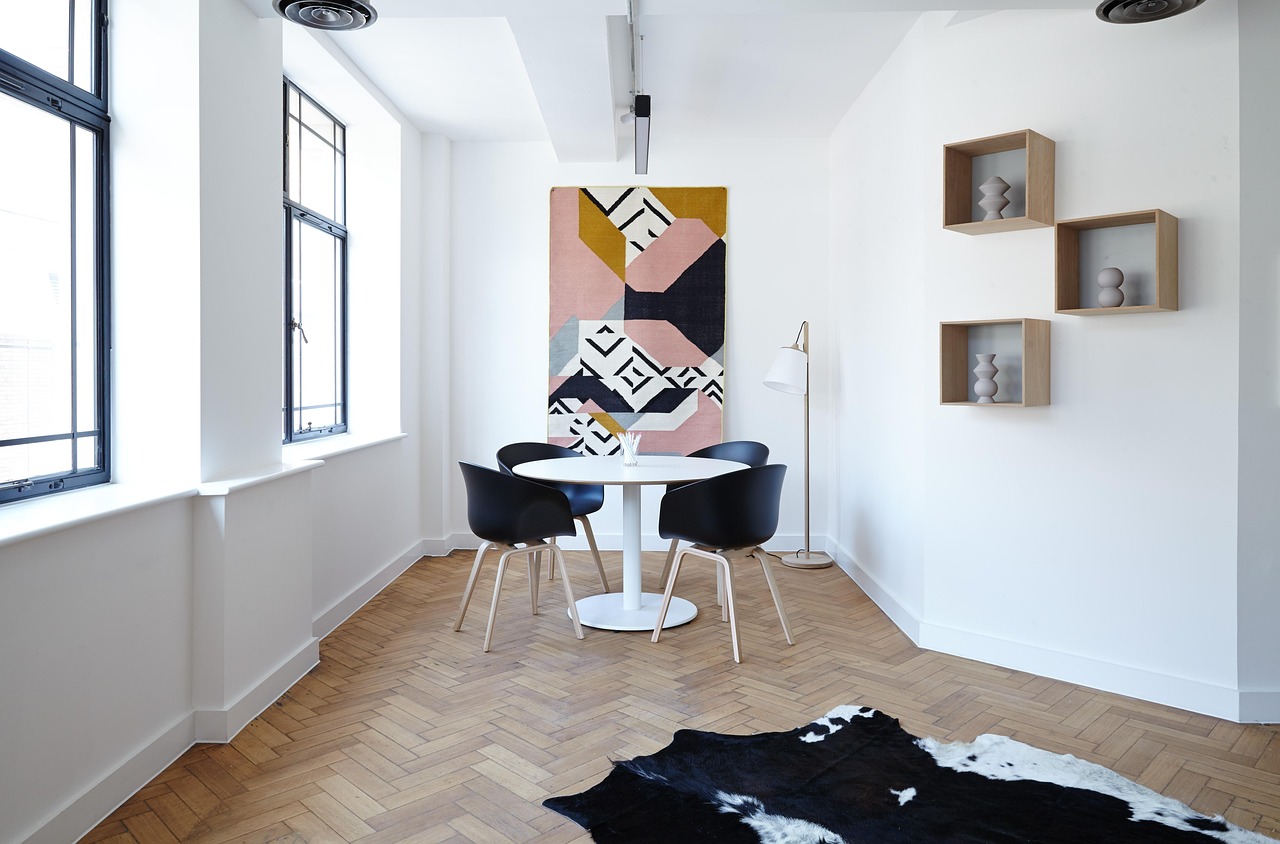
Architectural lighting is a critical element that defines spatial atmosphere and visual comfort. When integrated early in the planning stages rather than as an afterthought, it ensures seamless alignment between interior design and technical performance. Melbourne-based brand Andro emphasizes this logic by creating luminaires that harmonize with architectural materials like raw brass and steel, providing both uniformity and creative expression for complex projects.
The Afterthought Trap: Why Early Architectural Lighting Planning Stages Matter
In my years as an editor focusing on sustainable living, I have seen breathtaking interiors ruined by a common mistake: treating lighting as a finishing touch rather than a foundation. When architectural lighting is ignored until the final weeks of a build, it becomes an imposition on the space.
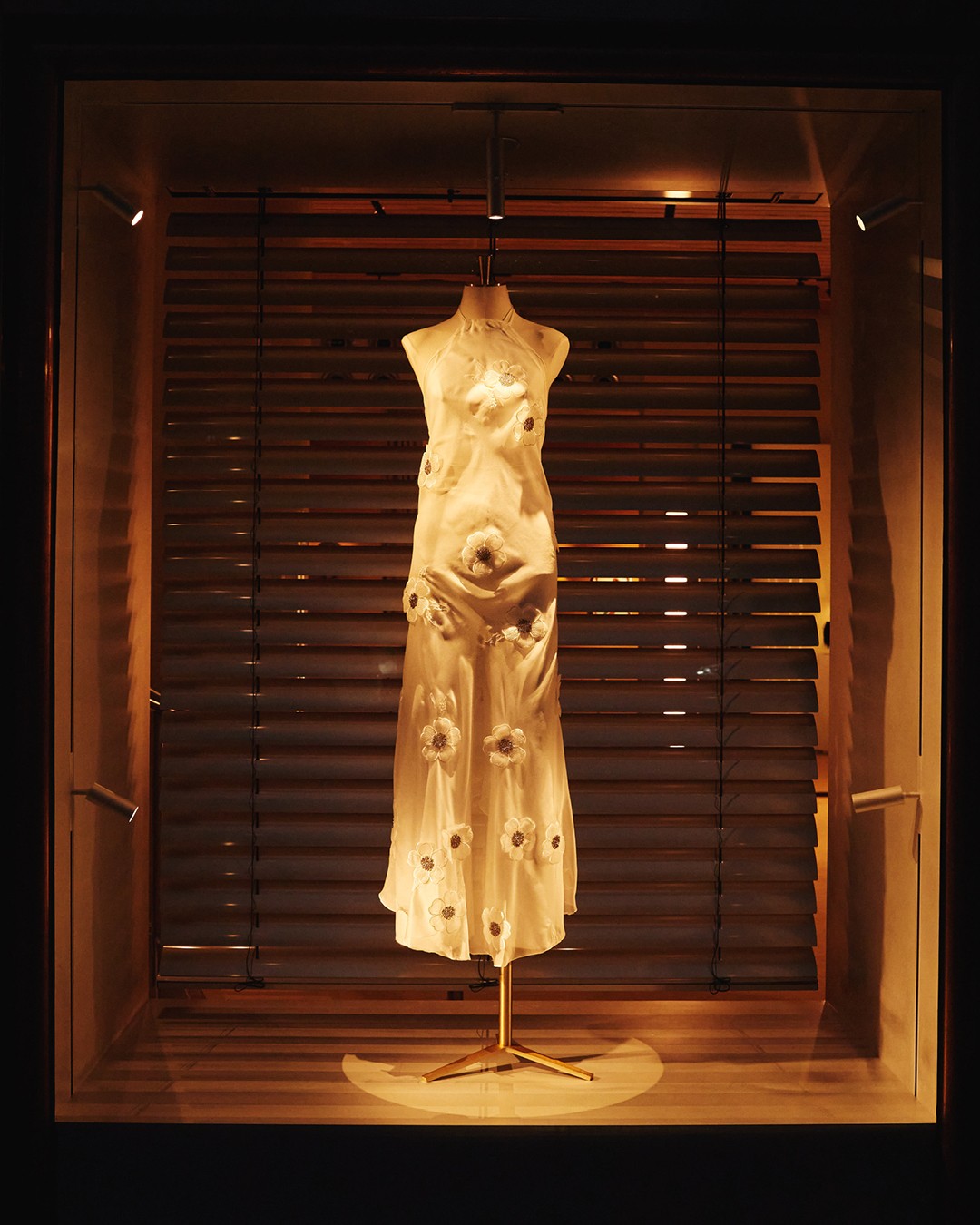
You might spend thousands on hand-finished timber or rare stone, only to have a late-stage lighting choice wash out the textures or create jarring glare. This is the afterthought trap. True architectural lighting design is about empathy for the space. It should listen to the walls, the corners, and the materials before a single fixture is installed.
By prioritizing architectural lighting planning stages during the early blueprint phase, you allow for structural integration. This means cabling is hidden, recessed profiles are accounted for, and the light becomes part of the building’s DNA. The result is a spatial atmosphere that feels natural and effortless rather than forced.
Material Honesty: Sustainable Architectural Lighting Materials
The shift toward sustainable living requires us to look beyond just energy efficiency. We must evaluate where our luminaires come from and what they are made of. This is where the concept of material honesty becomes vital. The Melbourne-born Andro range represents a shift toward circular manufacturing.
The manufacturing process of the Andro lighting range utilizes recycled aluminum, which results in a 95% energy saving compared to the production of luminaires using new raw materials. This is a staggering statistic for any developer looking to reduce the carbon footprint of a project.
As leading architectural lighting manufacturers australia, the team behind Andro has introduced the Nude range. These products bypass the chemical-heavy powder coating process, offering raw brass finishes and brushed steel. This approach highlights the natural beauty of the metal while ensuring no toxic components enter the ecosystem.
| Material Component | Energy/Environmental Impact | Sustainability Metric |
|---|---|---|
| Recycled Aluminum | Low Carbon Footprint | 95% Energy Saving |
| Raw Brass / Steel | Zero Toxin Finishes | 100% Recyclable |
| Packaging | Plastic-Free | Compostable/Recyclable |
| Components | Modular Design | Field-Replaceable |

Performance Engineering: Precision Optics in the Andro Range
While the aesthetic of architectural lighting fixtures is important, the engineering determines the user experience. Lighting accounts for approximately 20% of a building's total energy consumption, making efficiency a primary factor in modern design.
The Andro range utilizes performance optics to ensure light is delivered exactly where it is needed, without spill. This is achieved through minimalist architectural lighting fixtures with an XXS 35mm footprint. These micro-luminaires disappear into the ceiling plane, maintaining the purity of the architecture while providing immense power.
For high-end retail fit-outs, the ability to control mood is everything. The range offers bespoke luminaires with 2400k warmth, mimicking the soft glow of a candle rather than the clinical blue of standard LEDs. Combined with 1% precision dimming and 48V modular track systems, this led architectural lighting allows for a scalable environment that can grow with the needs of a brand like Aesop or Mecca.

Installation Logic: Improving the Project Lifecycle
A project's success often falls on the shoulders of the contractors on site. If a system is difficult to install or maintain, its lifecycle sustainability is compromised. In commercial environments, the cost of employment typically outnumbers lighting operation costs by a ratio of 150 to one. This means that even a 1% increase in productivity from optimized architectural lighting can significantly enhance overall business profitability.
The Andro series applies installation logic to reduce friction. By using QR codes for digital manuals, the brand eliminates paper waste on construction sites. More importantly, the fixtures are designed with field-replaceable components. If a driver or a module needs updating in five years, you don't need to rip out the entire ceiling—you simply replace the part.
Here are a few architectural lighting installation tips to ensure long-term performance:
- Ensure track systems are specified with 48V modularity for easier future reconfigurations.
- Prioritize fixtures with high-grade heat sinks to extend the life of the LED chip.
- Work with architectural lighting manufacturers that provide local technical support to avoid project delays.

FAQ
What is architectural lighting?
Architectural lighting is the intersection of art and science, where light is used to enhance the form and function of a building's architecture. Unlike decorative lighting, which serves as a visual accessory, architectural lighting is often recessed or integrated into the structure to shape how we perceive space, depth, and texture.
What are the elements of architectural lighting?
The core elements include ambient lighting for general illumination, accent lighting to highlight specific textures or materials, and task lighting for functional areas. In the Andro range, these elements are refined through the use of precision performance optics, specific color temperatures like 2400k, and high-quality finishes such as raw brass.
What do architectural lighting designers do?
These professionals bridge the gap between electrical engineering and interior design. They analyze how natural light interacts with a space throughout the day and design a system that complements those patterns. They focus on visual comfort, energy efficiency, and the technical specifications required to ensure luminaires integrate perfectly with the building's materials.
What is considered architectural lighting?
Any lighting system that is permanently integrated into the building's design can be considered architectural. This includes track systems, recessed downlights, linear profiles, and bespoke luminaires that are designed to disappear into the environment or highlight specific architectural features without creating visual clutter.