Our Top Picks
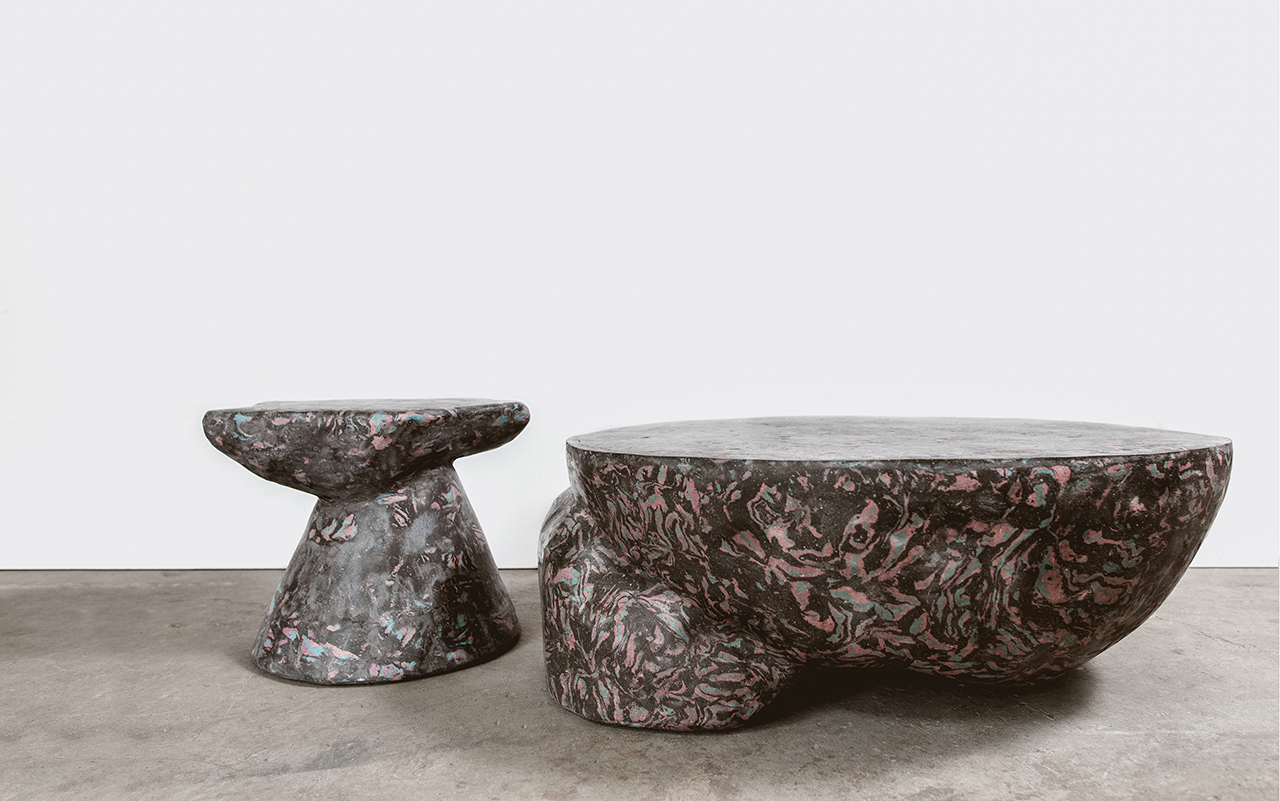
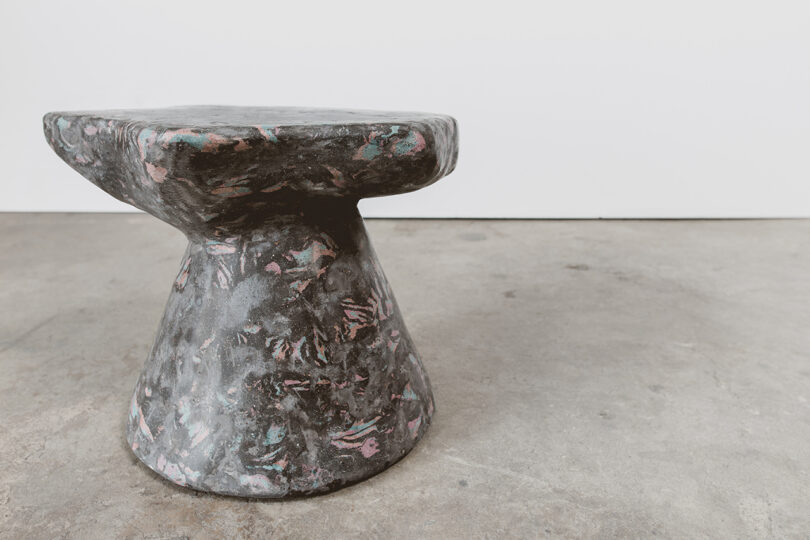
- The Plote Side Table: A geometric marvel that bridges the gap between industrial waste and high-end sculpture. Its hexagonal planes and "satin-polished" finish make it a versatile centerpiece for minimalist dwellings.
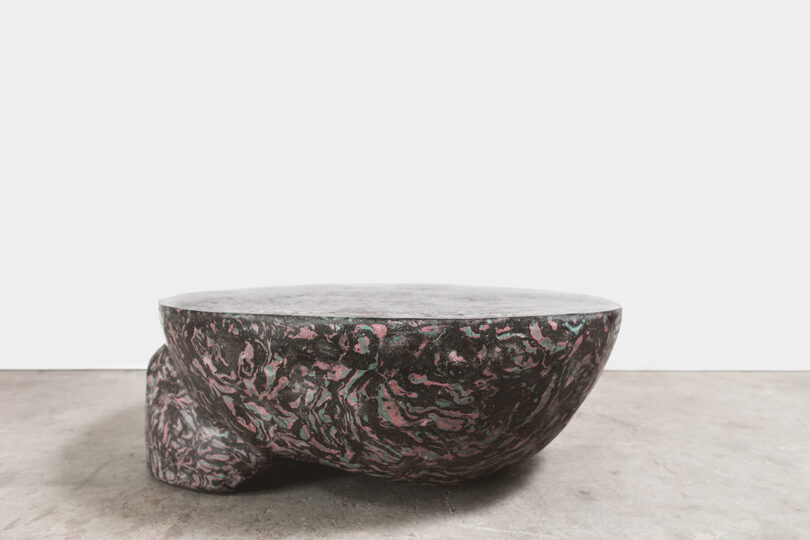
- The Prov Coffee Table: The ultimate expression of geological luxury. By intersecting half-spheres and cylinders, this piece creates a tactile narrative that anchors a living room while serving as a functional "techno relic" of the 2026 aesthetic.
In the realm of modern interior design, we are witnessing a profound shift. We no longer just look for "beautiful" objects; we look for objects that possess a soul—a history of where they came from and a vision of where they are going. This is the era of the Anthropocene, a geological epoch defined by human impact. As a decor editor, I’ve seen countless brands attempt to tackle "sustainability," but few do so with the poetic depth of Sumer Singh and his Calgary-based design house, MTHARU.
Singh’s latest collection, Plote + Prov, is more than a furniture line. It is what he calls "material archaeology." By transforming "techno relics"—the discarded waste of our construction sites and industrial processes—into functional, sculptural furniture, Singh is defining a new era of luxury. The collection centers on a breakthrough material: Neo-Scagliola. It is a sustainable reinterpretation of a Renaissance-era technique that manages to feel both ancient and futuristic.
The Renaissance Reimagined: What is Neo-Scagliola?
To understand the brilliance of the Plote + Prov collection, we must first look back to 17th-century Italy. Traditional Scagliola was a technique developed to mimic expensive marble using a combination of plaster, glue, and natural pigments. It was an artisan’s way of creating grandeur without the weight or cost of quarried stone.
Sumer Singh has taken this historical craft and catapulted it into the 21st century. His "Neo-Scagliola" replaces traditional plaster with a high-performance mix of cement, basalt fibers, and reclaimed latex paint. This isn't just a stylistic choice; it’s an environmental imperative. Traditional stone quarrying is a carbon-intensive process that leaves permanent scars on the landscape. In contrast, Singh’s Neo-Scagliola fabrication method utilizes up to 35% recycled construction waste by volume.
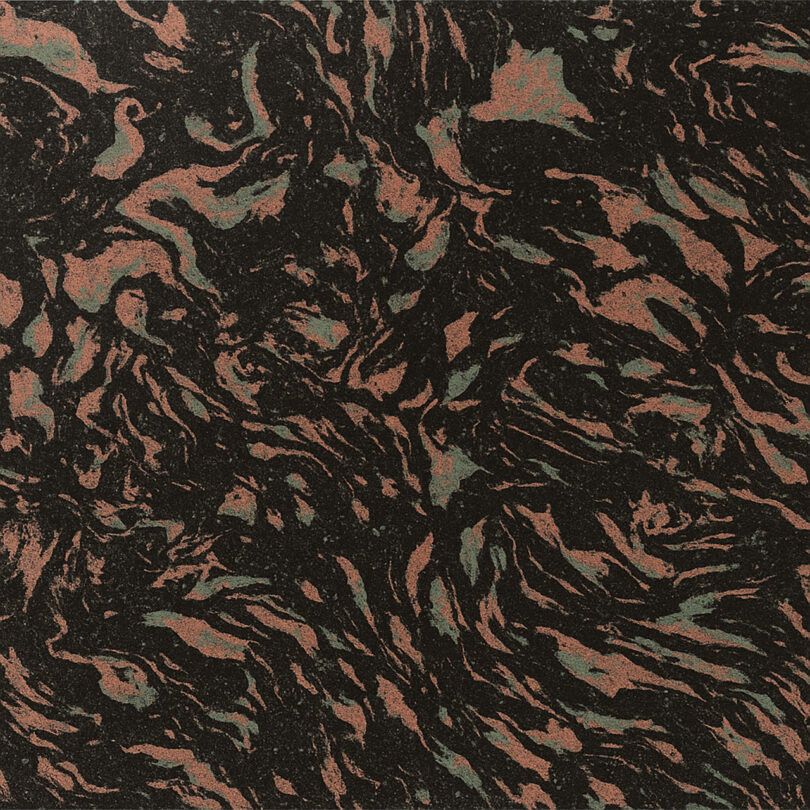
This drastic reduction in carbon footprint doesn't come at the cost of beauty. On the contrary, the reclaimed latex paint creates a depth of color and a "flecked" texture that natural marble simply cannot replicate. Each piece becomes a curated record of industrial history.
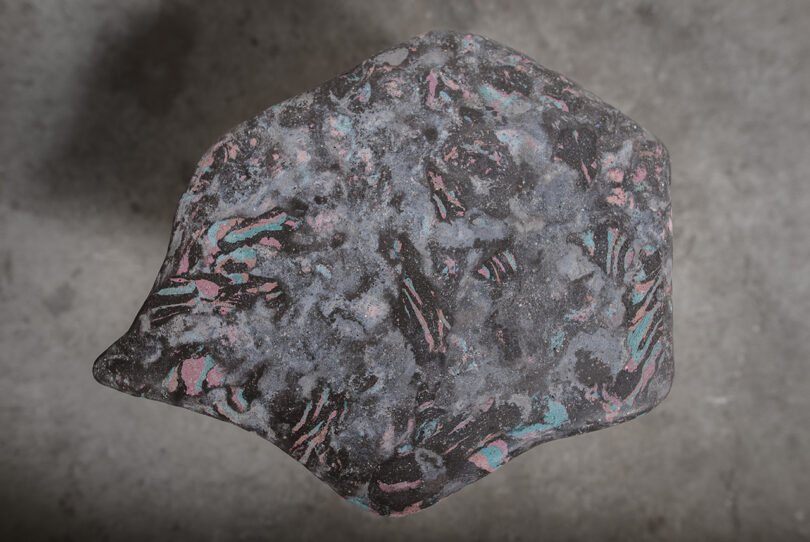
Sustainability Fact: By incorporating up to 35% recycled construction waste, MTHARU’s Neo-Scagliola significantly reduces the demand for newly quarried stone, providing a circular solution to industrial waste management.
Spotlight on the Collection: Plote and Prov
The collection is anchored by two primary forms: the Plote and the Prov. While both share the same materiality, their silhouettes offer different emotional resonances within a space.
The Plote Side Table
The Plote is a study in conical geometry and hexagonal planes. It stands like a sentinel in a room, its sharp lines softened by the organic variations in the Neo-Scagliola composite. What I find most striking about the Plote is its "satin-polished" finish. This specific finishing process reveals the hidden material histories within the mix—tiny fragments of color and fiber that whisper of their former lives as construction site surplus. It’s a piece that demands you run your hand across its surface.
The Prov Coffee Table
If the Plote is about verticality and precision, the Prov Coffee Table is about geological mass. It is a low-profile piece that explores the intersection of half-spheres and cylinders. Looking at the Prov is like looking at a cross-section of a new kind of earth. It feels heavy, grounded, and permanent. In a modern living room, the Prov acts as an anchor, its biomorphic shapes providing a necessary contrast to the rigid lines of contemporary architecture.
Why MTHARU Defines 2026 Luxury Trends
As we look toward the 2026 design landscape, the "Quiet Luxury" movement is evolving into something more meaningful: "Tactile Minimalism." It is no longer enough for a room to be understated; it must be engaging.
Market analysis for 2026 indicates a 40% increase in demand for "tactile luxury" furniture. Discerning homeowners are moving away from mass-produced, smooth surfaces in favor of pieces that incorporate organic forms and sustainable material histories. We want to feel the grain, the aggregate, and the story behind our furniture.
The Plote + Prov collection fits this preference perfectly. Its curved silhouettes and biomorphic shapes respond to our innate human desire for forms that mimic the natural world, even when those forms are crafted from the "waste" of our industrial world. This is the future of luxury: the ability to turn a "problem" (industrial waste) into a "solution" (functional art).
The Intersection of Craft and Computation
One of the most fascinating aspects of Singh’s work is how he merges ancient craftsmanship with cutting-edge technology. Achieving the level of precision seen in the Plote + Prov collection is impossible through hand-casting alone.
Singh utilizes CNC fabrication and digital milling to create the molds and finish the surfaces. This digital precision allows for the complex hexagonal planes and the seamless intersection of spheres and cylinders that define the collection. By treating waste as a high-end "raw material," MTHARU achieves a level of pattern complexity and structural integrity that rivals the finest natural stones.
This approach positions MTHARU at the vanguard of the "Functional Art" movement. These aren't just tables; they are sculptures that happen to hold your coffee. They represent a shift in how we value materials—where the "value" is derived not from the rarity of a gemstone, but from the intelligence of the process and the environmental responsibility of the creator.
2026 Trend Insight: Expect to see a surge in "Geological Brutalism"—design that uses heavy, earth-toned materials and industrial byproducts to create a sense of permanence and environmental consciousness.
Final Thoughts: The Legacy of Sustainable Luxury
Designing for the Anthropocene requires a radical imagination. It requires us to look at a bucket of discarded latex paint or a pile of cement dust and see the potential for a masterpiece. Sumer Singh has that imagination.
The Plote + Prov collection is a testament to the idea that luxury and sustainability are not mutually exclusive; they are, in fact, increasingly synonymous. As we curate our homes for the future, the most valuable pieces will be the ones that tell a story of restoration. MTHARU isn't just making furniture; they are making a statement about how we can live beautifully in a changing world.
FAQ
What is the difference between traditional Scagliola and Neo-Scagliola? Traditional Scagliola uses a base of selenite (plaster) and animal glue to mimic marble. Neo-Scagliola, developed by Sumer Singh, uses a contemporary composite of cement, basalt fibers, and reclaimed latex paint. This makes it significantly more durable and allows for the integration of modern industrial waste.
How durable is furniture made from recycled construction materials? Extremely durable. The inclusion of basalt fibers provides high tensile strength, making Neo-Scagliola pieces resistant to cracking and chipping. The "satin-polished" finish also creates a non-porous surface that is easy to maintain in a residential setting.
Where can the Plote + Prov collection be viewed? The collection is available through MTHARU’s official website and select high-end design galleries that specialize in functional art and sustainable luxury. Custom finish options are often available to suit specific interior palettes.