In the world of interior design, we often talk about the "Goldilocks" piece—that elusive item of furniture that isn’t too rigid, isn’t too trendy, and feels just right the moment you sit down. For years, the hunt for the perfect mid-century modern dining chair has led many of us down two paths: the uncomfortable, spindly vintage authentic or the soul-less, mass-produced replica. However, a new contender has emerged that bridges the gap between mid-century heritage and contemporary ergonomics.
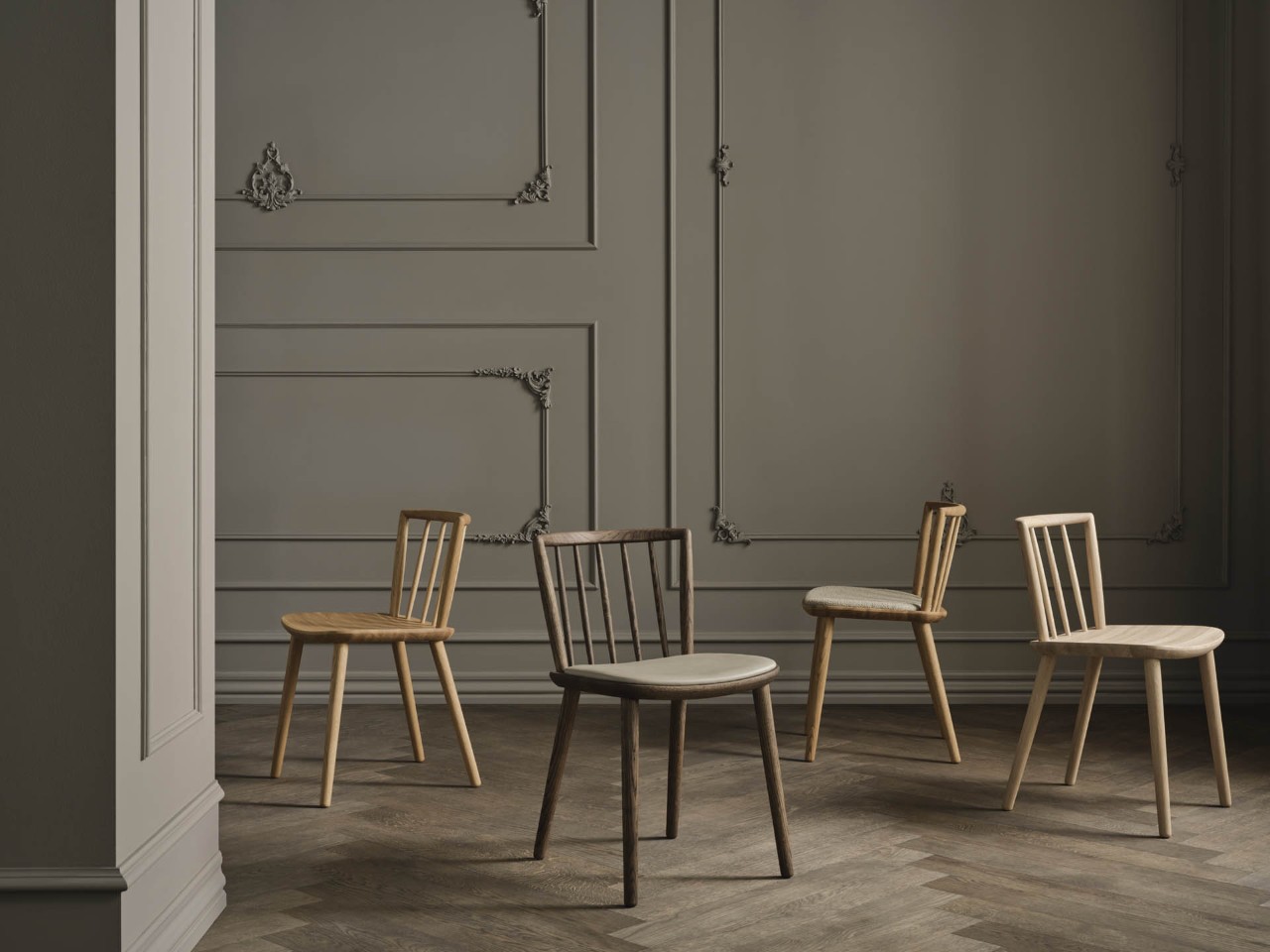
The Éter Chair, designed by the acclaimed Ramón Esteve for the Danish design house Bolia, is a masterclass in what I like to call "softened modernism." Crafted from 100% solid oak, it avoids the cold, clinical feel of many minimalist designs, opting instead for a silhouette that honors Danish craftsmanship while embracing the human form. Whether you are a die-hard lover of the 1950s aesthetic or a homeowner looking for a durable, heirloom-quality piece for a 2026-ready interior, the Éter Chair offers a rare blend of structural integrity and visual lightness.
The Design Philosophy: A Softened Take on a Danish Classic
To understand why the Éter Chair is making waves in the design community, we have to look at its origins. Ramón Esteve, known for his architectural approach to furniture, didn't just want to create another chair; he wanted to reinterpret the rigid, often sharp-edged silhouettes of the mid-century era. Traditional Danish chairs from the 1950s, while beautiful, were often designed for a "sit up straight" era.
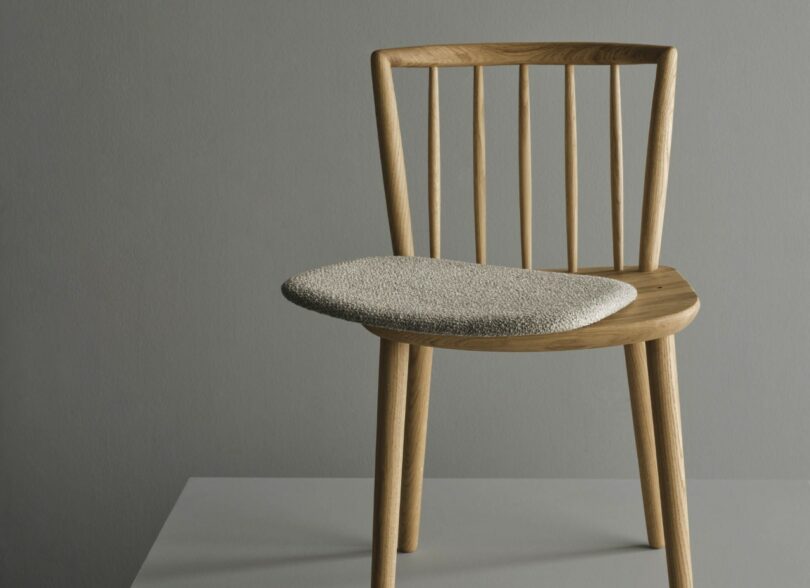
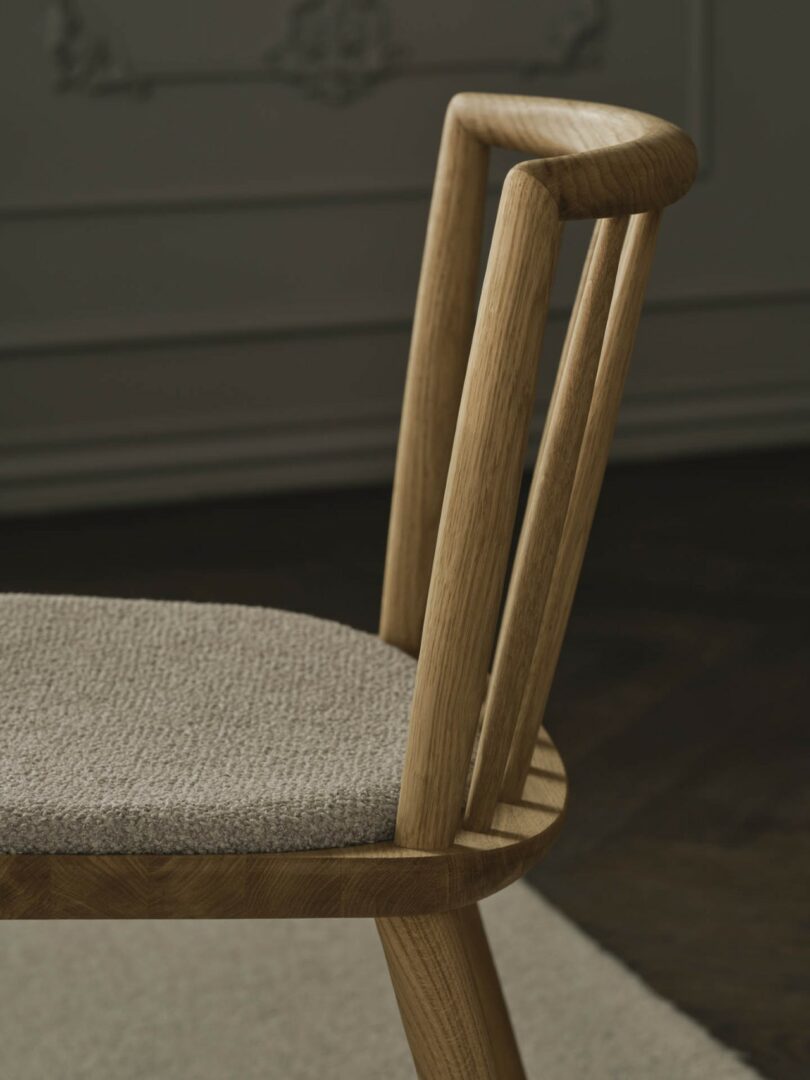
The Éter Chair introduces what designers call a "Softened Form." This is characterized by rounded legs that feel organic to the touch and a backrest arc that is precision-sculpted to mirror the natural curve of the human spine. Unlike standard mid-century replicas that prioritize the "look" over the "feel," the Éter’s ergonomic backrest provides superior lumbar support specifically designed for extended stays. In my testing, this is a chair you can comfortably remain in for over 2 hours—making it ideal for those long, wine-filled dinner parties that we all cherish.
Editor’s Tip: When evaluating a dining chair, look at the transition points where the legs meet the seat. In the Éter Chair, these joints are fluid and tapered, a hallmark of high-end craftsmanship that distinguishes it from cheaper, bolt-together alternatives.
Material Matters: Why Solid Oak Outlasts the Replicas
In an era of "fast furniture," the choice of material is the ultimate litmus test for quality. Most mid-century modern chairs found in big-box stores are constructed from plywood or MDF with a thin veneer of oak or walnut. While these look fine in a catalog, they lack the soul—and the lifespan—of the real thing.
The Éter Chair is constructed from 100% solid oak. This isn't just a luxury flex; it's a structural necessity. Solid oak construction ensures a structural lifespan that significantly exceeds standard veneer-based replicas. While a veneer chair might start to peel or chip at the edges after three to five years of heavy use, solid oak ages with grace. It can be sanded down, refinished, and passed down through generations.
Solid Oak vs. Veneer Replicas: A Comparison
| Feature | Éter Chair (Solid Oak) | Standard MCM Replica (Veneer) |
|---|---|---|
| Durability | High; resistant to deep scratches | Low; surface damage is permanent |
| Aging | Develops a rich patina over time | Often fades or peels at the edges |
| Weight | Substantial and stable | Lightweight, often prone to wobbling |
| Sustainability | Renewable and long-lasting | Often ends up in landfills within 5 years |
| Maintenance | Can be sanded and re-oiled | Only surface cleaning possible |
The warmth of Scandinavian natural materials is palpable here. When you run your hand along the grain of the Éter Chair, you feel the density and history of the wood. It brings an earthy, grounding element to a room that synthetic materials simply cannot replicate.
Versatility: From Family Dining to High-End Commercial Spaces
One of the most impressive feats of Ramón Esteve’s design is its versatility. Often, a chair is either "too domestic" for a restaurant or "too commercial" for a cozy dining room. The Éter Chair sits perfectly in the middle.
For residential use, it is a sturdy companion for family life. It can withstand the rigors of daily use by children and pets while maintaining its sophisticated profile. However, its durability and stackable-friendly silhouette also make it a favorite for commercial spaces like upscale cafés, boutique hotels, and restaurant lounges.
Bolia offers several customization options to help the chair fit your specific environment:
- The All-Wood Version: Best for a clean, minimalist Scandi-look or high-traffic areas where easy cleaning is a priority.
- The Upholstered Seat: An optional addition that introduces another layer of comfort and a pop of texture. You can choose from a range of OEKO-TEX® certified fabrics or traceable leathers.
- Finish Options: From light "White Pigmented" oak for a bright, airy feel to darker "Smoked" stains for a more formal, moody atmosphere.
Styling the Éter Chair in a 2026 Interior
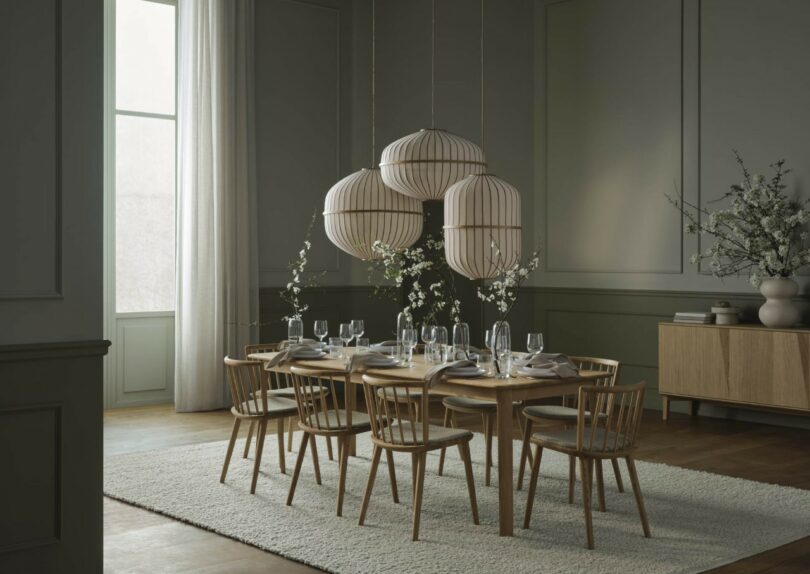
As we look toward 2026, the "Mad Men" trope of perfectly matched teak sets is officially a thing of the past. Today’s most compelling interiors are about layered textures and "curated tension"—mixing different eras and materials to create a space that feels lived-in.
To style the Éter Chair effectively, avoid the "showroom look." Instead of pairing them with a matching oak table, try these expert combinations:
- The Stone & Oak Mix: Pair the light oak chairs with a heavy travertine or marble dining table. The contrast between the warm wood and the cool stone is timelessly elegant.
- Organic Textures: If you choose the upholstered Éter Chair, look for bouclé or heavy-weave linen fabrics. These organic textures soften the architectural lines of the chair.
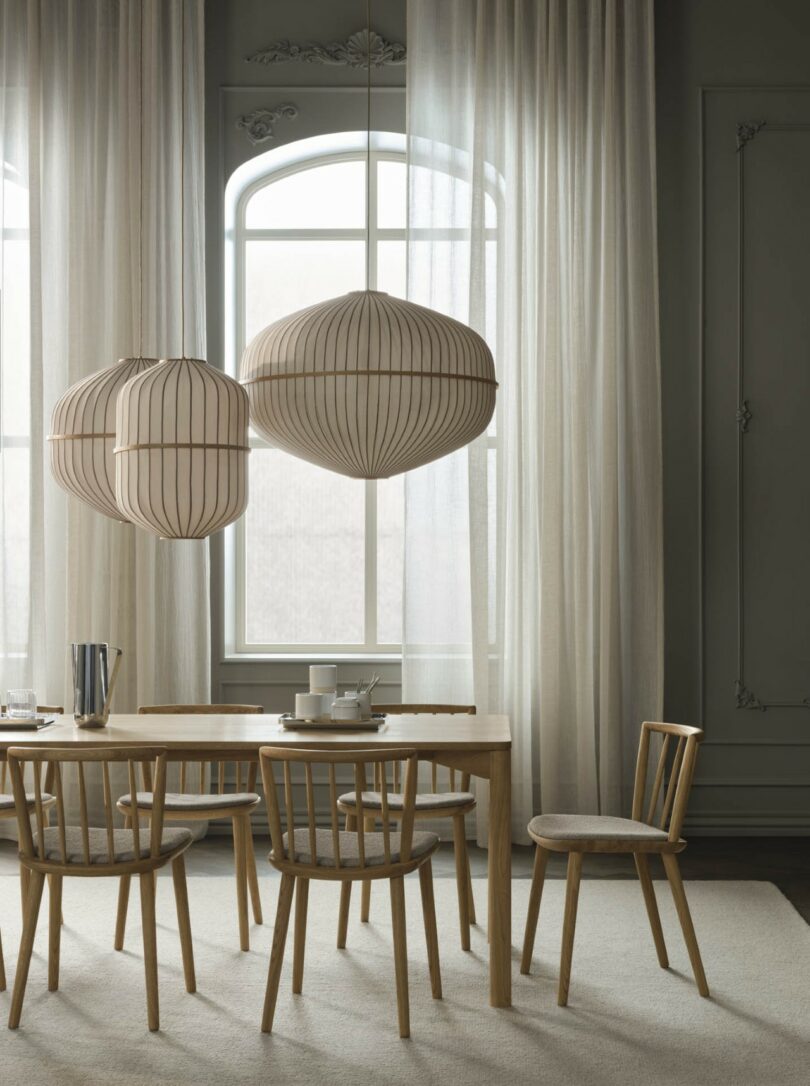
- Architectural Play: In a room with arched windows or curved walls, the rounded legs and backrest of the Éter Chair create a beautiful visual echo, reinforcing a sense of harmony in the space.
Choosing the right finish is also crucial. If you're working with a small, sun-drenched apartment, the White Pigmented Oak will help bounce light around the room. If you’re aiming for a sophisticated, mid-century lounge vibe, the Smoked Oak paired with velvet drapes creates an instant sense of luxury.
The Investment Perspective: Deal or No Deal?
When we talk about designer furniture, we have to talk about investment. It is tempting to buy a $150 replica that looks "close enough." However, from an interior editor's perspective, that is often a false economy.
Authentic designer pieces like the Éter Chair retain their value. If you look at benchmarks on sites like 1stdibs, well-maintained Danish-inspired solid wood pieces often sell for 70-80% of their original price even a decade later. Replicas, conversely, have a resale value of near zero.
More importantly, the cost-per-use of the Éter Chair is significantly lower. Because of its 100% solid oak construction and precision engineering, it won't need to be replaced in five years. You are paying for the design expertise of Ramón Esteve and the manufacturing standards of Bolia—a brand committed to the "New Scandinavian Design" movement, which emphasizes sustainability and slow production.
FAQ
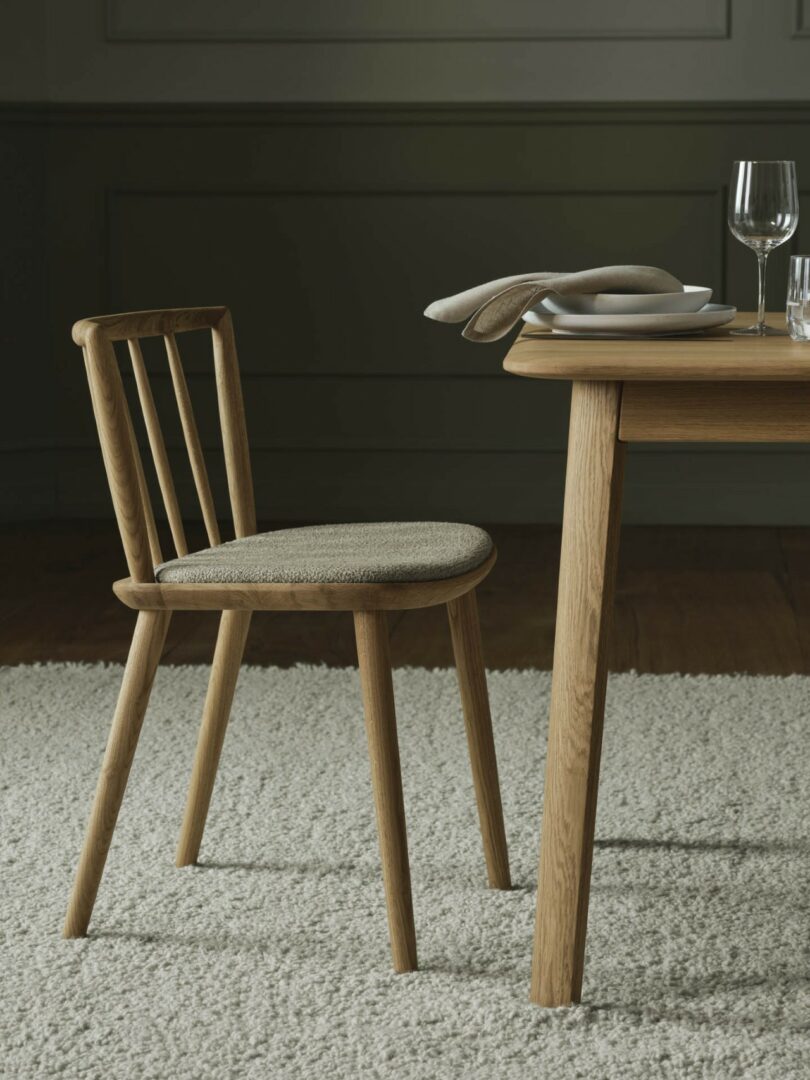
What makes the Éter Chair different from traditional Danish chairs? While traditional 1950s Danish chairs often feature sharp angles and thin, delicate frames, the Éter Chair utilizes "softened forms." The legs are more rounded, and the backrest is wider and more anatomically sculpted, providing a level of comfort that vintage models often lack.
Is the Éter Chair comfortable for long dinner parties? Yes. Unlike many wooden chairs that cause fatigue after 30 minutes, the Éter Chair’s backrest arc is precision-sculpted for lumbar support. It is specifically designed to remain comfortable for stays of over 2 hours, especially if you opt for the upholstered seat version.
How do I maintain and clean solid oak seating? Solid oak is incredibly durable. For daily cleaning, a soft, damp cloth is all you need. For long-term maintenance, we recommend treating the wood with a high-quality furniture oil once or twice a year to keep the grain hydrated and prevent it from drying out in air-conditioned or heated environments.
Final Thoughts
The Éter Chair is more than just a place to sit; it is a testament to the idea that we don't have to choose between the beauty of the past and the comfort of the present. By combining Ramón Esteve's architectural vision with Bolia's craftsmanship, this chair has secured its spot as a modern icon. If you are looking for a piece that brings warmth, durability, and a "just right" feeling to your home, your search likely ends here.