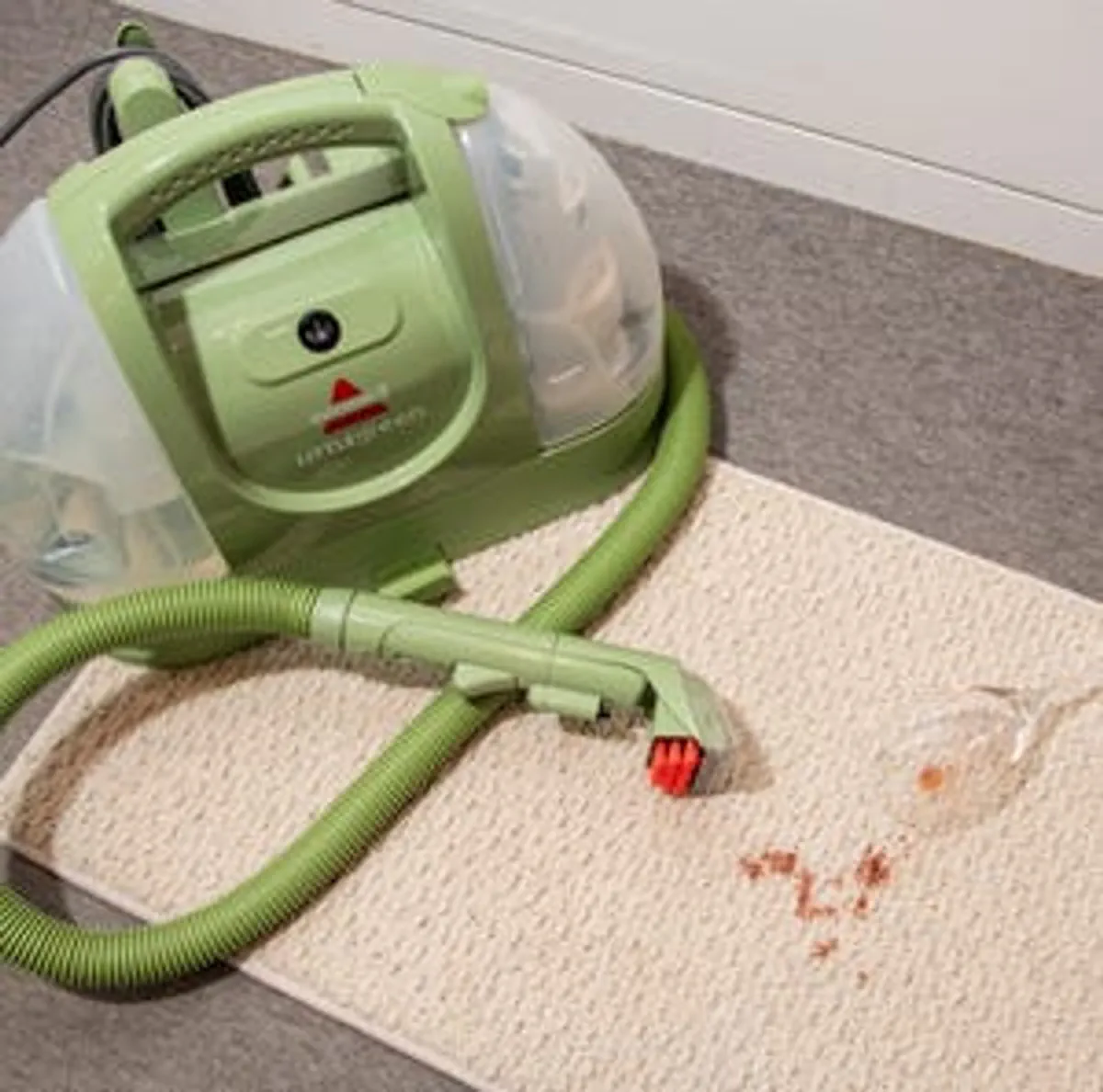
Vacuum first, pretreat any stains, then run a rented carpet cleaner in slow, overlapping passes with hot water and a compatible cleaning solution, finishing with a dry rinse pass. Plan 6–10 hours of drying time and clean the carpet at least a day before your move-out walkthrough so the floors look and smell fresh when they need to.
A rented carpet cleaner can make a real difference on move-out day, especially if your lease, sale contract, or landlord expects clean floors. The machines are heavy-duty enough to lift ground-in traffic patterns, pet spots, and drink stains that vacuuming alone can't touch, and a single day's rental is far cheaper than paying a pro or losing part of a security deposit. The job itself is straightforward: vacuum thoroughly, pretreat the worst spots, run the machine in slow overlapping passes, then give the carpet time to dry before anyone walks on it.
Spot-cleaning capability matters when you need to refresh high-traffic areas before turning the keys back over.
Before you start: check the carpet and the lease
Take five minutes to look at care labels or any documentation that came with the carpet. Most wall-to-wall carpet tolerates water-based cleaning, but area rugs labeled S, W/S, X, or made from silk, wool, or natural fibers can be damaged by a wet machine. If anything looks delicate, dry-clean or spot-treat it instead of running the rental over it. This is also the moment to reread your lease or purchase agreement, because some landlords and buyers expect professional proof of cleaning rather than a DIY job.
What to confirm before renting
Check the rug or carpet care codes so you don't soak something that needs solvent-only treatment.
Count the rooms and stairs so you know whether one rental day is enough.
Confirm what cleaning solution the rental shop sells or allows; many machines require a specific brand.
Decide whether the cost of renting plus your time is worth it versus a $180 professional visit.
Step-by-step: using the rental correctly
Move-out carpet refresh with a rented machine
01
Clear the room first
Move furniture out entirely if you can; anything you leave in place, wrap the legs in aluminum foil to keep the wet carpet from staining wood or rusting metal. Save the carpet for last so dust from baseboards, walls, and shelves doesn't fall onto a freshly cleaned surface.
02
Vacuum thoroughly before any water touches the carpet
Run two or three passes with the vacuum, including a crevice tool along the baseboards. Anything left on the surface gets pushed deeper into the fibers once the machine starts spraying.
03
Pretreat stains and pet spots
Apply a commercial carpet shampoo or stain remover to any visible spots and let it sit for the time on the label. For pet urine or other odor issues, use an enzymatic cleaner or a 50/50 mix of white vinegar and water to neutralize the smell before the machine reaches it.
04
Fill the machine with hot water and the correct solution
Detach the clean water tank, fill to roughly the ¾ line with hot tap water, then add the cleaning solution specified for your machine. Some units have separate tanks; others mix in one. Use only carpet-cleaner formulas; household detergents create foam that can damage the pump.
05
Choose the right setting and start in the far corner
Set the machine to regular carpet cleaning (not hard-floor mode) and turn on both the power and the heater. Begin in the corner farthest from the door so you can work backward and never step on damp carpet.
06
Use slow, overlapping forward-and-back passes
Pull the trigger to release solution, push the cleaner forward as far as you can reach, then pull it back slowly without spraying. Overlap each pass slightly so you don't leave streaks or stripes.
07
Make a dry rinse pass over every section
After each cleaned strip, go back over it with the trigger released so the machine only suctions. This rinse pass pulls out leftover detergent, which is the main reason DIY carpets feel sticky or attract dirt again.
08
Empty and refill as needed
Watch the dirty water tank; once it hits the fill line, dump it in a sink or toilet, rinse the tank, and refill the clean tank with more hot water and solution. Plan on multiple cycles for a whole living room.
09
Speed up drying
Open windows, run fans, and crank the A/C. Most carpets need 6–10 hours to dry fully, but good airflow can cut that significantly. Don't put furniture back or allow pets on the carpet until it's dry to the touch.
Timing the refresh around moving day
A workable move-out carpet schedule
Book the machine and walk the rooms
Reserve the rental, pick up the right solution, and decide which rugs or rooms need a pro instead. Vacuum the whole space once now to loosen ground-in dirt.
Do the deep clean
Run the carpet cleaner in the morning so drying starts early. Pretreat pet stains the night before if you can.
Spot-check and re-vacuum
Once the carpet is fully dry, vacuum again to lift any residue the machine left behind. Touch up any spots that didn't come clean with a hand steamer or spot cleaner.
Leave the carpet untouched
Don't drag furniture across freshly cleaned carpet. Use furniture sliders or keep items off the rug entirely until you've handed the keys back.
Common mistakes that cost you your deposit
Pitfalls to avoid on move-out day
✓
Skipping the vacuum step
Surface dirt turns into muddy residue once the machine sprays water, leaving the carpet looking worse than before.
✓
Using too much solution
Extra soap doesn't clean better; it leaves a sticky film that attracts dirt and can void the machine rental agreement.
✓
Overwetting the carpet
Slow passes and a dry rinse pass are key. Soaking the padding can lead to mildew and a smell that shows up days later.
✓
Putting furniture back too soon
Wood legs, metal bases, and dye from rugs can transfer onto damp carpet and leave stains that are harder to fix than the original dirt.
✓
Cleaning rugs that shouldn't get wet
Silk, wool, jute, sisal, and other natural-fiber rugs often need dry-cleaning methods. A wet machine can shrink, bleed, or distort them.
✓
Forgetting to empty the dirty tank
An overfilled tank reduces suction and can leak dirty water back onto the carpet you're trying to clean.
When renting isn't the right call
Rent the machine or hire it out?
Rent a cleaner
Hire a professional
About $35–$50 per day plus ~$25 for solution
Around $180 on average for a whole-home visit
Best for routine traffic lanes and small stains
Best for set-in stains, pet damage, or delicate fibers
You control the timing and pace
Pros bring truck-mounted extraction and heated tools
Risk of overwetting if you're new to the machine
Lower risk of damage; often comes with a satisfaction guarantee
No documentation for landlords or buyers
Many provide a receipt or certificate of cleaning
If your lease or contract specifically asks for a receipt from a licensed carpet cleaner, a DIY rental won't satisfy that requirement. Same goes for natural-fiber rugs, large pet-soiled areas, or carpets that have gone years without a real deep clean; in those cases, paying for a pro is the safer move.
SUMMARY
The bottom line
Rent the machine a couple of days before move-out, vacuum and pretreat first, then run the cleaner in slow overlapping passes with a final rinse pass and plenty of drying time. If the carpet is delicate, heavily stained, or the lease requires professional proof of cleaning, skip the rental and book a pro instead. Done correctly, a rented cleaner is the cheapest way to hand back floors that look—and smell—fresh.
Common questions
Before you move on
How long before move-out should I clean the carpet?+
Plan on cleaning at least 24 hours before your move-out walkthrough. Most carpets need 6–10 hours to dry, and giving yourself extra time lets you re-vacuum any residue and spot-treat anything the machine missed.
Can a rented carpet cleaner damage my carpet?+
It can if you overwet the fibers, use the wrong solution, or run it over a rug that calls for solvent-only cleaning. Always check the care label (W, S, WS, or X) and do a small test in a hidden corner first.
Do I need to use the rental shop's cleaning solution?+
Most rental contracts require you to use their brand or a compatible formula. Off-the-shelf household detergents can create excess foam that damages the pump and leaves residue in the carpet.
Is a professional cleaning receipt required to get my deposit back?+
It depends on your lease or sales contract. Some landlords and buyers specifically ask for a receipt from a licensed carpet cleaner; others just expect the carpet to look and smell clean. Read your paperwork before deciding between renting and hiring.