What should I know before buying a carpet cleaner to handle stains in my new home?
A home carpet cleaner only earns its shelf space if it matches your carpet's care code, your stain reality, and the math against renting or hiring a pro.
Buy one if you have pets, kids, frequent spills, or wall-to-wall carpet. Skip the biggest tank you can find - brush agitation and water extraction matter more than capacity, and a full 64-ounce tank adds several pounds of weight. Always check the care label first; the cleaning code (W, S, WS, or X) tells you whether a water-based machine is even safe for that rug or sofa.
The decision to buy a carpet cleaner for a new home comes down to three things: what the carpet is made of, how often stains actually happen, and whether the math beats renting or calling a pro. Get those three right and a home machine is a useful tool. Get any of them wrong and you end up with a heavy, smelly appliance that damaged the one rug you loved.
Read the care code before you read a single review
Most carpet cleaners sold for home use work by spraying a mix of water and cleaning solution onto fibers, agitating with brushes, and vacuuming the dirty liquid back up. That process is great for stain removal but unsafe for some materials. A care tag on the rug, carpet, or upholstery will use one of four codes, and that single letter tells you whether a water-based machine is even allowed on it.
What each cleaning code means
W - Water-based cleaners only; this is the standard consumer carpet cleaner zone.
S - Solvent-based cleaners only; water-based machines can damage the fibers.
WS (or W/S) - Either method is fine, so a home cleaner is generally safe.
X - Vacuum only; do not use any liquid cleaner, and that includes steam.
Match the machine shape to your mess
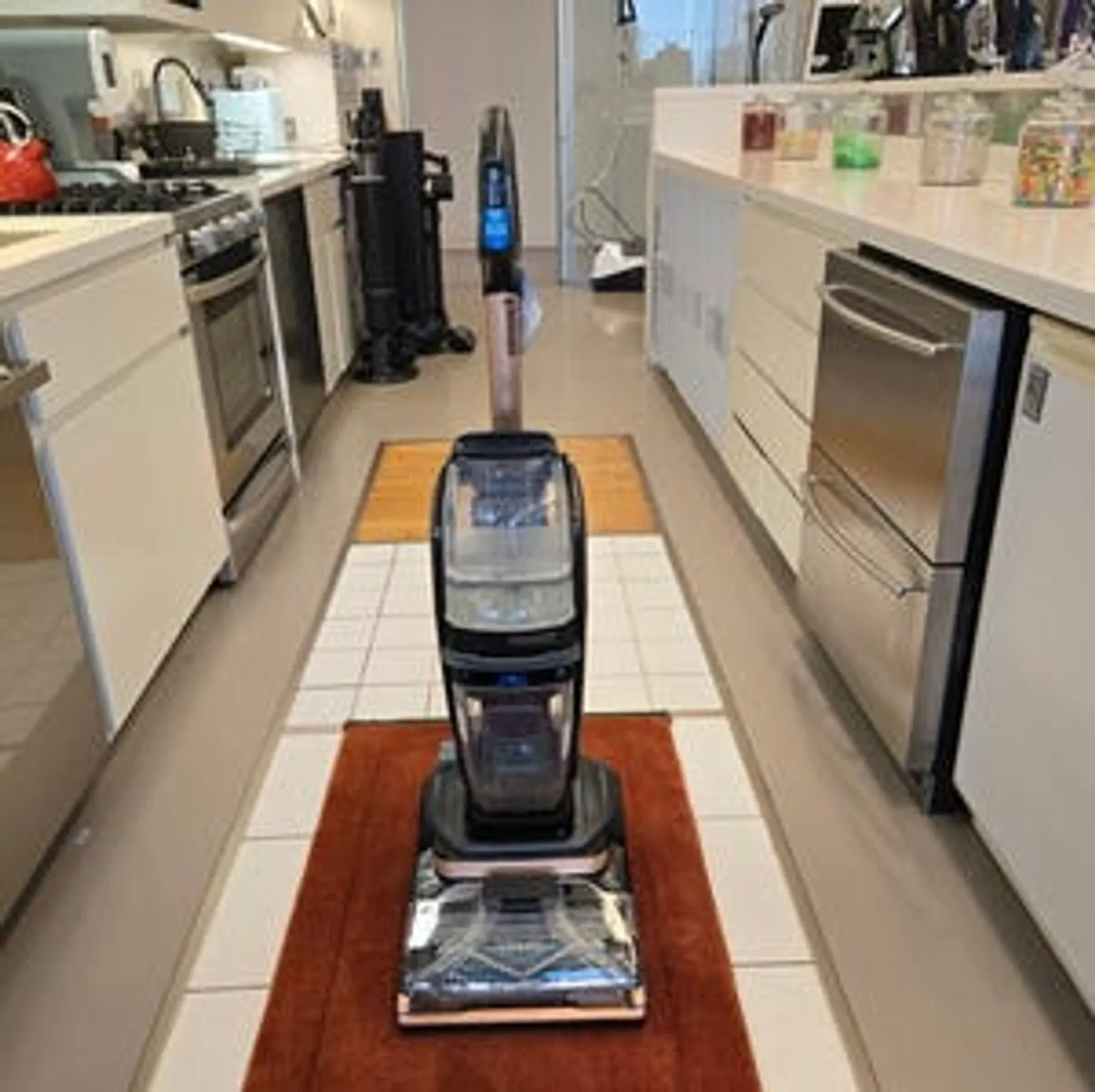
Carpet cleaners are not one-size-fits-all. Full-size uprights are built for wall-to-wall carpeting and large rooms. Portable spot cleaners are designed for upholstery, stairs, and the occasional wine spill. Buying the wrong shape is one of the most common regrets, because attachments help with edges but do not improve how well a machine actually cleans a wide stretch of carpet.
Which machine shape fits which situation
Machine type
Best for
Watch out for
Full-size upright
Wall-to-wall carpet, big rooms, pet accidents across a wide area
Heaviest; awkward on stairs and around furniture
Portable spot cleaner
Stairs, upholstery, car interiors, single fresh spills
Small tanks; not built for deep-cleaning a full room
Canister with hose
Mixed homes with rugs, stairs, and a few carpeted rooms
Mid-weight; hose length and tank size vary a lot
Settling into a new home is about building a routine for the everyday messes - dishes, spills, muddy footprints - and a carpet cleaner slots into that same maintenance mindset.
The features that actually move the needle
Marketing pages lean hard on tank size, cordless operation, and accessory counts. The performance reality is simpler. What lifts a stain is brush agitation working the fibers, paired with strong suction pulling the dirty water back out. The more water a machine extracts, the faster the carpet dries, and faster drying means less chance of mildew or a sour smell the next day.
Common feature tradeoffs to weigh
Tank size - bigger means fewer refill stops, but a 64-ounce tank gains several pounds when filled and is harder to haul up stairs.
Cordless - convenient for stairs and rooms without nearby outlets, but runtime and suction usually take a hit.
Built-in heater - helps loosen grime and improve stain lift, but does not turn the machine into a sanitizer.
Attachments - useful for upholstery, stairs, and car interiors, but they do not improve how the main unit cleans a wide carpet.
A simple stain plan for move-in week
Move-in week is when most home carpet disasters happen: a box slides across the floor, a pot of coffee tips, the dog tracks mud in from the yard. Treat stains within the first 15 minutes if you can. The longer a spill sits, the deeper it bonds to the fiber, and the more a consumer machine will struggle.
Stain workflow that works on most W-coded carpet
01
Blot, do not rub
Press a clean white cloth onto the spill to lift as much liquid as possible before you even think about the machine.
02
Pretreat if needed
For set-in or oily stains, a small amount of the machine's cleaning solution on the spot for a few minutes makes the extraction step far more effective.
03
Slow, overlapping passes
Run the machine forward and back across the spot without flooding the area. Two or three slow passes beat six fast ones.
04
Extract until the water runs clear
If dirty water is still coming up, keep going. The moisture left behind is what causes wicking stains and odors later.
05
Block the room until dry
Foot traffic on a damp carpet grinds stains back in. Give it a few hours with a fan or open windows if you can.
The honest cost math
Home carpet cleaners typically run from around $100 to $400 for a decent consumer unit. Renting a comparable machine runs $30 to $50 a day, with cleaning solution adding roughly $10 to $25 per room. A professional cleaning averages about $180 nationally, with most households paying between roughly $120 and $240 per visit, depending on room count and method. Stain add-ons, odor treatments, and furniture moving each add separate line items.
Buy vs. rent vs. hire a pro
Option
Rough cost per use
Best fit
Buy a home machine
$5 to $15 per use (solution, electricity, water) after the upfront cost
Homes with pets, kids, frequent spills, or lots of carpet
Rent a machine
$40 to $75 per day including solution
One or two deep cleans a year with no ongoing storage
Hire a professional
$120 to $240 per visit for an average home
Delicate fibers, set-in stains, or a first-time deep clean at move-in
When a pro still beats the home machine
Carpet manufacturers and industry cleaners generally recommend a professional deep cleaning every 12 to 18 months. A home unit is great for maintenance and fresh spills, but a pro's equipment pulls out deeper-set soil and handles materials a consumer machine cannot touch. Many homeowners use a pro once at move-in, then maintain between visits with a home machine. If you inherited the previous owner's carpet or rugs, a professional first pass is often worth the cost.
Maintenance so it actually lasts
The most overlooked part of owning a carpet cleaner is the part after the cleaning. Tanks, brushes, and hoses need attention, or the machine develops smells and loses performance long before it wears out.
After every use
✓
Empty the dirty tank
Dump and rinse it. Leaving dirty water in the tank is the fastest path to mildew and odors.
✓
Clear the brushes and nozzles
Hair, lint, and debris wrap around brushes and clog nozzles, both of which hurt cleaning power.
✓
Rinse with clean water
Run a quick pass of plain water through the system to flush out residual cleaning solution.
✓
Dry before storage
Open tanks and let parts air-dry fully so trapped moisture does not turn into a smell next time you open the closet.
SUMMARY
The bottom line
Buy a carpet cleaner for your new home if you have pets, kids, frequent spills, or a meaningful amount of carpet. Before you pick a model, confirm your carpet and rugs are W or WS coded so a water-based machine is safe. Choose the machine shape that matches your real mess, not the largest tank you can carry. Plan to call a pro for the first deep clean at move-in, then use your home machine to keep things fresh between professional visits every 12 to 18 months.
Common questions
Before you move on
Can I use a carpet cleaner on wool or silk rugs?+
Usually not with a water-based home machine. Wool and silk are typically coded S (solvent only) or are simply too delicate for consumer extraction. Send them to a professional cleaner who can match the method to the fiber.
Do carpet cleaners actually kill germs and sanitize?+
No, not on their own. They lift dirt and stains by spraying, agitating, and extracting, but they are not designed to disinfect. A built-in heater helps with stain removal; it does not sanitize. For real sanitization, you need a machine and cleaning solution specifically rated for it, or a professional service.
Should I clean the carpets before or after I move in?+
If the previous owners or tenants had pets, smokers, or heavy traffic, schedule a professional cleaning before furniture goes in so the technician can reach the whole floor. After move-in, spot-clean as spills happen and plan a deeper pass once the boxes are out of the way.