How do I set up USPS mail forwarding to my new address and how long does it last?
USPS Standard Forward Mail can start within three business days and runs for 12 months, with paid extensions up to 18 additional months. Here's how to submit the change of address, what gets forwarded (and what doesn't), and why it's not a substitute for updating your records directly.
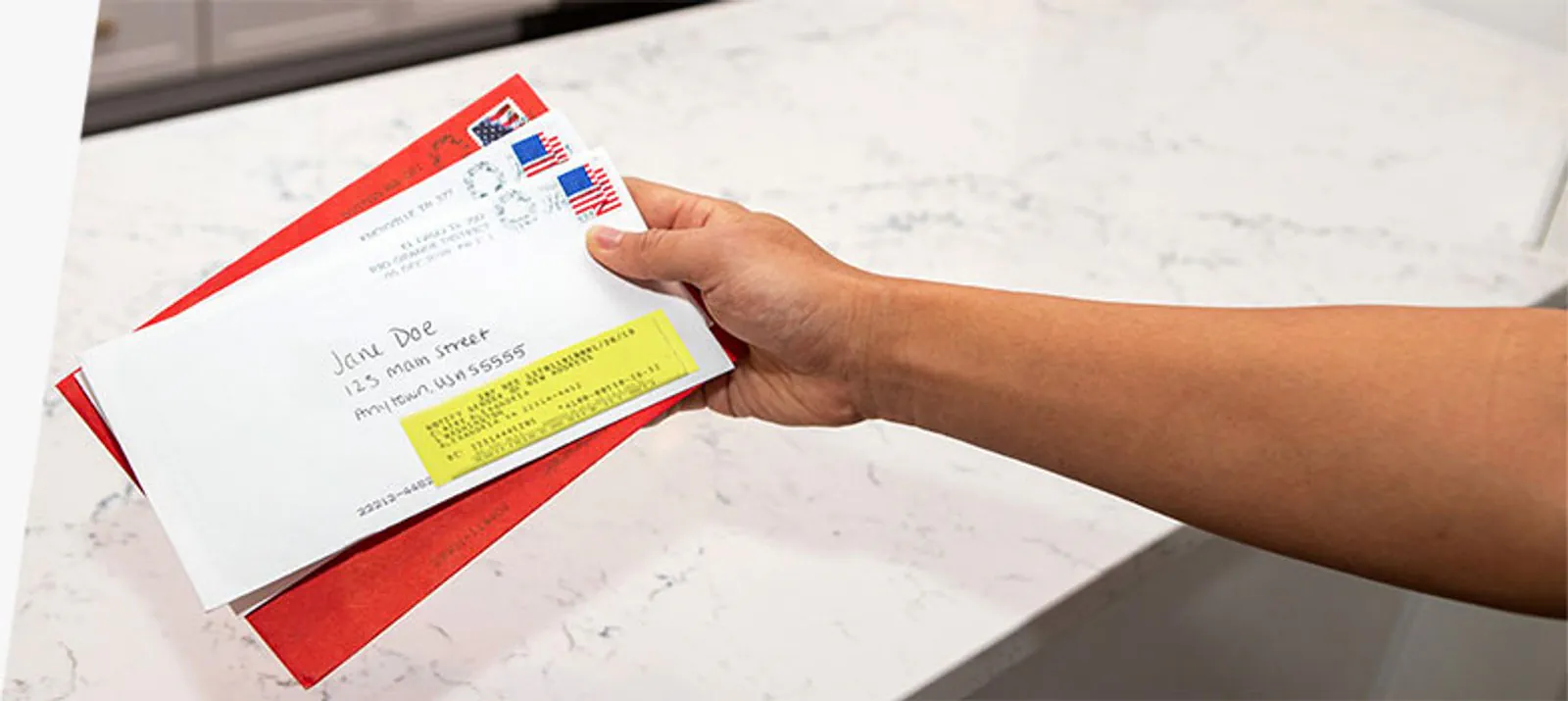
Submit a Change of Address at moversguide.usps.com (or PS Form 3575 at the Post Office), pay the $1.25 identity-verification fee online, and mail forwarding can begin within three business days. Standard forwarding lasts 12 months; you can pay to extend it 6, 12, or 18 more months (18 is the max). Forwarding only reroutes mail USPS already delivers—it does not update your driver's license, voter registration, bank, IRS, or Social Security records.
USPS Standard Forward Mail is a 12-month rerouting service for mail USPS already handles, not a one-stop address update. The fastest path is the official Change of Address tool at moversguide.usps.com, where you choose an Individual, Family, or Business move, verify your identity with a mobile code, and pay a $1.25 verification fee. Forwarding can begin within three business days of your request, but plan as if it could take up to two weeks, and expect mail to arrive piece by piece rather than in a single bundle.
What mail gets forwarded (and what doesn't)
USPS Standard Forward Mail: what's covered
| Mail type | Forwarded? | Cost to you |
|---|---|---|
| First-Class mail and periodicals (newsletters, magazines) | Yes | Free |
| Priority Mail Express, Priority Mail, USPS Ground Advantage | Yes | Free |
| Media Mail | Yes | You pay shipping from your local Post Office to the new address |
| USPS Marketing Mail (mass advertising) | No | Not forwarded |
When your forwarding period ends, USPS will return your mail to the sender for six months with a label showing your new address—a courtesy window that helps senders update their own records, but it doesn't guarantee anything reaches you.
How to submit the change of address
Online route (most moves)
- Go to moversguide.usps.com
Choose Individual, Family (same last name), or Business and complete the form.
- Verify your identity
Opt in to receive a verification code or link on your mobile phone. The billing address on your credit card must match either your old or new address.
- Pay the $1.25 identity-verification fee
USPS emails a confirmation code; save it—you'll need it to edit or cancel the request later.
- Watch for two USPS letters
A Move Validation letter goes to your old address; about five business days before forwarding starts, a Customer Notification Letter with your confirmation code arrives at the new address, along with a partner-coupon welcome kit.

How long forwarding lasts, and how to extend it
Forwarding duration at a glance
- Forwarding can begin
Mail starts rerouting piece by piece as it arrives at your old address.
- Reminder email
USPS sends a reminder when one month remains in your standard forwarding period.
- Standard forwarding ends
Mail is returned to sender for six months with your new address on the label.
- Paid extensions
Add 6, 12, or 18 more months (18 is the max) when you first submit or by editing the request. No cancellations or refunds.
What forwarding does not update
A USPS change of address only changes your mailing address with the Post Office. Government agencies and private companies don't see it. Update these directly, ideally before or right after you move: driver's license and vehicle registration, voter registration, the IRS (for tax mail), Social Security Administration, Veterans Affairs, your bank, insurer, employer/payroll, and any online stores with stored cards. Treat forwarded mail as a safety net while those updates take effect, not as the update itself.
Records to update separately from USPS forwarding
- Driver's license and vehicle registration
Most states give you 10–30 days; update through your state's DMV.
- Voter registration
Update with your state or county election office so you vote in the right district.
- IRS and Social Security
Update through IRS.gov and SSA.gov so tax notices and benefit statements reach you.
- Bank, credit cards, insurer, employer/payroll
Each one needs its own address change; forwarded mail can lag weeks.
Common questions
A few details that tend to trip people up: the $1.25 fee is identity verification, not the forwarding service itself; Premium Forwarding Service is a separate paid option that ships your mail in weekly or daily Priority Mail batches; and you should ignore any third-party site charging $40 or more to do what USPS does for $1.25.
SUMMARY
The bottom line
Set up forwarding at moversguide.usps.com (or PS Form 3575 at the Post Office) at least a week before you move, expect up to two weeks of mail-piece-by-piece arrival, and plan on 12 months of coverage with the option to extend up to 18 more months for a fee. Treat it as a backup, not a primary tool—update your driver's license, voter registration, IRS, SSA, bank, and other records directly, because forwarded mail can be slow, incomplete, and stops entirely when the period ends.
Common questions
Before you move on
How long does USPS Standard Forward Mail last?+
Twelve months of standard forwarding, with paid extensions of 6, 12, or 18 more months (18 is the maximum). After forwarding ends, USPS returns your mail to the sender for six months with your new address on the label.
How much does it cost to set up mail forwarding?+
The online identity-verification fee is $1.25. Standard forwarding of First-Class mail, periodicals, Priority Mail Express, Priority Mail, and USPS Ground Advantage is free; Media Mail is forwarded but you pay the shipping cost from your local Post Office; USPS Marketing Mail is not forwarded.
Can I set up forwarding if I'm moving within the same state?+
Yes. USPS mail forwarding works for any move within the U.S. The in-state note that matters is for hiring movers: federal interstate moving protections don't apply to an in-state move, so check your state's household goods carrier rules and your contract instead.
Do I need to update my driver's license and voter registration if I set up forwarding?+
Yes. Forwarding only reroutes mail USPS handles; it does not update government records. Update your state's DMV, voter registration, the IRS, Social Security Administration, and any banks or insurers directly, ideally before or shortly after you move.