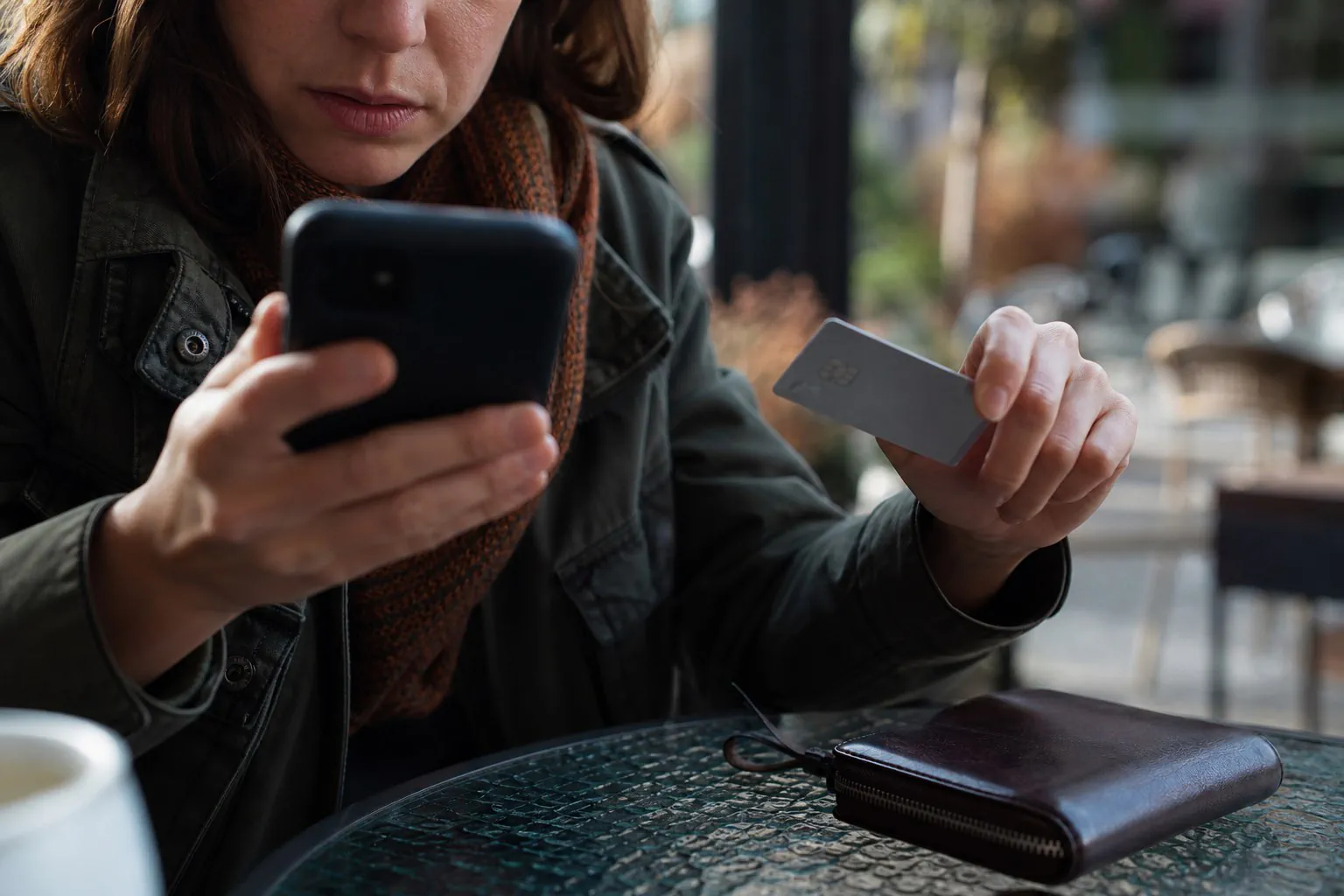
What are the classic warning signs that a payment or contact might be a scam?
Scammers count on speed and emotion to short-circuit your judgment. Here are the classic red flags in any contact or payment request, plus what to do in the first five minutes to protect yourself and keep useful evidence.
A contact or payment request is almost certainly a scam if it asks you to pay upfront for a prize, demands an irreversible payment method (wire transfer, cryptocurrency, payment app, gift cards, courier cash), pressures you to act immediately, plays on emotions or a fake emergency, or asks for remote access to your accounts. The safe response is the same every time: stop, verify through a channel you control, and never share account numbers, card numbers, passwords, or one-time codes.
Scams rarely announce themselves. The contact looks ordinary: a text about a delivery, a call from someone claiming to be your bank, a mover who insists on a deposit before quoting a weight. Underneath the surface, classic scams share a small set of behaviors. Learn to spot the pattern and you can stop most of them in the first five minutes.
Classic warning signs, at a glance
Stop and verify if you notice any of these
✓
Someone asks you to pay to receive a prize or gift
Legitimate sweepstakes, lotteries, and grants do not charge fees or taxes upfront. Any 'you've won, just pay this to claim it' pitch is fraud.
✓
The only accepted payment is hard to reverse
Wire transfers, cryptocurrency, payment apps to strangers, cash by courier, and gift card numbers are the preferred tools of scammers because victims usually cannot get the money back.
✓
They claim to be a bank, the government, a business, or a relative
Real institutions do not call, email, or text to demand immediate payment or account access. Impersonation is the most common opening move.
✓
They ask for account access or one-time codes
No legitimate bank, brokerage, crypto wallet provider, or shipping company needs your password, PIN, card number, or the six-digit code sent to your phone.
✓
There is an artificial deadline
Phrases like 'act now,' 'today only,' 'or the deal is gone' are pressure tactics. A real offer survives a 24-hour cooling-off period.
✓
They manufacture an emergency
A grandchild in trouble, a warrant for your arrest, a compromised account, a stranded mover — urgent stories designed to make you skip verification are almost always fake.
✓
The deal seems too good to be true
A moving quote that is half of every competitor, a rental well below market, a guaranteed return on an investment — ask yourself why a stranger is pushing such generosity on you.
✓
You are steered to a link or QR code
Unsolicited links can route you to a look-alike login page or install malicious software. Type the address yourself instead of tapping.
The emotion and urgency playbook
Two feelings do most of a scammer's work: urgency and fear, sometimes mixed with excitement about a prize. A caller says your account will be closed in twenty minutes. A text claims a package has a customs fee that will double tomorrow. A mover insists the truck leaves this afternoon unless you wire a deposit right now. The pitch is engineered so you react before you think.
Voice cloning makes the emotional hook sharper. A familiar voice on the phone asking for help is harder to dismiss than a stranger, so the rule has to be mechanical: if money or account access is involved, verify through a channel you control. Call the person on a number you already have. Call the bank using the number on the back of your card. Do not use any contact the caller provides.
What to keep if you think you have been targeted
Evidence worth preserving
Screenshots of the message, including the sender's number, username, or email address.
The full URL of any website you were sent to (long-press, do not tap).
Call logs with date, time, and the calling number.
Receipts, transaction IDs, and confirmation emails for any payment you already made.
The exact wording of gift card numbers or codes if you shared them — you will need them to report the loss.
Names, badge numbers, truck numbers, or company names the contact used, especially in a moving context.
First-hour actions if you already paid or shared information
Limit the damage in the first sixty minutes
01
Call your bank or card issuer
Use the number on the back of your card or the app. Ask to freeze or flag the affected account, dispute recent charges, and replace compromised cards. Speed matters; reversible fraud often turns into losses after a day.
02
Change passwords and turn on multi-factor authentication
Start with email, banking, and any account that shares a password. Use a unique password for each account and store it in a password manager rather than reusing old ones.
03
If you sent a gift card or payment-app transfer
Contact the retailer or app immediately and ask them to freeze the unredeemed balance. Keep the card or transaction ID handy. Some issuers can claw back funds if notified within hours.
04
If you gave remote access to your device
Disconnect the device from the internet, run a full security scan, and consider a factory reset. Remove any apps installed during the session.
05
File reports and warn your circle
Report to the Federal Trade Commission and your state attorney general. If the scam touched a moving or rental transaction, file a complaint with the Federal Motor Carrier Safety Administration only if the move crossed state lines — in-state moves fall under state regulators, not federal ones. Tell family members so they can watch for follow-up attempts using your details.
Reduce your attack surface
Habits that prevent most scam contacts
Register on the National Do Not Call Registry and hang up on unknown callers; a legitimate caller will leave a message.
Use call-screening or unknown-number blocking features on your phone.
Set social media to private and avoid posting travel or moving plans publicly.
Turn on transaction alerts for bank accounts and cards so you spot fraud within minutes, not days.
Use a unique email for account logins and a separate one for marketing sign-ups.
Frequently asked questions
SUMMARY
The bottom line
Most scams are not clever — they are loud. They shout urgency, demand irreversible payment, and ask for access you should never share. If you remember nothing else, remember this: any request for upfront payment to claim a prize, any push to use a wire, gift card, or crypto, any story that demands you act before you can verify, is a scam until proven otherwise. Stop, verify through a channel you control, and never share account numbers, card numbers, passwords, or one-time codes.
Common questions
Before you move on
Which payment methods should make me most suspicious?+
Wire transfers, cryptocurrency, payment app transfers to individuals, cash by courier, and gift card numbers are the favorites of scammers because they are nearly impossible to reverse. A legitimate business will accept standard traceable methods and give you a written contract.
How can I tell if a caller really is from my bank or a government agency?+
Hang up and call back using the number on your card, your latest statement, or the agency's official website. Real institutions do not object to that step, and they do not demand payment, passwords, or one-time codes over the phone.
What should I do if I already sent a gift card number to a scammer?+
Contact the retailer that issued the card immediately, give them the card number and the receipt, and ask them to freeze any remaining balance. Then file a report with the Federal Trade Commission and your bank. Speed is the single biggest factor in whether funds are recovered.
Does registering on the Do Not Call Registry stop scam calls?+
It cuts legitimate telemarketing calls, which reduces the background noise that lets scam calls blend in, but it does not stop criminals who ignore the law. Treat it as one layer, not a wall, and stay alert for the classic pressure tactics described above.