What kinds of household items are considered specialty items that need extra care when moving?
A specialty item is anything that is too bulky, too valuable, too fragile, or too unusual to handle with standard boxes and dollies. Here is how to tell which of your belongings cross that line, and what to do about each.
Specialty items are belongings that need more than a standard box-and-dolly approach because they are oversized, heavy, fragile, high-value, or require unusual handling. Common categories include vehicles; large electronics and appliances; pianos and other musical instruments; safes and gym equipment; fine art, antiques, and mirrors; marble, granite, or stone surfaces; oversized rugs; pool tables and game tables; hot tubs; and unusual items such as saunas, arcade machines, potted trees, and wine or gun collections.
A specialty item is not defined by what room it lives in. It is defined by how it has to be handled. If an object cannot safely ride in a standard moving box, on a standard appliance dolly, or with the crew size that handles a normal household shipment, it is a specialty item. The label covers four overlapping problems: things that are unusually bulky, things that are unusually heavy, things that are unusually fragile, and things whose replacement cost or sentimental value is high enough that mistakes are not acceptable.
Most full-service movers handle specialty items every day, but they almost always price and crew them separately from the rest of the truck. Listing these pieces up front on your estimate is the difference between a calm move day and a scramble for a piano board or a forklift at the last minute.
The four reasons an item becomes a specialty item
Why a normal crew cannot just carry it
Bulky by size or shape: items that will not fit through a standard doorway, around a stair turn, or inside a standard box, such as marble countertops, oversized mirrors, pool tables, hot tubs, large sectional sofas, and potted trees.
Heavy beyond a two-person lift: items above roughly 200 to 300 pounds usually need extra crew, rigging, or a stair-climbing dolly, including safes, gym equipment, upright pianos, and home EV chargers with wall hardware.
Fragile or vibration-sensitive: items that crack, shatter, or go out of tune with normal truck vibration, including fine art, glass tabletops, chandeliers, electronics, and mechanical instruments.
High monetary or irreplaceable value: items whose loss or damage is a financial event, such as antiques, Persian rugs, wine collections, and safes with contents inside.
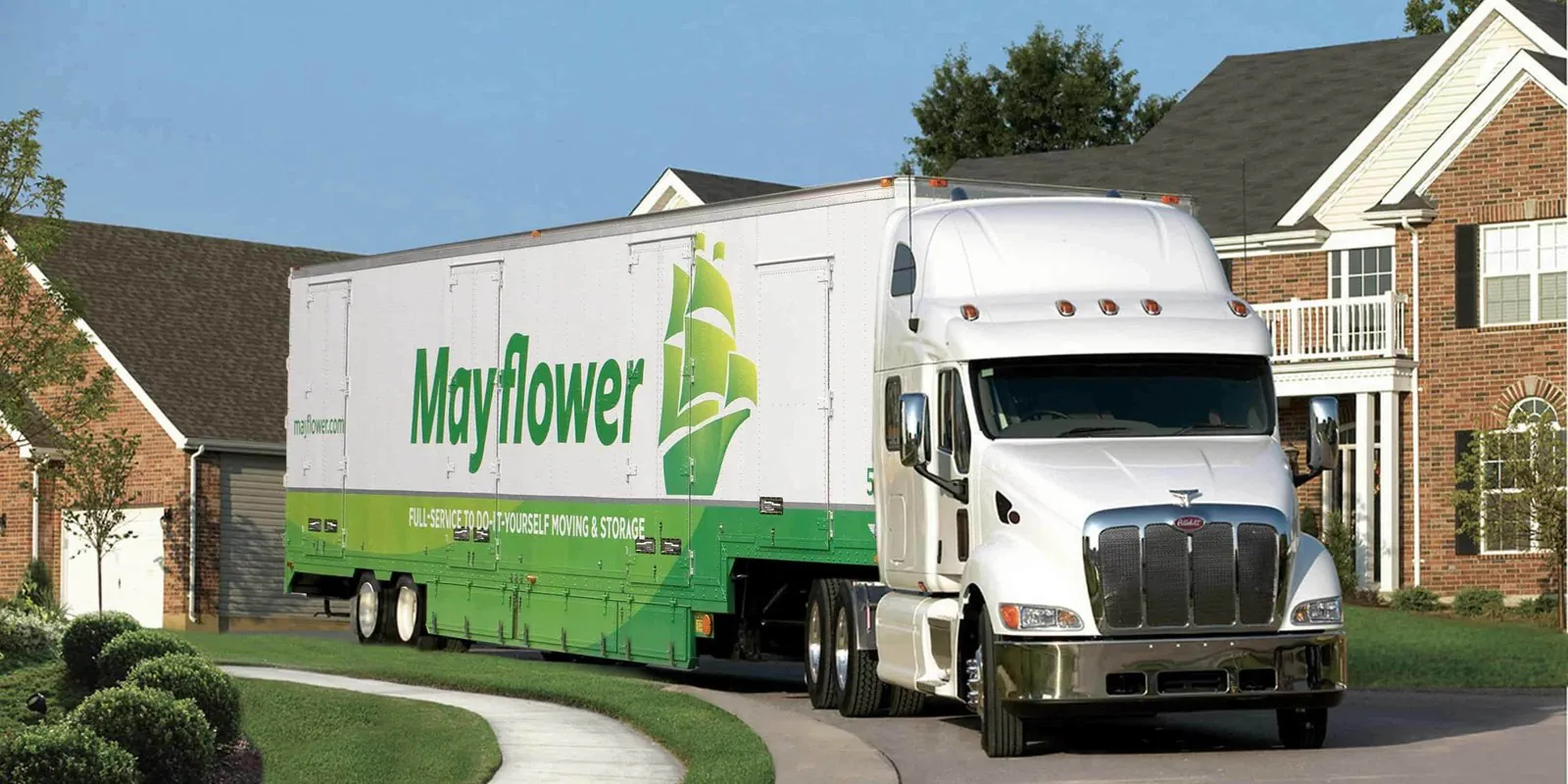
A long-haul moving truck illustrates why specialty items are handled as their own shipment category, separate from the boxes loaded by a standard crew.
Common household items that qualify
Walking room by room catches most specialty pieces before packing day. Use the categories below as a checklist during your own walkthrough.
Rooms and categories that usually contain specialty items
✓
Garage and driveway
Cars, motorcycles, boats, ATVs, golf carts, stand-alone safes, large tool cabinets, and any wall-mounted EV charger hardware.
✓
Living room
Pool tables, slate or stone-top tables, large wall-mounted TVs, oversized framed artwork or mirrors, chandeliers, and grandfather clocks.
✓
Kitchen and laundry
Marble or granite countertops cut for your old layout, oversized refrigerators, wine refrigerators and full wine collections, and freestanding chest freezers that must be defrosted first.
✓
Bedrooms and offices
Upright and grand pianos, antique or fragile furniture, safes, large electronics, servers or home studio gear with custom cabling, and arcade or pinball cabinets.
✓
Patio, gym, and yard
Hot tubs, saunas and steam rooms, gym equipment, basketball hoops, large potted trees, and solar panel arrays that have to be disassembled and reinstalled.
✓
Storage and collections
Persian or oversized antique rugs, Chinese antiques and fine wood furniture, gun collections, and any item with a pre-existing appraisal or insurance rider.
What handling a specialty item actually looks like
Standard move vs. specialty item handling
Standard household goods
Specialty item handling
Loaded in standard boxes on a standard truck
Custom-built wood crates, double-walled boxes, or blanket-wrapped with climate control
Two movers with a regular appliance dolly
Extra crew, stair climbers, furniture dollies, or rigging equipment
Quoted as part of the household weight
Priced separately as a specialty item or piece rate
Replaced at standard depreciation value
Often requires declared-value coverage or a separate rider
Loaded with everything else
Often loaded last, unloaded first, and sometimes in a separate van
When federal interstate rules may not apply
Most of the federal rules people read about, including the FMCSA's interstate moving protections, valuation coverage rules, and required brochures, only kick in when a household shipment crosses state lines. If your move starts and ends in the same state, federal interstate protections generally do not apply. Your move is then governed by that state's moving regulations, which range from detailed licensing and tariff rules in some large states to very limited oversight in others.
Why this matters for specialty items
Liability rules on an in-state move are usually set by the state or by your contract, not by federal minimums, so declared-value coverage and claims windows can differ sharply from interstate norms.
State rules may or may not require a written estimate, inventory, or specific licensing for crews who handle heavy or fragile specialty work, which affects your recourse if something is damaged.
Specialty items themselves are not regulated by category. A piano is not automatically protected under either federal or state law, so the level of care comes from your mover's training, the crating method you order, and the valuation you purchase.
How to put it on the estimate correctly
Walk-through sequence for catching specialty items
01
Do a slow room-by-room sweep
Walk each room with a clipboard or your phone's camera and flag anything that is oversized, heavy, fragile, or high-value. Photograph serial numbers and existing damage on every candidate item before moving day.
02
Tell the estimator about every flag
Specialty items are usually priced piece by piece or by crate, not by weight. If they are not on the estimate, movers can refuse them on move day or add surprise charges.
03
Decide crating and packing in advance
For art, marble, mirrors, antiques, and electronics, decide whether you want a custom wood crate, a corrugated box, or blanket wrap. Crating is usually worth it for anything that cannot be replaced nearby.
04
Review your valuation coverage
Standard released-value coverage pays only about 60 cents per pound per article, which is essentially nothing for a piano or a marble slab. Full-value protection, or a third-party rider for high-value items, is the realistic backstop for specialty pieces.
05
Plan access at both ends
Measure doorways, stair turns, and elevator openings for every specialty item. If a piano or safe will not fit, the crew needs time to dismount a door frame, use a crane, or take an alternate route, and that decision has to happen before the truck arrives.
SUMMARY
The bottom line
If an item is too big, too heavy, too fragile, or too valuable to be handled like a normal box of household goods, it is a specialty item. Walk your home before you get a quote, list every piece that fits that description, ask for crating or extra crew where it makes sense, and decide on valuation coverage before signing. On an in-state move, federal interstate protections may not apply, so confirm which state's rules cover your shipment and build your protection plan around that baseline rather than assuming federal minimums.
Common questions
Before you move on
Is a flat-screen TV considered a specialty item when moving?+
It depends on size. Sets up to about 43 inches can usually go in a standard TV box, but screens 50 inches and up, and any wall-mounted display with a custom mount, are usually treated as specialty items that need the original box, a flat-panel carton, or a custom crate.
Do movers consider a refrigerator a specialty item?+
A standard kitchen refrigerator is usually part of a normal household shipment. It becomes a specialty item when it is a built-in column unit, a wine refrigerator, or an oversized commercial-style fridge, because those need custom crating, climate control, or extra crew to move safely.
Are plants and large potted trees specialty items?+
Yes, especially for long-distance moves. Large potted trees are usually too heavy and too fragile to load with regular household goods, and many interstate carriers will not transport plants at all because of state agricultural regulations, so they often need a dedicated plan or a separate trip.
If my move is in the same state, do the federal specialty item rules still apply?+
No. Federal interstate rules, including FMCSA valuation and consumer protection requirements, generally do not apply to in-state moves. Your shipment is governed by your state's rules and by the contract you sign, which is why it is worth confirming jurisdiction and coverage in writing before move day.