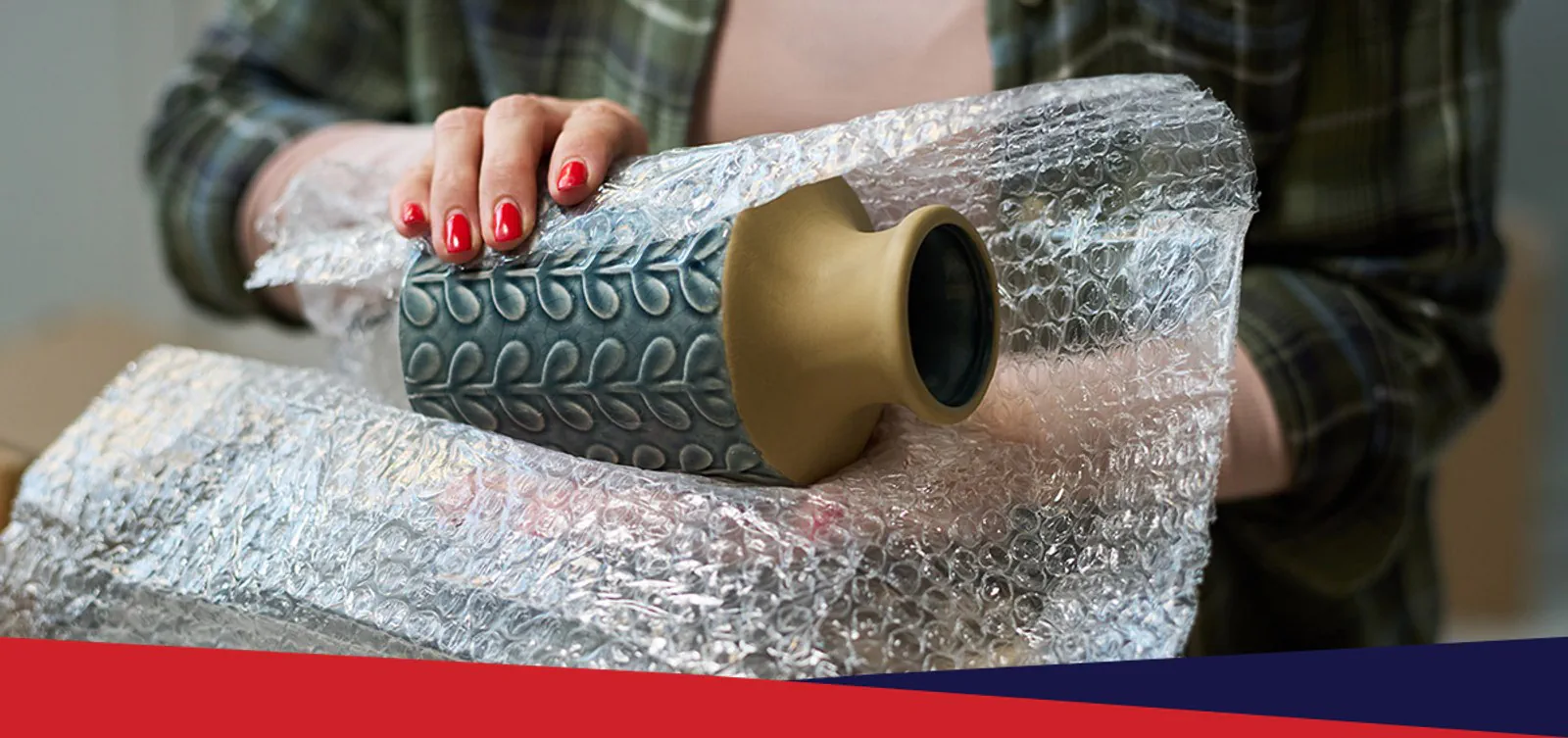
Hire a specialty mover whenever a standard quilted pad and a wardrobe box cannot realistically protect an item across the distance and conditions of your move. Fine art, antiques, pianos, grandfather clocks, chandeliers, gun safes, pool tables, sculptures, wine collections, and large home theater systems are the most common triggers. Bring those items up in your very first conversation with the mover so custom crating, trained crews, and equipment can be scheduled.
A standard residential mover handles boxes, furniture, and appliances every day. A specialty mover is hired when an item's size, value, fragility, or combination of all three makes standard packing and standard handling unsafe. The decision usually comes down to one practical question: would a standard box and a few layers of padding survive this move? On a long-distance haul, the answer is often no.
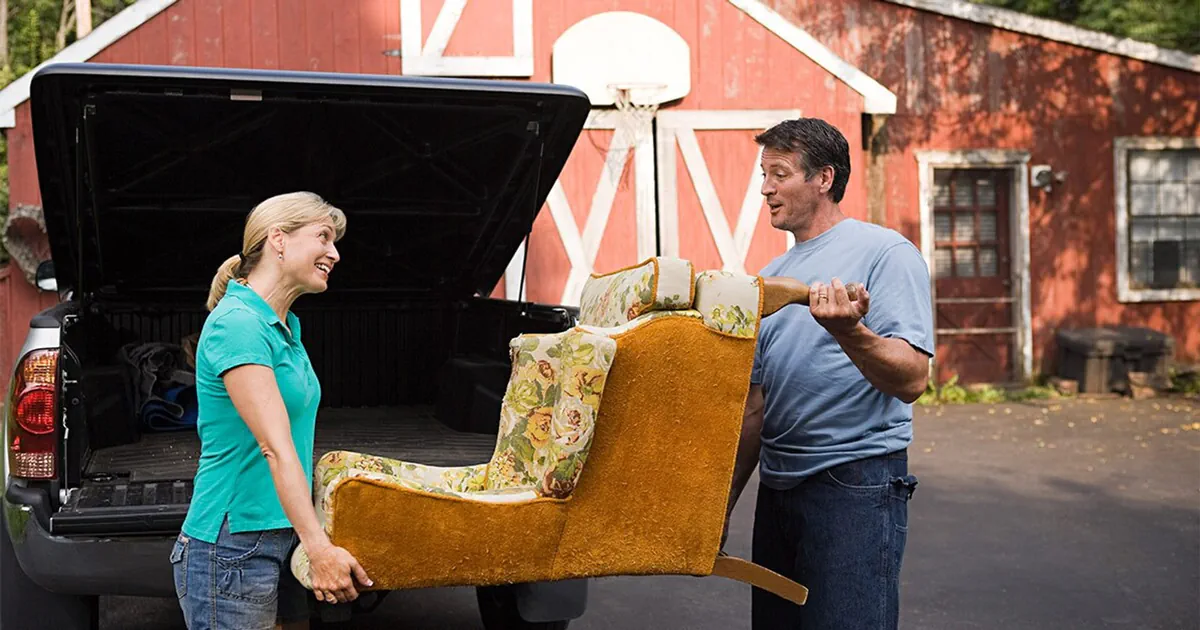
Antique and heirloom furniture is one of the most common reasons a household crosses from a standard move into specialty handling.
Items that usually require a specialty mover
Specialty services are reserved for belongings that cannot be safely packed or transported with standard materials. The list below covers what the specialty crews most often handle, and the reason each item falls outside a standard move.
Common specialty items
Fine art and original paintings, which need custom-built crates sized to each canvas and frame
Antique and heirloom furniture, where joints, inlays, and finished surfaces can be damaged by ordinary padding and straps
Fine china, glassware, and ceramics, where vibration and stacking pressure add up over hundreds of miles
Sculptures, including pieces that cannot be disassembled or that have fragile projecting parts
Grandfather and mantel clocks, where pendulums, chimes, and glass must be removed and the case braced separately
Wine collections, which often require temperature-controlled transit and stable, upright loading
Chandeliers and lighting fixtures, where arms, crystals, and wiring must be detached and individually packed
Pool tables, which usually require partial disassembly, slate bracing, and a felt-protection plan
Gun safes and other oversized, high-weight units that need rigging, stairway planning, and reinforced dollies
Large electronics and home theater systems with glass panels, calibrated components, and custom mounting
How a specialty evaluation actually works
Before anything is packed, a specialty crew evaluates each item against a consistent set of criteria. That evaluation is what separates a true specialty move from a standard crew being asked to 'just be careful.'
What the crew looks at during the evaluation
✓
Size and weight
Determines whether the item needs rigging, extra crew, or a specialty truck configuration.
✓
Structural condition
An existing crack, loose joint, or repaired surface changes the handling plan and the bracing strategy.
✓
Surface materials and finish
Veneers, gilding, lacquer, and stone react differently to humidity, tape, and pressure.
✓
Fragile or removable components
Pendulums, chandelier arms, glass shelves, and hardware are usually detached and packed separately.
✓
How the item responds to movement
Top-heavy, tall, or asymmetric pieces need different load placement than flat-pack furniture.
A condition report is completed before loading. It documents the existing state of each piece so that any new damage during transit is clear and addressable. Skipping this step is the single biggest reason specialty claims become arguments instead of resolutions.
How specialty crews actually pack and load
Specialty packing is layered protection built around the specific piece, not a one-size-fits-all wrap job.
The four building blocks of specialty packing
01
Custom crating
A crate built to the exact dimensions of the item, with internal bracing that eliminates movement. Standard for original art, sculptures, and high-value antiques.
02
Blanket wrapping with reinforcement
Thick moving pads over furniture surfaces, with extra padding at corners, carvings, and any detailed or projecting areas.
03
Specialty cartons
Purpose-built cartons for mirrors, glass panels, and framed pieces, with adjustable sizing and built-in cushioning to reduce stress on edges and surfaces.
04
Internal securing and disassembly
Removable parts such as clock pendulums, chandelier arms, and hardware are stabilized or detached before packing so internal components do not damage each other in transit.
Inside the truck, placement matters as much as packing. Specialty items are elevated off the floor, secured against shifting, and positioned to keep surrounding cargo from pressing on them. Heavy pieces are placed low and centered; fragile pieces are kept away from doors and load edges.
When federal interstate rules may not apply
How early to book specialty service
From first call to moving day
Identify every specialty item
Walk the home room by room. List anything that would not survive standard packing across the actual distance of your move, including transit conditions, not just the mileage.
Bring up specialty items immediately
Mention each specialty item in your initial call. Waiting until later in the process can limit your options for crews and equipment.
Approve custom crating and crew plan
Confirm which pieces need custom crates, which need rigging, and how the truck will be loaded. Sign off on the condition report format in advance.
Walk the condition report together
Review the pre-load condition report with the crew lead before anything is wrapped. Note any existing damage so it is on the record before transit begins.
What specialty service usually costs
Pricing varies with the complexity of the items and the distance of the move, but a few drivers explain most of the spread.
Main cost drivers
Item size and structural complexity, including whether it must be partially disassembled and reassembled
Whether custom crating is required, since crates are built to the piece rather than reused
Distance and time in transit, since longer hauls raise the protection standard and the handling care
Valuation coverage selected for high-value items, which is set separately from the moving labor
SUMMARY
The bottom line
Use a specialty mover whenever a standard box and standard padding cannot realistically protect an item across the actual distance, conditions, and handling of your move. Cover fine art, antiques, pianos, grandfather clocks, chandeliers, gun safes, pool tables, sculptures, wine collections, and large home theater systems in your very first call with the mover. Ask the mover to evaluate each piece, document its condition before loading, build a custom crate where needed, and confirm how it will be positioned inside the truck. If the move is in-state, also confirm which state regulator oversees the mover and what liability rules apply, because federal interstate protections are not automatic. Book specialty service as early as you can, since custom materials, rigging equipment, and trained crews are the parts of the move that run out first.
Common questions
Before you move on
Do I need a specialty mover for an antique that is staying in the same state?+
Often yes. The decision is driven by the item, not the distance. Long in-state moves with temperature swings, multiple loadings, or shared truck space can damage antiques just as easily as interstate hauls. The protective plan — evaluation, custom crating, condition report, careful truck placement — is the same regardless of state lines.
Can a standard moving company handle a piano or a safe?+
Some standard crews are equipped and trained for common items like upright pianos and smaller residential safes. For grand pianos, antique uprights, or safes over a few hundred pounds, the work typically shifts into specialty territory because of rigging, stairway planning, slate bracing, and the cost of any mistake. Ask the mover specifically whether they have moved your exact item before, and what they do differently.
How far in advance should I schedule specialty moving?+
As early as you can. Custom crates are built to order, specialty crews are a smaller pool than standard crews, and rigging equipment is limited. Six to eight weeks out is a reasonable starting point for most specialty items, and longer during peak moving season.
What is a condition report and why does it matter?+
A condition report is a written and photographed record of each specialty item's existing condition before it is packed or loaded. It sets a clear baseline so any new damage during transit is easy to identify and resolve. Without it, damage claims become arguments about whether a scratch or crack already existed.
Does federal moving insurance apply to specialty items?+
Federal interstate rules and the standard valuation options most people hear about generally apply to interstate moves. In-state moves are typically governed by a state regulator with different liability rules. Specialty handling and custom crating can be provided either way, but the consumer protections layered on top depend on which regulator oversees your move.