What are the 2026 new home design trends that focus on comfort, health, and real life rather than short-lived fads?
2026 design is moving away from flat, neutral, catalog-perfect rooms and toward layered color, handcrafted detail, tactile materials, and spaces built around how households actually live. Here's the framework for choosing finishes and layouts that age well.
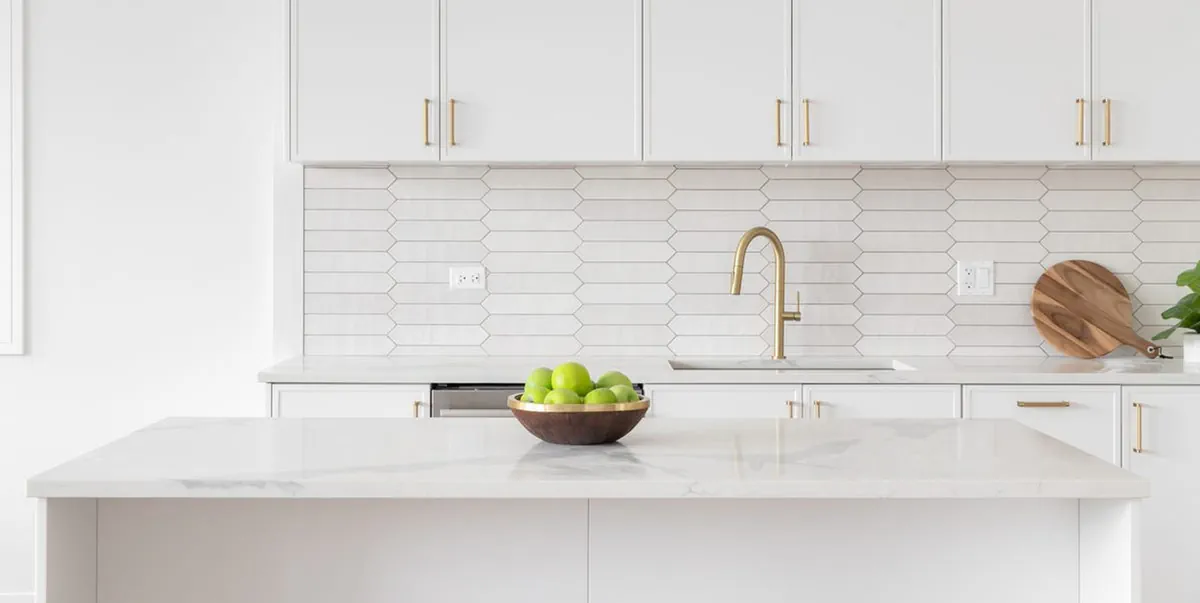
2026 design is moving away from all-white kitchens, gray-everything, modern farmhouse, and other fads that look dated within a few years. In their place: layered color and texture, handcrafted millwork, mixed materials, and rooms that flex with how your household actually lives. The goal is comfort, longevity, and a home that reflects you rather than the latest catalog.
If your last renovation started to look tired the moment a new look popped up on social media, you're not alone. 2026 design is a quiet reaction: rooms are getting warmer, more textured, and more personal, while the fads of the last decade (all-white kitchens, uniform gray, modern farmhouse, anything builder-grade and matching) are stepping aside. The new direction is built around three ideas: comfort you can feel, materials that hold up, and layouts that match real routines instead of a showroom.
Designers surveyed for 2026 say the biggest fade-outs are flat, neutral, and catalog-inspired rooms, which sets the stage for what's replacing them.
Color and depth, not a single safe shade
The color story is shifting from one safe neutral to rooms with real atmosphere. Designers working on 2026 projects report clients asking for deeper greens, inky blues, soft taupes, and warmer whites, with saturated color used in layers rather than as a single accent wall. The point is a room that feels grounded and lived-in from day one, rather than one that needs art and accessories to feel finished.
What to keep on your shortlist
Warming whites with a green or cream undertone instead of crisp, blue-white paint
Limewash, plaster, or other mineral finishes for soft variation across the wall
Two or three tonal layers in a single room (a wall color, a fabric, a wood) rather than one safe neutral
Saturated color in a powder room, library, or den if you're nervous about committing house-wide
Texture you can actually feel
Smooth, flat walls and the same nubby fabric on every chair are giving way to surfaces with real dimension. Plaster finishes, fluted paneling, grasscloth, and patterned wallpapers are showing up in 2026 projects, along with textiles that have more visual depth: brushed wool, slub linen, matte chenille, and patterned weaves. These materials add warmth without shouting for attention, and they tend to look better as they age.
Craft and millwork are back
After years of flat drywall and minimal trim, designers report a return to detail you can see. Ceiling treatments, picture molding, applied paneling, and more deliberate crown profiles are showing up in both new builds and renovations. The goal isn't ornate, it's character. The same shift is happening at the kitchen island, where single-slab waterfall edges are being replaced by combinations of wood, stone, and metal that read as custom rather than catalog.
Detail upgrades that tend to hold value
✓
Wall paneling or applied trim
Works in dining rooms, foyers, and primary bedrooms; can be painted over later
✓
Mixed-material island
Pair a painted base with a stone top and wood ends for a built-in look
✓
Crown or picture molding
Adds proportion and architectural weight without committing to a single style
✓
Architectural headboards
Tailored, linear profiles outlast softer, trend-driven shapes
Rooms that flex with real life
The 2026 home is being planned around how a household actually spends its time, not how a magazine staged it. The formal dining room that hosts two dinners a year is being reclaimed as a home office, library, or media room. Eat-in kitchens are getting larger at the expense of dining rooms that rarely get used. This isn't a downgrade; it's a recognition that adults and kids need surfaces for work, school, hobbies, and quiet as much as they need places to gather.
Repurposing the formal room
Home office with a closed door for video calls
Library or reading room with a sofa and good light
Media room for movies and gaming
Adult entertaining space with a bar cart and lounge seating
Homework or craft room shared by the household
Light, scale, and the small stuff
A few finishing moves are quietly replacing their louder predecessors. Oversized statement pendants are giving way to smaller, more proportional fixtures that work with the room instead of performing in it. Short café curtains, which interrupt the architecture and block daylight, are being swapped for floor-length drapery or clean linen shades. Matched wood tones throughout a home are loosening up into a layered mix of warm and cool woods. None of these changes is dramatic on its own; together they make a house feel calmer and more considered.
How to choose for the long term
When you're weighing a 2026 trend against your actual house, three questions tend to sort the keepers from the fads. A finish that passes all three is almost always a good bet, even if it's not the most current thing on your feed.
A three-question test before you commit
✓
Will I still like it in 10 years?
Skip anything that only makes sense because it's everywhere right now (all-white kitchens, all-gray living rooms, modern farmhouse).
✓
Does it work with what I already own?
Trends that require you to replace your whole room are the most disposable.
✓
Can it be repainted, reupholstered, or refinished later?
Materials and proportions beat color-of-the-year every time.
SUMMARY
The bottom line
2026 design rewards houses that feel warm, textured, slightly personal, and quietly detailed. Lean into layered color, real materials, handcrafted millwork, and rooms built around your routines, and you'll be able to live with the result long after this year's trend cycle has moved on.
Common questions
Before you move on
Are these 2026 design trends expensive to adopt?+
Not all of them. Limewash, a single wall of paneling, mixed-wood furniture, and a swap to floor-length drapery can be done one room at a time. The bigger investments (mixed-material islands, ceiling treatments, full-room plaster) are worth prioritizing if you're already renovating, but most of the shift toward warmth and texture doesn't require a gut job.
What if I just bought a house with a modern farmhouse or all-white kitchen?+
You don't have to redo anything right away. Wood tones, layered textiles, warmer paint colors, and a few pieces of furniture with more personality can shift a builder-grade room toward the 2026 direction without ripping out cabinets. Save the big changes for when the kitchen actually needs an update.
How do I know which trends will age well?+
Use the three-question test: will I still like it in 10 years, does it work with what I already own, and can it be changed later. Materials, craftsmanship, and proportions tend to age well. Trend-specific colors, profiles, and patterns tend not to.