There is a specific kind of magic that happens when high-temperature steam meets solid wood. In the hands of a master craftsman, a rigid plank of beech becomes as pliable as ribbon, curving into the fluid, organic lines that define the bentwood aesthetic. For the modern minimalist, these chairs are more than just seating—they are architectural silhouettes that provide visual lightness without sacrificing structural integrity.
Bentwood dining chairs are unique because they rely on this steam-bending technology, where wood is softened to curve without breaking. This results in a design with significantly fewer joints and hardware than traditional chairs. In fact, the industrial steam-bending method, perfected by manufacturers like TON since 1861, reduces the reliance on complex joinery and glue by 30% to 40%. The result? A chair that is lighter to move, more resilient to the "wiggle" of daily use, and possesses a lifespan that often spans generations.
Whether you are looking for a heritage piece that survived the heights of the Eiffel Tower or a budget-friendly birch model for your first apartment, this guide explores the very best in bentwood design for 2024.
Quick Comparison: Top 3 Bentwood Picks
| Category | Product | Best For | Price Range |
|---|---|---|---|
| The Original Icon | Thonet No. 14 | Heritage & Durability | Premium ($$$) |
| The Modern Choice | TON 002 Chair | Ultra-Minimalism | Mid-Range ($$) |
| The Budget Hero | IKEA Sigtrygg | Accessibility | Value ($) |
The Legend of the Curve: A Brief History
To understand the appeal of the minimalist bentwood chair, we must look back to 1859 and Michael Thonet. His "Chair No. 14" didn't just change furniture; it revolutionized industrial design. By breaking the chair down into just six components, Thonet created the first "mass-produced" piece of furniture that could be shipped flat-packed—long before IKEA was a household name.
The durability of these pieces is legendary. In 1889, during the Exposition Universelle in Paris, a Thonet chair was reportedly thrown off the Eiffel Tower. It hit the ground and remained perfectly intact. This feat demonstrated the incredible structural resilience of steam-bent beech wood. Today, while the market offers everything from $75 birch models to $1,449 designer heritage pieces, the mid-market average rests at approximately $435 per chair. For the minimalist, the choice usually comes down to finding that perfect balance between this rich history and modern functionality.
The 10 Best Bentwood Dining Chairs
1. The Original Icon: Thonet No. 14 (The Era-Defining Classic)
If you want the "soul" of bentwood, you start with the No. 14. Often called the "Bistro Chair," it consists of just six pieces of wood, ten screws, and two nuts. It is the ultimate expression of the "less is more" philosophy. The circular backrest and elegant proportions make it a staple in minimalist homes that want a touch of 19th-century European charm.
- Pros: Iconic status; extreme durability; lightweight.
- Cons: Higher price point; can feel a bit small for larger dining tables.
2. The Modern Minimalist: TON 002 Chair
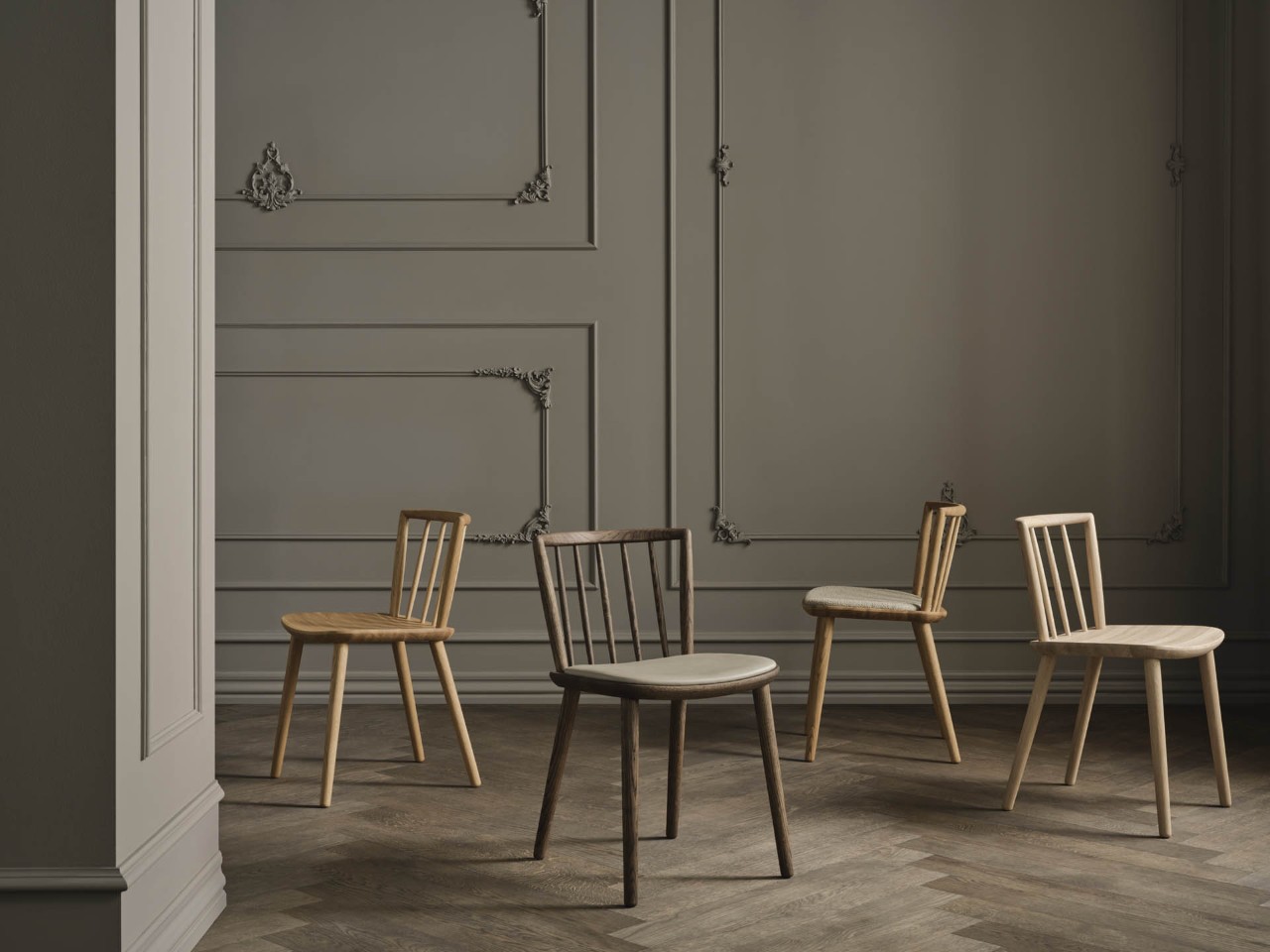
Designed by Jaroslav Juřica, the 002 is a masterclass in reduction. It is a contemporary reimagining of the classic No. 14 but simplified even further. The design uses only three pieces of wood to form the entire structure. It’s clean, honest, and perfectly suited for a Scandinavian-inspired dining room.
- Pros: Only three parts; incredibly clean lines; stackable.
- Cons: Firm seat (may require a cushion for long dinners).
3. The Sculptural Silhouette: Arne Jacobsen Ant Chair
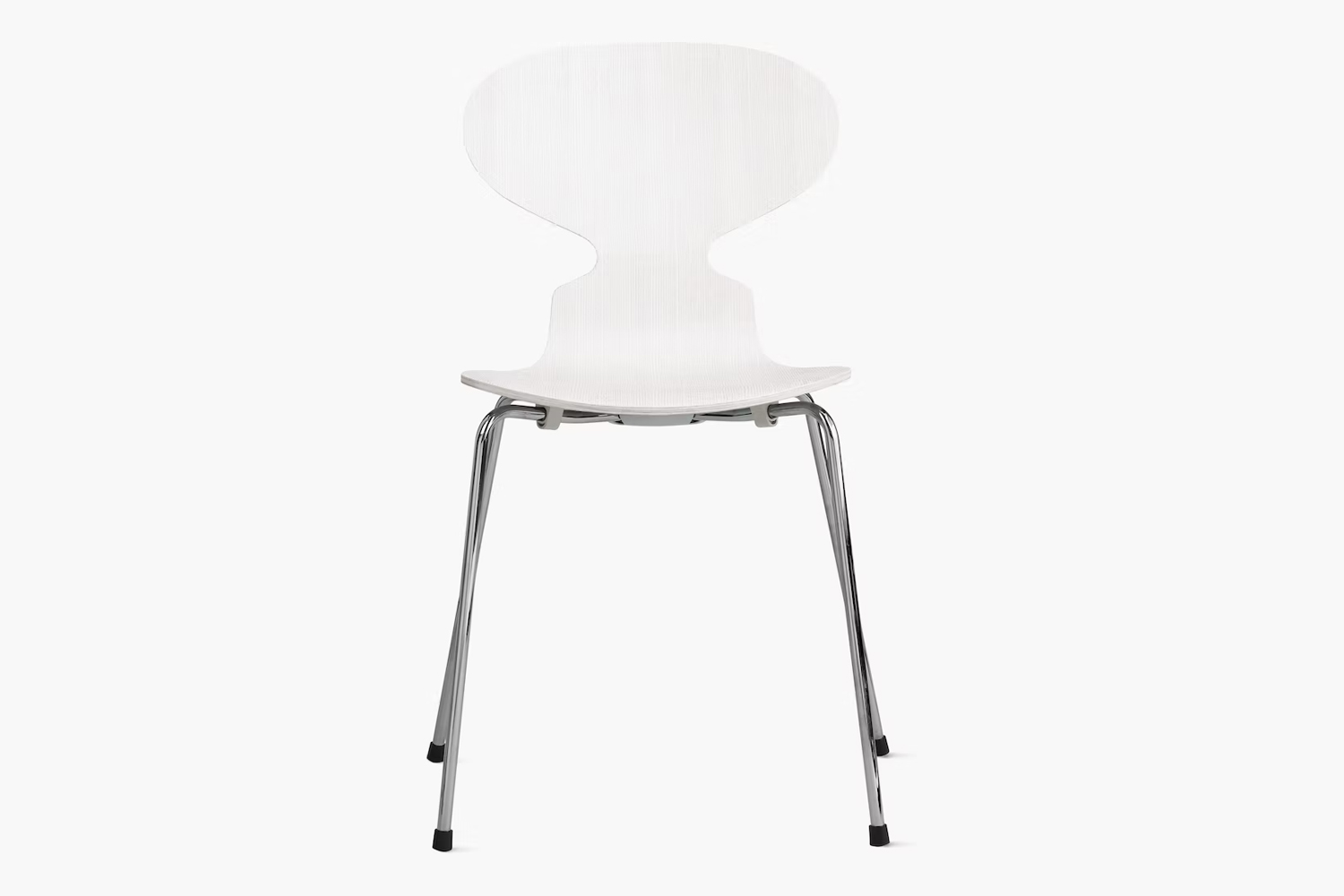
Originally designed for the canteen of a Danish pharmaceutical company in 1952, the Ant Chair by Fritz Hansen is a testament to the beauty of molded plywood. Its distinct "waist" is not just for aesthetics; it allows for the necessary flexibility in the wood while maintaining strength.
- Pros: Visual lightness; stackable up to 12 chairs; unique sculptural form.
- Cons: The three-legged version can be less stable on uneven floors.
Ivy’s Tip: The Ant Chair is my go-to recommendation for small urban apartments. Because the legs are so thin and the "waist" is tapered, it occupies very little visual volume, making your dining area feel much larger than it is.
4. The Budget Hero: IKEA Sigtrygg Chair
For those who appreciate the bentwood aesthetic but are working with an entry-level budget, the Sigtrygg is a fantastic option. Made from birch veneer, it mimics the fluid lines of high-end steam-bent furniture at a fraction of the cost.
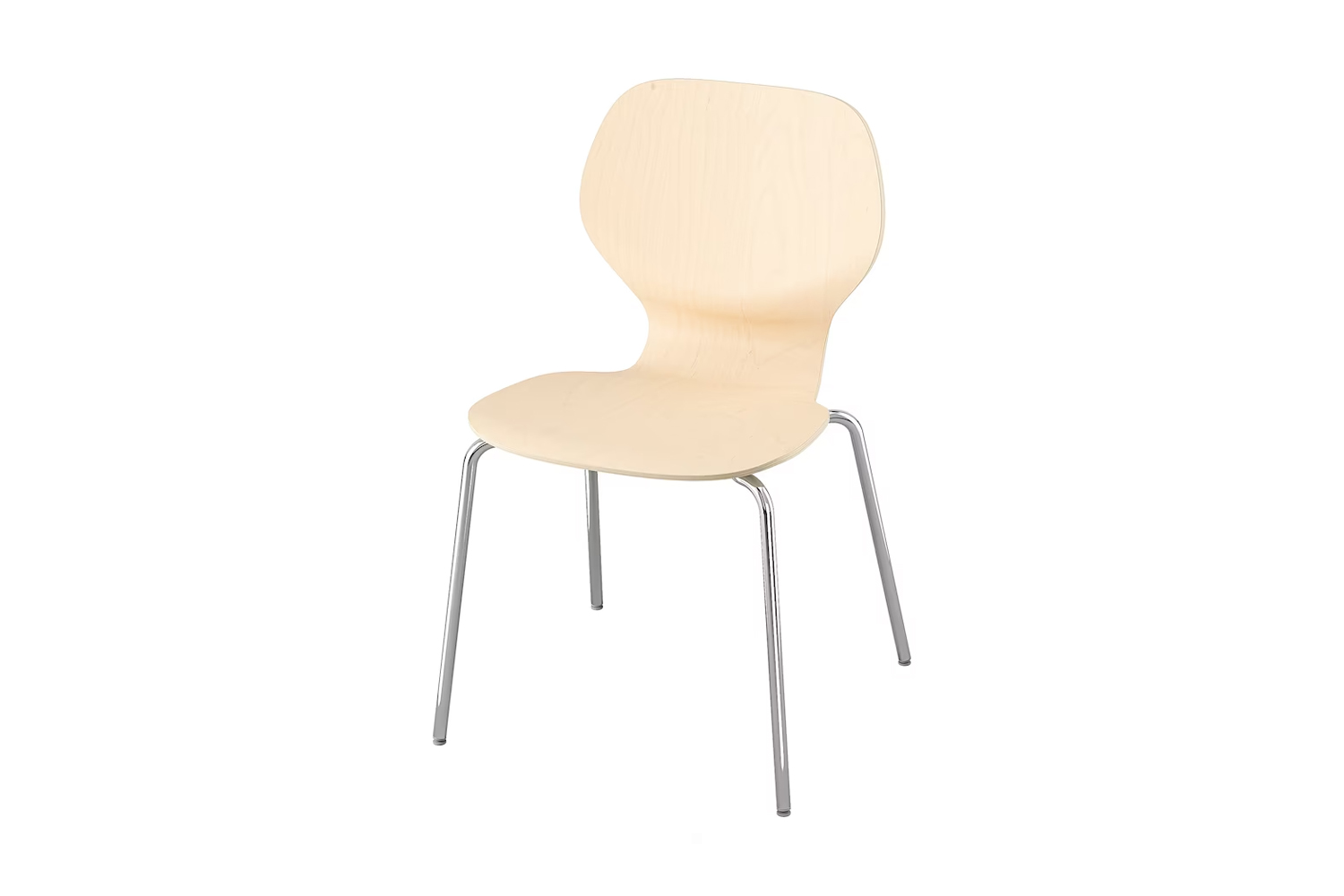
- Pros: Extremely affordable ($75); clean birch finish; easy to assemble.
- Cons: Birch is softer than beech and may show wear or dings more easily over time.
5. The Performance Choice: Burrow Alto Dining Chair
Burrow has taken the bentwood concept and modernized it for the "performance" era. The Alto features a solid rubberwood frame with a curved backrest. It’s designed for the reality of modern life—spills, moves, and long hours of sitting.
- Pros: High-quality performance fabrics; very easy assembly; sturdy feel.
- Cons: Heavier than traditional Thonet-style chairs.
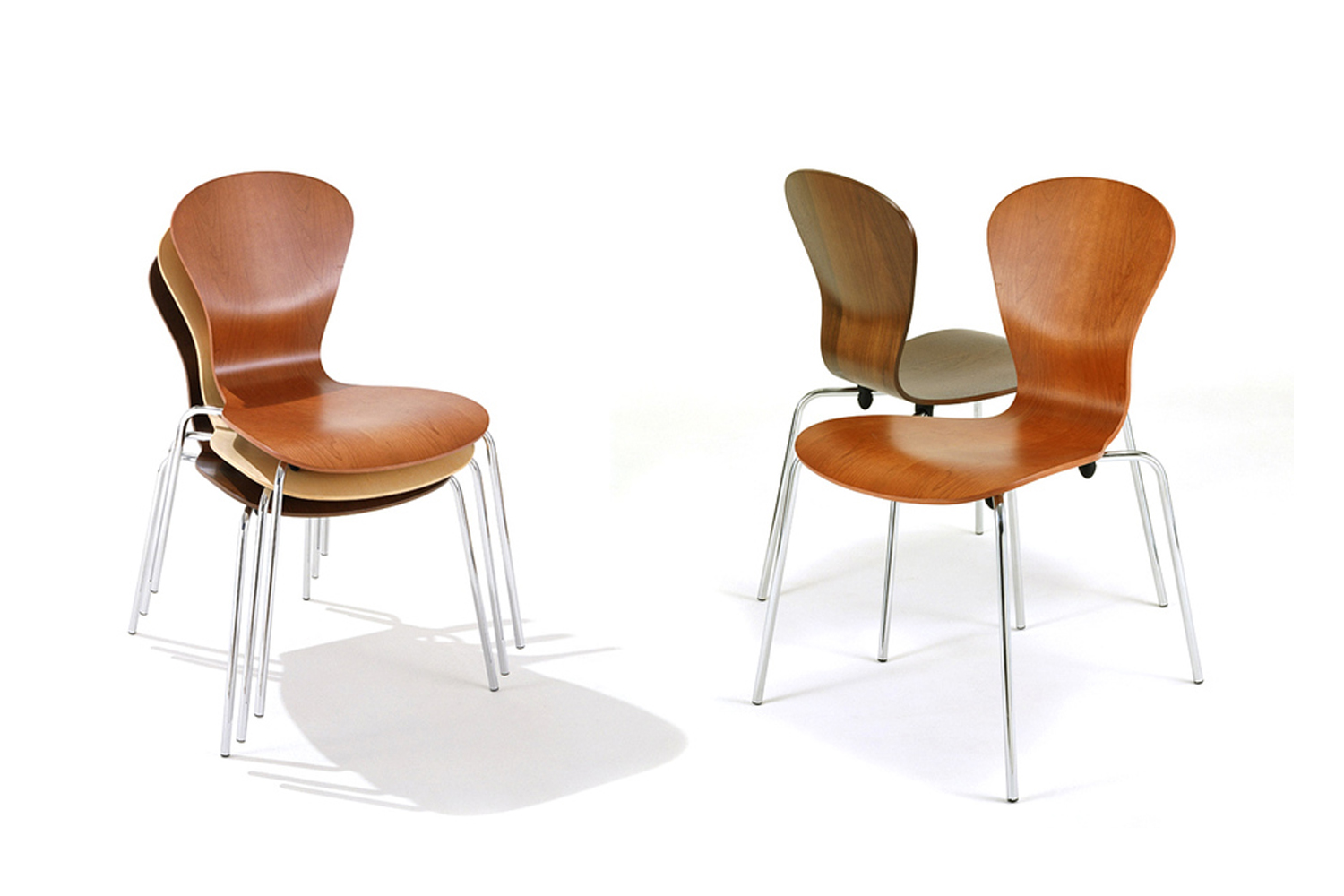
6. The Mid-Century Masterpiece: Cherner Side Chair
The Cherner chair is what happens when bentwood meets high art. Designed by Norman Cherner in 1958, this chair is famous for its dramatically tapered waist and "molded plywood fins" that act as the backrest. It is an investment piece, but one that defines a room the moment it is placed.
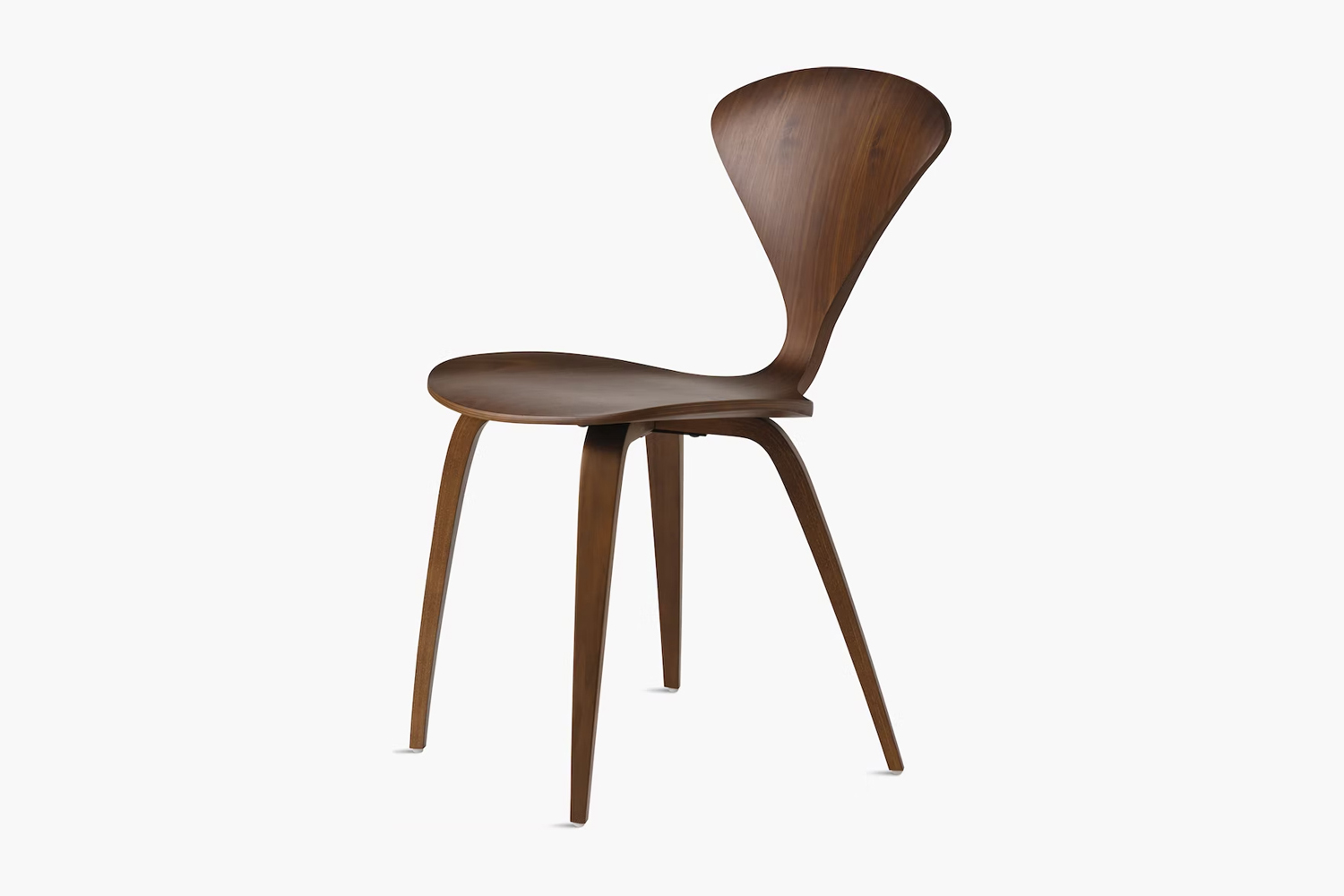
- Pros: Museum-quality design; extremely comfortable ergonomic curve.
- Cons: Expensive ($995+); requires a larger footprint to truly "breathe" in a room.
7. The Cafe Classic: Crate & Barrel Brera Vamelie
The Brera Vamelie bridges the gap between a traditional Vienna cafe chair and a modern dining room staple. It uses solid beech wood with a rich walnut or black finish, offering a slightly more substantial frame than the No. 14.
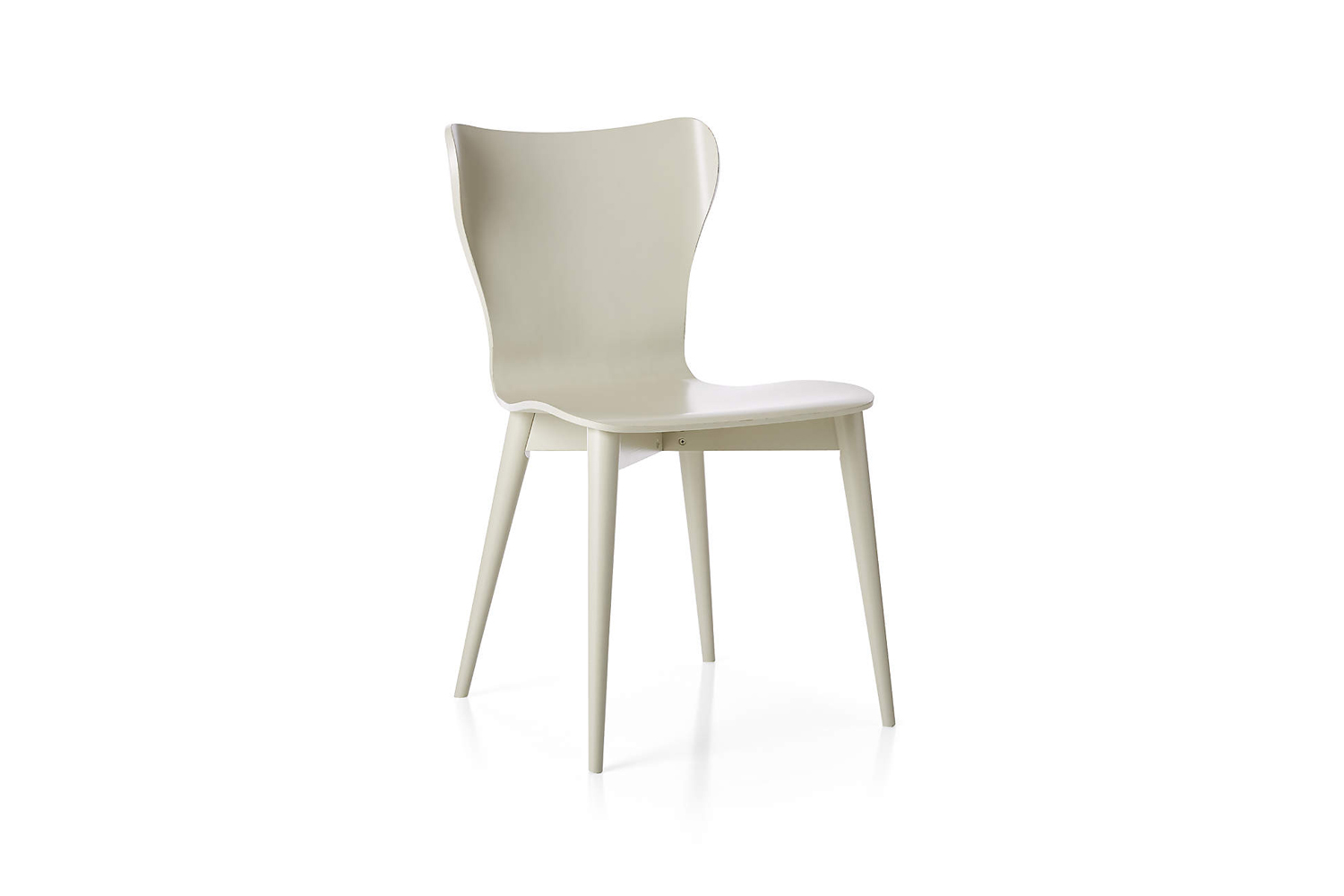
- Pros: Traditional European craftsmanship; rich finish options.
- Cons: Not stackable; slightly more traditional than minimalist.
8. The Value Set: West Elm Crest Bentwood Chair
West Elm’s Crest chair offers a streamlined profile that fits effortlessly into contemporary dining rooms. It is often sold as a set, which brings the price per chair down, making it a great mid-range option for families.
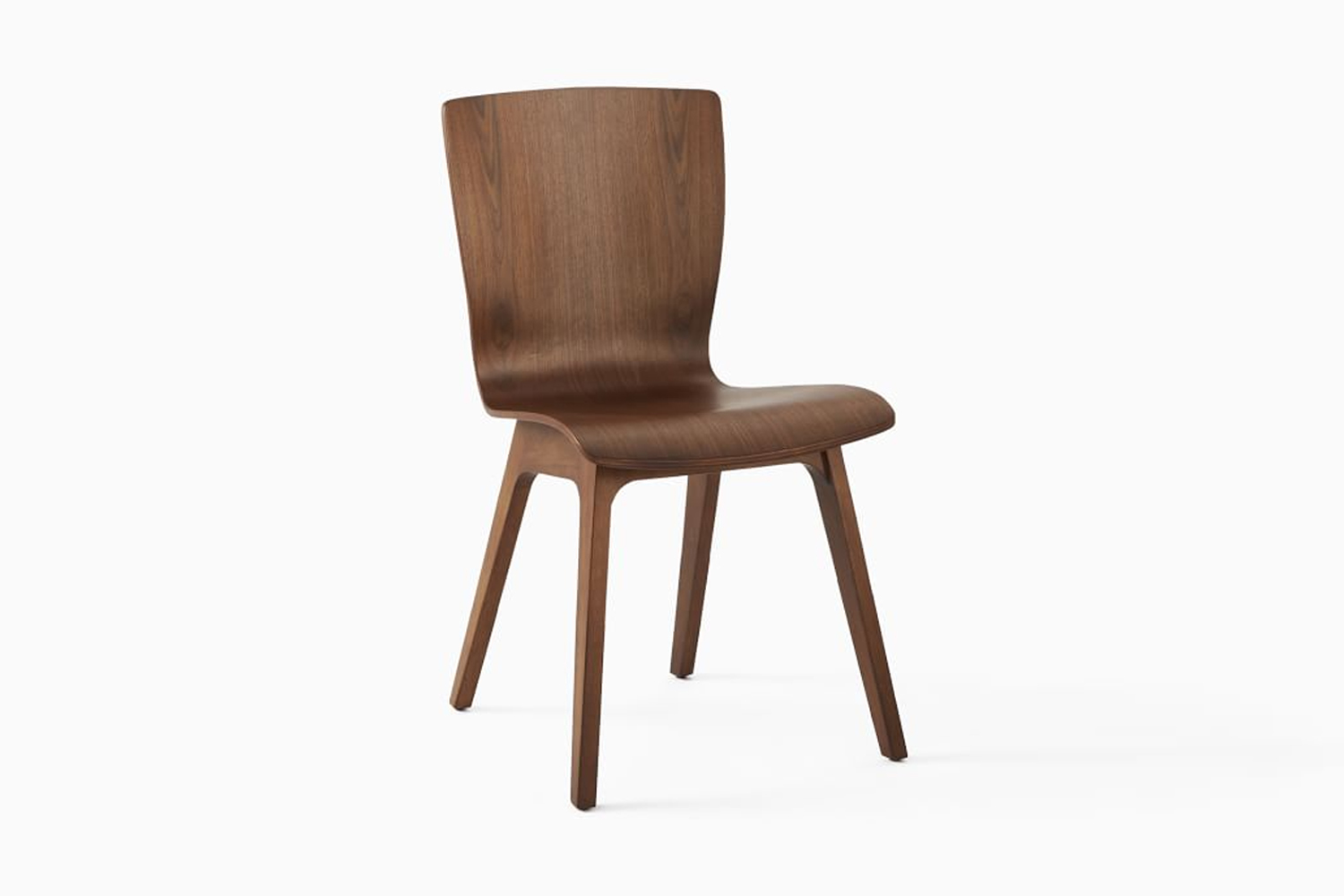
- Pros: Excellent value for a set; modern, tapered legs.
- Cons: Veneer finish rather than solid wood throughout.
9. The Luxury Stackable: Bernhardt Design Orbit
The Orbit chair is where minimalism meets high-end commercial durability. It’s a favorite among interior designers for its sleek, almost futuristic take on the bentwood curve. At nearly $1,500, it’s a luxury choice for those who want the absolute pinnacle of contemporary craftsmanship.
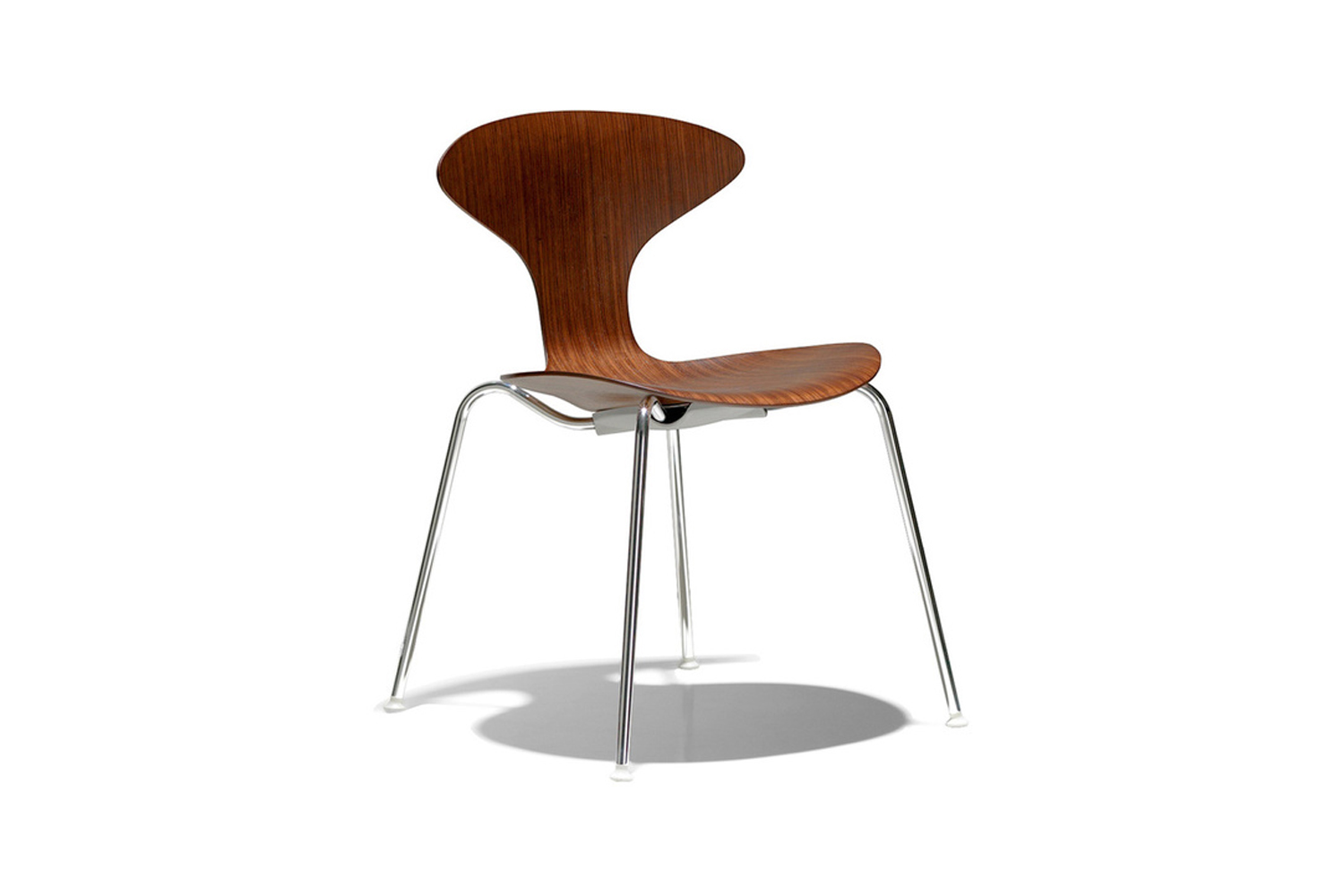
- Pros: Exceptionally high-end finish; stackable and lightweight.
- Cons: Price is prohibitive for most residential projects.
10. The Bold Neutral: Blu Dot Chair Chair
Blu Dot is known for its witty, simple designs, and the "Chair Chair" (yes, that’s the name) is no exception. It pairs a molded plywood seat with a sleek, minimalist metal frame. It’s a hybrid approach that provides the warmth of wood with the industrial edge of steel.
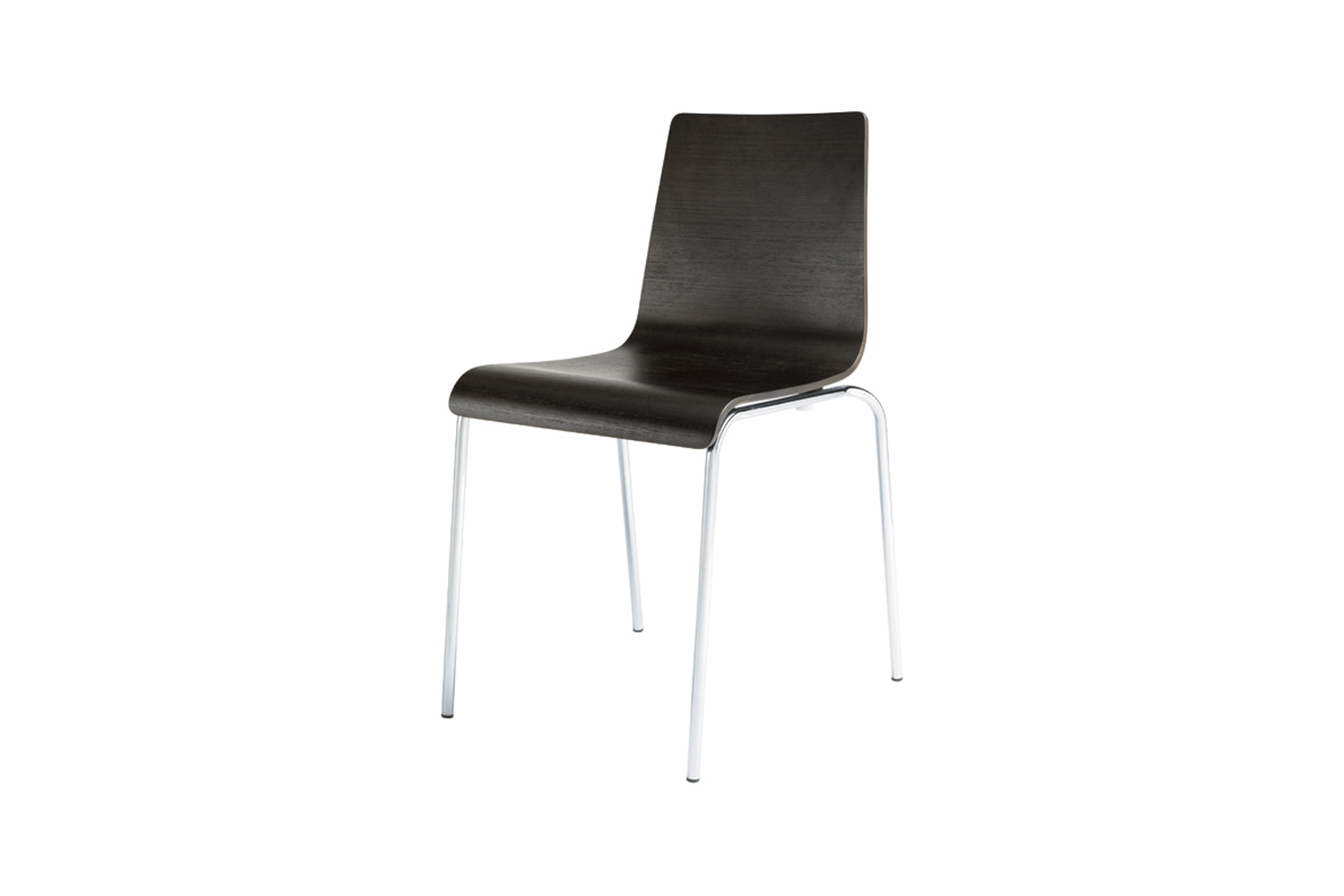
- Pros: Modern hybrid look; very durable metal base.
- Cons: The metal-on-wood aesthetic might not fit "pure" minimalist wood themes.
Buyer’s Guide: What to Look for in Bentwood Seating
Choosing a bentwood chair is an exercise in discerning quality from "fast furniture." Here is what you should consider before making an investment.
Material Quality: Beech is King
In the world of bentwood, not all timber is created equal. Red Beech and Oak are the industry standards for a reason. These hardwoods have long, straight fibers that respond best to steam-bending, maintaining their strength even after being bent into extreme angles. Birch, while beautiful and common in budget models (like IKEA), is a softer wood. It is more prone to warping over decades and is generally used in "molded" rather than "steam-bent" applications.
Ergonomics & Proportions
Minimalist chairs are often smaller than traditional upholstered dining chairs. To ensure comfort:
- The 10-12 Inch Rule: Ensure there are 10 to 12 inches of space between the top of the chair seat and the underside of your dining table.
- Backrest Flex: One of the joys of bentwood is the slight "give" in the backrest. When testing a chair, lean back slightly; it should feel supportive but not rigid like stone.
Pricing Tiers
- Entry-Level ($75 - $200): Typically birch veneer or rubberwood. Great for first homes but may need replacing in 5-10 years.
- Mid-Market ($300 - $600): This is the "sweet spot." You are looking at solid beech chairs from reputable European manufacturers like TON.
- Heritage/Designer ($700 - $1,500+): Pieces from Thonet, Fritz Hansen, or Bernhardt. These are heirloom items with higher resale value.
Maintenance
Steam-bent wood is a living material. To prevent warping:
- Avoid Direct Heat: Never place your chairs directly against a radiator or in the path of a powerful heat vent.
- Tighten Screws: Because bentwood chairs have fewer joints, the hardware they do have (like the screws on a Thonet No. 14) does a lot of work. Check and tighten them every 12 months.
- Humidity Matters: Extreme dryness can cause wood to become brittle. Aim for a consistent home humidity level of 40-50%.
FAQ
Are bentwood chairs comfortable for long dinner parties? While they lack the plushness of an upholstered chair, bentwood designs are prized for their ergonomic curves that mirror the human spine. For extra comfort, many owners add a slim, minimalist felt or leather seat pad.
Can I use bentwood chairs outdoors? Generally, no. Most bentwood chairs are made of beech or oak and finished for interior use. Moisture and direct sunlight can cause the wood to expand and the steam-bent curves to lose their tension. If you want the look for outdoors, look for aluminum "bentwood style" chairs.
Why is the Thonet No. 14 so famous? It was the first piece of furniture designed for global distribution. Its 6-piece assembly meant it could be flat-packed and shipped in bulk, essentially inventing the modern furniture industry.
Conclusion
The bentwood chair remains a favorite in the design world because it manages to be both a historic artifact and a modern necessity. Whether you choose the sculptural elegance of the Ant Chair or the simple honesty of the TON 002, you are investing in a design language that prioritizes efficiency and grace.
If you’re ready to transform your dining space, start with the chairs. They are the most tactile part of your dining experience—and in the case of bentwood, they are a beautiful reminder that the best designs are often the ones with the fewest parts.