We spend an incredible amount of time obsessing over our mattresses—rightfully so, considering we spend roughly 3,000 hours a year asleep. However, we often overlook the piece of furniture where we spend our next 1,000+ hours: the sofa. Whether you are binge-watching a series, reading to your kids, or working from home, your couch is a central hub of your life. Statistically, the materials in your sofa are responsible for nearly 25% of your sedentary indoor air exposure.
If you’ve ever noticed a "new furniture smell," you’ve experienced off-gassing. Conventional sofas are often cocktails of volatile organic compounds (VOCs), polyurethane foam, and "forever chemicals" (PFAS). Choosing a chemical-free sofa isn't just a design preference; it’s a vital step in improving your home’s indoor air quality.
A truly chemical-free sofa is defined by the absence of flame retardants, polyurethane foam, formaldehyde, and PFAS stain treatments. Instead, these pieces utilize "Inside Green" technology or natural fillings such as organic cotton, hemp, and natural latex. While these premium materials, particularly GOLS-certified organic latex, often push the starting price point to approximately $2,250, the investment pays off in both durability and respiratory health.
At a Glance: Top 3 Picks for 2025
| Feature | Sabai (The Elevate) | Medley (Lala Sofa) | 7th Avenue (Modular) |
|---|---|---|---|
| Best For | Eco-Conscious Budget | Natural Purity | Family/Pet Durability |
| Core Material | CertiPUR-US Foam | GOLS Organic Latex | OEKO-TEX Virgin Poly |
| Chemical Safety | PFAS-Free, No FR | Zero VOC, GOTS Fabric | PFAS-Free DWR Coating |
| Price Point | From $1,295 | From $2,250 | From $2,500 |
The 1,000-Hour Impact: Why Your Sofa Affects Your Health
When we talk about sustainable living, we usually focus on energy bills or solar panels. But as an editor focused on healthy home solutions, I’ve found that the air we breathe indoors is often more polluted than the air outside. The primary culprit? Your furniture.
Standard sofas are typically constructed with engineered wood held together by formaldehyde-based glues. The cushions are usually polyurethane foam—a petroleum product that off-gasses VOCs over time. Furthermore, "performance" fabrics are often treated with PFAS to repel stains, and many states still have legacy furniture treated with toxic flame retardants.
To truly improve indoor air quality, look for sofas that prioritize transparency. You aren't just buying a seat; you're buying a filtration-free environment.
The Hazardous Handful: What to Avoid
Before we dive into our top picks, you must know what to screen for. Follow the science: if a manufacturer can’t tell you exactly what is inside the cushions, it’s usually a red flag.
- Polyurethane Foam: This is the industry standard but is highly flammable and emits VOCs. It breaks down into toxic dust over time.
- Formaldehyde: Found in the resins of pressed wood or MDF frames. It is a known carcinogen.
- PFAS (Per- and Polyfluoroalkyl Substances): Used in "stain-resistant" coatings. These "forever chemicals" don't break down and are linked to various health issues.
- Flame Retardants: Chemicals like TDCPP or PBDEs are often added to foam. They are endocrine disruptors and can shed from the sofa into your household dust.
Decoding the Labels: Certifications You Can Trust
Navigating the world of "green" furniture can feel like wading through a sea of marketing buzzwords. To avoid greenwashing, look for these third-party certifications:
- ✅ GOTS (Global Organic Textile Standard): The gold standard for organic fibers (fabrics).
- ✅ GOLS (Global Organic Latex Standard): Ensures the latex in your cushions is at least 95% certified organic raw material.
- ✅ GREENGUARD Gold: The benchmark for low-VOC emissions. Products are tested for over 10,000 chemicals.
- ✅ FSC-Certified: Ensures the wood frame comes from responsibly managed forests.
10 Best Non-Toxic Sofas for 2025
1. Sabai: Best Overall & Eco-Conscious
Sabai has disrupted the industry by proving that sustainable, chemical-free furniture doesn't have to cost a fortune. Their sofas are designed with a "closed-loop" philosophy, meaning they offer a buy-back program and sell replacement parts to extend the life of your furniture.
- Materials: FSC-certified frames, recycled velvet or upcycled polyester, and CertiPUR-US certified foam.
- Sustainability Win: Their "Repair Don't Replace" program allows you to swap out arms or legs if they get damaged.
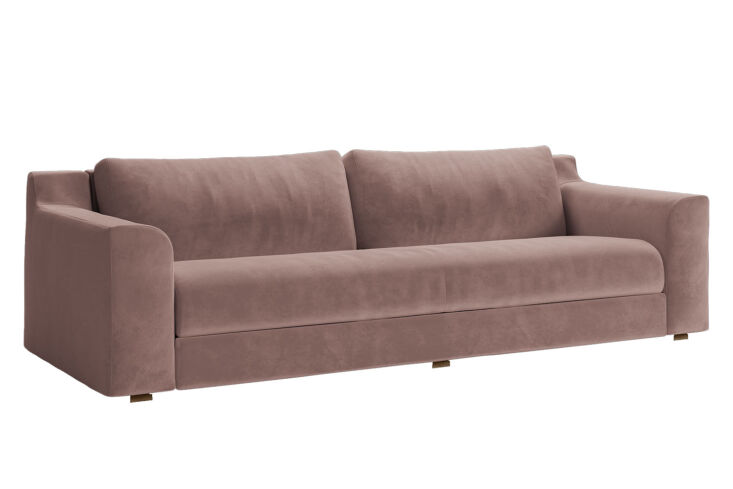
Material Audit: Sabai uses a mechanical bond for their fabrics rather than chemical coatings, ensuring no PFAS are shed into your living room.
2. Medley: Best Natural Latex Options
Medley is my top recommendation for those who want to avoid petroleum-based foam entirely. They offer a "Home Organic" cushion option that replaces standard foam with GOLS-certified Dunlop latex and organic wool.
- Materials: GOLS latex, organic wool (natural flame retardant), and solid maple frames.
- Price: Reflecting the premium for organic sourcing, their latex models typically start around $2,250.
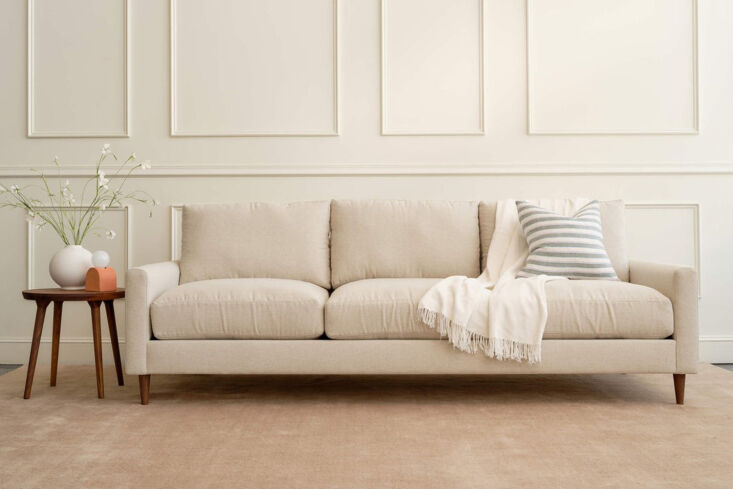
3. 7th Avenue: Best Non-Toxic Cloud Couch
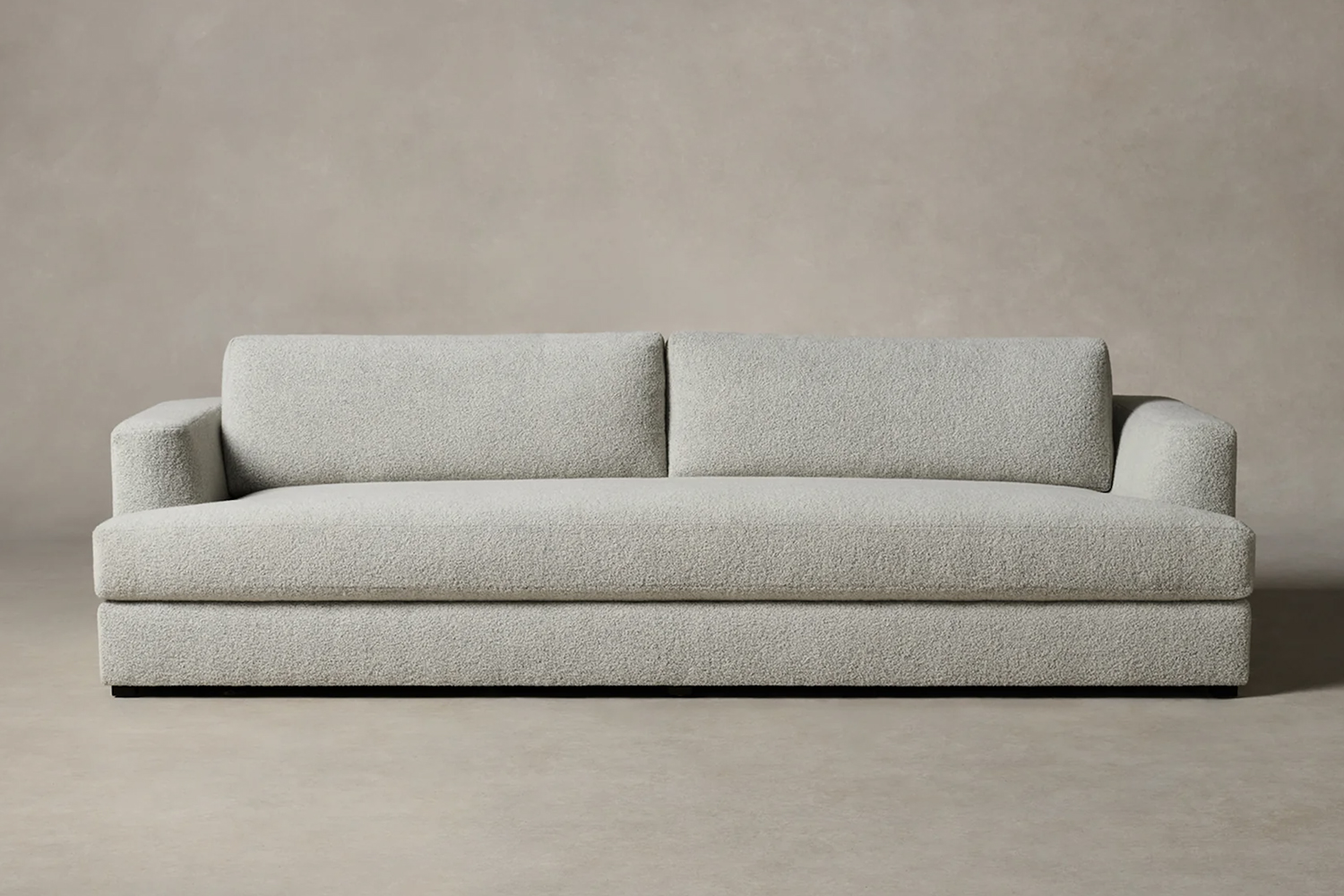
The "Cloud Couch" aesthetic is incredibly popular, but the original versions are often filled with high-VOC down and poly-fill. 7th Avenue offers a modular, functional alternative that is water-repellent without the use of PFAS chemicals.
- Key Spec: Their fabrics are OEKO-TEX certified, meaning they are tested for harmful substances, and their DWR (Durable Water Repellent) coating is PFC/PFAS free.
4. EcoBalanza: Best for Ultra-Sensitive Individuals
For those with Multiple Chemical Sensitivity (MCS), EcoBalanza is the industry leader. They are incredibly transparent about their "Inside Green" technology, using zero-VOC glues and purely natural fillings.
- Materials: Organic wool, organic cotton, and natural latex. No synthetic foams are allowed in their workshop.
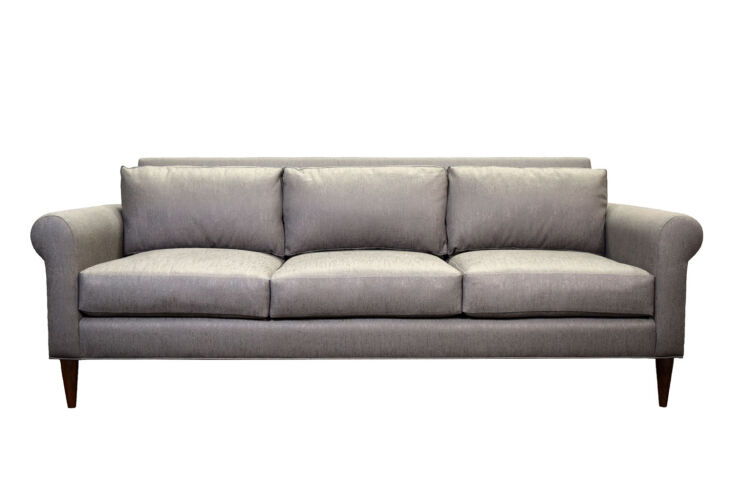
5. Pure Upholstery: Best American-Made Organic Heritage
Pure Upholstery focuses on old-world craftsmanship. They use solid wood frames joined with dowels and non-toxic glues, avoiding the formaldehyde found in modern plywood.
- Key Spec: Every sofa is wrapped in organic wool, which acts as a natural fire barrier, eliminating the need for chemical flame retardants.
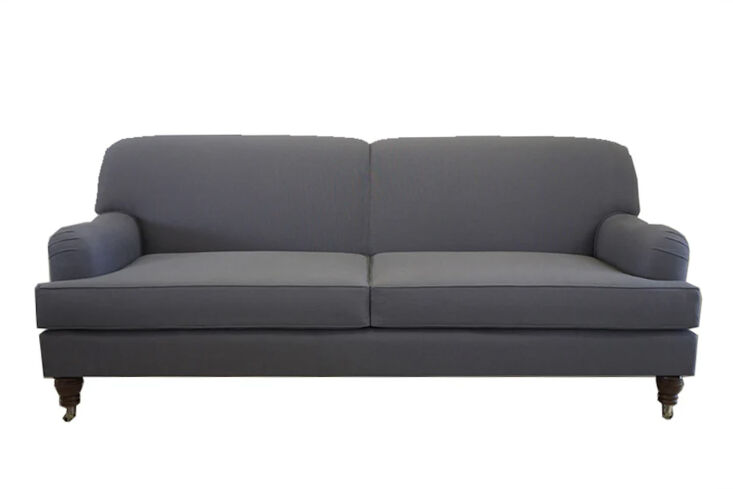
6. Savvy Rest: Best Plush Comfort (Talalay Latex)
While many brands use Dunlop latex (which is denser), Savvy Rest offers Talalay latex options. Talalay is generally softer and more "springy," providing a plush feel that mimics traditional foam without the off-gassing.
- Certifications: Their sofas are Cradle to Cradle (C2C) certified, meaning every component is assessed for human and environmental health.
7. Silk & Snow: Best PFAS-Free Performance
If you have kids or pets, you likely want a sofa that can handle spills. Silk & Snow offers stain-resistant fabrics that rely on dense weaving techniques rather than chemical sprays.
- Price: One of the most affordable entry points for high-quality, non-toxic furniture.
8. Home Reserve: Best Built-In Storage & Washability
Home Reserve is unique because their sofas are completely renewable. Every piece of fabric is machine washable and can be replaced individually. They use SFI-certified wood and high-density foam that meets strict emission standards.
9. Maiden Home: Best Designer Aesthetics
Maiden Home brings high-end designer styles to the non-toxic space. They use soy-based foam cores which reduce the petroleum content of the cushions significantly.
- Materials: Solid kiln-dried hardwood frames and Italian fabrics that are GREENGUARD Gold certified.
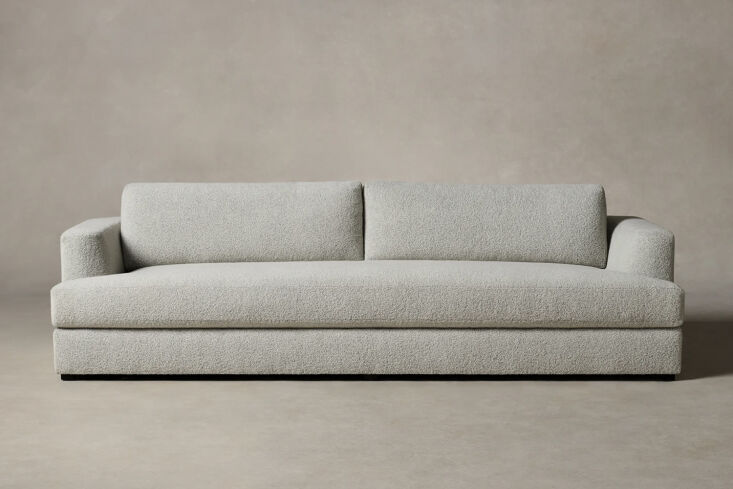
10. Joybird: Best Pet-Friendly & GREENGUARD Gold
Joybird offers a massive selection of fabrics that are specifically tested for low VOC emissions. They are an excellent choice for those who want a mid-century modern look without the vintage chemical smells.
- Eco-Initiative: They plant trees for every order placed, helping to offset the carbon footprint of production.
Buyer’s Checklist: How to Audit a Sofa
When you're shopping, don't just trust the "eco-friendly" tag. Use this checklist to conduct your own material audit.
- The Frame: Ask if the wood is solid or engineered. If it’s plywood or MDF, ensure it is CARB ATCM Phase II compliant (meaning low formaldehyde).
- The Filling: Natural latex is king. If you must choose foam, ensure it is CertiPUR-US or soy-based.
- The Fabric: Look for natural fibers like linen, cotton, or hemp. If it's synthetic, check for OEKO-TEX or GREENGUARD Gold certifications.
- The "Sniff Test": If you can visit a showroom, get close. A strong chemical smell indicates high VOC off-gassing.
- Fire Safety: Ask specifically: "Are there any chemical flame retardants added to this foam or fabric?"
Lucas’s Pro Tip: Many companies allow you to order fabric swatches. I always recommend getting a few and letting them sit in a sealed glass jar for 24 hours. Open the jar—if it smells like a plastic factory, that’s exactly what you’ll be breathing in your living room.
FAQ
Q: Why are chemical-free sofas so much more expensive? A: Traditional sofas use petroleum-based foam and engineered wood because they are incredibly cheap to produce. Natural materials like GOLS-certified organic latex, organic wool, and solid FSC hardwoods require more expensive harvesting and processing. However, these materials often last 2-3 times longer than synthetic alternatives.
Q: Can I get a stain-resistant sofa that doesn't use PFAS? A: Yes. Look for brands that use "mechanical" stain resistance (dense weaves) or OEKO-TEX certified fabrics. Some brands also use natural wool, which is inherently water-repellent and stain-resistant due to its lanolin content.
Q: Is CertiPUR-US foam completely chemical-free? A: Not quite. It is a polyurethane (petroleum) foam, but it is manufactured without ozone depleters, PBDEs, mercury, lead, or formaldehyde. It is a "better" choice for those on a budget, but natural latex is the "best" choice for total purity.
Conclusion
Improving your indoor air quality doesn't happen overnight, but replacing your largest piece of upholstered furniture is the most impactful step you can take. By choosing a sofa free from the "Hazardous Handful," you are reducing your daily exposure to toxins and investing in a piece of furniture that is better for both your family and the planet.
Ready to make the switch? Start by requesting swatches from Medley or Sabai to see how natural materials can still feel like pure luxury.