There is a specific kind of quiet that settles over a home when the clocks turn back and the light begins to fail by four in the afternoon. In the world of lifestyle editing, we call this "Nesting Season"—that intentional retreat into our private sanctuaries to recharge for the coming year. While many associate nesting with heavy wool throws and scented candles, my approach as a systems-driven editor has always been about the internal environment. To truly ground a home, you must first ground the body.
When the air turns crisp, my kitchen system shifts. I move away from the high-vibration salads of summer and toward the rhythmic, low-and-slow simmering of congee. Congee (or jook) is more than just rice porridge; it is a culinary embrace. It is a dish that asks very little of you—requiring only a handful of pantry staples—yet offers a profound sense of security. Its appeal lies in its simplicity and its remarkable ease of digestion, making it the ultimate "grounding" food. By stripping away the complexity of modern meals, congee allows our digestive systems to rest, redirecting that energy toward internal warmth and mental clarity.

The secret to a bowl that feels like a sanctuary rather than a chore starts with the grain itself. While you might be tempted to reach for the fragrant jasmine rice sitting in your pantry, the gold standard for a truly creamy, restorative congee is medium- or short-grain white rice, specifically Japonica or sushi rice. Because these varieties possess a higher starch content, they release a silky amylopectin as they simmer, creating a rich, cohesive texture that long-grain varieties simply cannot replicate.
Mastering the Basics: The Perfect Rice-to-Water Ratio
In home organization, we often say that "the system is only as good as its foundation." The same applies to congee. Achieving the perfect consistency is not a matter of guesswork; it is a matter of ratios. Depending on your mood and the time of day, you might prefer a congee that is thick and porridge-like or one that is thin and hydrating.
For a standard, soul-warming stovetop congee, I recommend the following ratios:
| Desired Consistency | Rice-to-Water Ratio (Volume) | Rice-to-Water Ratio (Weight) |
|---|---|---|
| Thick & Hearty | 1:6 | 1:15 |
| The "Golden Standard" | 1:8 | 1:20 |
| Thin & Silky | 1:10 | 1:25 |
I often describe the ideal texture using the "Blanket vs. Wall" analogy. A perfect congee should be like a soft, weighted blanket—fluid enough to move, yet substantial enough to provide comfort. If your spoon stands upright without help, you’ve built a "wall"; simply whisk in a little more hot water or broth to loosen the structure.
Sophie’s Tip: Always use a heavy-bottomed pot, such as a Dutch oven. The thick walls distribute heat more evenly, preventing the bottom from scorching—a common pitfall when working with starch-heavy liquids.
The 20-Minute Revolution: From Scratch to Soul-Warming
The traditional barrier to enjoying congee is time. Standard recipes often call for 45 to 60 minutes of active simmering and stirring to break down the rice kernels. However, for those of us juggling busy schedules, an hour at the stove isn't always feasible. This is where a bit of "kitchen engineering" changes the game.
By utilizing the frozen rice technique, you can reduce your cooking time by an incredible 60%. Instead of the traditional hour-long wait, you can have a bowl of creamy congee on the table in just 15 to 20 minutes.
The Frozen Rice Method
- Wash and Drain: Rinse your raw medium-grain rice until the water runs clear.
- Freeze: Place the damp rice in a freezer-safe bag and let it sit for at least 8 hours (or overnight).
- The Science: As the water inside the rice kernels freezes into ice crystals, it expands, physically fracturing the starch structure of the grain.
- Cook: Drop the frozen "puck" of rice directly into boiling water or stock. The weakened grains will disintegrate almost instantly, creating a thick, creamy porridge in a fraction of the time.
If you don’t have a stash of frozen rice ready, don't overlook your refrigerator. Leftover cooked rice is a fantastic shortcut for an "instant" congee.
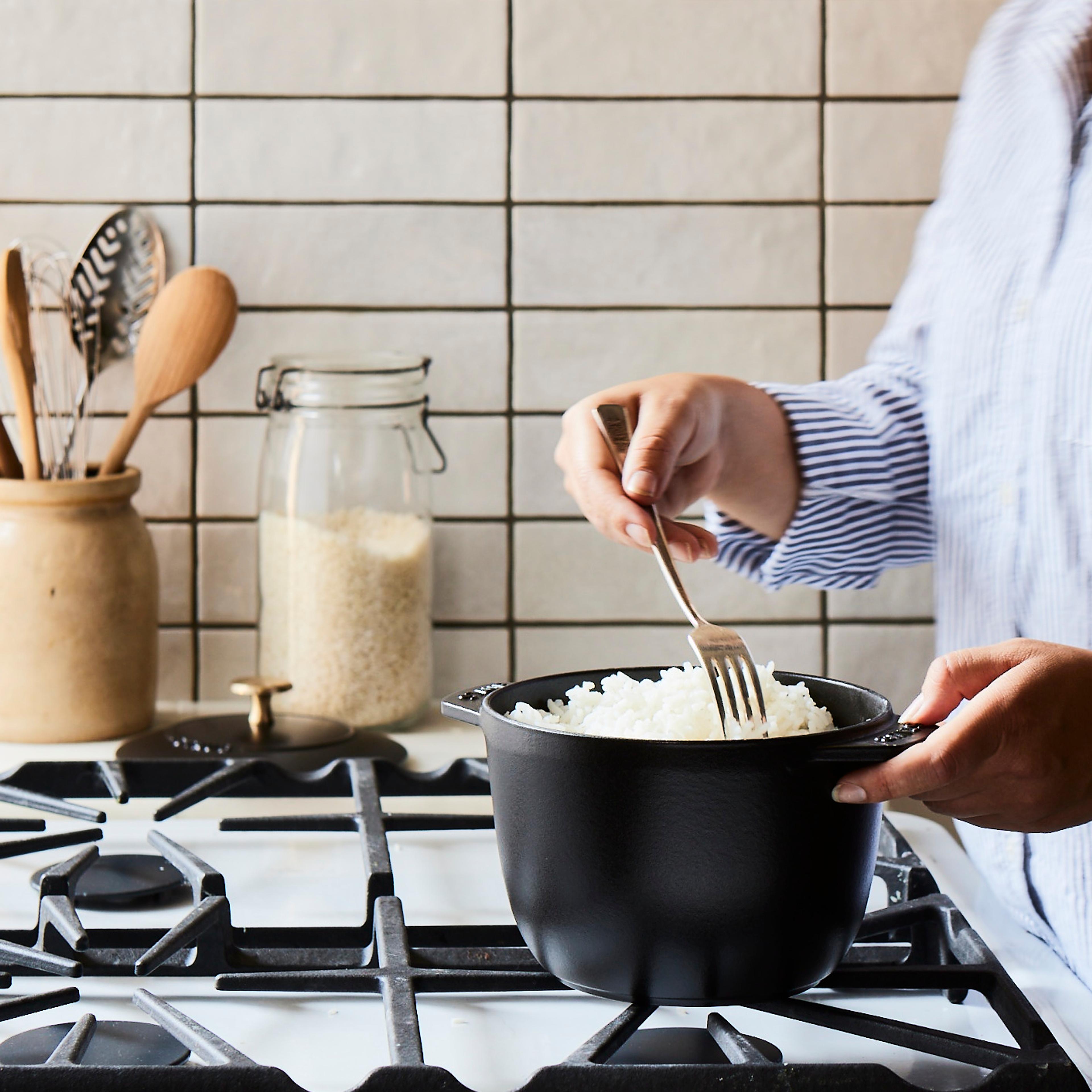
When using leftovers, use a 1:3 ratio of cooked rice to liquid. Whisk vigorously as it comes to a boil to help break up the clumps and release the remaining starches. It’s a low-waste, high-reward system that fits perfectly into a mindful home routine.
Elevating the Bowl: Add-ins and Flavor Profiles
While the rice provides the foundation, the toppings provide the personality. Historic culinary texts from the Qing dynasty, such as those by the scholar Yuan Mei, suggest that "perfect" congee relies on the specific balance of four elements: high-quality rice, pure water, controlled heat, and the right cooking vessel. Once you have mastered these four, the bowl becomes a canvas for seasonal expression.
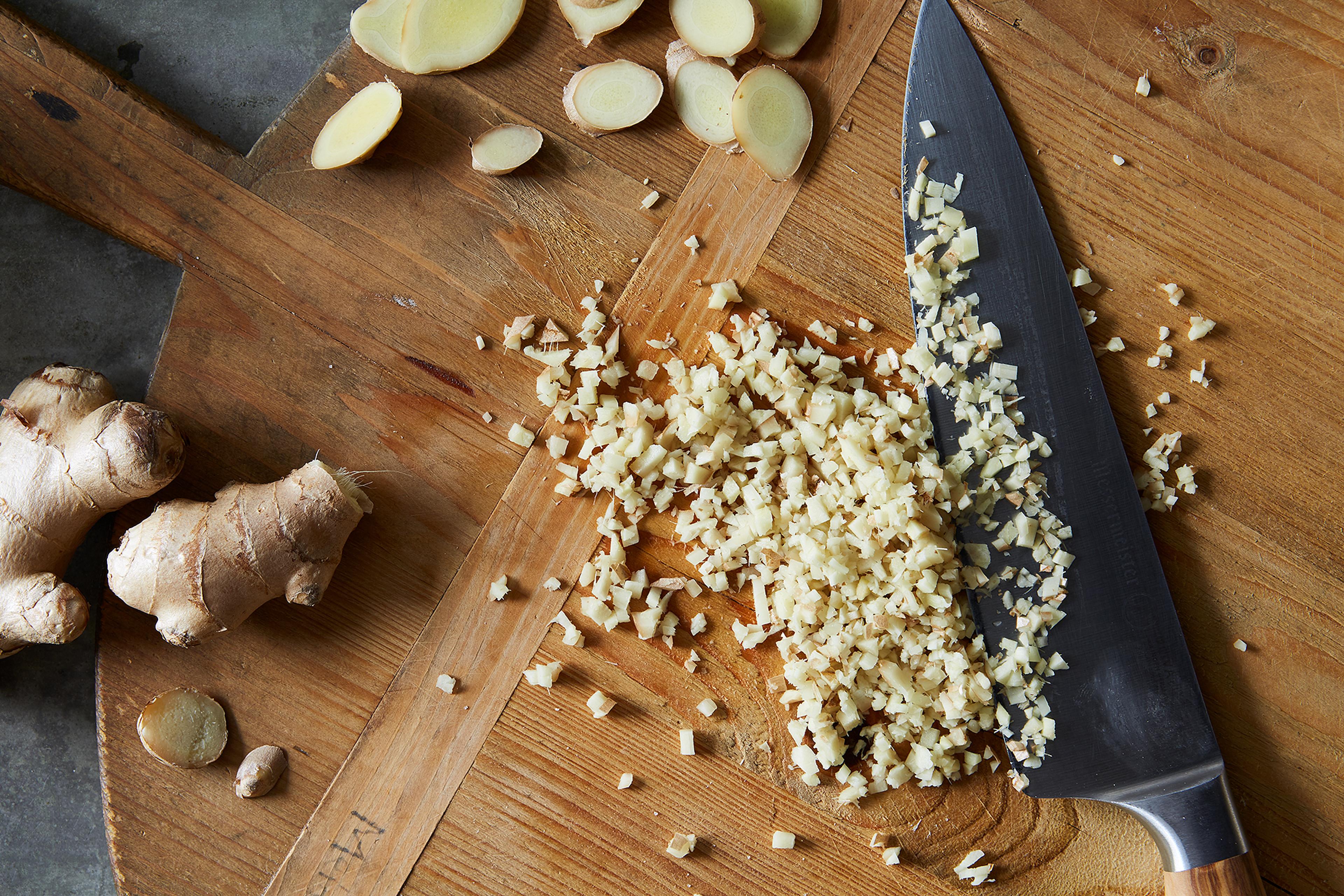
To truly brighten the earthy base of the rice, fresh aromatics are essential. I consider fresh julienned ginger to be non-negotiable. It provides a sharp, clean heat that cuts through the starch and aids in the "grounding" digestive process.
Classic and Modern Pairings
For a traditional nesting experience, one cannot ignore the Cantonese Pork and Century Egg (Pidan) method. The creaminess of the preserved egg melts into the porridge, creating a complex, umami-rich depth. However, if you are looking for something more contemporary, the beauty of congee is its versatility.
- The Savory Standard: Soy sauce, sesame oil, and a flurry of sliced scallions.
- The Texture Play: Fried dace, crispy shallots, or you tiao (Chinese crullers) for that essential crunch.
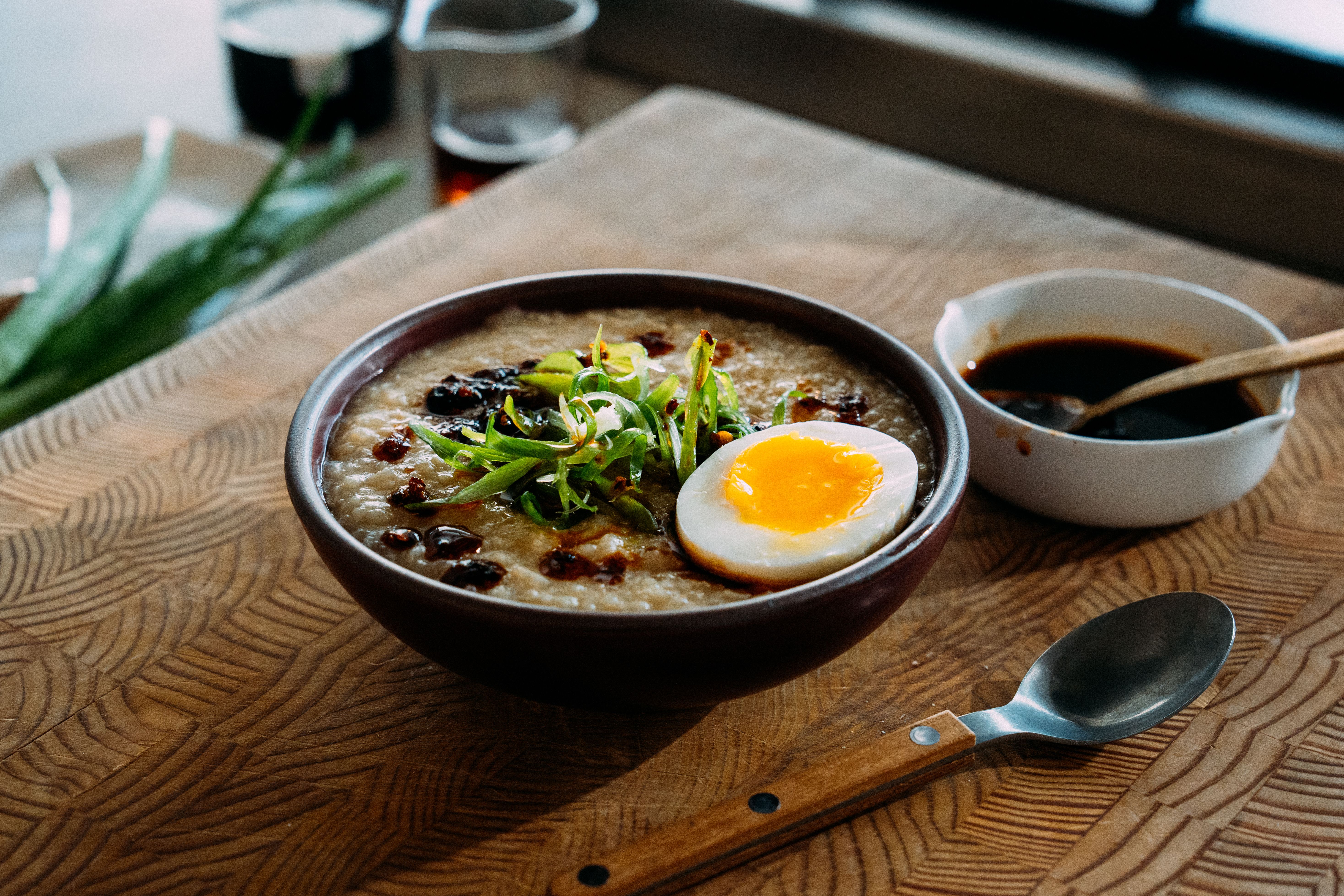
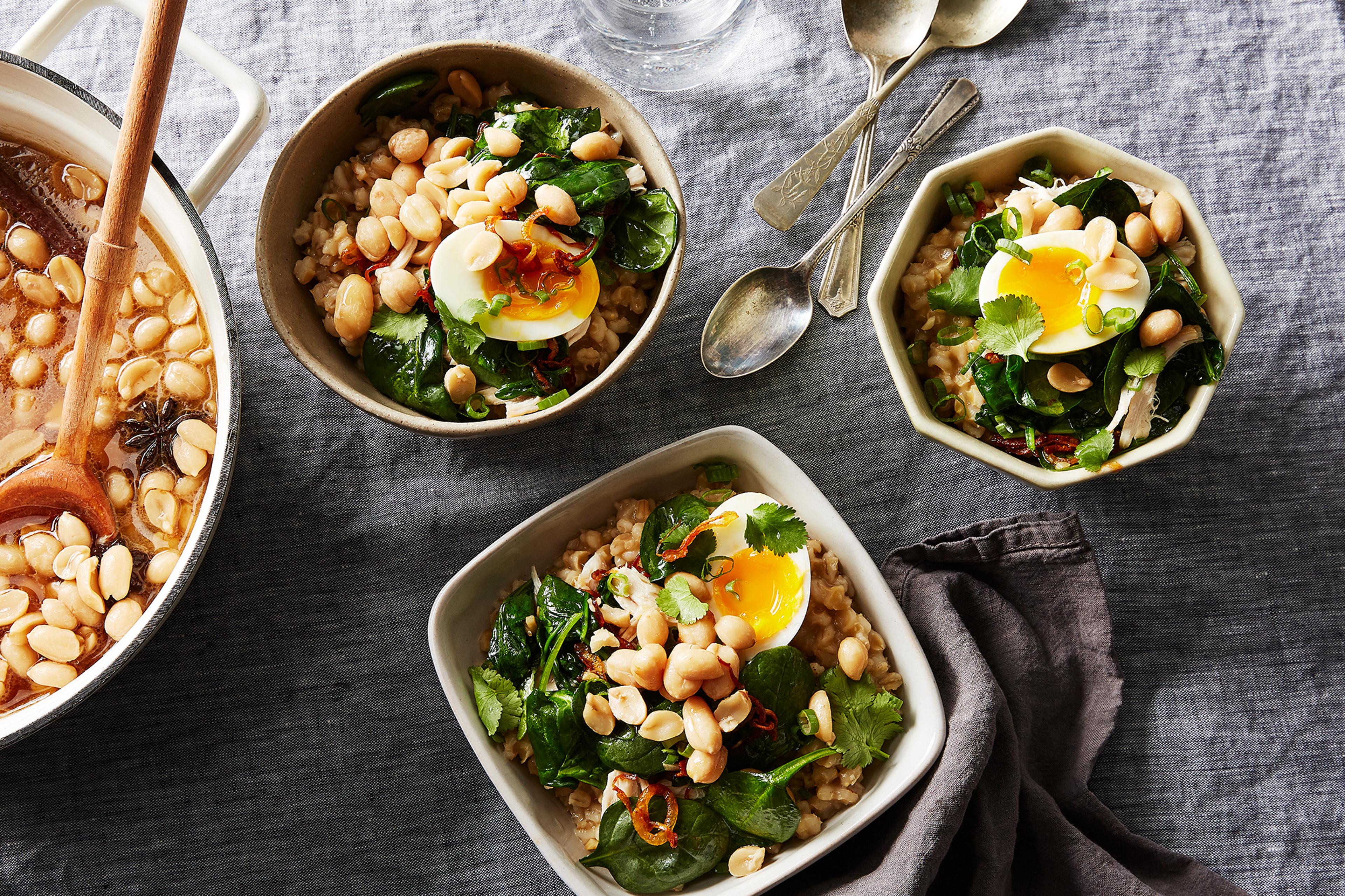
- The Modern Nest: A swirl of chili crisp, a soft-poached egg, and a drizzle of toasted seed oil.
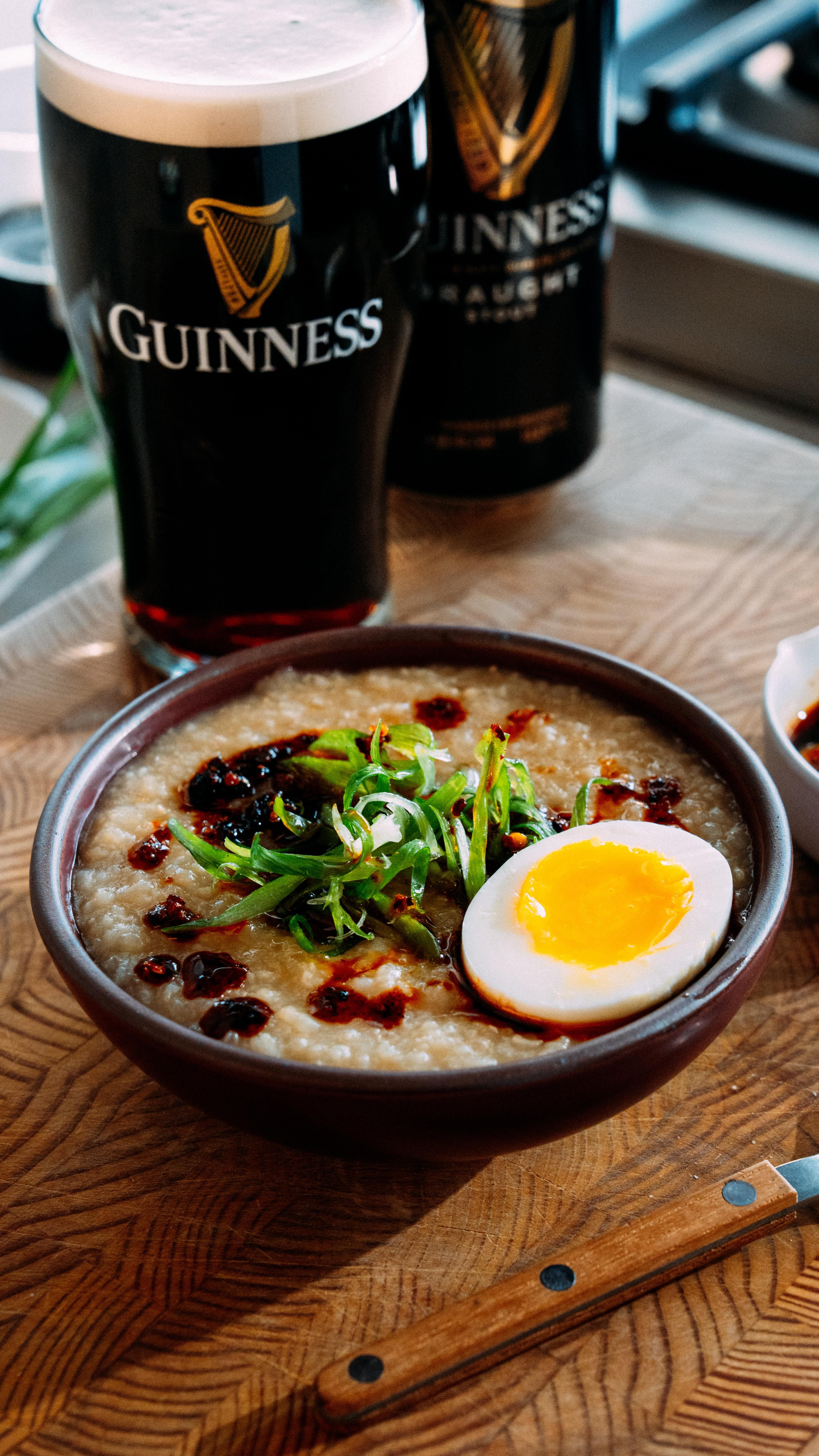
One of my favorite "unconventional" nesting tips is to pair a savory congee with a small glass of Guinness or a dark stout. The malty, chocolatey notes of the beer complement the toasted, nutty undertones of the rice, creating a pairing that feels deeply sophisticated yet inherently cozy.
Seasoning Secrets: When and How to Salt
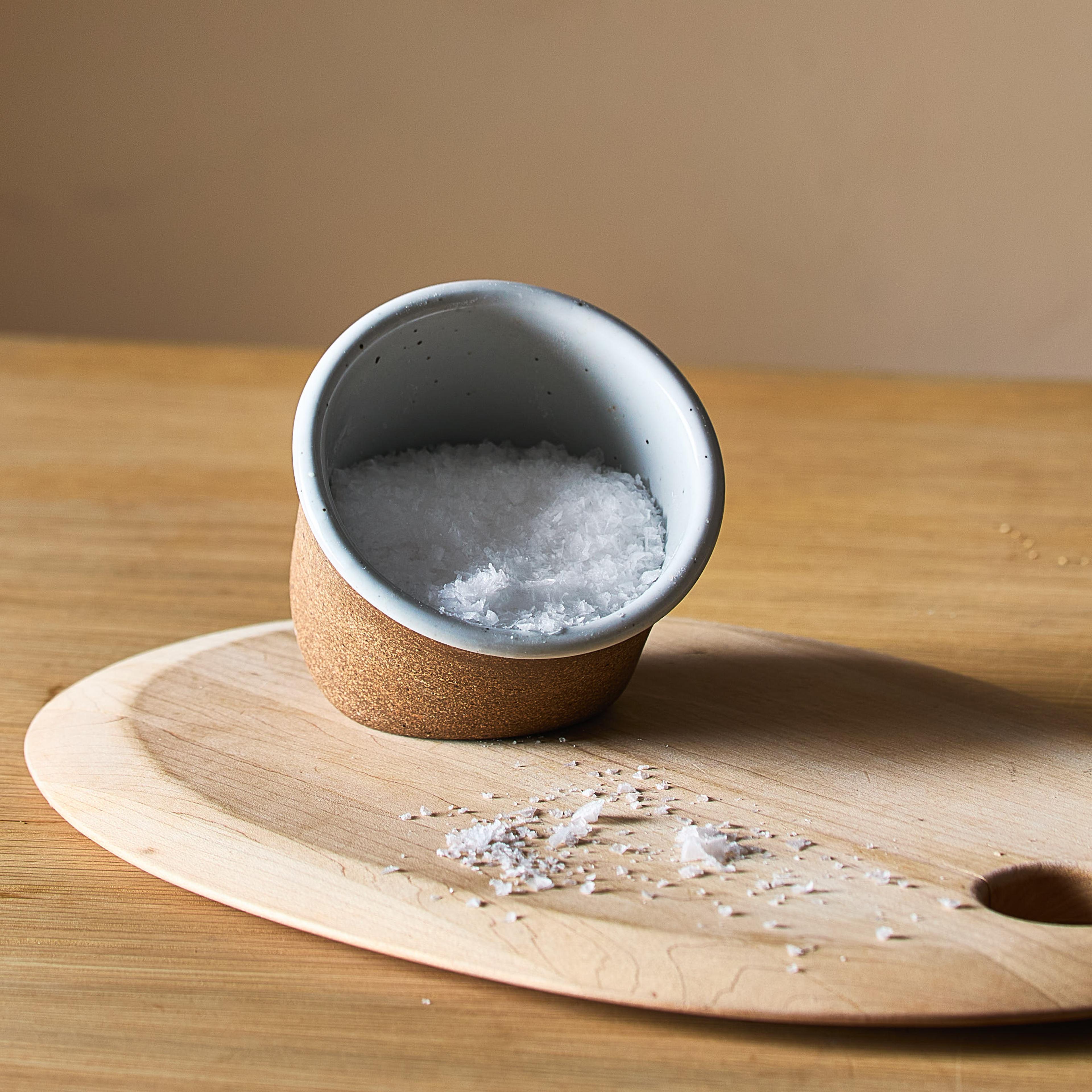
In home organization, timing is everything—and the same is true for seasoning your congee. One of the most common mistakes is salting the pot too early. Because congee involves a significant amount of evaporation and reduction, salting at the beginning can result in an overly salty finished product as the liquid disappears.
Sophie’s Seasoning Rule: Always wait until the rice has fully broken down and you have achieved your final desired thickness before adding salt.
For an authentic, warming flavor profile, I prefer using white pepper over black. White pepper offers a more floral, fermented heat that blends seamlessly into the white porridge without leaving dark specks, maintaining the "calm" aesthetic of the dish.
FAQ
Q: Can I make congee in a slow cooker or Instant Pot? A: Absolutely. For a slow cooker, use the 1:8 ratio and cook on low for 6–8 hours (ideal for a "set it and forget it" breakfast). For an Instant Pot, use a 1:7 ratio and the "Porridge" setting for 20 minutes with a natural pressure release.
Q: Is it possible to make congee with brown rice? A: Yes, though it will have a much nuttier flavor and a "chewier" texture. Brown rice lacks the high surface starch of white rice, so it will never be quite as creamy. If using brown rice, I recommend blending a small portion of the cooked porridge to create an artificial creaminess.
Q: How long does congee keep in the fridge? A: Congee stays fresh for 3–4 days in an airtight container. Note that it will thicken significantly as it cools (the starch sets). When reheating, simply add a splash of water or broth and whisk over medium heat to restore its silky texture.
Nesting season is a time to be kind to yourself and your home. By mastering the simple system of congee, you create a repeatable ritual of comfort that requires minimal effort but yields maximum emotional and physical return. Tonight, put the phone away, turn down the lights, and let a simple pot of rice bring you back to center.