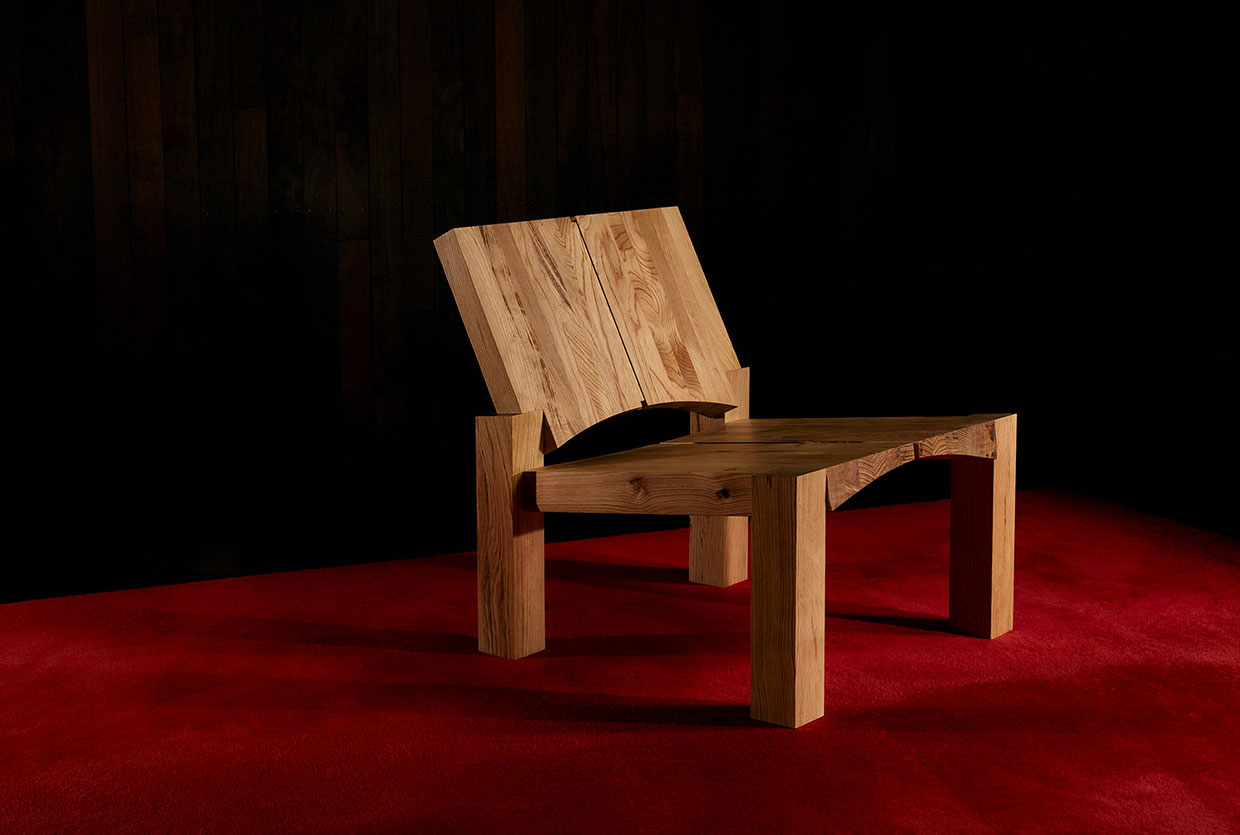
When a sixty-year-old Monterey Pine at 290 Walsh Street finally succumbed to time, it wasn't a loss to be mourned in silence. For those who understand the architectural vernacular of Melbourne, it was a moment of profound transformation. This tree, heritage-listed as 'T1', didn't just stand in a garden; it stood as a silent witness to the evolution of Australian Modernism at the iconic home of architect Robin Boyd. Today, that legacy has been distilled into exactly twenty physical forms: the Knot Pine collection.
Quick Facts: The Knot Pine Limited Edition
- Designer: Alexsandra Pontonio in collaboration with the Robin Boyd Foundation.
- Edition Size: Strictly limited to 20 handcrafted pieces.
- Material: Salvaged 60-year-old Monterey Pine (T1) from the Walsh Street residence.
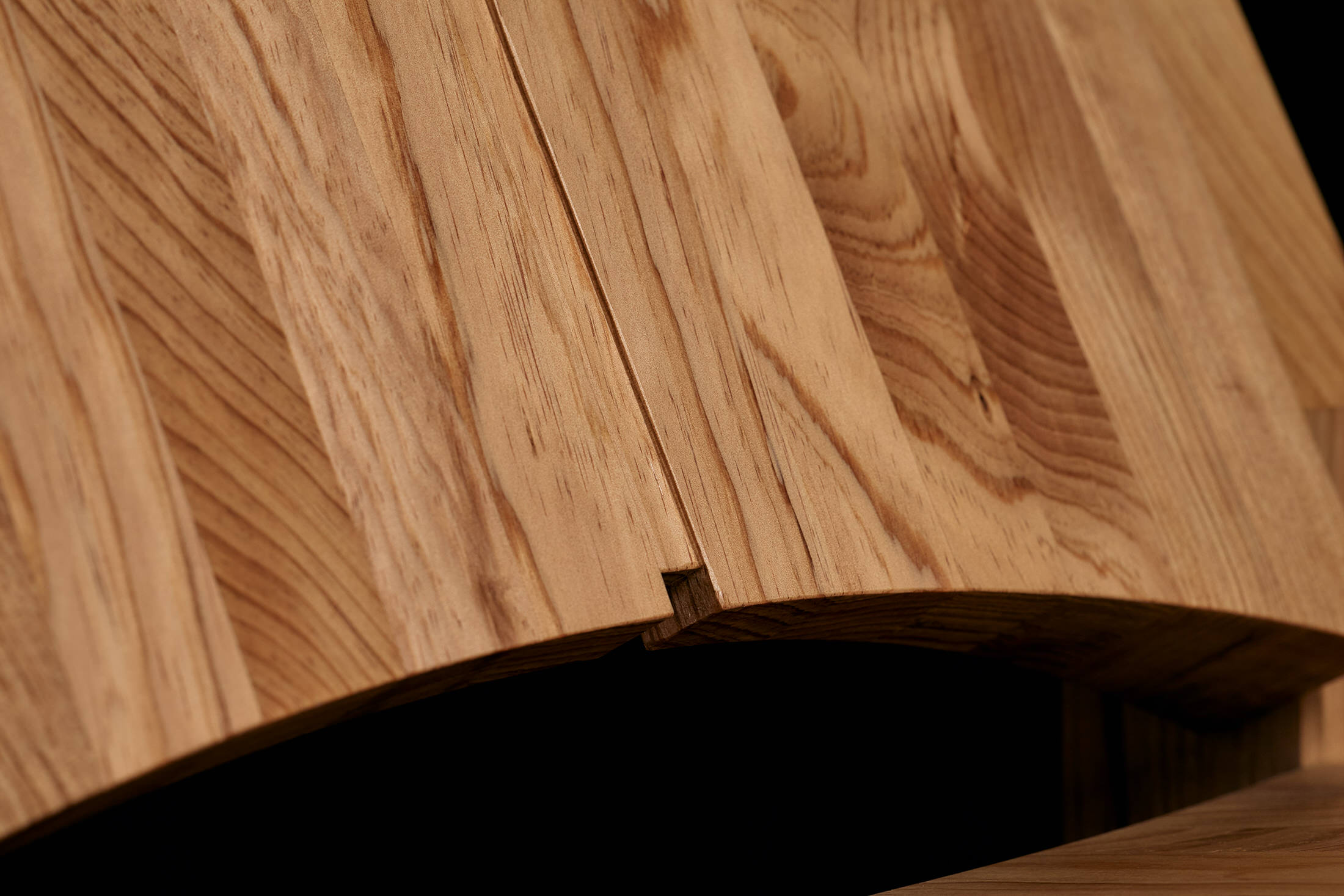
- Craftsmanship: Hand-carved joinery finished with natural hardwax oil to preserve the timber's "craggy beauty."
- Impact: All proceeds support the Robin Boyd Foundation’s mission to preserve Australian modernist heritage.
- Market Context: A flagship example of the 2026 "Pine Renaissance," which has seen a 500% increase in artisanal pine furniture investment.
The Pine Renaissance: Why 2026 Belongs to 'Humble' Timber
For decades, pine was the "democratic" material—the utilitarian choice of the mid-century DIY movement and, later, the flat-pack revolution. However, as we move through 2026, a significant philosophical shift has occurred. Collectors are no longer chasing the dark, heavy opulence of tropical hardwoods. Instead, there is a burgeoning movement toward "warmth, honesty, and quiet charm."
Market data from platforms like Vinterior has confirmed this seismic shift, showing a 500% year-on-year increase in sales of vintage and artisanal pine pieces. We are witnessing the elevation of pine from a humble building material to an investment-grade collector’s choice. This trend isn't about mass production; it’s about Material Alchemy—the ability of a designer to take a "low" material and, through provenance and skill, turn it into something precious.
The Knot Pine collection is the zenith of this trend. It represents a transition from furniture as a commodity to furniture as a narrative. Collectors aren't just buying a place to sit; they are acquiring a piece of the Walsh Street landscape, a fragment of history that has been seasoned by six decades of Melbourne sun and wind.
The Story of T1: A 60-Year-Old Modernist Witness
To understand the Knot Pine chair, one must understand Walsh Street. Completed in 1958 for his own family, Robin Boyd’s residence is a masterpiece of Australian Modernism. It was a manifesto in glass and timber, designed to embrace the landscape rather than conquer it. At the heart of this environment stood the Monterey Pine (T1).
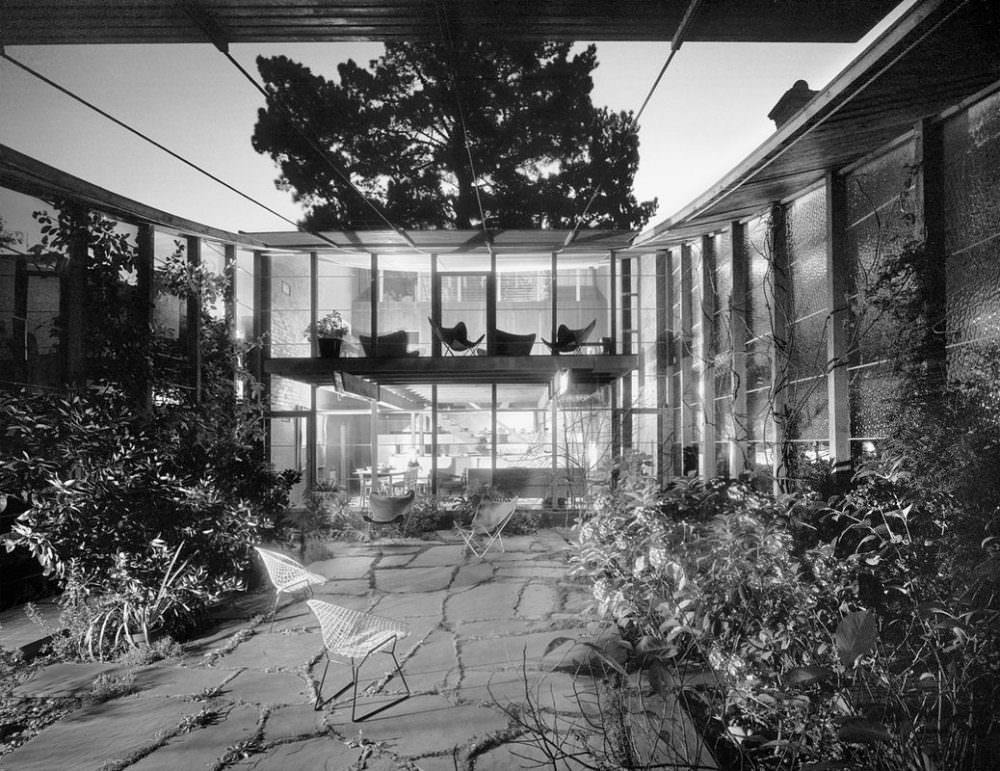
Boyd’s philosophy was often a critique of what he called "The Australian Ugliness"—the tendency toward superficial decoration and the destruction of natural assets. He believed in the integrity of materials. The Monterey Pine was an integral part of his vision, providing shade, scale, and a tactile connection to the earth. When the tree reached the end of its life cycle in 2019, the Robin Boyd Foundation faced a choice: mulch it, or immortalize it.
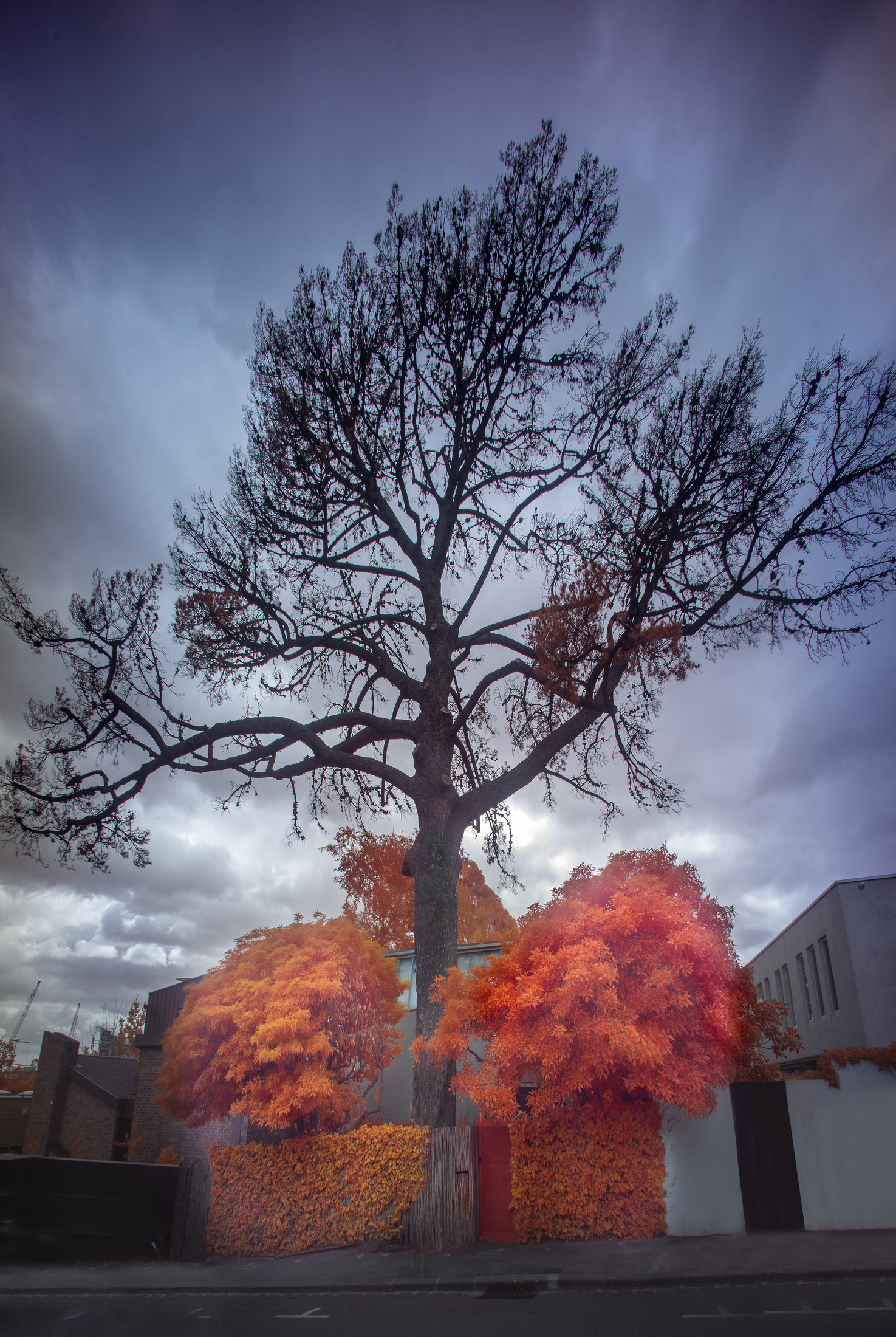
By choosing the latter, the Foundation ensured that the tree’s transition from landscape to furniture remained true to Boyd’s modernist ideals. The heritage listing 'T1' wasn't just a bureaucratic label; it was a testament to the tree’s status as an architectural element in its own right.
The Knot Pine Collection by Alexsandra Pontonio
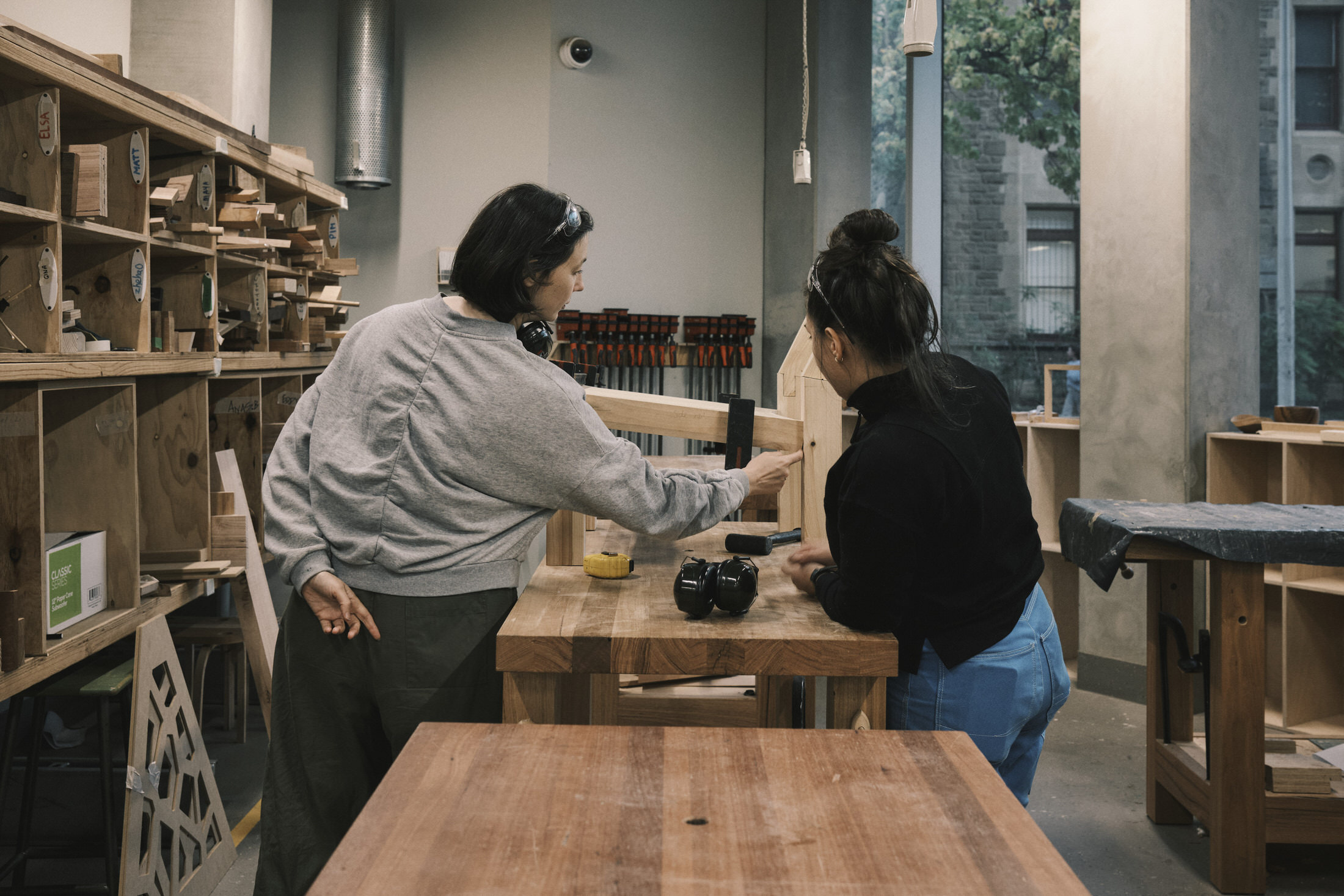
The task of translating this heritage timber into a functional object fell to Melbourne-based designer Alexsandra Pontonio. Known for her sensitive approach to timber and her ability to let the material dictate the form, Pontonio has created something that feels both contemporary and timeless.
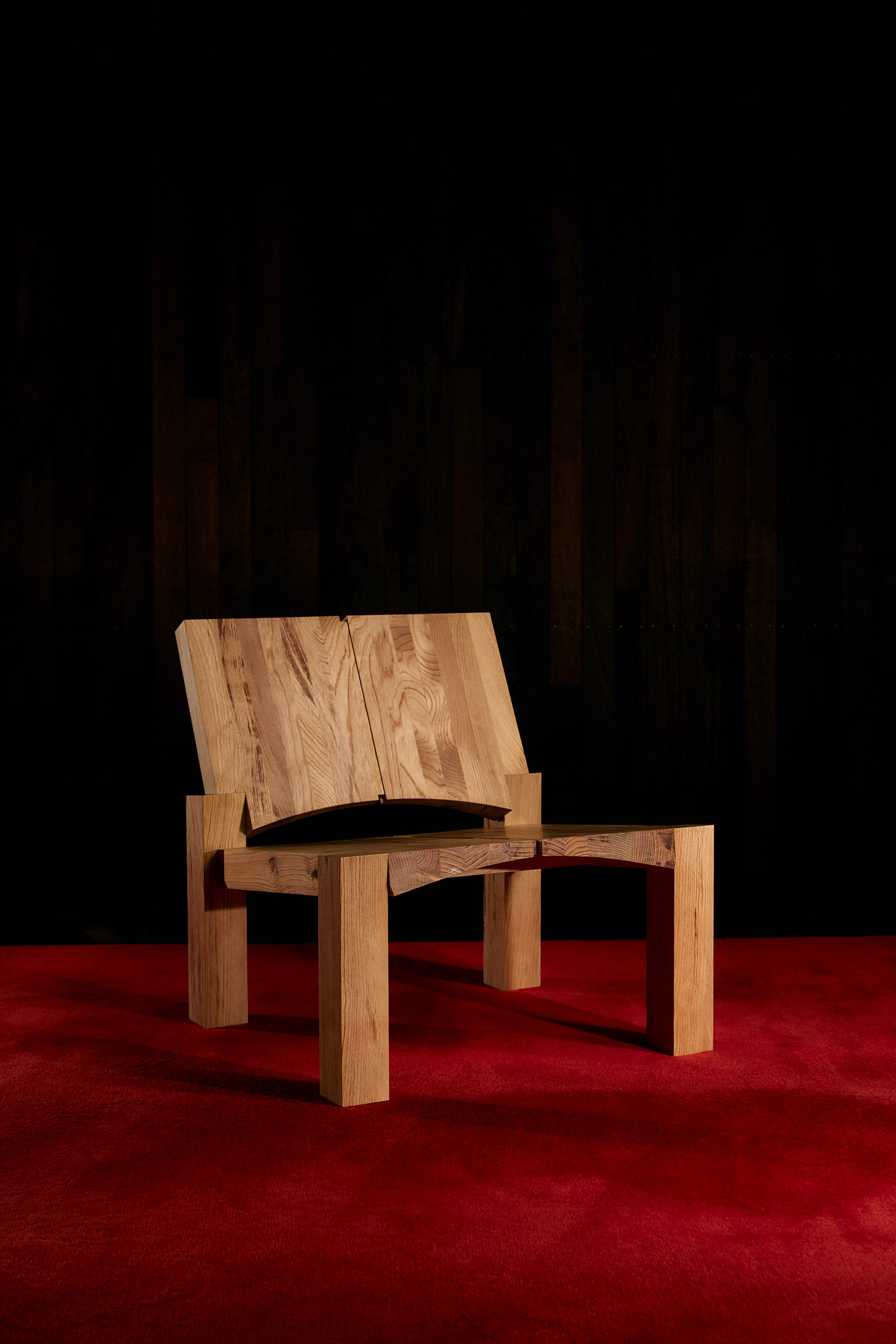
Each of the 20 chairs is a masterclass in restraint. Handcrafted from the salvaged Monterey Pine, the design focuses on the structural honesty that Boyd championed. The chairs are finished with a simple hardwax oil, allowing the pale, creamy tones of the pine to breathe and age naturally.
Design Specifications & Rarity
The "Edition of 20" is not an arbitrary number. It is the physical limit of what the single T1 tree could provide. This strict limitation defines the collection’s value. In an era of infinite digital reproduction, there is something profoundly moving about an object that is finite by its very nature.
| Feature | Specification |
|---|---|
| Material | Salvaged Monterey Pine (Pinus radiata) |
| Quantity | 20 Pieces, Numbered |
| Finish | Natural Hardwax Oil |
| Designer | Alexsandra Pontonio |
| Origin | Walsh Street, South Yarra, Victoria |
Material Alchemy: Challenging the Status of Softwood
Traditional fine furniture making often shuns pine because of its knots and its "softness." Pontonio turns this prejudice on its head. The collection is named "Knot Pine" as a defiant celebration of these natural "imperfections."
While mid-century "Crate" furniture or Enzo Mari’s Autoprogettazione concepts used pine for its accessibility and ease of assembly, the Knot Pine collection elevates it through high-end joinery. This is not a weekend DIY project; it is an exploration of the "craggy beauty" found in the grain.
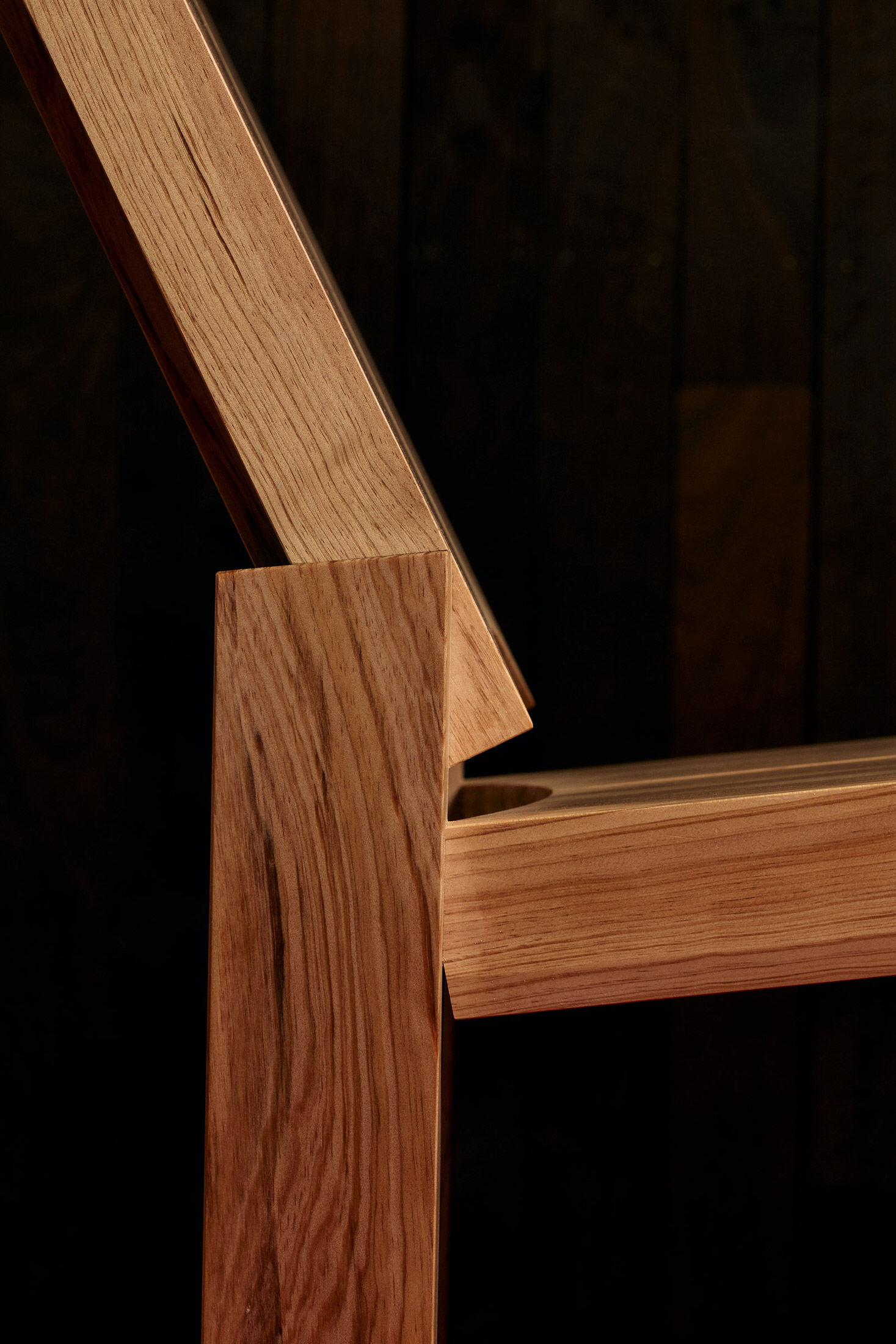
The knots in the wood—the very points where branches once reached out toward the Walsh Street courtyard—are treated as focal points. They are the fingerprints of the tree’s history. By highlighting these features, Pontonio challenges the viewer to see the elegance in the irregular.
Investing in Modernist Heritage
Purchasing a Knot Pine chair is more than a transaction; it is an act of legacy preservation. The proceeds from the sale of these 20 pieces go directly to the Robin Boyd Foundation. This organization is the frontline of preserving Australian modernist architecture, maintaining the Walsh Street residence as a living museum and a hub for design education.
As a designer editor, I often see "limited editions" that feel like marketing gimmicks. This is different. This is a closed-loop story of a site, a tree, a designer, and a mission. It is investment-grade design because it possesses something rare in the modern market: absolute provenance.
Styling the Knot Pine in Contemporary Spaces
How do you style a piece that carries such historical weight? The key is to treat it as "functional art."
- The 'Modernist Gallery' Look: Place the chair against a neutral, lime-washed wall or a concrete floor. Let its sculptural profile be the focal point.
- Layering Textures: Following the trends seen in The Oblist, pair the warm, matte finish of the pine with cool, industrial materials. A Knot Pine chair sitting next to a smoked glass coffee table or a brushed steel lamp creates a sophisticated tension between the organic and the man-made.
- The "Quiet Luxury" Corner: Use it as a solo piece in a reading nook, perhaps paired with a simple wool throw in an earthy ochre or charcoal. The goal is to allow the "honesty" of the material to ground the room.
FAQ
Q: Is pine durable enough for everyday use in a collector's chair? A: While pine is a softwood, the Knot Pine chairs are constructed using expert joinery and finished with a high-quality hardwax oil that protects the timber while allowing it to develop a beautiful patina over time. Like any investment piece, it should be treated with care, but it is designed to be lived with.
Q: How do I know if a Knot Pine chair is authentic? A: Each of the 20 pieces is numbered and comes with documentation from the Robin Boyd Foundation certifying that the timber was sourced from the heritage-listed T1 Monterey Pine at Walsh Street.
Q: Can I view the chairs before purchasing? A: The Robin Boyd Foundation occasionally hosts viewings at the Walsh Street residence. It is highly recommended to join their mailing list for exclusive access to these limited-release events.
Final Thoughts
The Knot Pine collection is a reminder that the most beautiful things in our homes aren't always the most expensive materials, but the ones with the deepest stories. In the hands of Alexsandra Pontonio, a dying tree has been given a second life—one that will likely last another sixty years or more, inside the very homes that the Robin Boyd Foundation works so hard to inspire.