We have all been there: a beautifully curated dinner party, candlelight flickering against a sculptural centerpiece, and a menu that promises a culinary journey. Yet, thirty minutes into the main course, you find yourself shifting weight, crossing and uncrossing your legs, and eyeing the sofa with desperate longing. The culprit? A dining chair that was designed for a photograph rather than a human being.
For too long, the "Instagrammable" silhouette has dictated our furniture choices. We have prioritized the slim legs of Mid-Century replicas or the rigid geometries of avant-garde minimalism, often at the cost of our physical well-being. But the tide is turning. According to 2026 furniture industry forecasts, a staggering 72% of luxury consumers now prioritize ergonomic support and stain-resistant performance fabrics over purely aesthetic design choices. We are entering an era of "Intentional Living," where the measure of a great room isn’t just how it looks on a screen, but how it feels during a three-hour conversation.
A truly high-quality modern dining chair is no longer just a seat; it is an engineered piece of wellness equipment. It is characterized by a weighted, stable base and ergonomic support that facilitates long-form interaction. It’s time to stop settling for "pretty but painful." Here is how we redefine the dining experience through the lens of comfort-first design.
Rule 1: Master the Ergonomic Measurements
In my years as an editor, I’ve found that the biggest mistake homeowners make is choosing chairs based on their height relative to the table, without considering the depth of the seat. A chair that is too deep cuts off circulation at the back of the knees; one that is too shallow leaves you feeling perched and precarious.
To ensure what I call "dinner party stamina," you must look for specific metrics. The "Sweet Spot" for seat depth typically falls between 16 and 18 inches. This allows the sitter to utilize the backrest fully without the front edge of the seat digging into their legs. Furthermore, the seat height should remain consistently between 17 and 19 inches from the floor to accommodate the standard 30-inch dining table.
The catch is that aesthetics often try to hide these numbers behind sleek, low-slung profiles. However, true comfort requires a lumbar curve—a slight protrusion or contour that meets the lower back. Without it, the spine slumps, the shoulders round, and the joy of the meal evaporates into back fatigue.
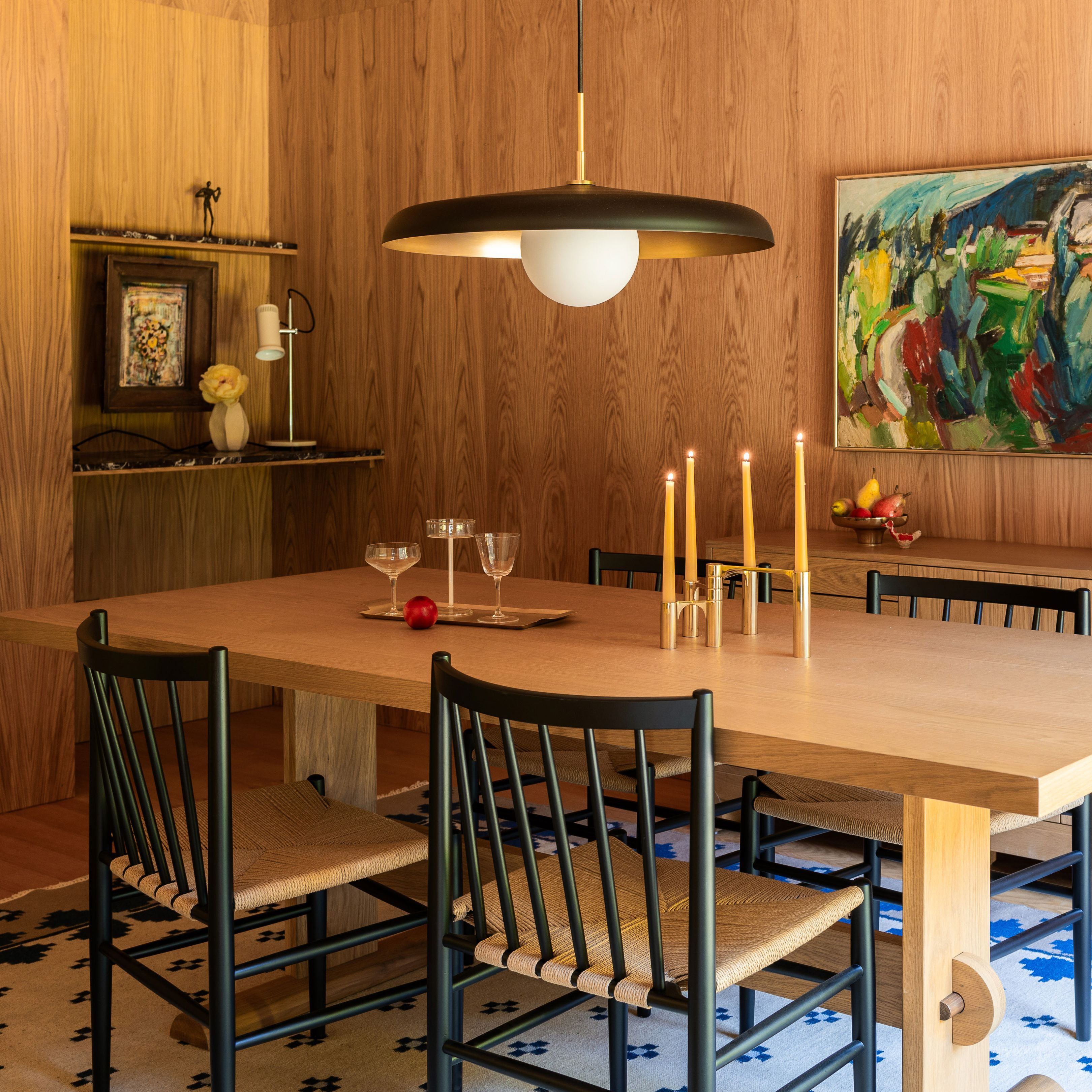
Rule 2: Invest in ‘Weighted’ Materiality
There is a psychological component to comfort that many designers overlook: the feeling of stability. A chair that feels "flimsy" or "light" triggers a subconscious tensity in the body. You find yourself bracing your core because you don't fully trust the furniture to hold your weight during a laugh or a lean.
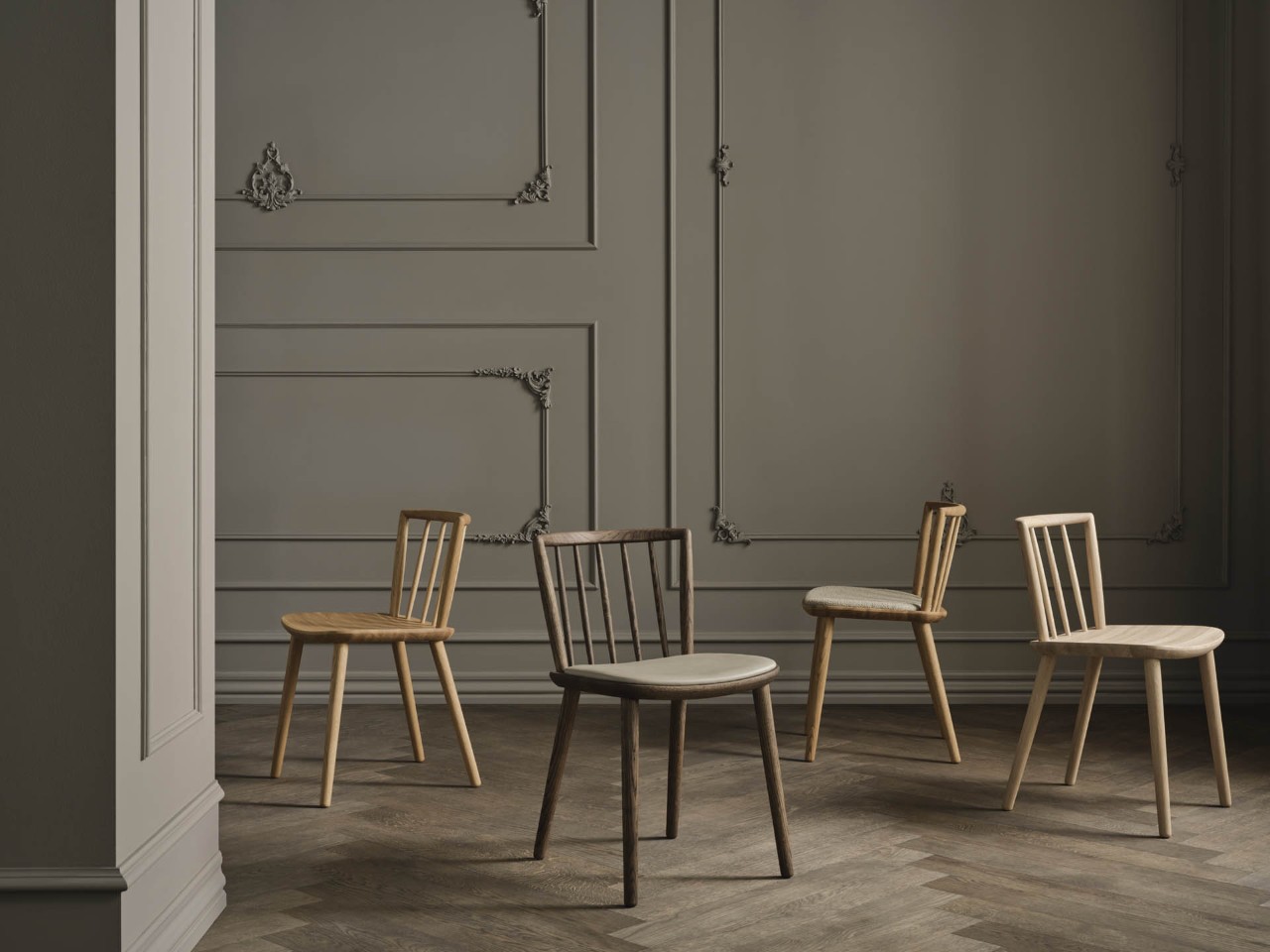
I always advocate for "Weighted Materiality." This doesn't mean the chair must be immovable, but it should have a grounded, stable base. Solid woods like oak and walnut are the gold standards here. They offer a natural warmth and a tactile density that metal or plastic simply cannot replicate.
Beyond the frame, consider the breathability of the materials. Natural cane and woven cord have seen a massive resurgence not just for their boho-chic aesthetic, but because they offer natural "give" and airflow. They conform to the body’s shape in a way that rigid wood or cold metal does not.
| Material | Comfort Level | Durability | Best For... |
|---|---|---|---|
| Solid Walnut/Oak | Medium (Requires Contouring) | Very High | Heirloom quality, timeless warmth. |
| Natural Cane | High (Breathable & Flexible) | Medium | Casual dining, airflow in warmer climates. |
| Upholstered Performance Fabric | Very High (Cushioned) | High | Long-form entertaining, families with kids. |
| Tubular Steel | Medium (Bounce/Flex) | Very High | Modern/Industrial aesthetics, high-traffic use. |
Ivy’s Insider Tip: When testing a chair, don’t just sit for ten seconds. Sit for five minutes. Cross your legs, lean back as if laughing, and shift your weight. If you feel the need to adjust your posture more than twice, the chair has failed the comfort test.
Rule 3: The Rise of ‘Institutional’ Comfort
One of the most disruptive trends we are seeing for 2026 is the migration of "institutional" furniture into the domestic sphere. Specifically, the repurposing of vintage office and library chairs for the dining room.
Can an office chair really work at a dining table? Absolutely. In fact, vintage 1970s office chairs—think Bauhaus-inspired tubular steel or heavy-set library chairs—were engineered for eight hours of continuous sitting. They offer superior lumbar support and seat pans designed to distribute weight evenly. This "utilitarian" aesthetic brings a sense of groundedness and history to a modern home.
Market data indicates a 45% increase in the resale value of these institutional pieces. Why? Because they offer a "lived-in" comfort that many contemporary, mass-produced dining chairs lack. The slight "flex" in a tubular steel frame acts as a shock absorber for the body, making it the perfect companion for long, wine-soaked evenings.
Rule 4: Performance Fabrics as the New Luxury
The fear of the "red wine spill" has historically driven people toward hard, uncomfortable surfaces like wood or plastic. But in the modern design landscape, comfort and practicality are no longer mutually exclusive. The advent of performance fabrics—think Crypton, high-end microfibers, and smart-coated linens—has revolutionized the upholstered dining chair.
In 2026, we are seeing a shift toward "Sensory Luxury." This involves high-density foam cores that don't bottom out over time, wrapped in fabrics that are soft to the touch but impervious to stains.
- Antibacterial Coatings: Essential for post-pandemic dining hygiene.
- Water-Resistant Finishes: Spills bead up rather than soaking in, allowing for the use of lighter colors like oatmeal and cream.
- Tactile Variety: Mixing a bouclé texture with a smooth wood frame adds layers of visual and physical comfort.
Choosing an upholstered frame means you are prioritizing the "soft landing." It invites guests to linger, turning the dining room into a multi-functional space where one might just as easily answer emails as host a holiday feast.
Rule 5: Contextual Pairing (The Hybrid Trend)
Finally, we must talk about the "Catalog Look." There is nothing less comfortable—spiritually or physically—than a matched set where everything is perfectly uniform and perfectly rigid. The most successful modern dining spaces use a "Hybrid" approach.
If you have a heavy, solid wood pedestal table, pair it with soft, upholstered chairs to break up the visual "hardness." If your table is glass or metal, look for chairs with organic shapes and warm materials like cane or leather.
Breaking the set allows you to choose chairs that actually fit your body, rather than just matching the table’s wood grain. It’s an intentional move that prioritizes the human experience over showroom perfection. It’s about creating a space that feels curated over time, reflecting a homeowner who values their guests' comfort as much as their own design credentials.
Conclusion: Design with Intention
Ultimately, the shift toward comfort-first dining chair design is a shift toward a more hospitable way of living. We are moving away from "look-at-me" furniture and toward "stay-a-while" furniture. When you choose a chair with a weighted base, ergonomic curves, and high-performance upholstery, you are making a silent promise to everyone who enters your home: Your presence is valued, and I want you to stay.
Before you make your next purchase, ask yourself if the chair evokes a physical reaction or just a visual impression. If it’s the latter, keep looking. Your back—and your guests—will thank you.
FAQ
How much space should I leave between chairs for maximum comfort? To avoid feeling cramped, aim for at least 24 inches of space from the center of one chair to the center of the next. This provides enough "elbow room" for guests to eat and converse without physical interference.
Are armchairs better than armless chairs for dining? Armchairs offer the highest level of comfort as they allow the shoulders to relax. However, they require more space. If you have a small dining area, consider "host chairs" with arms at the ends of the table and armless versions along the sides.
How do I maintain performance fabrics on dining chairs? Most modern performance fabrics can be cleaned with a simple solution of mild soap and water. For 2026 trends, look for fabrics with integrated fibers rather than topical coatings, as these will maintain their stain-resistance for the life of the chair.
What’s your "forever" chair? Do you swear by the bounce of a Cesca-style seat or the plush embrace of a fully upholstered armchair? Share your favorite finds in the comments below—I’d love to see how you’re bringing comfort back to the table.