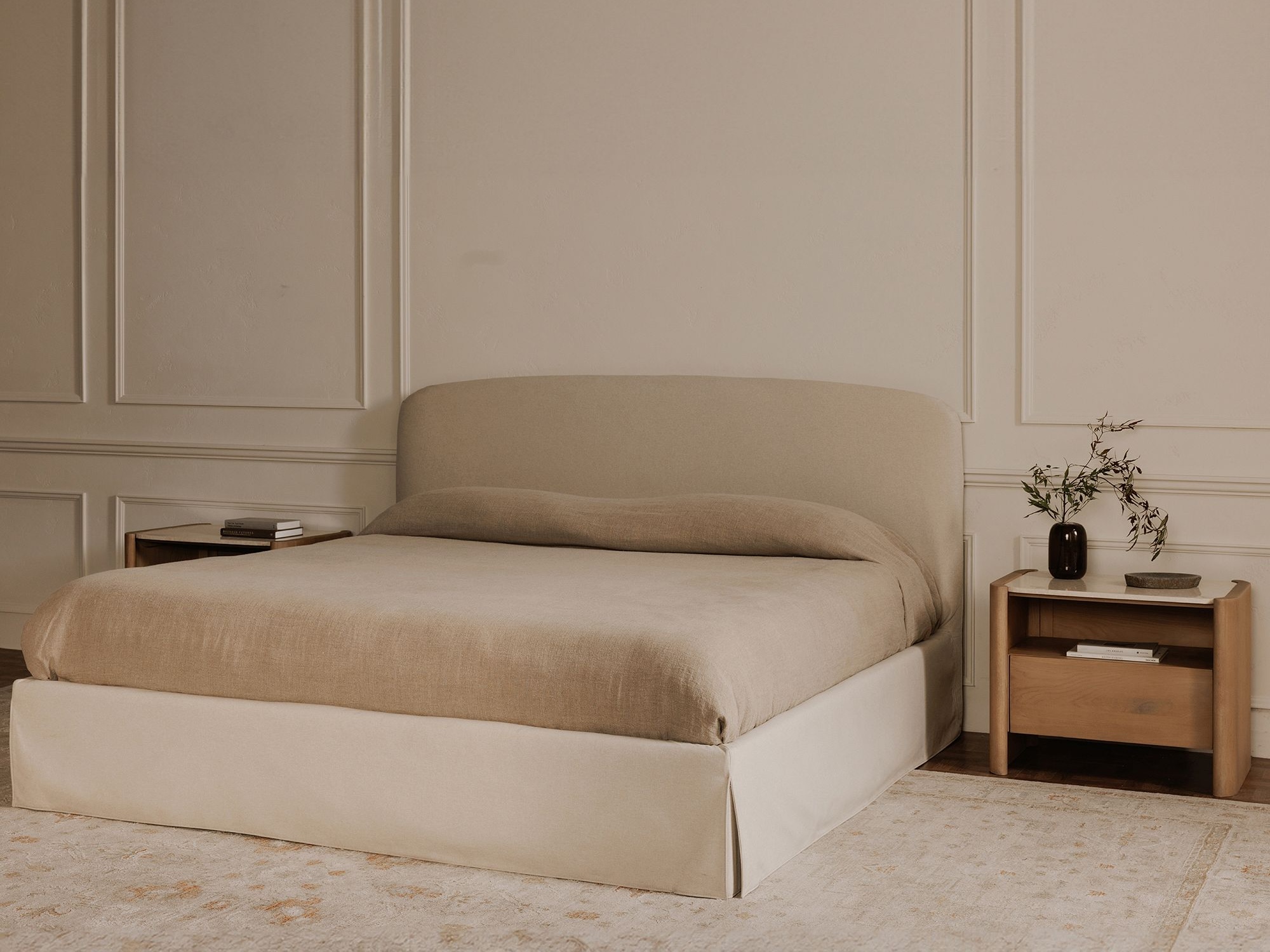
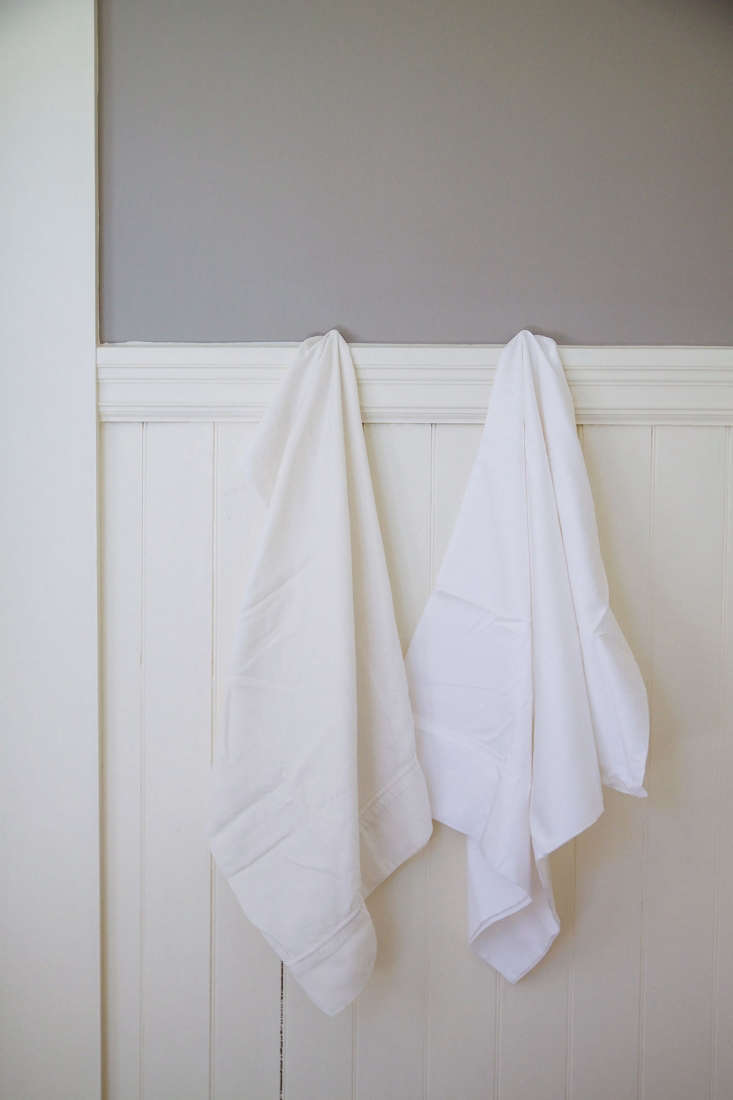
There is nothing quite like the feeling of sliding into a set of crisp, snow-white sheets at the end of a long day. It’s a sensory experience that signals rest, cleanliness, and a touch of luxury. However, for many homeowners and renters, that pristine brightness is fleeting. Over time, white bedding inevitably succumbs to a stubborn, dingy yellow hue. The instinct for most is to reach for the heavy hitter: chlorine bleach. But as any seasoned advocate for sustainable home care will tell you, bleach is often the very thing accelerating the demise of your favorite linens.
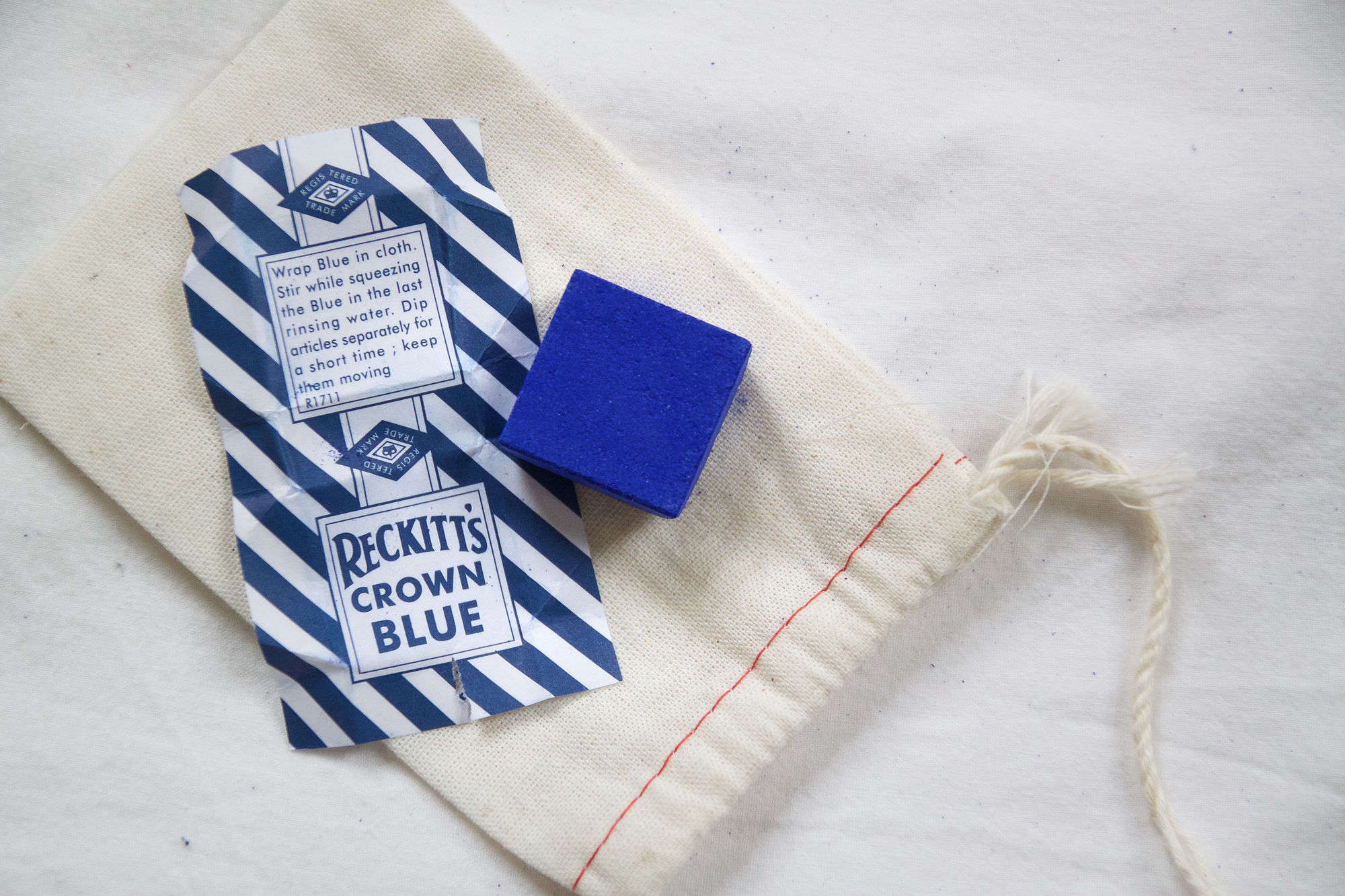
The true secret to restoring that "hotel-white" brilliance isn't found in harsh oxidizers, but in a bottle of laundry bluing. This age-old, non-toxic washing practice involves using a highly diluted blue iron powder suspension to counteract the natural yellowing of white fabrics. Rather than stripping the fabric, it creates an ingenious optical illusion of "snow-white" brightness that the human eye perceives as cleaner and more vibrant.
The Science of White: Why Blue is the Solution
To understand why bluing works, we first have to understand what "white" actually is in the world of textiles. Most natural fibers, particularly cotton, are not naturally pure white; they are actually a slight off-white or cream color. During the manufacturing process, textiles are often treated with optical brighteners or dyes to achieve that initial brilliant white.
Over time, through exposure to body oils, sweat, and environmental pollutants, these treatments wear off, and the natural yellow undertone of the cotton begins to show through. This is where the color wheel comes into play. Blue and yellow are complementary colors; when you add a trace amount of blue to a yellow-tinted fabric, the two colors neutralize each other. The result is a light that reflects as a cooler, brighter white. Bluing doesn't remove the yellow; it masks it with a scientific precision that makes your sheets look brand new without the chemical toll.
| Feature | Chlorine Bleach | Laundry Bluing |
|---|---|---|
| Mechanism | Corrosive oxidation (strips color/fiber) | Optical neutralization (adds blue tint) |
| Fabric Impact | Weakens fibers, leads to tearing | Gentle, non-reactive suspension |
| Eco-Impact | High chemical runoff, toxic to aquatic life | 100% Biodegradable iron powder |
| Cost Per Load | Moderate ($0.25 - $0.50) | Extremely Low ($0.05 - $0.10) |
| Result on Yellowing | Can cause permanent chemical yellowing | Restores perceived snow-white brilliance |
5 Reasons to Choose Bluing Over Bleach
1. Superior Fiber Protection
As someone who prioritizes sustainable materials, I always look at the longevity of a product. Bleach works through a process called oxidation, which is essentially a controlled form of decay. While it kills bacteria and removes some stains, it also eats away at the cellulose fibers of your cotton sheets. Frequent bleaching leads to thinning fabric, "pilling," and eventually, those mysterious holes that appear in your pillowcases. Laundry bluing, conversely, is a gentle suspension that sits on the surface of the fiber. It doesn't react chemically with the fabric, meaning your high-thread-count investments will last years longer.
2. Eco-Friendly and Non-Toxic
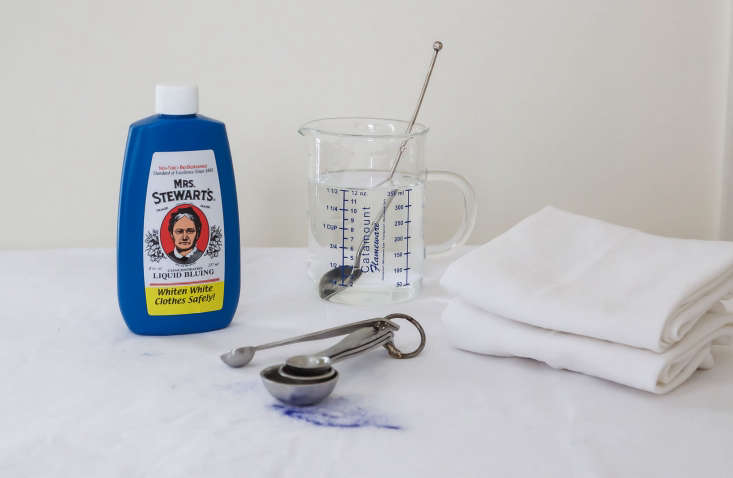
In my years of editing sustainable living guides, few statistics have been as compelling as the environmental footprint of household cleaners. Standard liquid chlorine bleach is a harsh irritant that can create toxic byproducts when it hits our waterways. Laundry bluing—such as the classic Mrs. Stewart's formula—is a 100% biodegradable suspension of ferric ferrocyanide (iron powder) and water. By switching from bleach to bluing, the average household can reduce its chemical runoff related to whitening by nearly 95%. It’s safe for septic systems and far kinder to the planet.
3. Extreme Cost-Effectiveness
Sustainability and cost-saving usually go hand-in-hand, and bluing is the ultimate example. While a gallon of bleach might seem cheap, you use a significant volume per load, and the bottle takes up considerable shelf space. Because laundry bluing is incredibly concentrated, you only use drops or fractions of a teaspoon at a time. A single bottle of concentrated laundry bluing can last for over 50 wash cycles, making it 5 times more cost-effective per use than standard liquid chlorine bleach.
4. Avoiding the 'Permanent Yellow' Trap
Have you ever bleached a white shirt only to find it came out looking more yellow? This is a common phenomenon. Chlorine bleach reacts chemically with proteins—like the sweat and skin cells found on bedding—and can actually "cook" these stains into the fabric, creating a permanent, scorched-yellow tint that no amount of washing will remove. Bluing avoids this chemical reaction entirely. It doesn't matter if there's residual body oil; the blue tint will still provide that neutralizing effect, ensuring your whites stay crisp rather than turning a dingy custard color.
5. Multi-Purpose Versatility
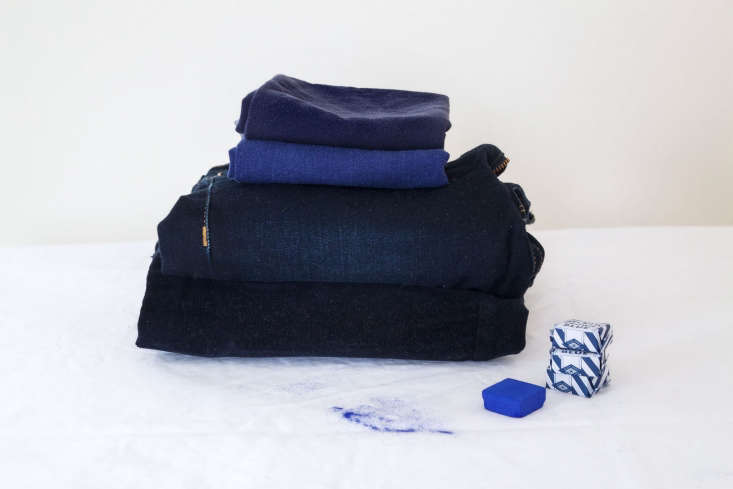
While we focus on bedding, the utility of bluing extends across your entire wardrobe. It’s an incredible tool for maintaining the "darkness" of your favorite denim. Adding a small amount of bluing to a dark wash helps reinforce the indigo tones in jeans, preventing that washed-out gray look. It can also be used to brighten faded black garments or even as a safe whitener for salt-and-pepper hair (though that’s a topic for another day!).
Step-by-Step: How to Use Laundry Bluing Correctly
The most important thing to remember is that bluing is a powerful concentrate. If you pour it directly onto your clothes, you will end up with blue streaks. Follow the "Golden Rule of Dilution" to ensure a perfect, even finish.
The Golden Rule: Never exceed 1/4 teaspoon of bluing per load, and always dilute it in at least one quart of cold water before it touches your laundry.
Instructions for Top-Loading Machines
- Start your wash cycle and allow the drum to fill with water.
- Add your detergent as usual.
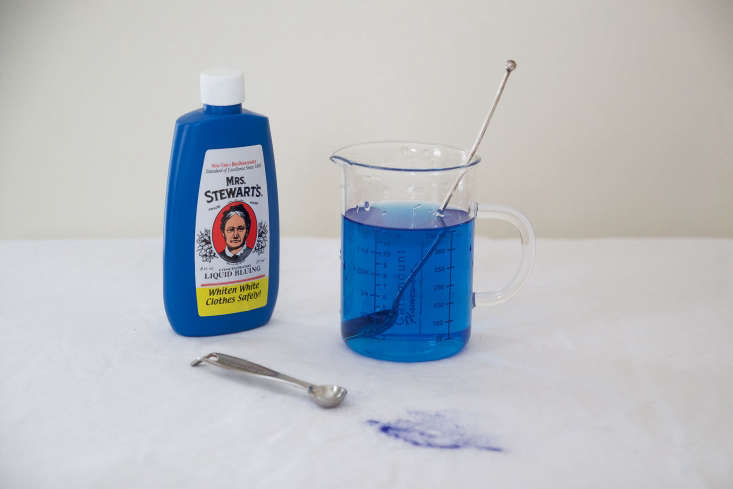
- In a separate glass jar, mix 1/4 teaspoon of bluing with 1 quart of cold water.
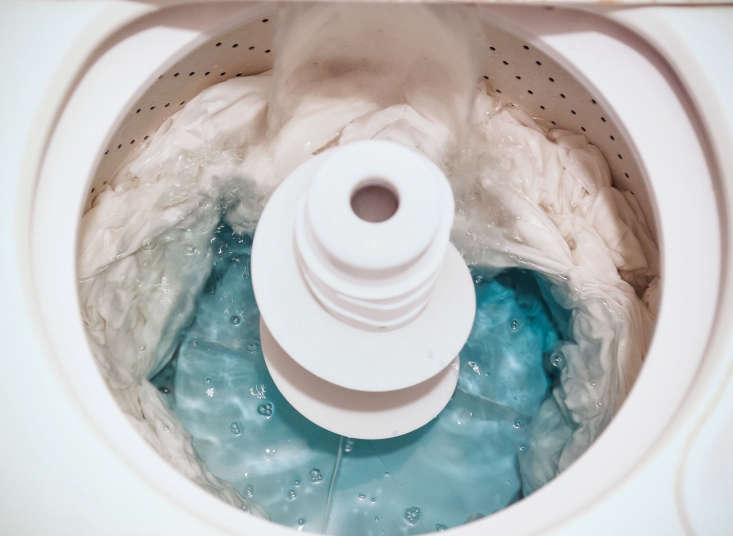
- Pour the diluted blue liquid into the full drum of water before adding your bedding. If the bedding is already in, move it aside to pour the solution into the water, not onto the fabric.
Pro Tip: Always use glass or metal measuring tools and containers when handling bluing. The concentrate can easily stain plastic measuring cups or recycled yogurt containers, but it washes clean off non-porous surfaces like glass.
Instructions for Front-Loading/HE Machines
High-efficiency machines use very little water, making dilution even more critical.
- Check if your machine allows you to add liquids during the rinse cycle.
- Dilute the bluing (use even less—about 1/8 teaspoon) in a quart of water.
- If your machine is the type that locks, you can often add the diluted solution through the dispenser drawer during the final rinse cycle. Warning: Do not put undiluted bluing in the "Bleach" or "Softener" compartments, as it may stain the plastic drawer.
Troubleshooting: What to Do if You Over-Blue
Every now and then, a "more is better" approach leads to a mishap. If your sheets come out with a distinct grayish or sky-blue tint, don't panic. You haven't ruined them; you've just over-pigmented them.
To remove excess bluing, soak the item in a solution of 1/2 cup of household ammonia to 1 gallon of cold water. Let it soak for 24 hours in a covered container (to keep the ammonia fumes contained), then wash as usual.
Crucial Safety Warning: Never, under any circumstances, mix ammonia with chlorine bleach. This creates toxic chloramine gas, which is highly dangerous if inhaled. If you are using the ammonia rescue method, ensure the fabric has been thoroughly rinsed and contains no traces of bleach.
FAQ
Can I use bluing and detergent at the same time? Yes, but for the best results, bluing should be added to the final rinse cycle. If your machine doesn't allow for a mid-cycle addition, you can add it to the wash water, provided it is fully diluted first.
Will bluing stain my skin? In its concentrated form, yes, it can temporarily stain your fingers. However, once diluted in the wash, it is completely harmless and will not rub off on your skin when you sleep on the sheets.
Is bluing safe for silk or wool? Absolutely. Because it is non-corrosive and does not rely on high pH levels or oxidation, it is one of the safest ways to brighten delicate natural fibers that would be destroyed by bleach.
Conclusion
Transitioning to laundry bluing is a small shift in your domestic routine that yields significant rewards. Not only does it provide a level of "crispness" that bleach simply cannot match, but it also aligns with a more conscious, sustainable way of living. By protecting the integrity of your fabric fibers and reducing chemical runoff, you’re making a choice that benefits both your home and the environment.
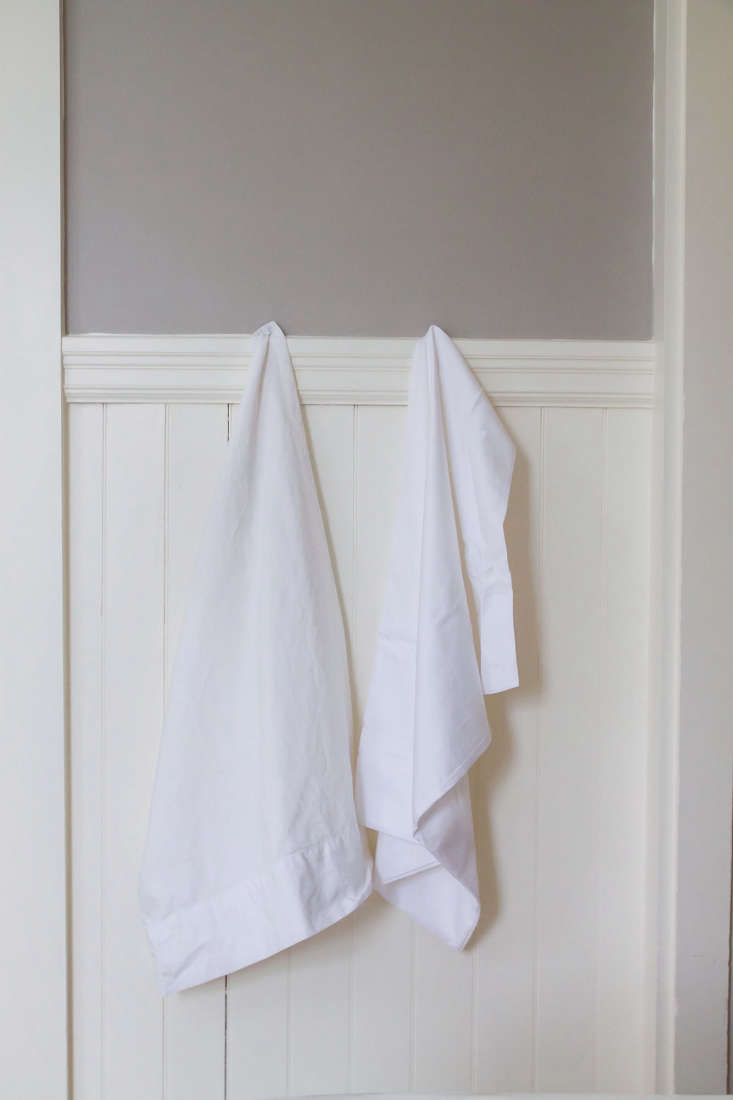
Give your linens the royal treatment they deserve. Ditch the corrosive chemicals and embrace the optical magic of bluing—your sheets (and your planet) will thank you.