Quick Facts
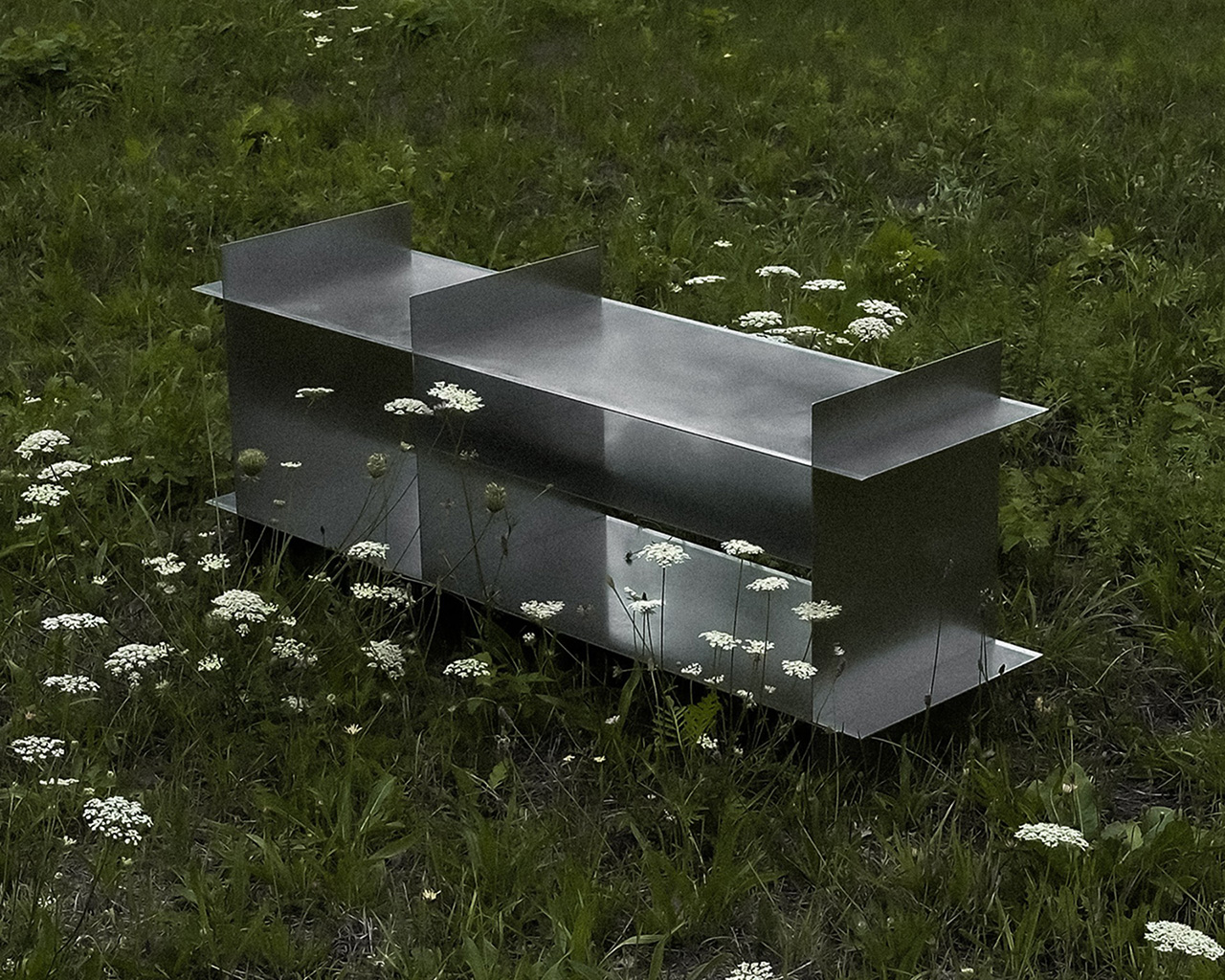
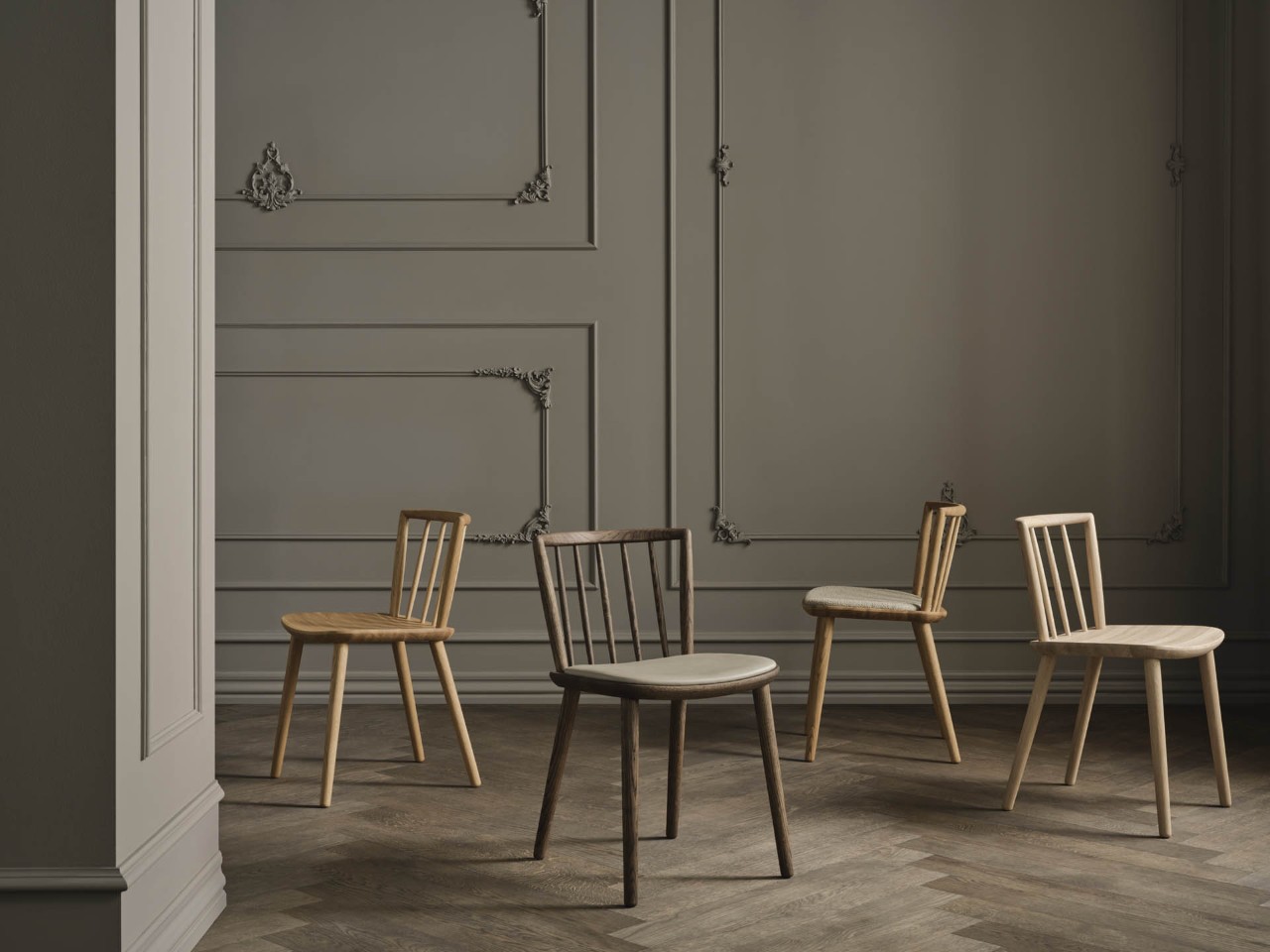
- The 2026 Aesthetic: A definitive shift from "Scandi-Minimalism" toward Soft Modernism and Quiet Luxury, where furniture is treated as functional sculpture.
- Hero Materials: Burl wood, dark walnut, mahogany, and hand-patinated metals are replacing pale oak and mass-produced veneers.
- Design Statistics: Recent market forecasts for 2026 indicate that 65% of high-end interior designers are now prioritizing asymmetrical, hand-shaped silhouettes over traditional geometric forms.
- The Sizing Rule: For a balanced living room, a sculptural coffee table should ideally follow the Two-Thirds Rule—measuring roughly two-thirds the length of your sofa.
- Hardware Philosophy: Architectural hardware is being reimagined as "home jewelry," with pieces like the George Ranalli 'Lock-it' lever earning spots in permanent museum collections.
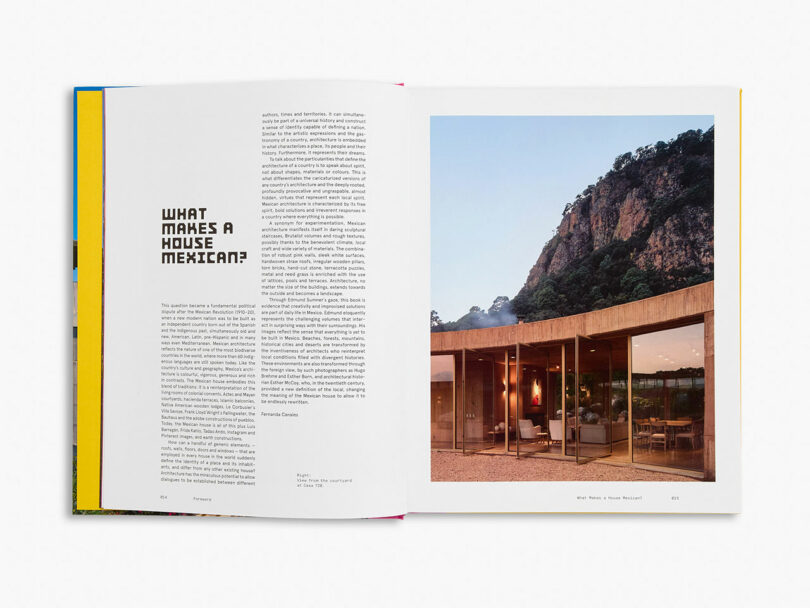
For the past decade, our living spaces were dominated by the clean, albeit somewhat predictable, lines of mid-century modernism and the pale, airy palettes of Nordic design. But as we look toward 2026, the interior design landscape is undergoing a profound tectonic shift. We are witnessing a move toward what I like to call "Soft Architecture"—a philosophy where the objects within a room are just as structurally significant as the walls that contain them. This evolution isn't just about aesthetics; it’s rooted in a deeper desire for environmental permanence and radical problem-solving. A comprehensive study of 26 iconic Mexican homes over a 15-year period highlights this trend, revealing how contemporary Latin American architecture has pivoted toward "radical environmentalism," using heavy, grounded materials and organic forms to create homes that feel like natural extensions of the earth. This same "monumental" energy is now entering our homes through sculptural tables and tactile hardware.
1. Architectural Hardware: The 'Lock-it' Lever by George Ranalli
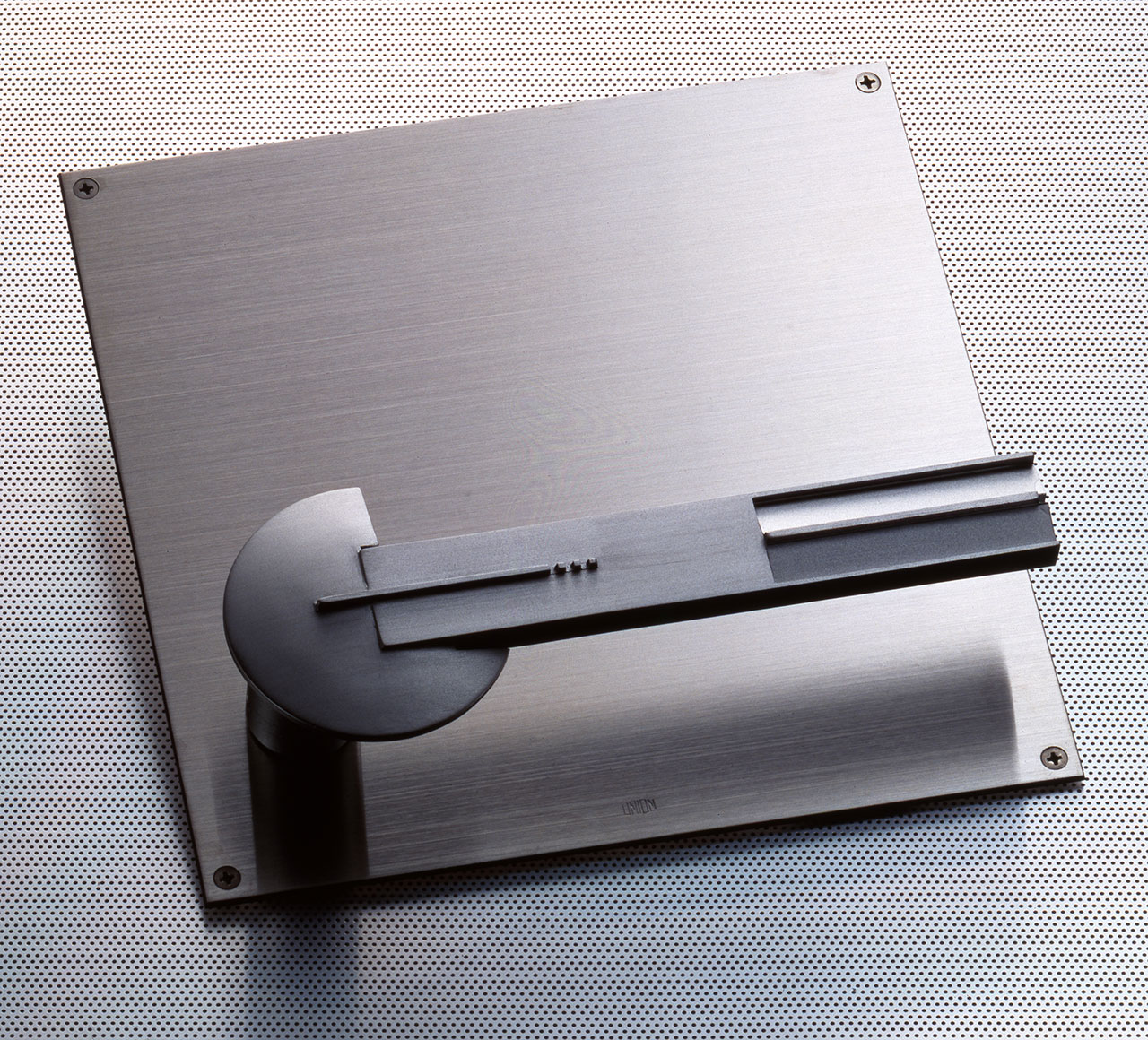
In high-end design, the transition from one room to another should be an event, not a utility. This is where the work of George Ranalli comes into play. His 'Lock-it' lever is a masterclass in how small-scale hardware can redefine the ergonomics of a space. Ranalli, an architect known for his modernist compositions, treats the door handle as a piece of relief sculpture.
The 'Lock-it' lever, which has been featured in the permanent collections of the Denver Art Museum, is crafted through high-grade metal casting. Unlike the flimsy, hollow-feeling hardware found in standard builds, this lever offers a tactile weight that feels substantial in the hand. The design features a modernist, slightly stepped composition that plays with light and shadow, much like a miniature skyscraper.
When specifying hardware for a 2026 interior, I always advise my clients to look at the "jewelry" of the home first. By replacing standard-issue levers with a sculptural piece like Ranalli’s, you instantly elevate the architectural pedigree of the residence. It’s a sensory experience: the cold touch of the metal, the smooth mechanical resistance, and the visual delight of a form that refuses to be boring.
Ivy’s Pro-Tip: Don't mix hardware styles too aggressively within the same visual field. If you choose a modernist, sculptural lever for your main doors, ensure your cabinetry pulls follow a similar "Soft Modern" silhouette to maintain a cohesive narrative.
2. The Bovolo Drink Table: Venetian Inspiration by Dom Lo Studios
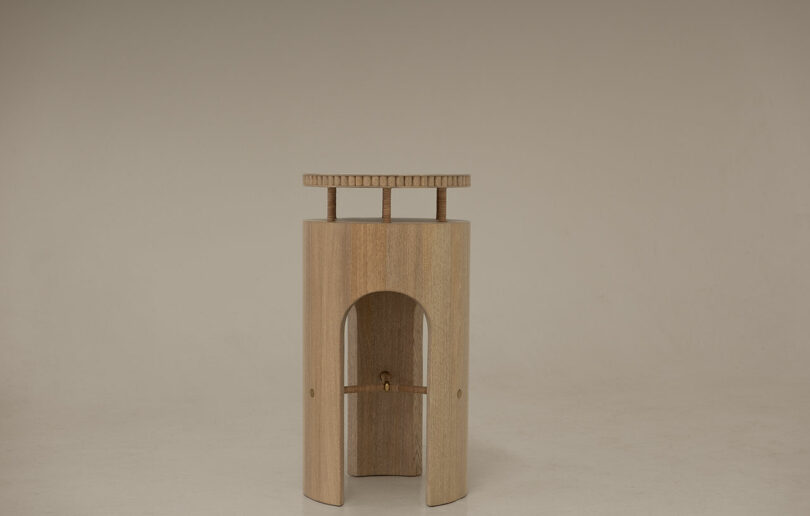
If a coffee table is the heart of a room, the "drink table" is its sophisticated pulse. One of the most captivating designs emerging for 2026 is the Bovolo Drink Table by Dom Lo Studios. Inspired by the iconic Scala Contarini del Bovolo in Venice—a spiral staircase famous for its repeating arches—this table is a literal piece of architectural history scaled down for the modern home.
The Bovolo table utilizes the arch form to create a sense of "visual weight." In a room filled with soft upholstery and ephemeral fabrics, the Bovolo provides a necessary anchor. It is constructed from hand-patinated metal and often features exquisite leather cord wrapping, adding a layer of warmth and craftsmanship that mass-produced furniture simply cannot replicate.
Stylistically, these petite, sculptural tables are the secret weapon of high-end designers. They are perfect for anchoring long, sprawling sofas or being placed between a pair of statement lounge chairs. Because of their small footprint and high visual impact, they act as "punctuation marks" in an interior layout.
3. Organic Silhouettes: The Rise of 'Cloud' and Kidney-Bean Shapes
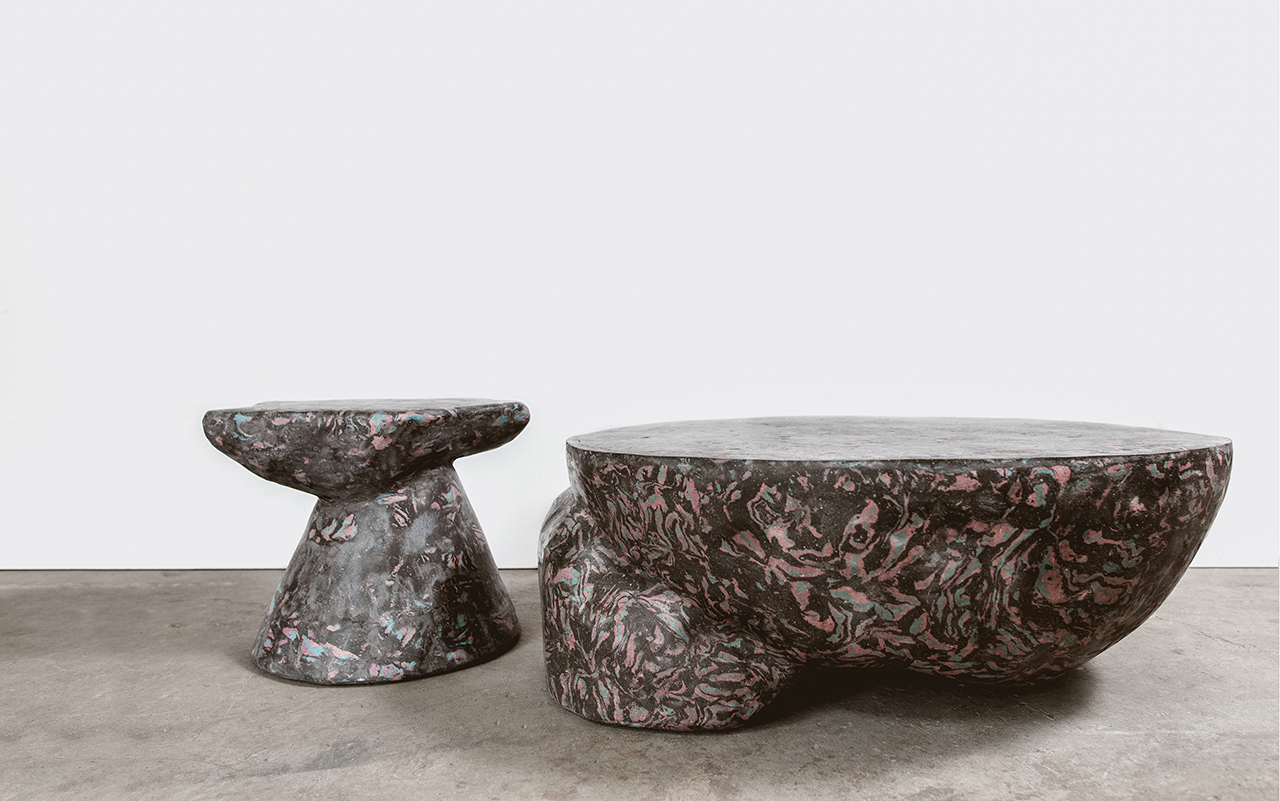
The rigid, sharp-cornered coffee tables of the past are being replaced by what we call "Cloud" or "Kidney-bean" silhouettes. This shift toward organic curves is part of a larger movement to make living spaces more inclusive and fluid. In 2026, we are seeing a massive preference for these asymmetrical, hand-shaped forms—a trend fueled by the desire for "Gentle Living."
The Brayden Studio Allrich Cloud Table is a prime example of this aesthetic. These tables lack the harsh edges of traditional rectangles, which does more than just look beautiful; it fundamentally changes how people move through a room.
Why Organic Shapes Work:
- Enhanced Traffic Flow: With no sharp corners, these tables allow for smoother "walkway clearance." In high-end design, we look for 30 to 45 inches of walking space around furniture. Curved edges make this clearance feel more generous.
- Inclusive Seating: An irregular, curved table doesn't dictate a "head" or "side," encouraging more natural, circular conversation patterns.
- Soft Modern Contrast: These shapes provide a necessary counterpoint to the straight lines of televisions, fireplaces, and windows.
4. The 2026 Material Hero: Burl Wood and Dark Walnut
If 2024 was the year of "Organic Modern" (think light oaks and bouclé), 2026 is the year of "Grounded Luxury." We are seeing a dramatic market shift toward darker, more character-rich woods like mahogany, ebonized oak, and the undisputed star: Burl Wood.
Burl wood—harvested from the gnarled, abnormal growths on trees—is prized for its swirling, chaotic grain patterns. No two pieces are ever the same, making every burl wood table a one-of-a-kind original. This fits perfectly into the 2026 demand for "Quiet Luxury," where the value lies in the rarity and natural imperfection of the material rather than a loud logo.
Material Comparison: Durability & Aesthetics
| Material | Aesthetic Vibe | Durability | Maintenance Level |
|---|---|---|---|
| Burl Wood | Swirling, organic, high-end antique | Medium (porous) | High (requires pH-neutral cleaners) |
| Dark Walnut | Sophisticated, warm, mid-century | High (dense) | Medium (occasional oiling) |
| Honed Marble | Monumental, cold, architectural | High (heavy) | High (sealing required) |
| Patinated Metal | Industrial, artisanal, timeless | Very High | Low (develops character over time) |
When integrating a dark wood or burl table, the key is balance. If your floors are light, a dark walnut sculptural table provides a stunning visual anchor. However, if your space is already moody, consider a table with a "moiré" texture or a high-gloss finish to reflect light and prevent the room from feeling too heavy.
5. Finishing Touches: Hardware as 'Home Jewelry'
The final layer of the 2026 sculptural trend is the hardware that punctuates our cabinetry and furniture. Brands like Hapny Home and Buster + Punch are leading the charge by creating tactile, heavy-duty pieces that feel more like fashion accessories than building supplies.
There is a significant difference between solid brass hardware and the cheaper zinc alternatives. Solid brass has a "living finish," meaning it will patina and change over time, telling the story of the home. Buster + Punch, in particular, has mastered the "industrial-to-elegant" pipeline, using cross-knurling techniques (the same found on high-end motorcycle handles) to provide a grip that is both functional and incredibly chic.
Choosing hardware is about the dialogue between architecture and the human touch. When you pull a heavy, solid brass handle to open a pantry or a wardrobe, you are engaging with the "Soft Architecture" of the home.
Practical Guide: The Rules of Sculptural Placement
Owning a sculptural piece is only half the battle; the other half is placement. Because these pieces are often asymmetrical or unconventional, the traditional rules of styling need a slight adjustment.
- The Two-Thirds Rule: Ensure your coffee table is roughly 2/3 the length of your sofa. Anything smaller looks like an afterthought; anything larger will overwhelm the seating area.
- Height Synergy: A sculptural table should sit 1 to 2 inches lower than the top of your sofa cushions. This maintains a low profile that feels modern and relaxed.
- The "Legroom" Constant: Regardless of the table's shape, maintain a 14 to 18-inch gap between the table and the sofa. This is the "sweet spot" that allows for easy reach for a drink while providing enough room to walk through.
- Negative Space: Sculptural furniture needs "room to breathe." Do not crowd a cloud-shaped table with too many rugs or floor pillows. Let the silhouette be the star.
FAQ
Q: Is burl wood too "trendy" for a long-term investment? A: While burl wood is currently seeing a massive surge, it is actually a classic material that has been used in high-end cabinetry for centuries. Its return in 2026 is part of a move toward "Character Minimalism," which prioritizes natural beauty over synthetic perfection. It is a safe long-term investment if the silhouette of the piece is timeless.
Q: Can I mix different metal finishes in one room? A: Absolutely. In fact, 2026 design encourages it. The trick is to have a "dominant" metal (e.g., hand-patinated bronze) and an "accent" metal (e.g., polished brass). This creates a layered, curated look rather than a "showroom" feel where everything matches perfectly.
Q: How do I clean a sculptural wood table without damaging the finish? A: Avoid all-purpose sprays which often contain harsh chemicals. For burl wood and dark walnut, use a slightly damp microfiber cloth followed immediately by a dry one. For deep cleaning, use a pH-neutral wood cleaner and always use coasters to prevent "white rings" from moisture.
Conclusion
As we move toward 2026, the home is becoming a gallery of our personal values and aesthetic curiosities. By choosing furniture and hardware that prioritize sculptural form, tactile materiality, and architectural heritage, we create spaces that aren't just lived in—they are experienced. Whether it’s the museum-quality grip of a George Ranalli lever or the Venetian-inspired curves of a Dom Lo drink table, these pieces represent a commitment to "Functional Art."
Are you ready to redefine your space? Start with one statement piece—a coffee table that breaks the rules of geometry—and watch how the energy of your entire home shifts.