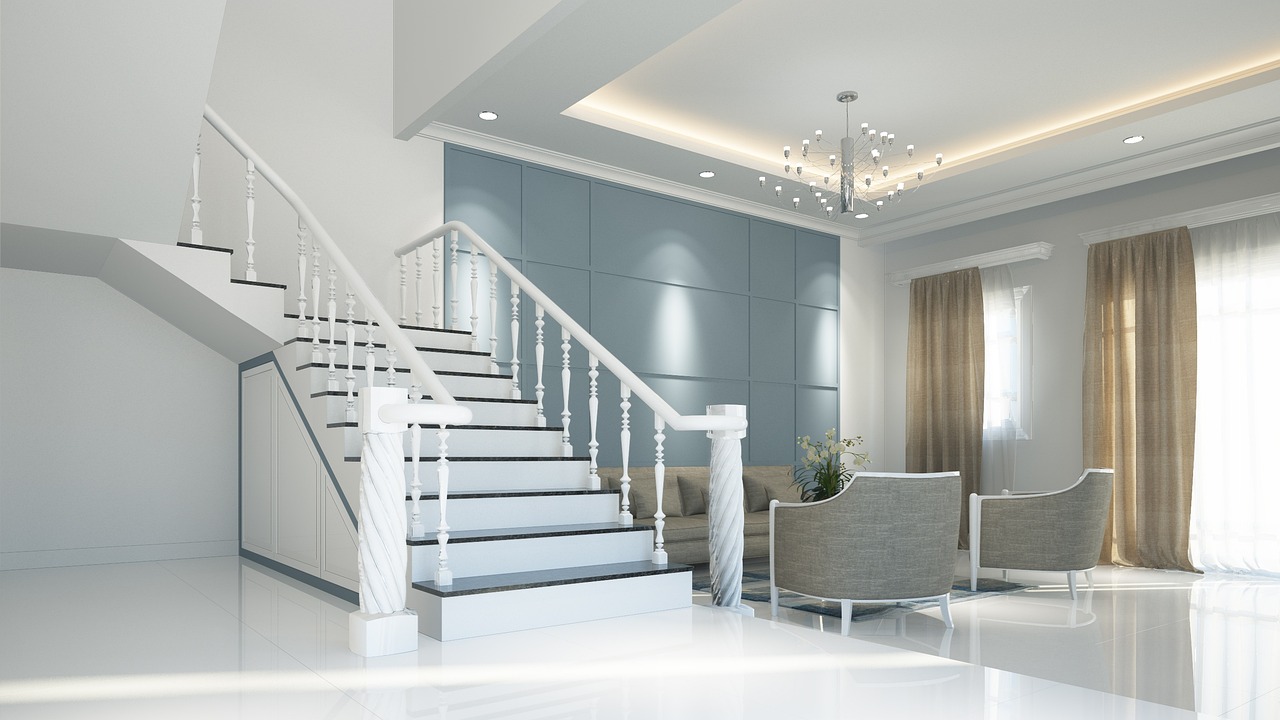
For years, we’ve been told that organization is about finding a permanent "home" for every single item we own. But as we move toward 2026, the philosophy has fundamentally shifted. In my years as an editor, I’ve seen trends come and go, but the most significant change we are witnessing right now is the move from "Static Perfection" to "Dynamic Flexibility."
The key storage trends for 2026 emphasize flexibility and simplification. We are no longer looking for rigid, built-in cabinets that serve one purpose for twenty years. Instead, we are gravitating toward modular cubes, rolling carts, and adaptable systems that can shift between a home office, a child’s playroom, or a guest suite in a matter of minutes. Whether it’s a personal travel kit or a massive industrial warehouse, the goal is the same: creating systems that respond to the speed of modern life.
1. The Modular Travel Revolution: The Cadence Parcel System
Travel has always been the ultimate stress test for any organization system. We’ve all been there—digging through a dark toiletry bag for a tiny bottle of serum, only to find it has leaked over everything else. The Cadence Parcel System is the solution that finally addresses the "hot mess" of skincare and makeup on the go.
What makes this a standout smart organization parcel is its reliance on magnetic modularity. Unlike traditional travel bottles that roll around loosely, Cadence uses a system of hexagonal capsules that snap together. You can build a customized "honeycomb" of products—cleanser, moisturizer, vitamins, and jewelry—that stays together as one solid unit.
The new Parcel System takes this a step further by offering side-by-side bag connectivity. You can snap multiple small pouches together to create a tiered organization system within your suitcase. It’s not just about storage; it’s about visibility. When everything has a magnetic "place," the mental load of packing and unpacking virtually disappears.
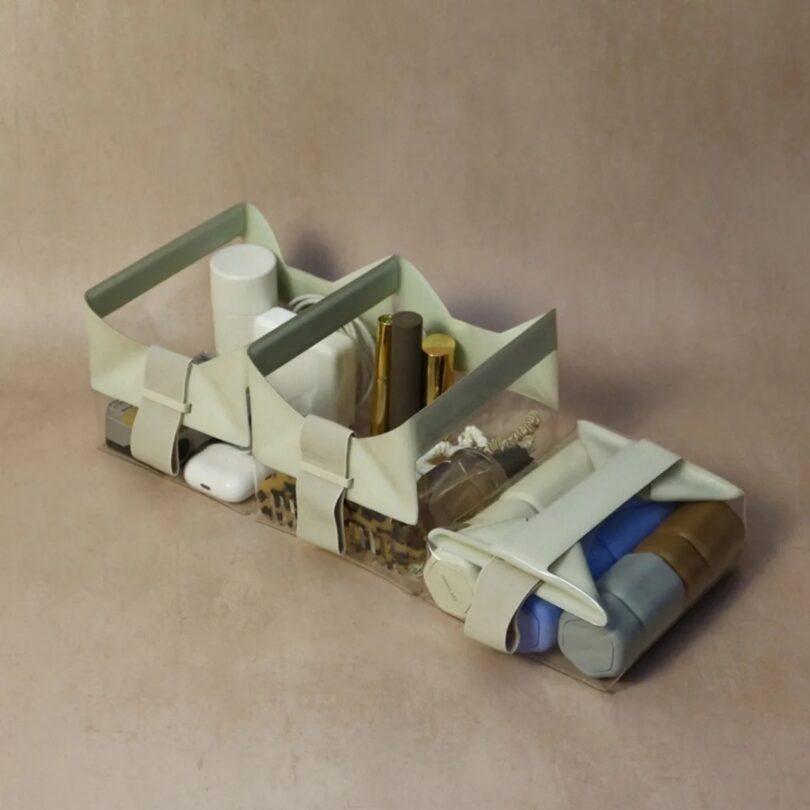
Sophie’s Tip: When using modular systems like Cadence, color-code your capsules. Use one color for "Morning Routine" and another for "Evening Routine" to save even more time during your travels.
2. Front-Door Security: The Yale Smart Delivery Box
As we rely more on home deliveries, the "parcel" itself has become a point of vulnerability. "Porch pirates" and unpredictable weather are the enemies of a functional home entry system. The Yale Smart Delivery Box represents the next generation of modern storage solutions for 2026, extending your home’s organization to the very edge of your property.
This isn’t just a plastic bin. It’s a tech-enabled vault. When a delivery driver arrives, they can access the box (if it’s unlocked) or use a temporary keypad code. Once the package is placed inside and the lid is closed, the box enters "Delivery Box Mode," automatically locking to secure your goods until you arrive home.
Yale Smart Delivery Box Comparison
| Feature | Standard Security | Yale Smart Delivery Box |
|---|---|---|
| Connectivity | None | Wi-Fi (via Yale Connect Bridge) |
| Access Method | Manual | Keypad, App, or Voice Assistant |
| Weather Resistance | Low to Medium | High (IP-rated seals) |
| Smart Integration | None | Alexa, Google Assistant, HomeKit |
| Price Point | $50 - $100 | $229 - $299 |
The integration with the Yale Access App means you get a notification the second your package is safe. It’s a system that provides peace of mind, which is the ultimate goal of any organized lifestyle.
3. Home Interior Trends: Flexible and Modular Storage
Inside the home, the "sterile minimalism" of the early 2020s is being replaced by what we call Warm Minimalism. This trend prioritizes natural wood, soft textures, and, most importantly, modularity. Modern storage solutions in 2026 are designed to be seen, not hidden.
We are seeing a massive surge in the use of modular cubes and adaptable shelving systems that grow with the family. A set of oak cubes might start as a toy storage unit in a nursery, transition into a vinyl record display in a teen's room, and eventually become a sophisticated sideboard in a first apartment.
Another rising trend is the "Memory Shelf." Instead of cluttering every surface with trinkets, 2026 home storage trends encourage using intentional, rotating displays. These are dedicated modular zones where you curate keepsakes seasonally, keeping the rest of the home clear of visual noise.
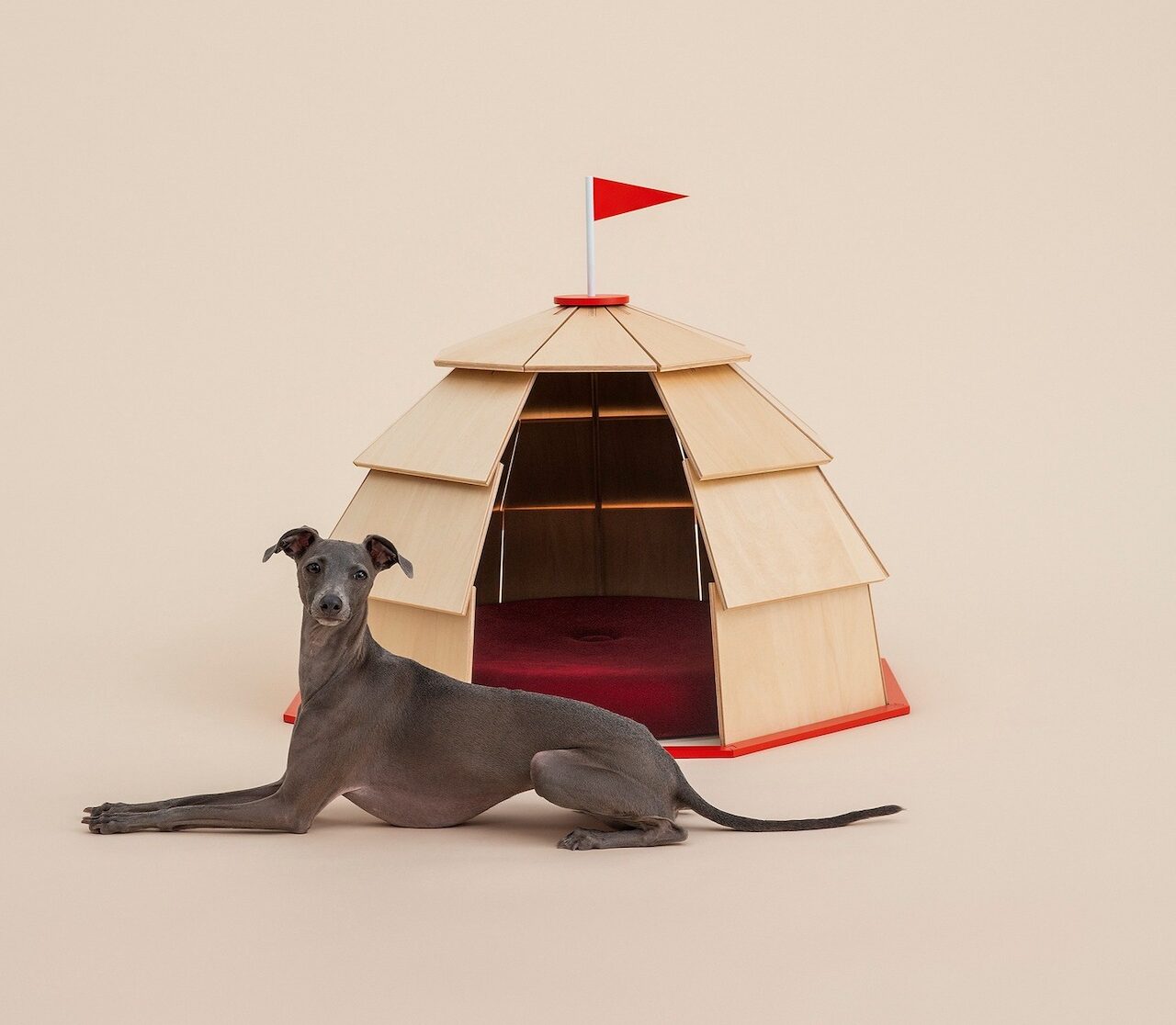
Rolling carts have also evolved. No longer just for barware or craft supplies, high-end, powder-coated steel carts are being used as "mobile offices." As hybrid work remains the norm, the ability to wheel your entire desk setup into a closet at 5:00 PM is a vital boundary-setting tool.
4. Sustainable & Long-Lasting Systems: The "Buy Once" Era
In 2026, the most organized homes are those that reject the "disposable" culture. We are seeing a significant shift from cheap, brittle plastics toward high-quality PET, recycled aluminum, and organic materials like bamboo and felt.
The "Buy Once, Use Forever" mentality is driving the market. Readers are looking for:
- Durable PET Bins: Clear storage that doesn't yellow or crack over time.
- Modular Steel Shelving: Industrial-grade strength with a residential aesthetic.
- Repairable Components: Systems where a single broken clip doesn't mean throwing away the whole unit.
By investing in high-quality modern storage solutions, you aren't just organizing your home; you are reducing your environmental footprint. A well-organized home in 2026 is inherently a sustainable one.
5. Industrial-Scale Solutions: Warehouse Automation (AS/RS)
While we focus on the home, the world of commerce is undergoing an even more radical transformation. The way your "parcels" get to you is being redefined by Automated Storage and Retrieval Systems (AS/RS).
The scale of this shift is staggering. Approximately 4.6 million commercial warehouse robots are projected to be installed globally by the end of 2026. To put that in perspective, that is a 500% increase in sales since 2019. Despite this boom, currently only about 20% of North American warehouses have adopted meaningful automation technologies, meaning we are on the precipice of a massive efficiency explosion.
For businesses, the "smart" aspect of these organization parcels isn't just about the box; it's about the space. AS/RS units can increase usable floor space by up to 40% by utilizing vertical height that human-operated forklifts simply can’t reach.
Expert Insight: "Automation is no longer a luxury for the giants like Amazon. Small-to-medium enterprises are adopting modular AS/RS units to combat rising real estate costs and labor shortages."
Financial Analysis: Quantifying ROI in 2026
When we talk about "smart" systems, we eventually have to talk about the bottom line. Whether you are a homeowner investing in a $300 delivery box or a business owner eyeing a $2 million warehouse bot, the ROI (Return on Investment) is the metric that matters.
For warehouse automation, the typical ROI is realized within 18 to 36 months. This timeline is shrinking as the technology becomes more modular and "plug-and-play."
The value proposition includes:
- Labor Savings: Potential labor cost reduction of 30–40% over a five-year period.
- Accuracy: Reduction in "mis-picks" and shipping errors, which costs the average business thousands per year.
- Space Efficiency: As mentioned, a 40% gain in storage density can delay or eliminate the need for expensive new warehouse leases.
In the home, the ROI is more about "Time Wealth." If a modular travel system saves you 20 minutes of packing stress per trip, and a smart delivery box saves you two hours of dealing with a stolen package claim, the system has paid for itself in mental clarity and regained time.
FAQ
Q: Are modular storage systems more expensive than traditional furniture? A: Initially, yes. Modular systems like the Cadence Parcel System or high-end home shelving often have a higher upfront cost. However, because they are "future-proofed" and can be reconfigured as your needs change, they are significantly more cost-effective over a 10-year period than buying new furniture for every life stage.
Q: How do I start automating my home organization if I’m on a budget? A: Start at the "entry points." A smart delivery box or a high-quality modular entryway rack provides the most immediate relief to daily chaos. You don't need to automate your entire home at once; focus on the areas where "friction" is highest.
Q: Is warehouse automation only for large corporations? A: Not anymore. 2026 is seeing the rise of "as-a-service" automation, where smaller businesses can lease robot fleets or modular AS/RS units, making high-level efficiency accessible to boutiques and local distributors.
Create Your Calm
Organization in 2026 isn't a destination; it's a supportive system. Whether you are snapping together your Cadence capsules for a weekend getaway or watching a fleet of robots optimize a warehouse, the goal remains the same: to reduce the friction of the physical world so you can focus on what truly matters.
Start small. Choose one area of your life—be it your travel kit, your front porch, or your home office—and introduce a modular, flexible system. You'll find that once the physical clutter is managed by a "smart" system, the mental clutter follows suit.