Lately, my inbox has been flooded with a specific kind of design dilemma. It usually begins with a reader rediscovering their collection of jewel cases in a parent's attic, or perhaps a seasoned audiophile finally admitting that their streaming subscription doesn't quite hit the same as a physical disc. Despite the dominance of digital formats, the compact disc is experiencing a remarkable resurgence—nearly 50 million units were sold last year alone. As an editor, I see this as more than just a nostalgic trend; it’s a response to what I call the "Tactile Gap." We crave the physical ritual of music, but our modern, minimalist interiors aren't always ready to house hundreds of plastic cases.
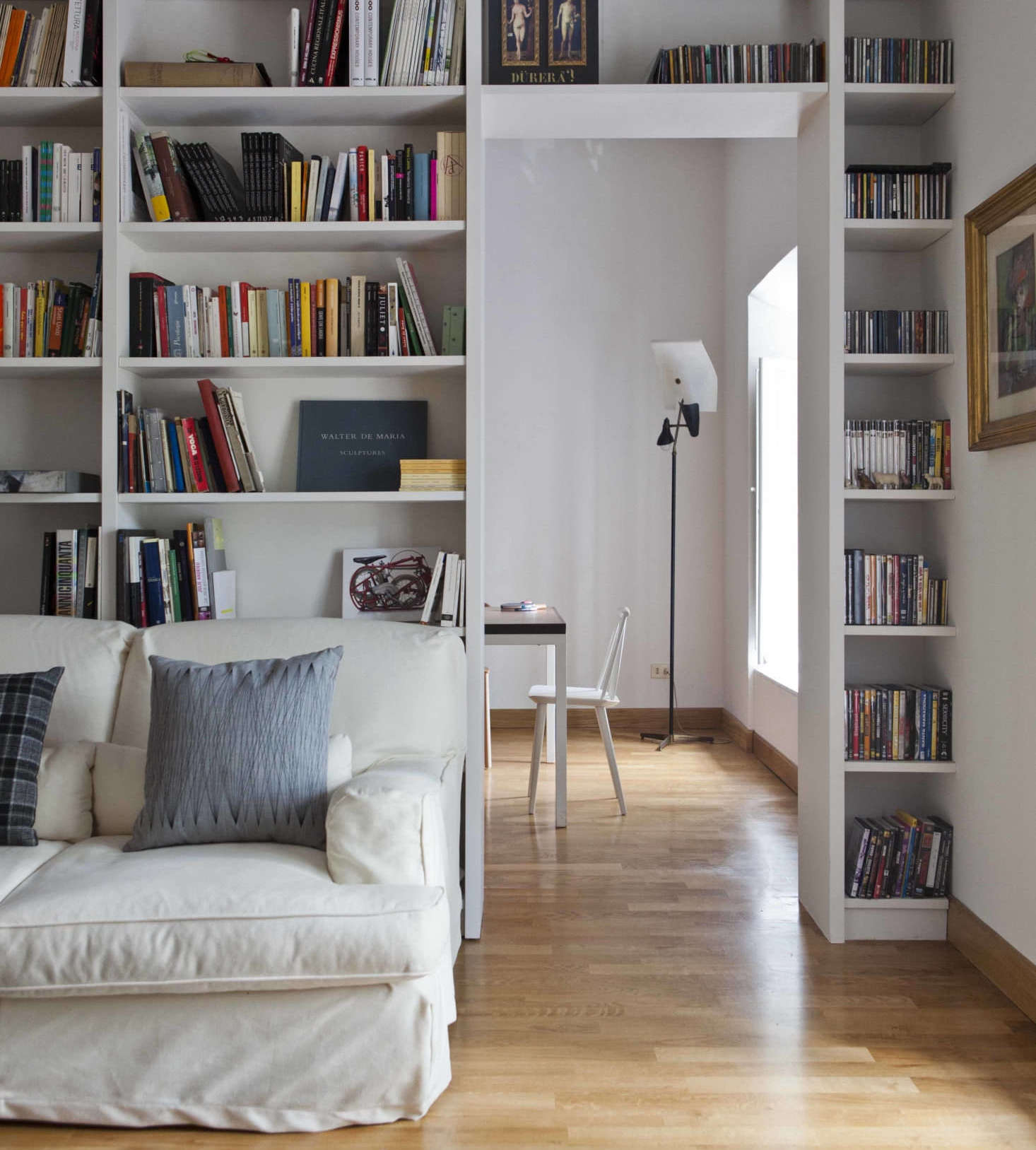
The most attractive ways to store CDs today involve moving away from the cluttered "media towers" of the 90s. Instead, we are looking at statement wall-mounted shelving that treats discs like art, U-shaped floating shelves (like those from Tee Books) that disappear behind the collection, and integrated built-in units that blend seamlessly with high-end decor. For those who prefer a "hidden" look, high-density drawers from brands like Can-Am offer a sleek way to protect collections from UV light while keeping them organized. If flexibility is your priority, mobile solutions like the Ikea Råskog or professional library book trucks allow you to bring your music from the living room to the home office with ease.
| Solution Type | Best For | Key Benefit | Capacity Style |
|---|---|---|---|
| Wall-Mounted Shelving | Large Collections | Visual Impact / "Library" Feel | High (Expandable) |
| U-Shaped Floating Shelves | Minimalists | Near-Invisible Hardware | Medium |
| High-Density Drawers | Protection & Privacy | Dust/UV Protection | Very High (Spine-up) |
| Skinny Towers | Small Apartments | Tiny Footprint (under 8") | Medium (180+ discs) |
| Rolling Carts | Multi-room Listening | Portability | Flexible |
1. Statement Wall Systems: Turning Media into Art
When we work with clients who have thousands of CDs, our first suggestion is often to stop hiding them. A statement wall system can transform a cluttered collection into a sophisticated "library." By using full-wall shelving, the repetitive geometry of the jewel cases creates a texture that is visually grounding.
The secret to making this look "high-design" rather than "dorm room" is eye-level organization. We suggest grouping your collection by genre or, if you’re feeling particularly bold with your styling, by spine color for a gradient effect. This approach works best with open-frame shelving that allows the room's wall color to peek through, preventing the unit from feeling too heavy.
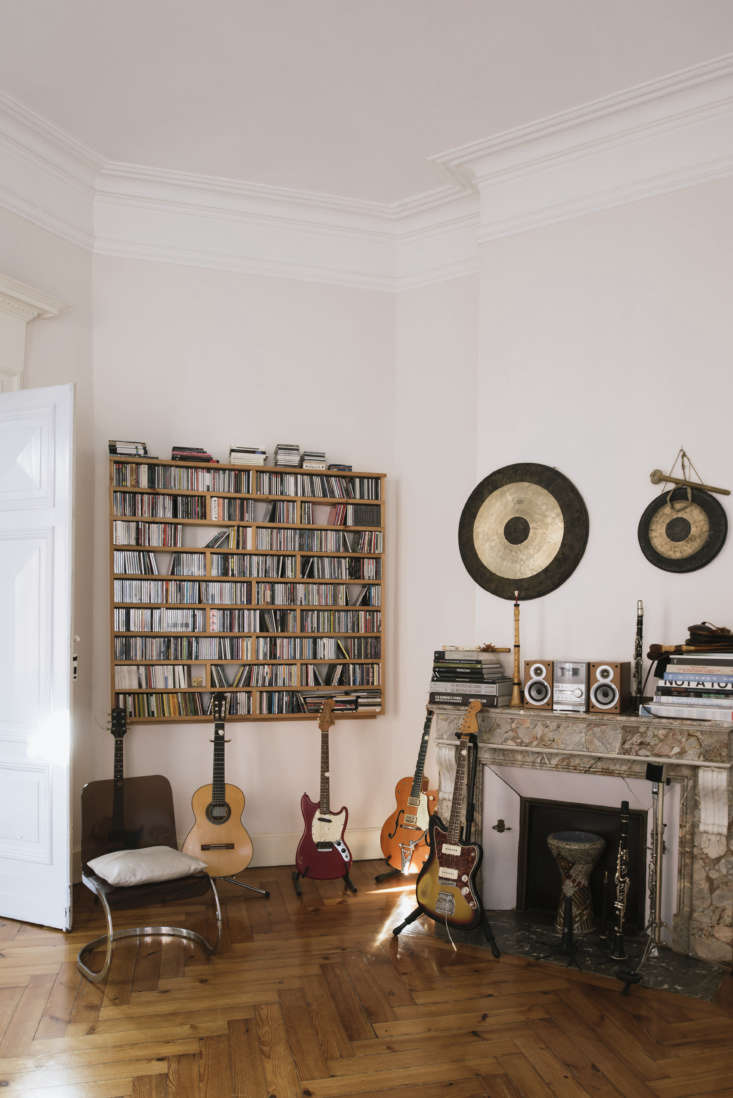
Pro Stylist Tip: Don't fill every inch. Leave "breathing room" on the shelves for a few sculptural objects, a small plant, or a "Now Playing" stand to break up the visual density of the plastic cases.
2. U-Shaped Floating Shelves: The Minimalist’s Choice
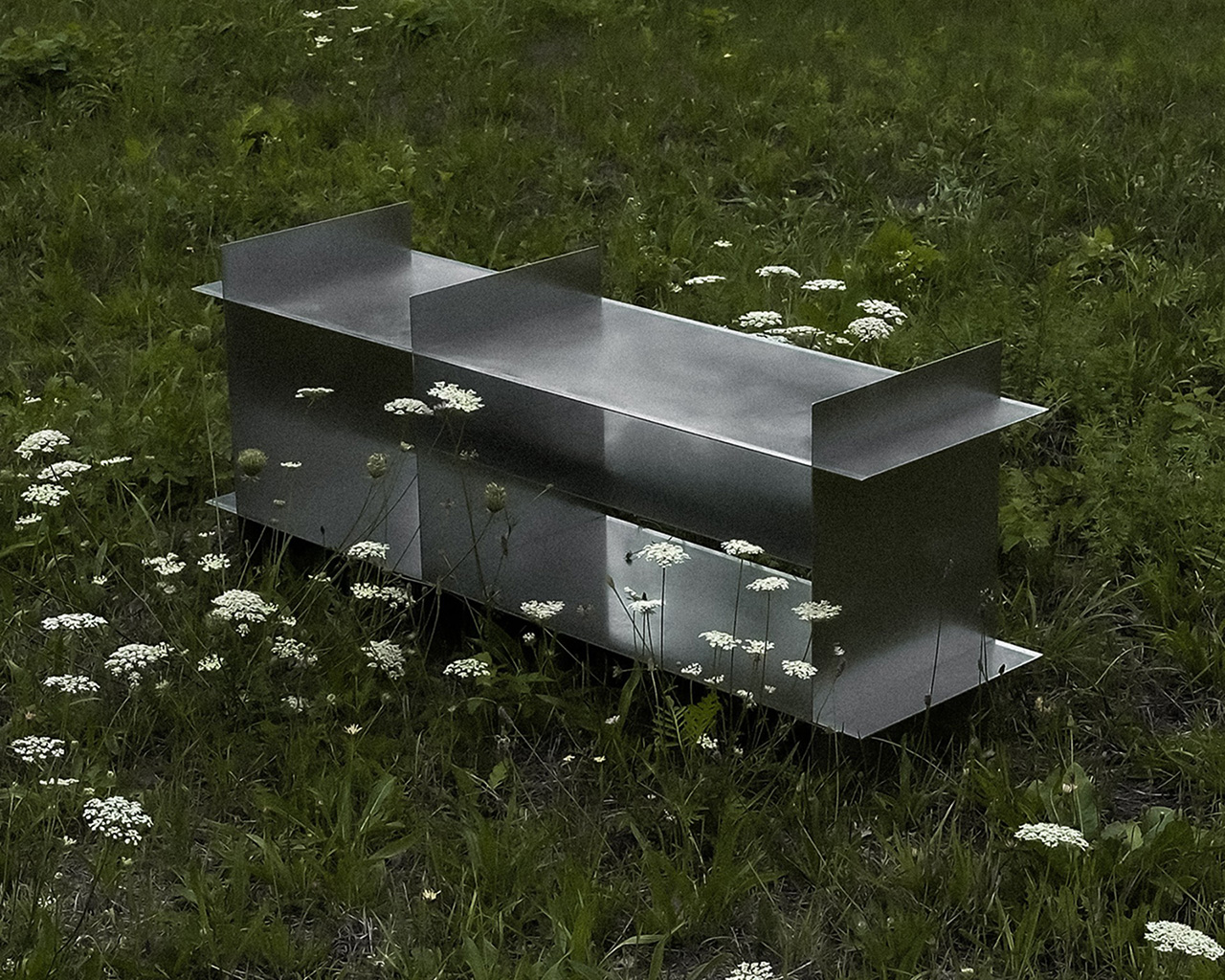
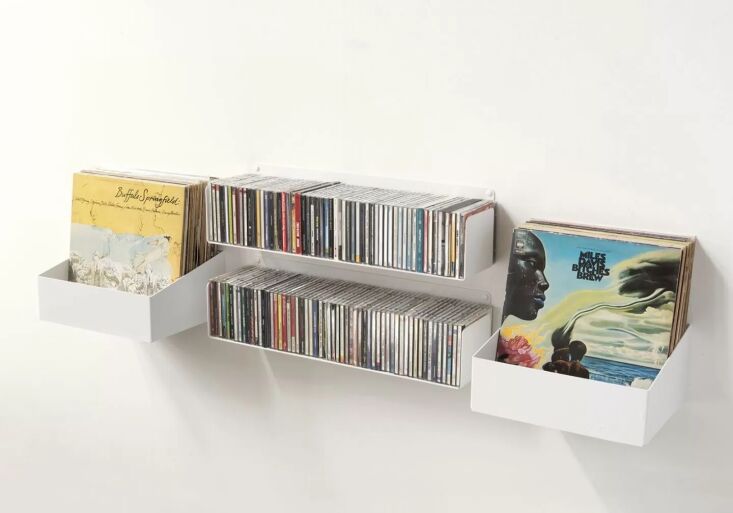
For those who lean toward a "less is more" aesthetic, U-shaped floating shelves are the gold standard. Brands like Tee Books have mastered this design, creating thin steel shelves that are practically invisible once they are loaded with discs.
The beauty of these shelves lies in their functionality. Because they are U-shaped, they come with built-in bookends that prevent your collection from toppling over—a common frustration with standard flat floating shelves. When measuring your space, remember that a standard CD jewel case is approximately 5.59 inches wide and 4.92 inches high. These shelves are engineered to match these dimensions perfectly, ensuring no wasted space and a clean, flush look against the wall.
3. High-Density Drawer Systems: Out of Sight, Not Out of Reach
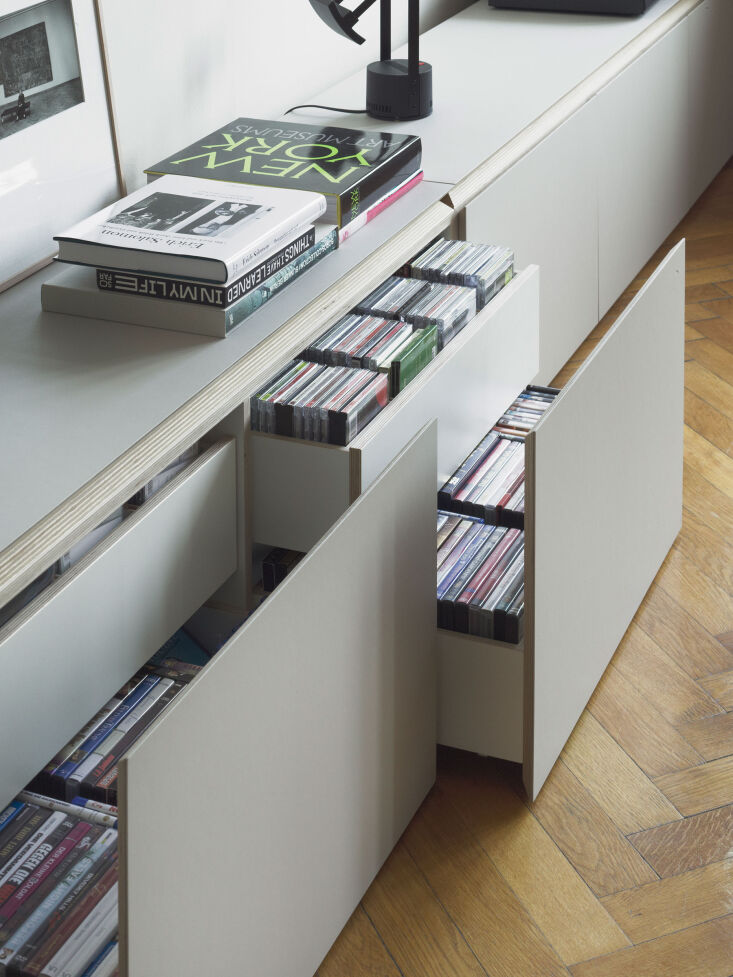
Can you store CDs in drawers? Absolutely, and for the serious collector, it might be the most efficient method available. High-density drawer systems, such as the industrial-chic steel units from Can-Am or Stackbin, are designed for maximum volume.
While traditional shelving allows you to see the spines facing out, these drawer systems allow you to store CDs "spine-side up." This simple shift in orientation can increase your storage capacity by up to 40% in the same amount of floor space. Beyond the sheer volume, drawers offer the best protection against the two biggest enemies of physical media: dust and UV light. If you have a collection of rare imports or limited editions, keeping them in a temperature-controlled, dark environment is essential for longevity.
4. Mobile Listening Stations: The Rolling Cart Solution
One of the joys of physical media is the ability to move the experience. If you find yourself listening to music in the living room one day and your home office the next, a mobile storage solution is a game-changer.
We've seen a massive trend in repurposing slim utility carts, like the iconic Ikea Råskog, into "rolling libraries." While not originally designed for media, their tiered structure is surprisingly compatible with CD dimensions. For larger-scale needs, consider a professional library book truck. These heavy-duty steel carts are designed to hold hundreds of pounds and move silently across hardwood floors, making them the ultimate "audiophile's sidekick."
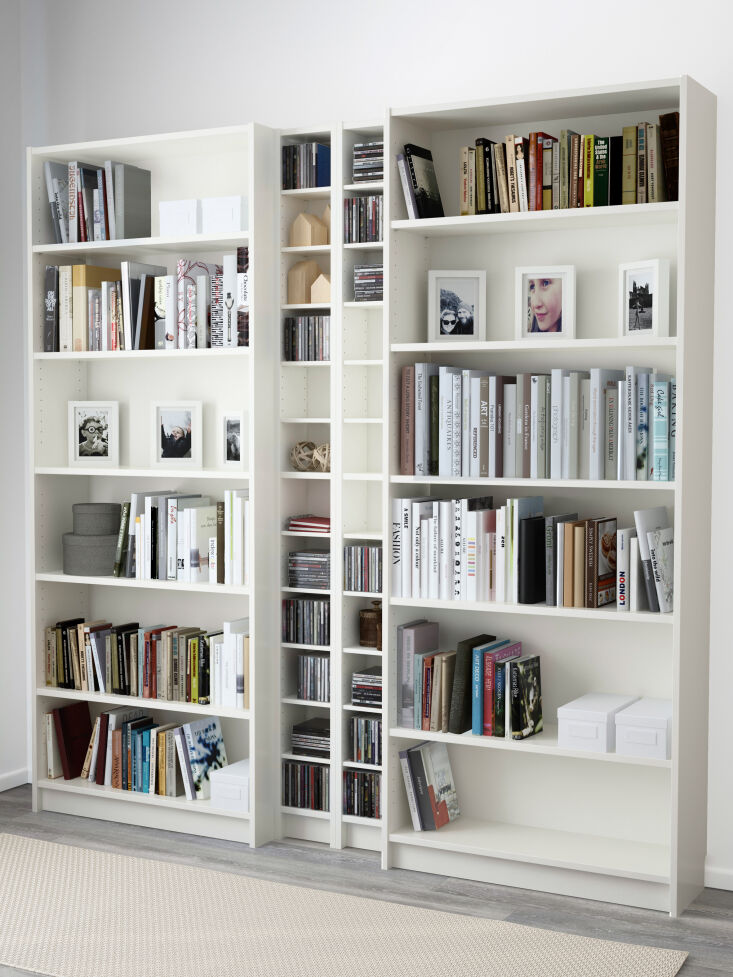
5. Skinny Towers: Maximize Verticality in Small Spaces
In urban apartments where every square inch of floor space is a luxury, we always look up. The "skinny tower" is a classic for a reason. Iconic designs like the Ikea Gnedby (now often sought after on the second-hand market or replaced by similar slim units) are incredibly efficient.
A single Gnedby unit, for example, can house up to 180 CDs while occupying a footprint of only 7.8 inches in width. By tucking these into "dead space"—that awkward 8-inch gap between a wardrobe and a wall, or in the corner of a hallway—you can store a massive collection without sacrificing your living area.
6. Tabletop & Desk Displays: The 'Now Playing' Aesthetic
Not every storage solution needs to house your entire collection. Sometimes, you just need a place for your "heavy rotation." For the modern music enthusiast, the tabletop display is as much about the "vibe" as it is about organization.
Cascading acrylic racks or minimalist steel plate bookcases are perfect for a desk or a sideboard. These allow you to flip through a curated selection of 15-20 discs, much like you would at a record store. It keeps your current favorites within arm's reach and adds a personal, lived-in touch to your workspace.

7. Integrated Audiophile Furniture
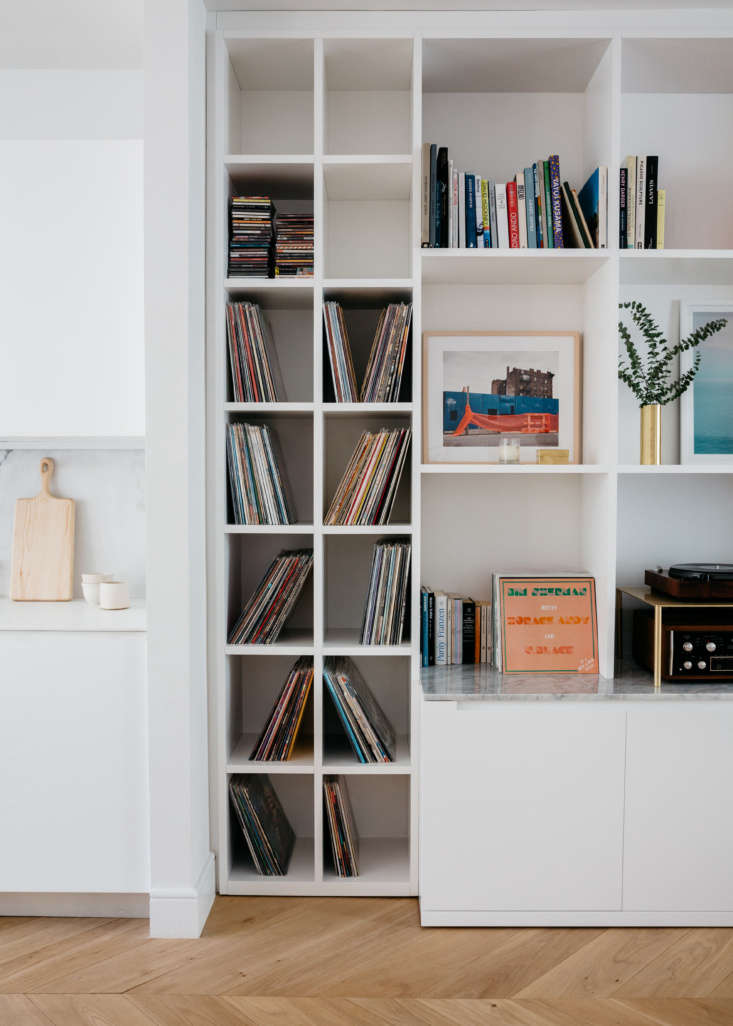
Finally, for the true purist, the storage shouldn't just sit next to the gear—it should be part of it. We are seeing a rise in integrated audiophile furniture that accommodates both the hardware (your Marantz or McIntosh players) and the media.
Custom built-ins or modular systems that offer dedicated slots for both LPs and CDs are becoming a staple in high-end listening rooms. This creates a centralized hub for all your music needs. When designing these spaces, we always recommend mixing formats. The visual contrast between the large scale of vinyl records and the compact precision of CDs creates a rich, textured look that celebrates the entire history of recorded music.
Essential Considerations Before You Buy
Before you commit to a new system, keep these three interior design principles in mind:
- Depth is Everything: The "sweet spot" for CD shelf depth is exactly 6 inches. Any deeper, and you lose the cases in the shadows; any shallower, and they overhang, creating a messy profile.
- Vibration Control: If your storage unit also holds your CD player, ensure it is sturdy. Vibrations from walking across the floor can cause skipping. Look for units with adjustable feet or heavy-gauge steel construction.
- Material Choice: Metal shelving (steel or aluminum) offers an industrial, modern look and incredible durability. Wood, on the other hand, provides acoustic warmth and feels more traditional. Choose the material that complements your existing furniture "language."
FAQ
Q: How can I prevent "disc rot" while storing my CDs? A: Disc rot is usually caused by high humidity and extreme temperature fluctuations. The best storage solution is one that stays in a climate-controlled part of your home (avoid uninsulated basements or attics) and keeps the discs upright to prevent pressure on the surface.
Q: Is it okay to ditch the jewel cases and use sleeves to save space? A: While sleeves can save up to 75% of space, they do decrease the resale value and remove the "spine" which makes searching easier. If you do go the sleeve route, we recommend high-quality fleece-lined sleeves to prevent scratching.
Q: What is the best way to label large collections? A: For large wall systems, we love using discrete alphabetical dividers made of wood or acrylic. They add a professional "archival" feel to the room and save you hours of searching.
Whether you are a casual listener or a dedicated collector, your music deserves to be seen and celebrated. By choosing a storage solution that fits your aesthetic—be it a minimalist floating shelf or an industrial steel drawer—you aren't just tidying up; you're creating a sanctuary for the sounds that define your life.
Ready to elevate your listening room? Start with one of these curated solutions and let your collection take center stage.