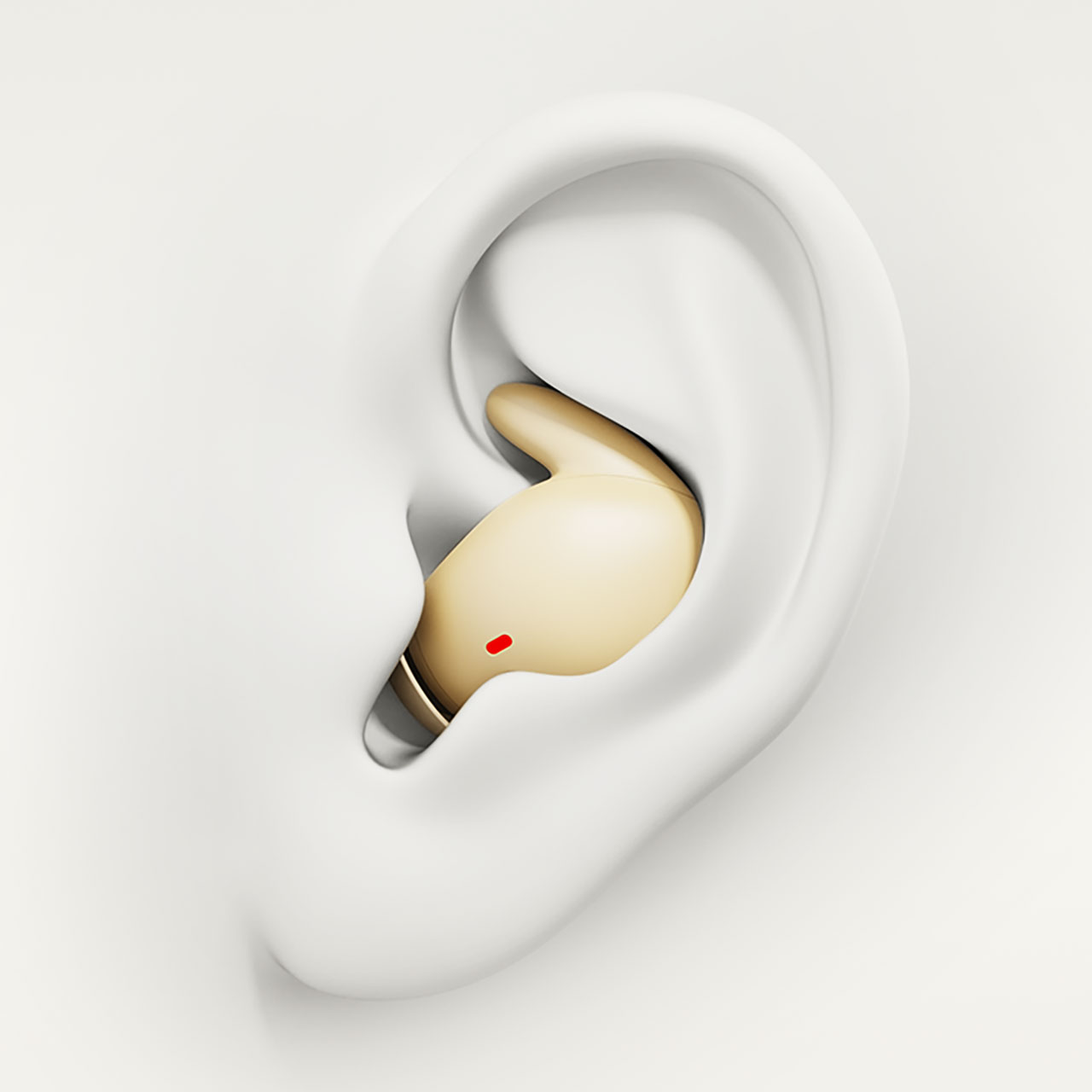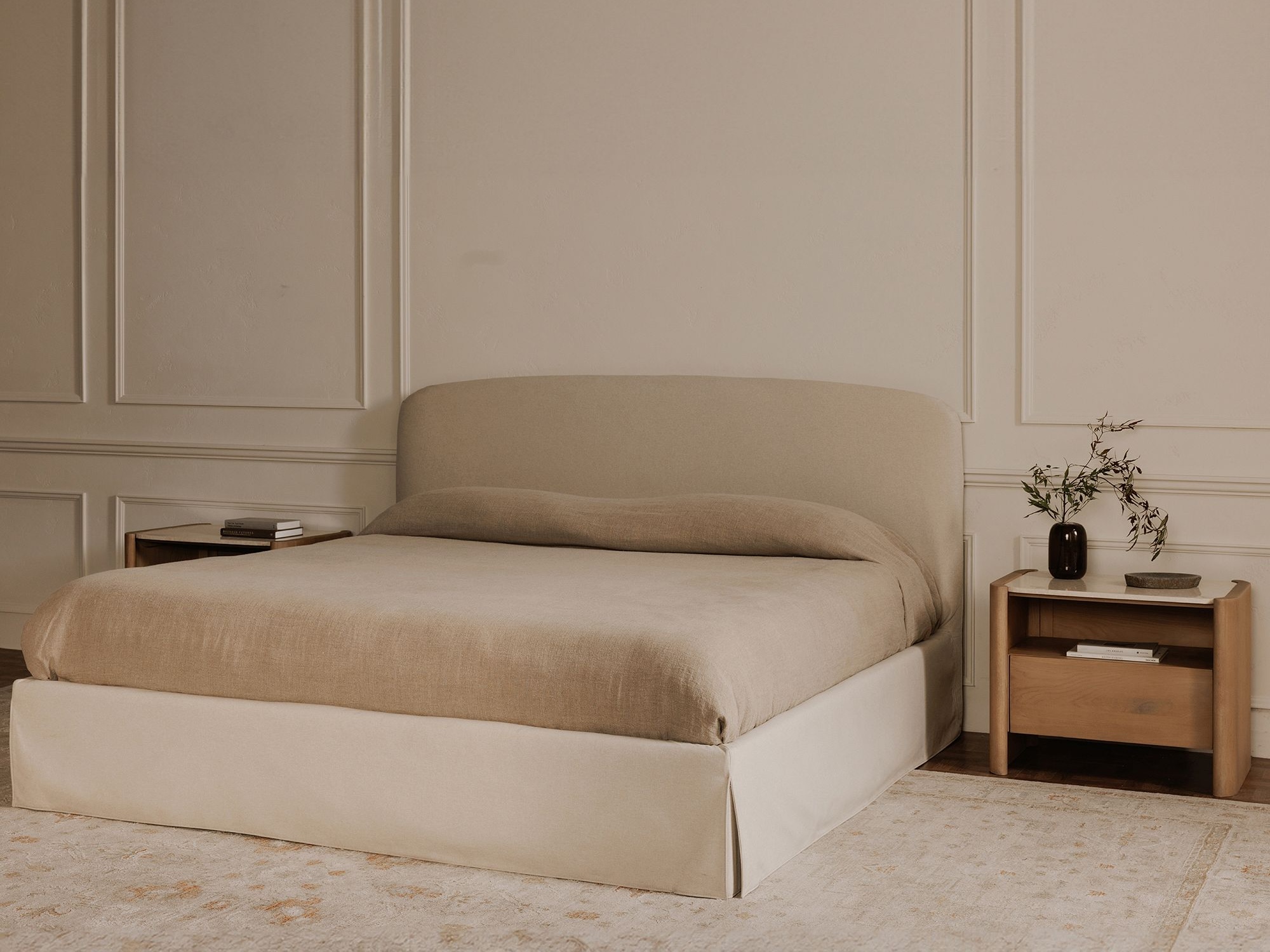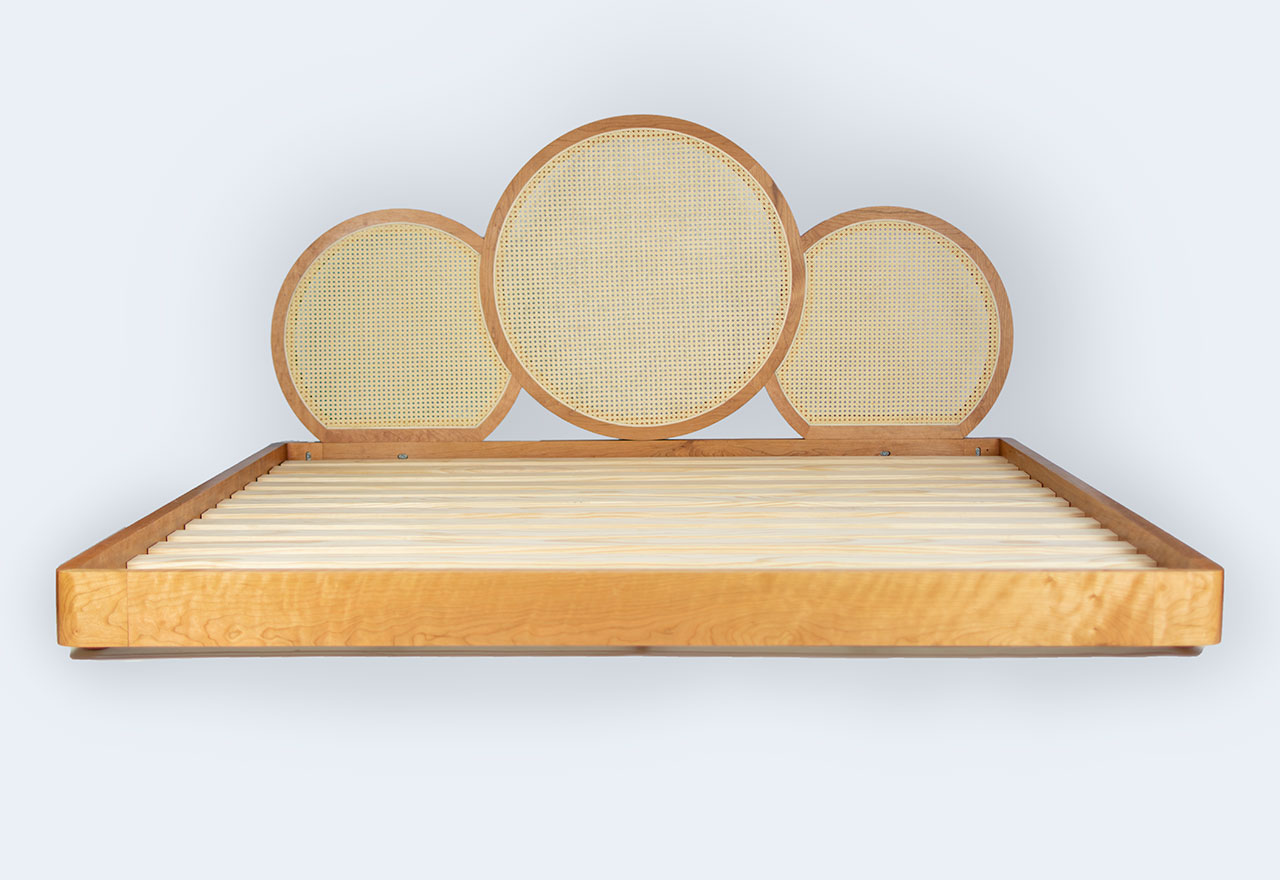
Quick Facts
- Top Support: High-quality GOTS-certified organic mattresses are the gold standard for maintaining spinal alignment and pressure point relief.
- Ideal Climate: To promote deeper sleep, the bedroom should be kept at 60-68°F (15.5-20°C) to assist the body's natural core cooling.
- Lighting Goal: Use smart lighting sleep essentials for nervous system calm, focusing on warm amber tones that mimic the sunset.
- Noise Target: Aim for a target noise reduction of 24 dB through soundscapes or machines to ensure uninterrupted rest.
- Tactile Benefit: Research shows weighted blankets can offer a 36 percent improvement in maintaining sleep without waking up.
- Bio-Hack: Incorporate magnesium body balm for sleep recovery and evening micro-rituals to lower cortisol levels.
Creating a restorative bedroom environment involves selecting sleep essentials that soothe the nervous system through tactile and visual softness. High-quality organic latex mattresses provide ergonomic support, while breathable cotton bedding and blackout curtains help regulate the circadian rhythm to encourage a parasympathetic state for deeper rest.
1. The Buoyant Foundation: Finding Your Ideal Mattress
In our search for a calm home, we often focus on the aesthetics of a room, but the most critical of all sleep essentials is actually the hidden one: your mattress. A restorative bedroom begins with a buoyant foundation that allows your muscles to fully disengage. When we look at sleep essentials mattress reviews, we notice a recurring theme—support is not one-size-fits-all. The way your body interacts with the surface depends heavily on your weight bracket and preferred sleeping position.
For those of us seeking a truly restorative sleep, supportive hybrid mattresses for side sleepers are often the most recommended. These mattresses combine the responsive bounce of an inner-spring with the pressure point relief of organic latex or memory foam. By bridging the gap between comfort and clinical support, these sleep essentials mattresses ensure that your spine remains neutral throughout the night, preventing the micro-adjustments that keep your nervous system in an alert state.
Scientific Why: Ergonomic Alignment
Proper spinal alignment reduces the workload on your central nervous system. When the spine is neutral, the body can divert energy away from structural maintenance and toward cellular repair and lymphatic drainage in the brain.
When selecting a mattress, looking for a GOTS certification is vital. This GOTS certification guarantees that the materials are organic and free from the volatile organic compounds (VOCs) that can disrupt respiratory health. A sleep essentials mattress that prioritizes non-toxic, breathable materials creates a cleaner sleep envelope, allowing you to breathe deeply and drift off without tax on your immune system.
2. Circadian-Proof Lighting: Orchestrating the Melatonin Shift
Our nervous systems are incredibly sensitive to the frequency of light. In a modern world filled with blue light from screens, our internal clocks are often pushed out of sync. Integrating smart lighting sleep essentials for nervous system calm into your bedroom is perhaps the most effective way to signal to your brain that the day is over.
The goal is to move away from harsh overhead lighting and toward a sunset choreography. We recommend using sunrise simulators and portable amber-toned units. These lighting systems mimic the gradual dimming of natural light, which naturally stimulates melatonin production. Unlike traditional bulbs, these smart lighting sleep essentials can be programmed to slowly fade into deep oranges and reds as your bedtime approaches, gently nudging your body into a parasympathetic state.
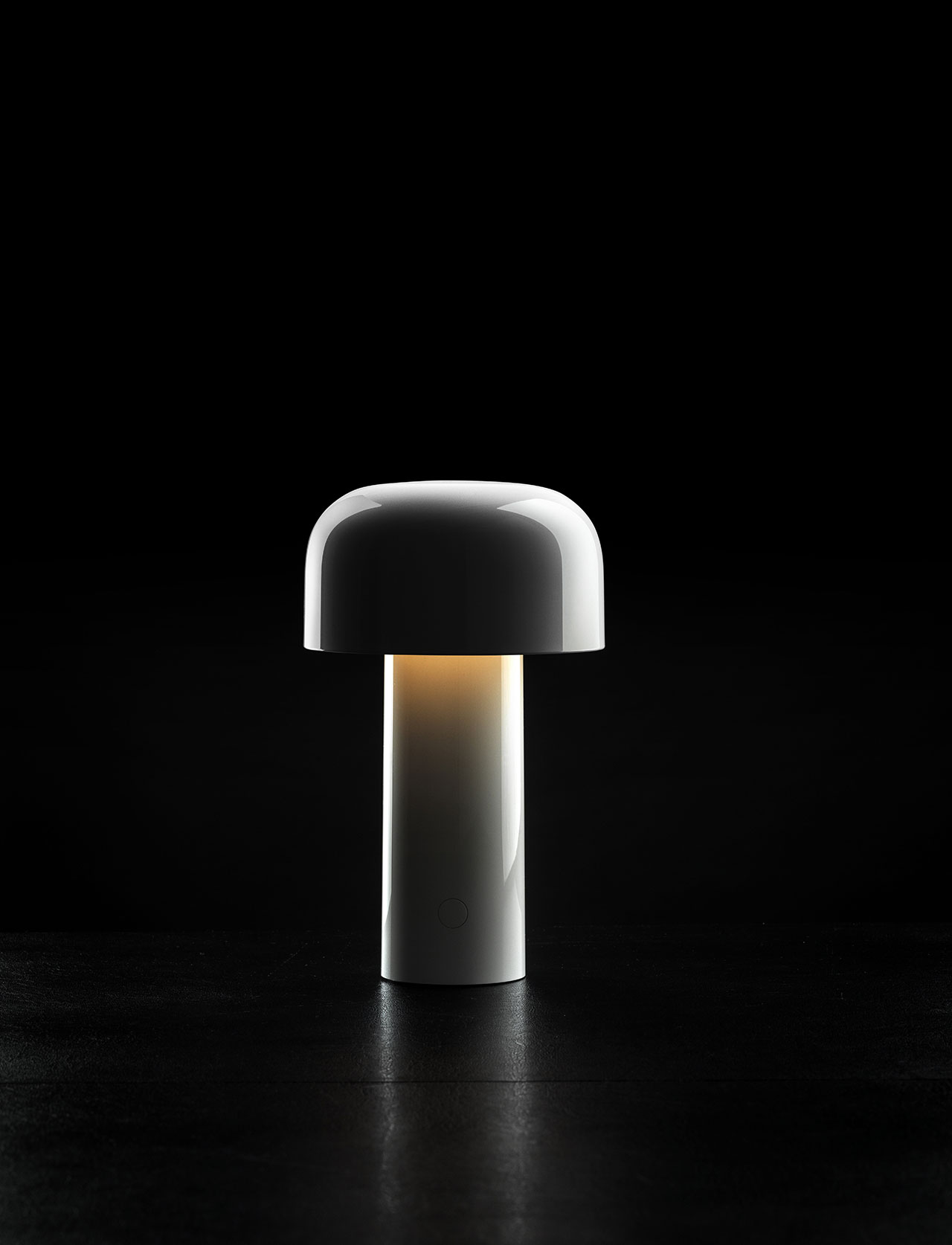
Scientific Why: Melatonin and Light
Blue light inhibits the secretion of melatonin, the hormone responsible for sleep. By switching to long-wavelength amber light in the evening, you allow the pineal gland to function as nature intended, leading to a faster transition into deep sleep stages.
Integrating these lighting tools into your evening ritual helps lower cortisol, the stress hormone that often keeps our minds racing long after we have climbed into bed. By controlling your ambient lighting, you take the primary reins of your circadian rhythm.
3. Thermal Regulation: Breathable Textiles for Deep Recovery
The relationship between temperature and sleep quality is profound. For the body to enter the deepest stages of rest, our core temperature must drop. According to the National Sleep Foundation, the ideal bedroom temperature of approximately 65 degrees Fahrenheit facilitates this natural cooling process. However, the best temperature regulation isn't just about the thermostat; it's about the materials touching your skin.
We suggest using seasonal bedding essentials for year-round comfort. Materials such as high-quality wool, bamboo-derived rayon, and Tencel are much more efficient at moisture-wicking and heat dissipation than synthetic polyesters. These breathable materials ensure that heat doesn't get trapped against your skin, preventing the heart-rate spikes that occur when we overheat.
| Material | Breathability | Thermal Regulation | Tactile Softness |
|---|---|---|---|
| Organic Cotton | High | Moderate | Crisp & Clean |
| Bamboo/Rayon | Very High | Excellent (Cooling) | Silky & Smooth |
| Tencel | Very High | Superior (Moisture-wicking) | Soft & Drapey |
| Wool Layers | Moderate | Superior (Insulating/Cooling) | Textured & Weighted |
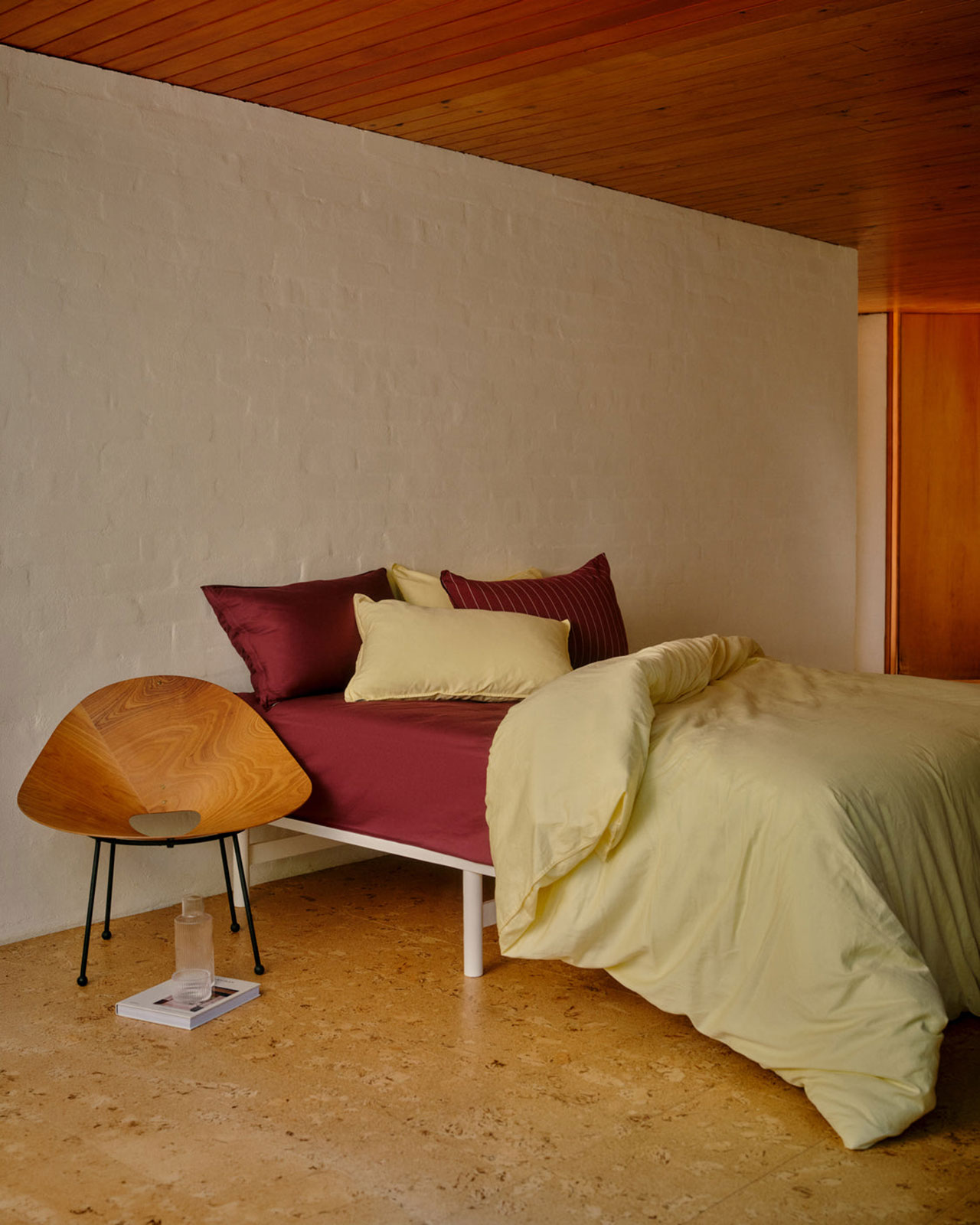
As we move into 2026, we are seeing more Phase-Change Materials (PCMs) integrated into textiles. These smart fabrics can actually absorb extra body heat when you are too warm and release it back if your temperature drops, providing a steady thermal environment for restorative sleep essentials to do their work.
4. Visual Enclosure: Biophilic Design and Light Blocking
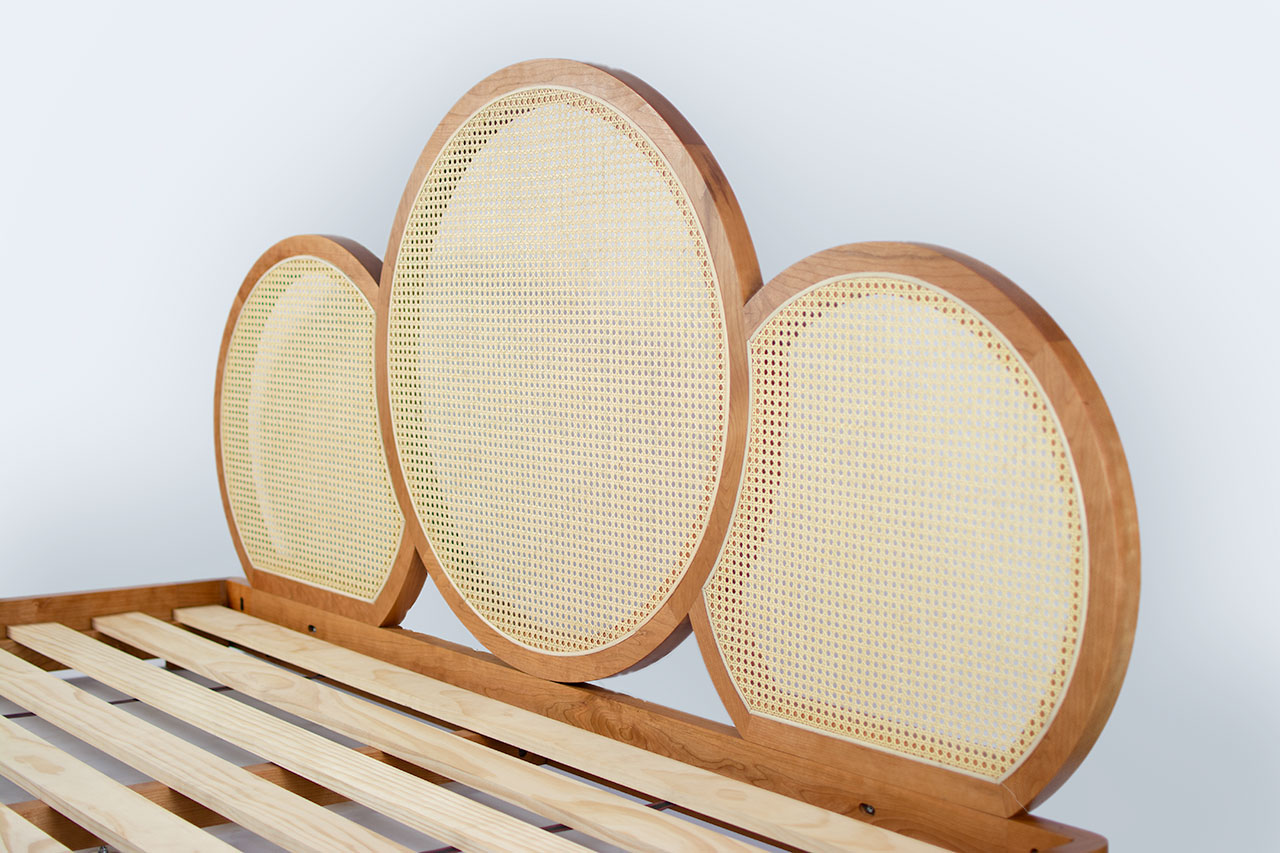
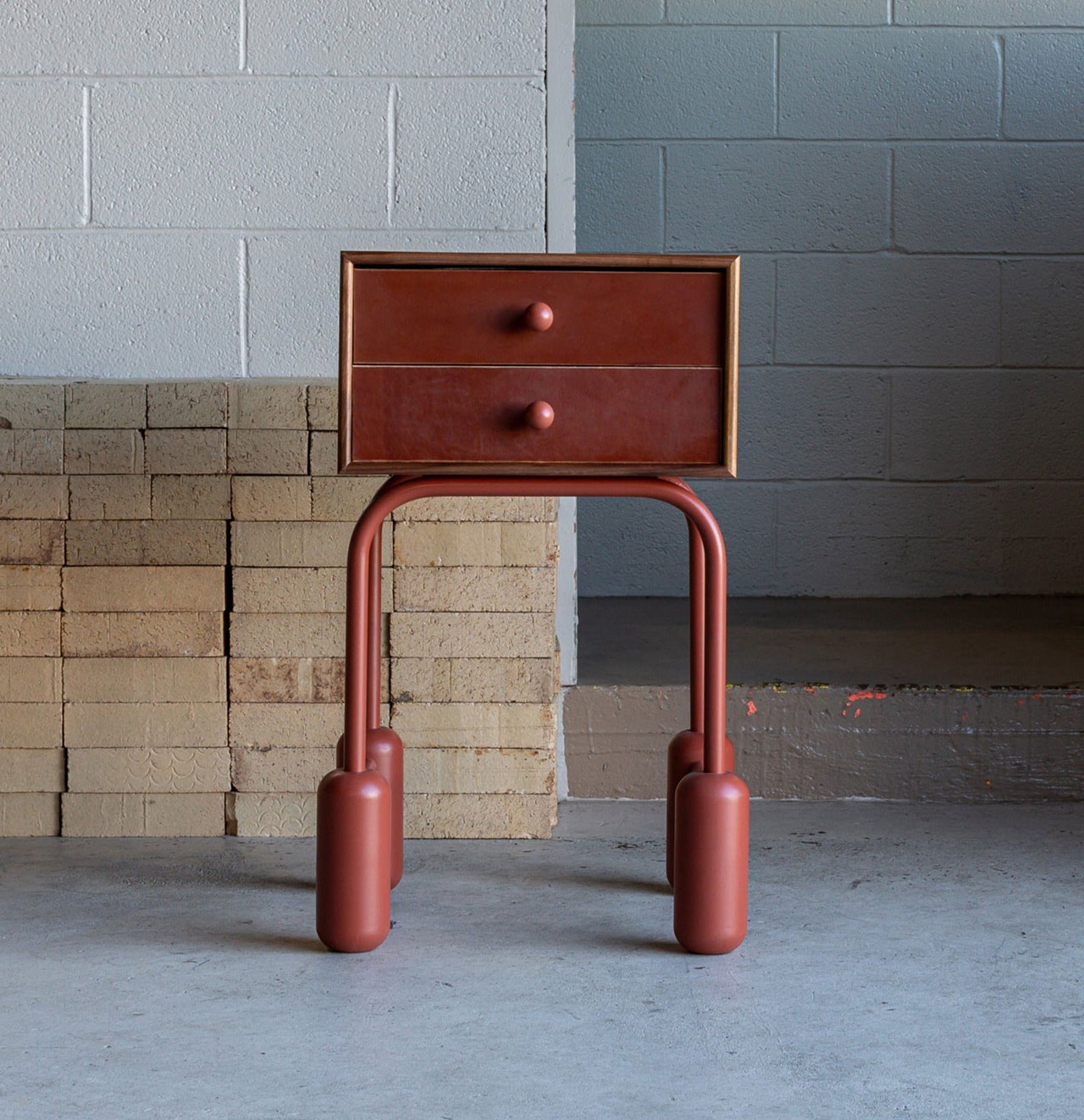
A calm mind requires a calm visual field. In my experience as an organizer, I have found that clutter isn't just physical—it's visual stress. To support the nervous system, we lean into biophilic design, which incorporates natural elements and textures. This includes using restorative bedroom furniture for better sleep, specifically pieces with neotenic or rounded forms.
Sharp angles and "aggressive" furniture silhouettes can subconsciously trigger a sense of vigilance. On the other hand, furniture with rounded edges and natural wood textures reduces visual noise and promotes a sense of safety within the room. This tactile sensitivity extends to the windows as well. Using blackout curtains for deep sleep quality is a non-negotiable for anyone living in an urban environment.
Scientific Why: The Lux Factor
Research published in the Proceedings of the National Academy of Sciences found that exposure to 100 lux of light during sleep for just one night can increase heart rate and activate the sympathetic nervous system. Total darkness is required for the heart to reach its lowest resting rate.
By installing blackout curtains for deep sleep quality, you are protecting your heart and your brain from the intrusive glow of streetlights, ensuring that your nervous system can fully "power down."
5. Sensory Rituals: Topical Magnesium and Scent
The transition from wakefulness to sleep shouldn't be a sudden switch; it should be a graceful bridge. Incorporating sensory tools into your nightly sleep hygiene can significantly decrease the time it takes to fall asleep. One of our favorite restorative sleep essentials is magnesium body balm for sleep recovery.
Magnesium is an essential mineral that aids in muscle relaxation and the regulation of neurotransmitters that calm the brain. Applying a magnesium body balm for sleep recovery to your legs or shoulders before bed can help melt away the physical tension of the day. When combined with sleep rituals involving pillow mists containing lavender or valerian root, you create a powerful olfactory anchor that tells your brain it is time to rest.
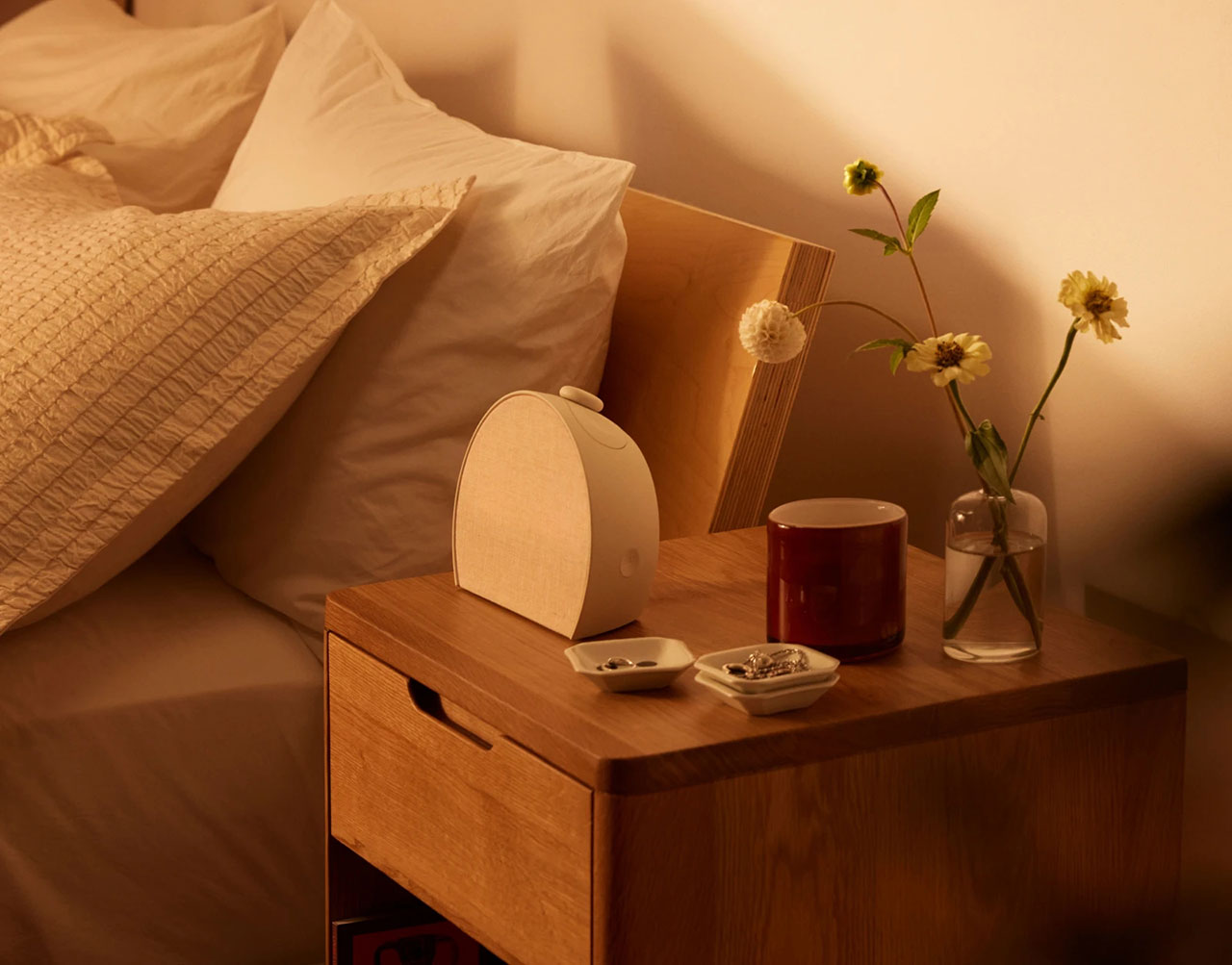
Another tactile tool to consider is the weighted blanket. A study published in the journal Sleep reported that the use of weighted blankets can lead to a 36 percent improvement in the ability to maintain sleep throughout the night. The gentle pressure mimics the sensation of being held, which triggers the release of oxytocin and serotonin while reducing cortisol, making it one of the most effective sleep essentials for anxiety.
6. Audio Cocoon: Soundscapes and White Noise
Finally, we must address the auditory environment. Even when we are sleeping, our brains continue to process sound. A barking dog or a passing car can cause a "micro-arousal" that pulls us out of restorative deep sleep phases, even if we don't fully wake up.
Creating an audio cocoon using white noise machines or layer-able soundscapes is an essential step in sleep hygiene. The goal is sound masking—providing a consistent, low-level background noise that prevents sudden sounds from being disruptive. Aim for products that offer a target noise reduction or masking capability of around 24 dB. Whether you prefer the steady hum of a fan or the complex frequencies of "pink noise" (which mimics the sound of rain or wind), these tools help maintain a protective boundary around your sleep.
By layering these sensory-focused sleep essentials—from the GOTS certification of your mattress to the 24 dB hum of your white noise machine—you transform your bedroom from a simple place of rest into a true recovery sanctuary.
FAQ
What are the most important sleep essentials?
The most critical essentials are those that address the primary senses: a high-quality mattress for physical support, blackout curtains for total darkness, and breathable bedding for temperature regulation. These three form the foundation of sleep hygiene.
How can I create the perfect sleep environment?
Start by auditing your bedroom for "stressors." Remove blue-light electronics, ensure the room can reach a temperature of 60-68°F, and use sound masking tools to eliminate disruptive environmental noise. Focus on creating a space that feels visually and tactically soft.
What products help with falling asleep faster?
Smart lighting sleep essentials that mimic the sunset are highly effective for triggering melatonin. Additionally, topical magnesium body balm for sleep recovery and scent-based cues like lavender pillow mists can help shorten the time it takes to drift off by relaxing the nervous system.
Do weighted blankets actually improve sleep quality?
Yes, data suggests a significant impact. Research has shown that weighted blankets can provide a 36 percent improvement in sleep maintenance, helping people stay asleep longer by providing grounding pressure that reduces the body's stress response.
What is the ideal room temperature for deep sleep?
The consensus among experts is approximately 65 degrees Fahrenheit. This cool environment supports the body's natural circadian drop in core temperature, which is a necessary biological signal for the brain to enter deep, restorative sleep cycles.