Walking through the sun-drenched, industrial-chic corridors of the Starrett-Lehigh Building during the Shoppe Object winter market, one thing became immediately clear: the dining table is no longer just a surface for meals; it is an evolving gallery of personal expression. As an editor, I’ve seen seasons come and go, but the curation for 2026 feels remarkably grounded yet daringly experimental.
This year’s show was a record-breaking event, featuring over 850 hand-selected vendors and makers, establishing it as New York City’s premier destination for the tabletop and homewares category. The atmosphere was electric, buzzing with "B2B discovery" as elite buyers from Bloomingdale’s, Crate & Barrel, and the Museum Store Association scouted the next big thing. If you’re looking for the best tableware for 2026, the trends are shifting toward Sustainable Luxury—using eco-conscious materials without sacrificing elegance; Bold Accents—think deep jewel tones and sculptural gold; and Contemporary Craft—where analog materials like hand-blown glass and artisan ceramics are reimagined into ergonomic, artistic forms.
The Shoppe Object Phenomenon: Defining the 2026 Aesthetic
The 2026 aesthetic is less about rigid sets and more about the "curated mix." We are moving away from the clinical perfection of the early 2020s and toward a look that feels found, storied, and intentionally textured. At Shoppe Object, the sheer volume of independent designers provided a roadmap for how we will be entertaining in the next two years.
The industry is seeing a significant surge in independent makers connecting with national retail giants, which means the "artisan look" is becoming more accessible than ever, albeit with a premium on provenance and craftsmanship. Whether you are a minimalist looking for the perfect "milky glow" of bone china or a maximalist craving reactive glazes and bold forms, the 2026 landscape offers a diverse palette to suit every brand of hospitality.
Trend 1: Sustainable Luxury & Conscious Craft
In 2026, sustainability is no longer a "feature"—it is a foundational requirement. However, the definition has matured. We are moving beyond the raw, rustic look of recycled materials into a realm I call "Purpose-Driven Design." This trend focuses on the circular economy, where waste is transformed into high-end objects that carry a narrative of resilience.
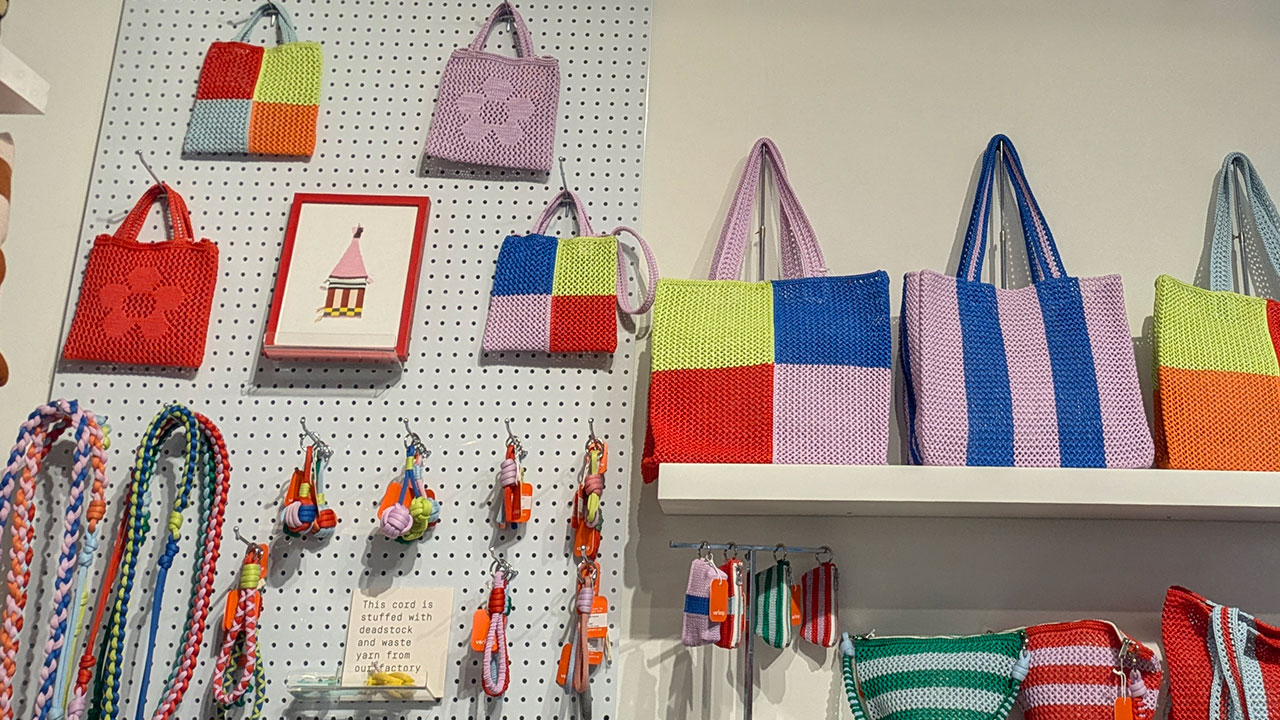
A standout in this category is the transition of textile-focused makers into the home space. Brands like Verloop are leading the charge, utilizing deadstock yarns and sustainable knitting techniques to create tactile home accessories that soften the edges of a modern dining room. Their work challenges the idea that "luxury" must be synonymous with newness, proving that repurposed materials can achieve a high-fashion finish.
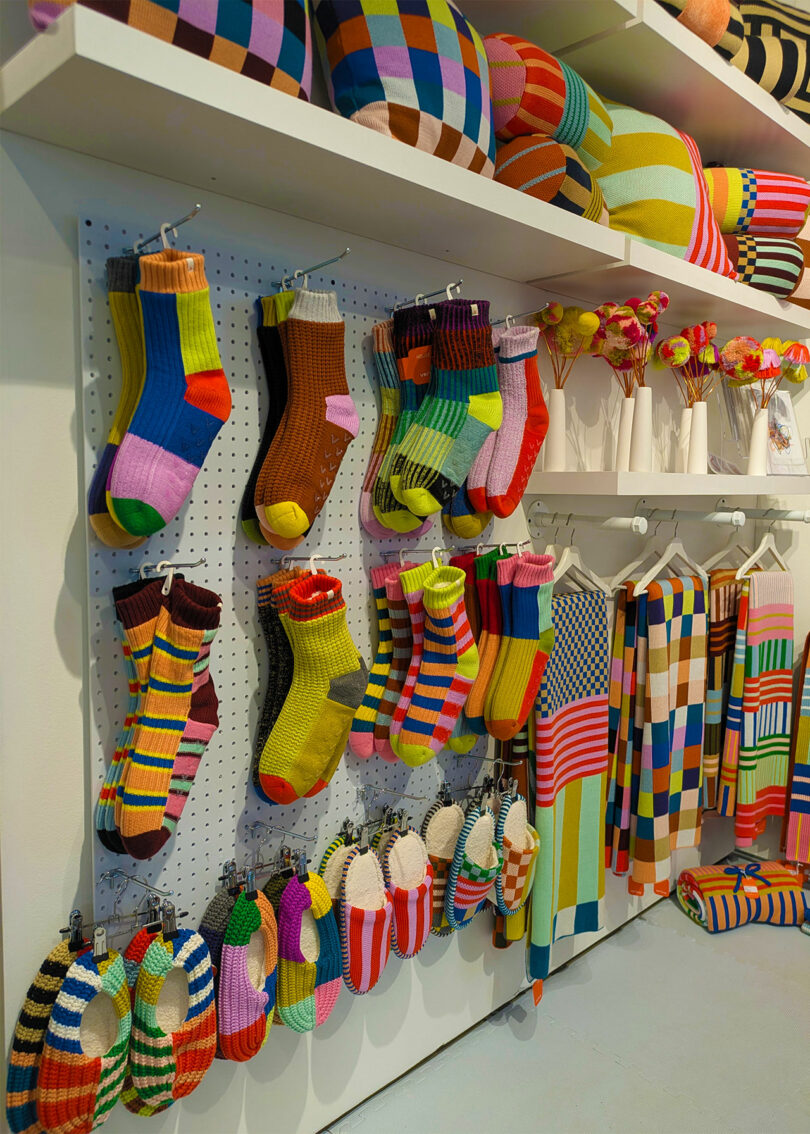
This movement is characterized by:
- Upcycled Elegance: Utilizing production leftovers (like clay scraps or textile fibers) to create one-off pieces.
- Ethical Production: A focus on the "human element," highlighting the artisans behind the pieces.
- Durability as Sustainability: Investing in high-quality materials that are built to last a lifetime, reducing the "fast-decor" cycle.
Trend 2: Contemporary Craft & Reimagined Analog Materials
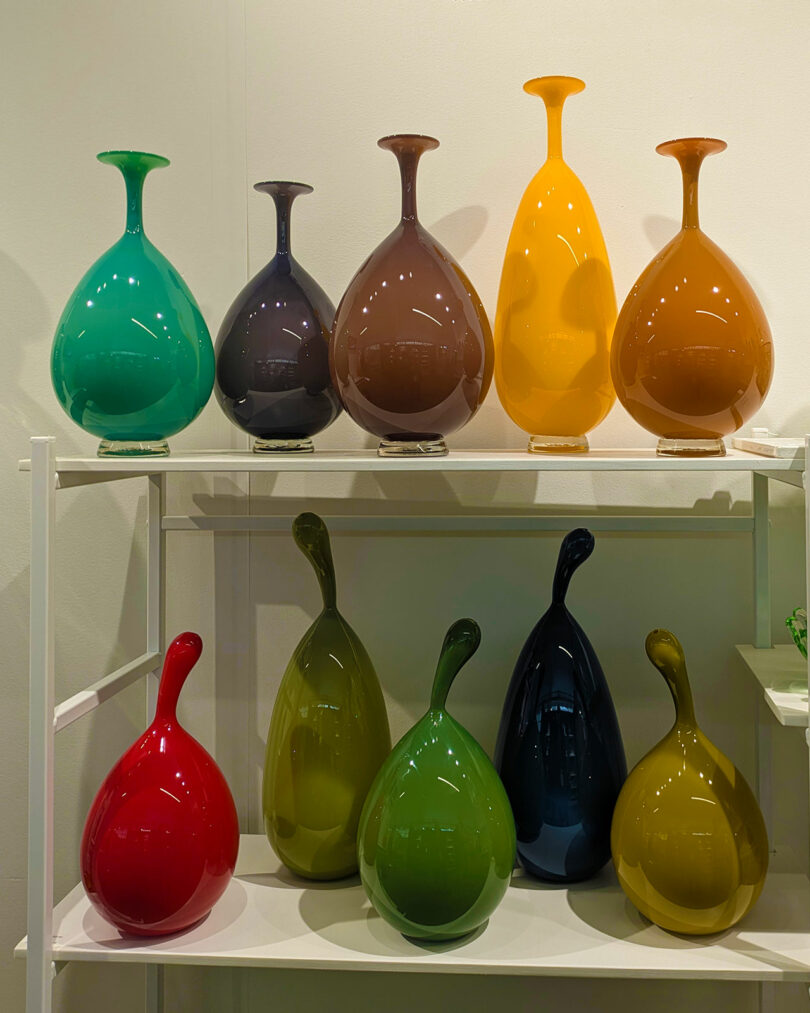
Perhaps the most visual shift at Shoppe Object was the elevation of glassware and ceramics into the realm of "functional art." The 2026 table is sculptural. We are seeing a fusion of ancient glassblowing processes with futuristic, almost alien forms.
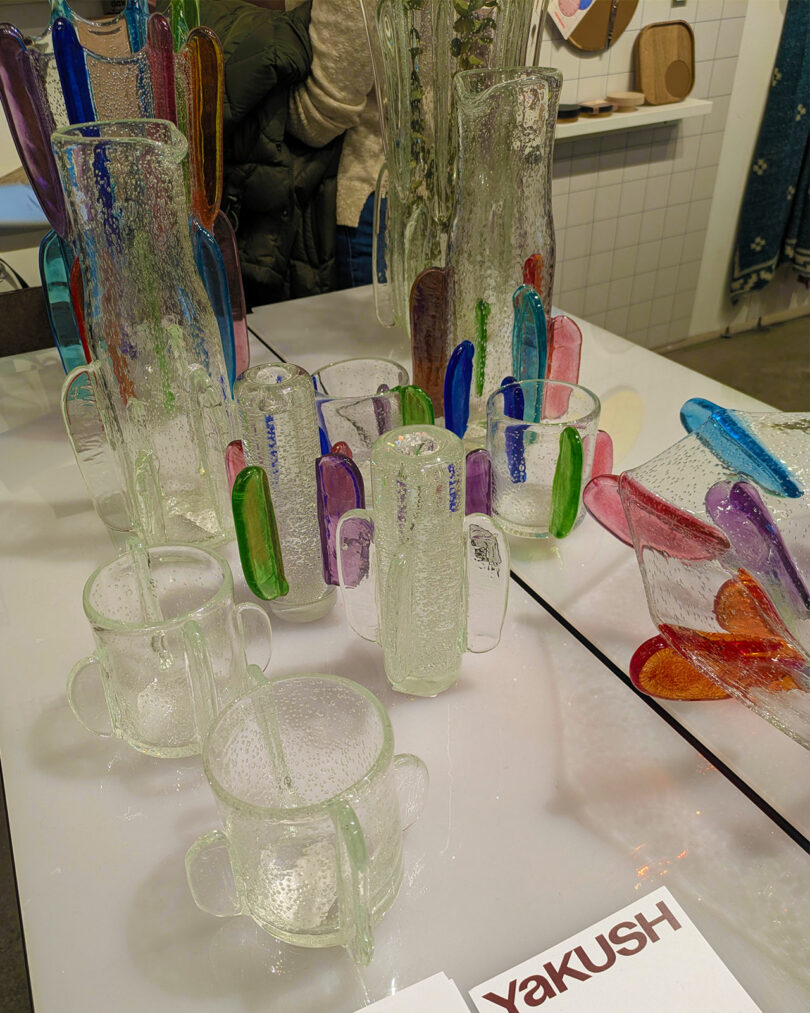
Yakush showcased a Japanese Winter collection that felt like captured light—erratic, beautiful, and deeply evocative of the natural world. Similarly, Tyler Barry Design has perfected the art of ergonomic glassblowing, creating vessels that feel as good in the hand as they look on the shelf. The trend here is "bold accents"—moving away from safe, clear glass toward bubbly forms and deep, saturated jewel tones.
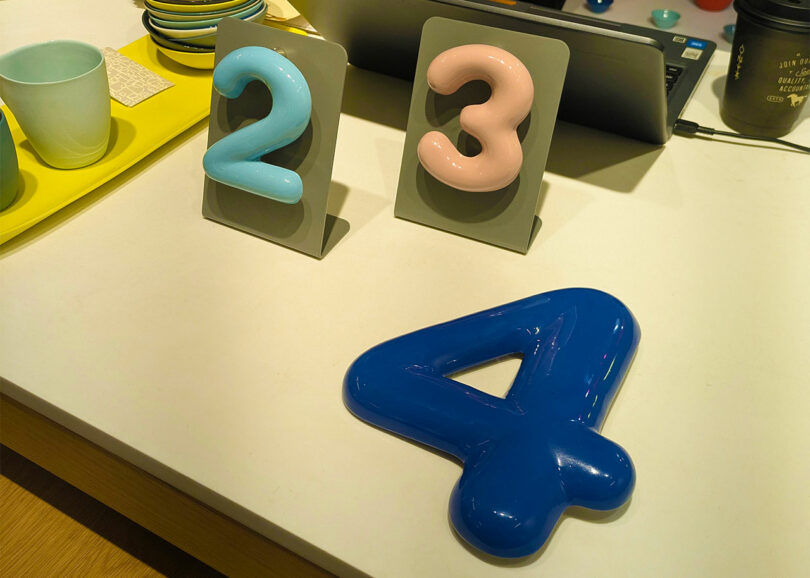
In ceramics, Mud Australia continues to dominate the conversation with their Numbers collection. By combining minimalist silhouettes with a sophisticated color palette, they allow the user to play with "layering." Instead of a monochrome table, 2026 encourages us to mix tones—pairing a dusty rose dinner plate with a deep teal side bowl.
Ivy’s Style Tip: When working with bold forms, keep your linens neutral. Let the silhouette of the glassware and the texture of the glaze be the "hero" of the table.
Trend 3: The 'Calm' Table – Sensory Tableware
In an increasingly digital world, the 2026 table is becoming a sanctuary for mindfulness. This trend, which I call the "Calm Table," incorporates sensory elements that go beyond sight and taste. It’s about creating an environment that encourages guests to slow down.
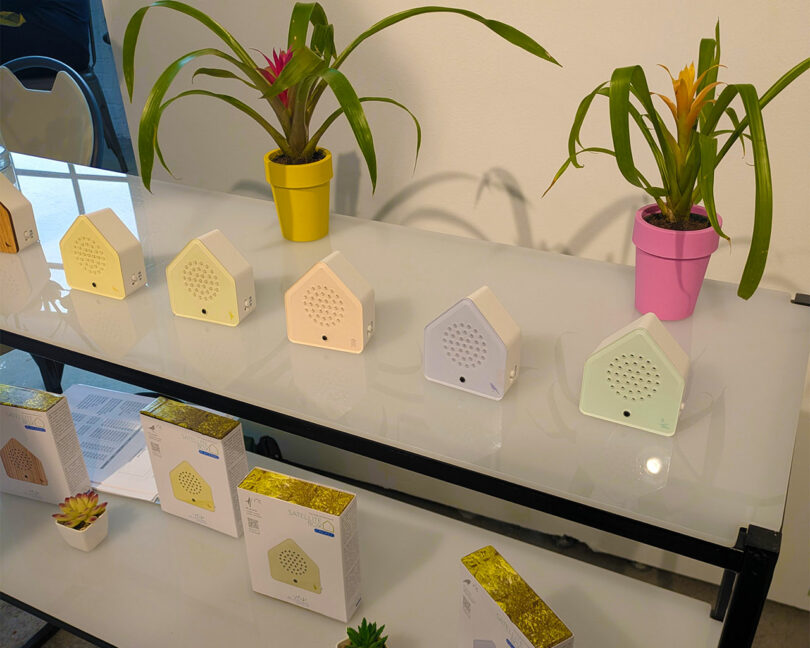
One of the most surprising finds at Shoppe Object was the integration of tech-forward sensory items into the dining environment. Relaxound sound boxes, for example, are being placed in dining rooms and entryways to provide a backdrop of nature sounds—forest birds or seaside waves—creating a multi-sensory experience that begins the moment a guest enters.
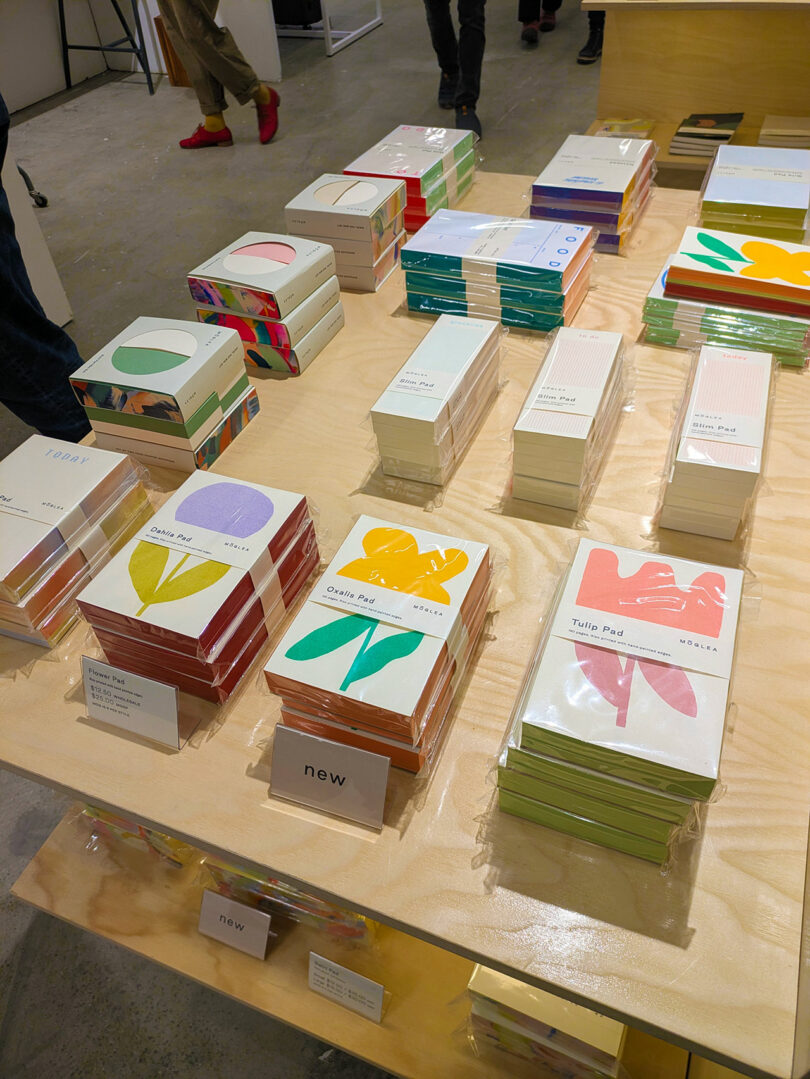
This "calm" aesthetic also extends to the stationery-inspired accents found on the table. Moglea, known for their stunning hand-painted stationery, has influenced the way we look at table accents. Their painted edge pads and artistic "paper-craft" approaches are being translated into functional art for the home, offering a tactile, creative layer that feels intimate and handmade.
Material Deep Dive: Choosing Your 2026 Collection
Selecting the right material is the difference between a table that looks good and a table that works. For 2026, the focus is on durability meeting translucency.
Bone China vs. Porcelain
While often confused, understanding the nuance between these two is vital for the modern host.
| Feature | Bone China | Porcelain |
|---|---|---|
| Composition | Contains bone ash (at least 25%) | Kaolin clay, feldspar, and quartz |
| Appearance | Warm, "milky glow," translucent | Cool, stark white, more opaque |
| Durability | Surprisingly strong; chip-resistant | Hard and dense; can be brittle |
| Weight | Lightweight and delicate feel | Heavier, more substantial |
| Best For | Formal luxury & heirlooms | Everyday high-use & modern minimalism |
The Allure of Reactive Glazes
The "one-of-a-kind" look is a massive driver for 2026. Reactive glazes occur during the firing process when chemicals in the glaze react to the heat in unpredictable ways. This results in variegated colors, speckles, and "drip" patterns that ensure no two plates are exactly alike. For a generation that values "personal branding" and unique home environments, these pieces offer a bespoke feel without the bespoke price tag.
From Corporate Galas to Everyday Tablescapes
How do we scale these insider trends for our own homes? Whether you are planning a corporate dinner or an intimate brunch, the principles remain the same:
- The 15% Buffer Rule: Always plan for a 10-15% buffer in your guest counts when ordering tableware. In the world of artisan goods, lead times can be long, so having "overstock" in your own pantry is essential.
- The Space-Saving Shift: For those in urban environments, 2026 is the year of the "coupe" shape. These flat, rimless plates stack significantly better than traditional wide-rimmed plates, allowing you to house a full 12-person set in half the cupboard space.
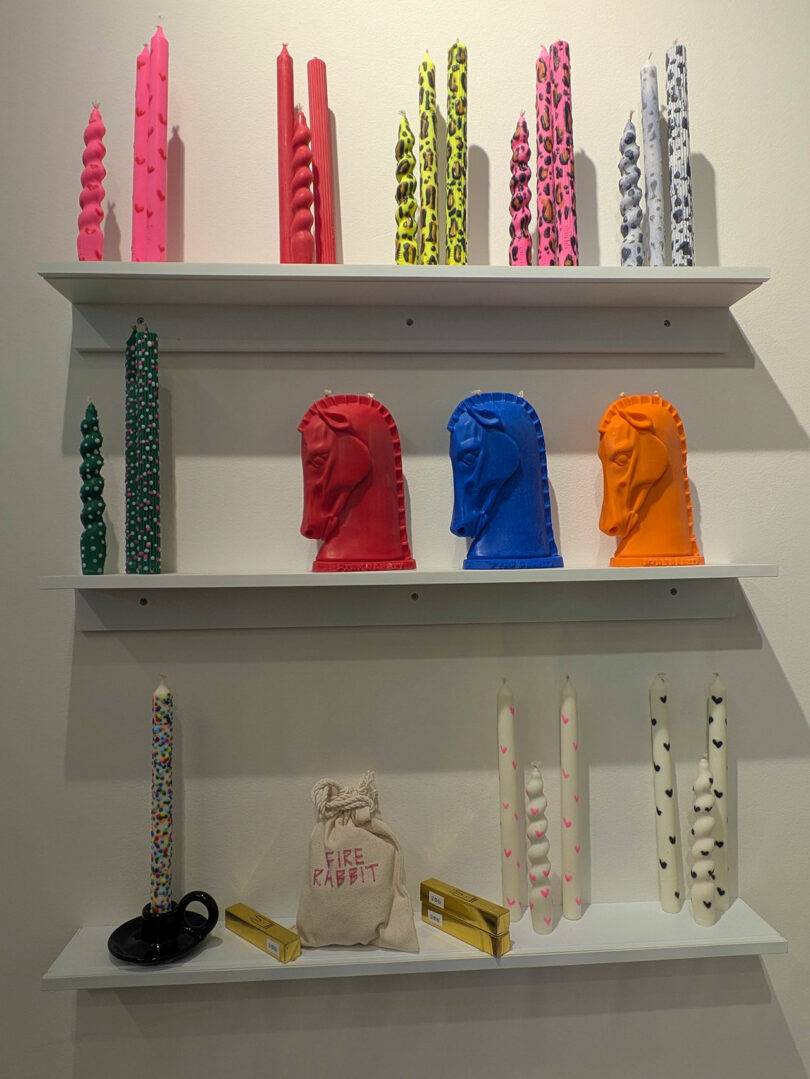
- Mixing the Minimalist with the Ornate: Don’t be afraid to pair a very modern, stackable dinner plate with a wildly ornate, sculptural candle or centerpiece. It’s that tension between the practical and the poetic that defines modern luxury.
FAQ
Q: Are reactive glaze ceramics dishwasher safe? A: Generally, yes. Most modern reactive glazes are fired at high temperatures that make them vitrified and non-porous. However, always check the manufacturer’s notes, as some artisanal glazes with metallic inclusions might require hand-washing to maintain their luster over decades.
Q: What is the "it" color for 2026 tableware? A: While neutrals remain a staple, the "it" colors are deep, moody jewel tones—specifically Emerald Green and Midnight Amber. These colors provide a sophisticated backdrop that makes food photography pop.
Q: Why is Shoppe Object considered more "insider" than other trade shows? A: Unlike larger, more commercial shows, Shoppe Object is strictly curated. It focuses on design-led brands and independent makers, making it the birthplace of trends that eventually trickle down to mainstream retailers 12-18 months later.
Final Thoughts
The takeaway from Shoppe Object 2026 is clear: the future of tableware is soulful. We are moving toward objects that tell a story—whether that story is about the sustainability of the material, the heritage of the artisan, or the sensory peace they bring to our busy lives. As you curate your own collection for the coming years, look for pieces that invite a touch, spark a conversation, and, above all, reflect the unique rhythm of your home.