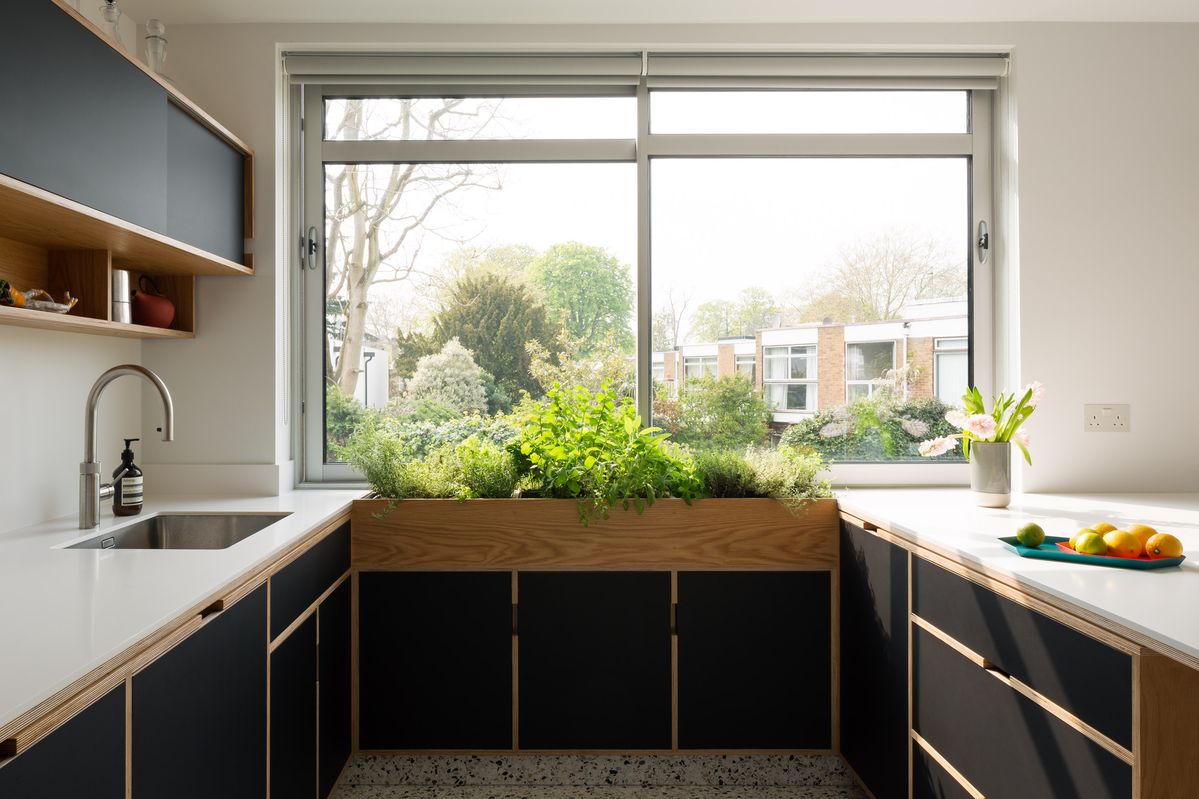
To spot an Uncommon Projects kitchen, you don't look for a logo; you look for the impeccable rhythm of exposed plywood edges and an unapologetic marriage of bold color and structural timber. As we look toward 2026, the trend in bespoke cabinetry is shifting away from the "bigger is better" warehouse-style pantry toward a more curated, intuitive approach. Uncommon Projects defines its kitchen storage philosophy as 'material-led and function-first,' a principle that prioritizes varied drawer depths and shallow cupboards over uniform cabinetry to ensure every item has a visible, dedicated place.
In the contemporary home, the kitchen is no longer just a laboratory for cooking; it is a grounded, tactile sanctuary. The latest innovations from the London-based design studio demonstrate that the future of storage isn't about hiding your life away—it’s about organizing it so beautifully that the utility becomes the aesthetic.
1. Shallow Pantry Shelving: Ending the 'Hidden Cache' Problem
For years, the "walk-in pantry" was the ultimate kitchen flex, but the reality often involved deep, dark shelves where half-used jars of tahini and bags of lentils went to die. Uncommon Projects is spearheading a move toward shallow pantry shelving for 2026. This innovation is designed to keep spices and condiments fully visible, preventing the "hidden caches" of expired goods that plague deeper units.
By limiting shelf depth to the width of just one or two items, the design maximizes narrow kitchen spaces—often reclaiming "dead" wall space behind a door or at the end of a run of units. This approach turns the pantry into a high-visibility library of ingredients.
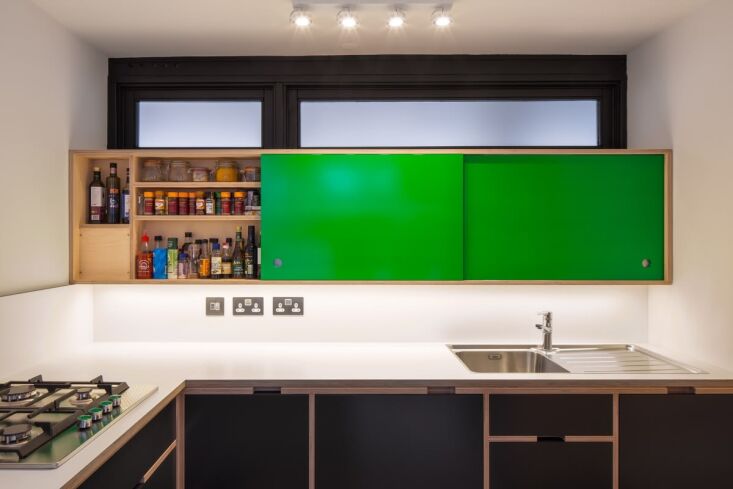
Organization is further elevated through the use of 100% recycled plastic crates. These modular inserts allow homeowners to group items by category—baking, breakfast, or "taco night"—allowing for a system that is as easy to maintain as it is to look at.
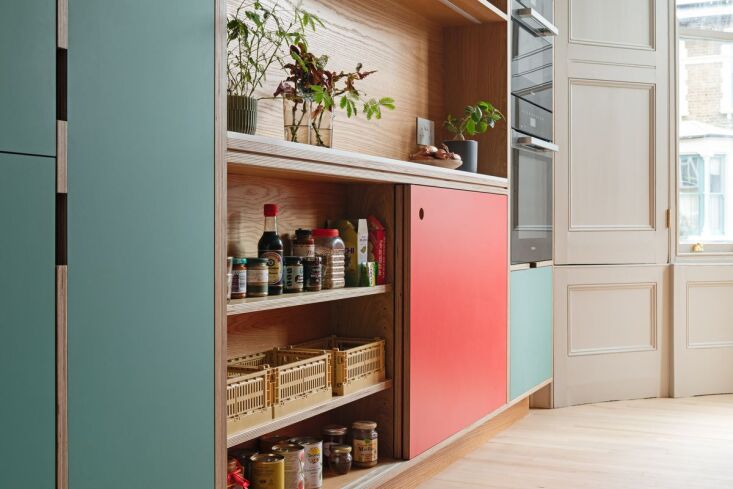
Ivy’s Pro-Tip: When planning a shallow pantry, consider the "visibility rule." If you have to move one item to see another, the shelf is too deep. Aim for a depth of 12cm to 15cm for spices and 25cm for dry goods.
2. Integrated Display Niches and Cork-Veneered Aesthetics
The 2026 aesthetic is moving away from clinical, high-gloss minimalism toward a "warm modernism." Uncommon Projects achieves this through a sophisticated use of materials like cork-veneered fronts and high-pressure laminate (HPL) on birch plywood. Modern bespoke kitchens are increasingly using these eco-friendly materials to combine tactile warmth with high durability.
Integrated display niches are a key part of this "un-kitchen" look. Rather than hiding everything behind closed doors, deep niches are carved out of the cabinetry to house XL serving bowls, ceramic vases, or even integrated lighting. This transforms everyday utility items into visual decor, grounding the space in a sense of lived-in luxury.
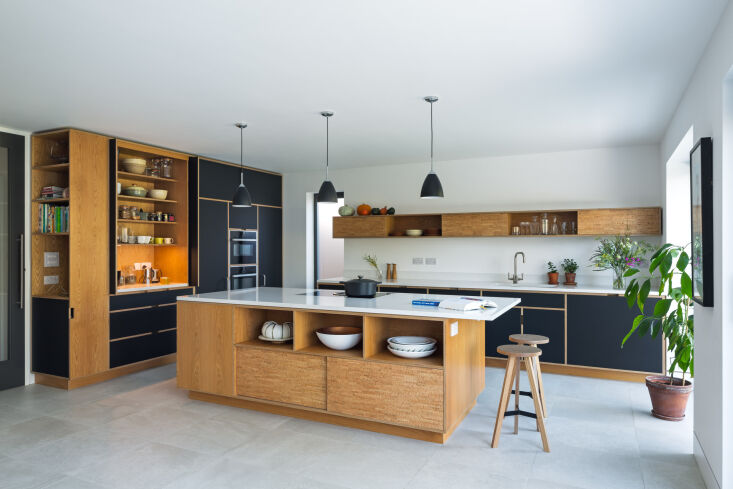
The use of cork is particularly noteworthy. It is naturally antimicrobial, sound-absorbent, and offers a soft-touch texture that contrasts beautifully with the industrial precision of plywood. It’s a material choice that feels both ancient and futuristic.
3. Specialized Storage: Bottle Service and Cookbook Islands
The most successful bespoke designs are those that cater to the specific rituals of the homeowner. In recent projects, such as the Southeast London Victorian Coach House, Uncommon Projects has moved away from generic cupboards in favor of highly specialized zones.
"Bottle Service" refers to the artfully incorporated bottle racks built directly into island units or table benches. Instead of a separate wine fridge that breaks the visual flow of the timber, these custom-milled slots keep beverages accessible and organized, acting as a structural element of the island itself.
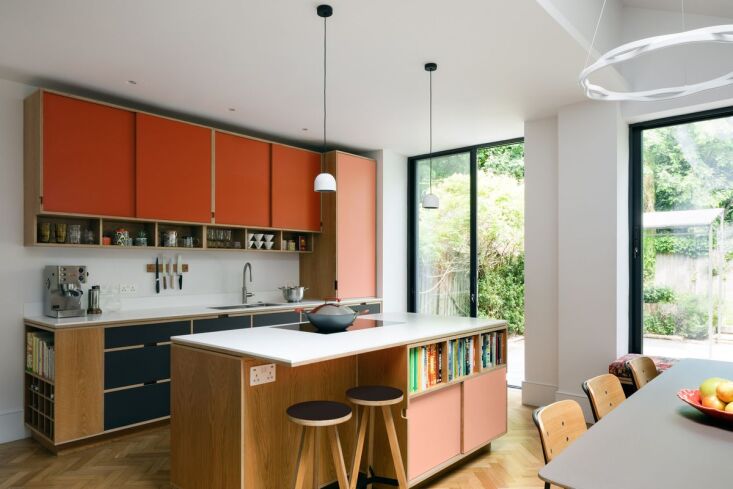
In a North London Victorian terrace project featuring a vibrant coral pink palette, the studio demonstrated how to handle the "cookbook clutter" problem. By tucking cookbook shelves into the ends of islands—a concept we call "Recipes at the Ready"—they ensure that culinary inspiration is always within arm's reach without occupying valuable counter space.
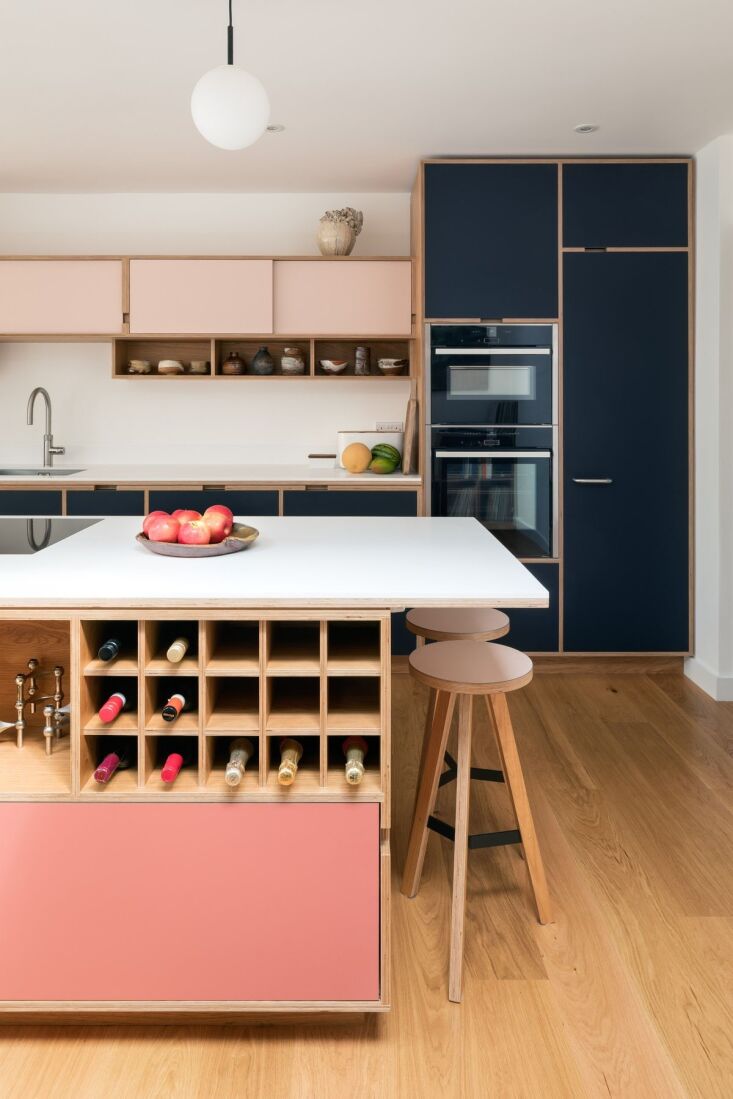
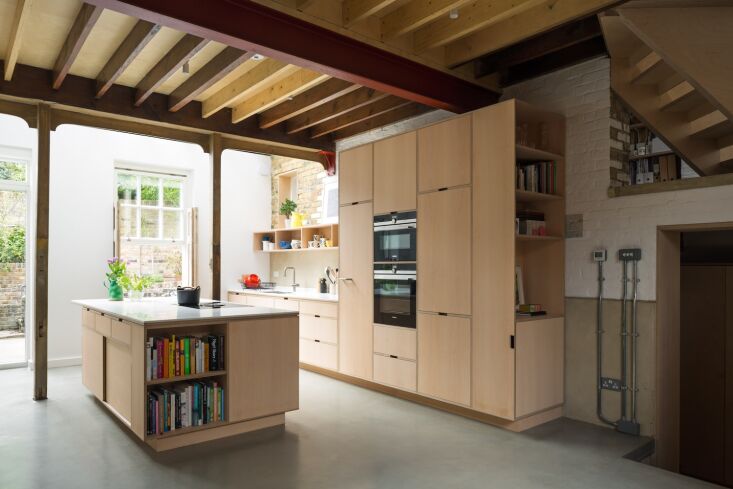
The coral pink project serves as a masterclass in how bold color can be balanced with functional plywood. It proves that a high-function kitchen doesn't have to look utilitarian; it can be a vibrant, energetic heart of the home.
4. Deep Drawer Systems and Reclaimed Corner Space
The death of the base cabinet is upon us. For 2026, the industry is seeing a total shift toward deep drawer systems. Modern cabinetry designs utilizing integrated deep drawer systems provide up to 40% more accessible storage volume than traditional reach-in base cabinets. Why? Because drawers bring the contents to you, eliminating the need to get on your hands and knees to find a pot lid at the back of a dark cupboard.
Storage Stat: Implementation of specialized 'blind corner' pull-out hardware in 2026 kitchen models has been shown to reclaim 95% of previously unusable corner cabinet space.
The "Blind Corner" breakthrough is perhaps the most satisfying innovation. Using advanced German-engineered hardware, Uncommon Projects creates "magic corners" that glide out with a single pull, bringing every inch of that awkward corner space into the light. This is particularly crucial in London’s Victorian renovations, where kitchen footprints are often constrained by original architectural quirks.
5. Material Innovation: HPL and Birch Plywood
Sustainability is no longer a "feature"—it is the foundation. The use of High-Pressure Laminate (HPL) on FSC-certified birch plywood is the gold standard for 2026. HPL is incredibly resilient to the scratches, heat, and moisture of a family-heavy kitchen, while the birch plywood core offers a carbon-sequestering alternative to traditional MDF.
The trend for the coming year is "Mixed-Material Perimeters." This involves pairing painted perimeter cabinets (perhaps in a muted sage or a deep terracotta) with a natural wood or cork island. This creates a "furniture-first" feel, making the kitchen feel like an extension of the living area rather than a separate service zone.
| Feature | Stock Cabinetry | Semi-Custom | Uncommon Projects Bespoke |
|---|---|---|---|
| Material Base | Particle Board/MDF | Thin Plywood/MDF | 18mm Baltic Birch Plywood |
| Storage Depth | Fixed/Standard | Adjustable Shelves | Custom-mapped to inventory |
| Corner Solutions | Lazy Susan (Basic) | Simple Pull-outs | 95% Reclaim 'Magic' Hardware |
| Finish Options | Foil/Paint | Limited Laminates | HPL, Cork, Linoleum, Veneer |
| Sustainability | Low/Unknown | Moderate | FSC-Certified, Low-VOC |
Transformation vs. Tradition
In traditional kitchen design, the cabinetry is a shell that you try to fit your life into. In an Uncommon Projects kitchen, the cabinetry is a reflection of how you move, cook, and entertain. By choosing shallow pantries over deep voids, and tactile cork over cold stone, the 2026 kitchen becomes an impeccable blend of architectural precision and lifestyle-driven warmth.
Whether you are embarking on a full remodel or simply looking to optimize your current space, these innovations remind us that the best storage solutions aren't just about "more space"—they are about better visibility and smarter materials.
FAQ
Why is birch plywood preferred over standard MDF for kitchen cabinets? Birch plywood is significantly more durable and has a higher strength-to-weight ratio than MDF. From a design perspective, the exposed edges of plywood provide a unique linear aesthetic that is a hallmark of modern bespoke design. It is also more resistant to moisture, which is essential in a kitchen environment.
Are shallow pantries actually practical for a large family? Absolutely. While they may seem to hold "less," they actually maximize usable space. In a deep pantry, items are often lost or forgotten, leading to waste. A shallow pantry allows you to see your entire inventory at once, making meal planning and grocery shopping much more efficient.
How do I maintain cork-veneered cabinet fronts? Modern cork veneers used by Uncommon Projects are sealed with high-quality, low-VOC finishes that make them wipe-clean and durable. They should be treated much like high-end wood cabinetry—avoiding abrasive cleaners and simply using a damp cloth for spills.