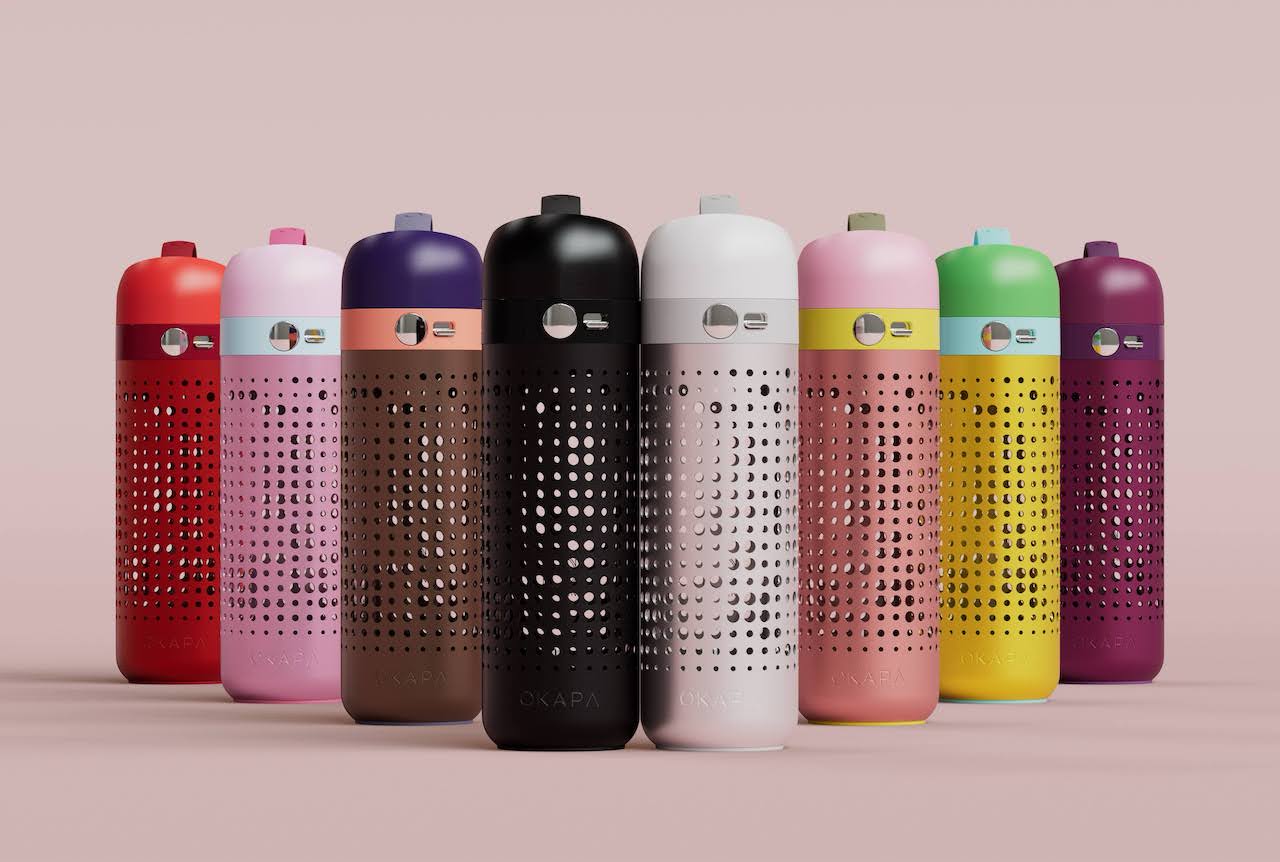
The irony of the modern sustainability movement is often tucked away in the back of a kitchen cupboard or forgotten in a corner of the garage. We buy reusable water bottles to "save the planet," yet we treat them as seasonal fashion accessories. Walk into any thrift store today and you will find shelves overflowing with chipped stainless steel and cloudy plastic—the "disposable reusables" of yesteryear. We have entered an era where we must distinguish between products that simply replace a single-use item and those that represent a fundamental shift in how we manufacture and consume.
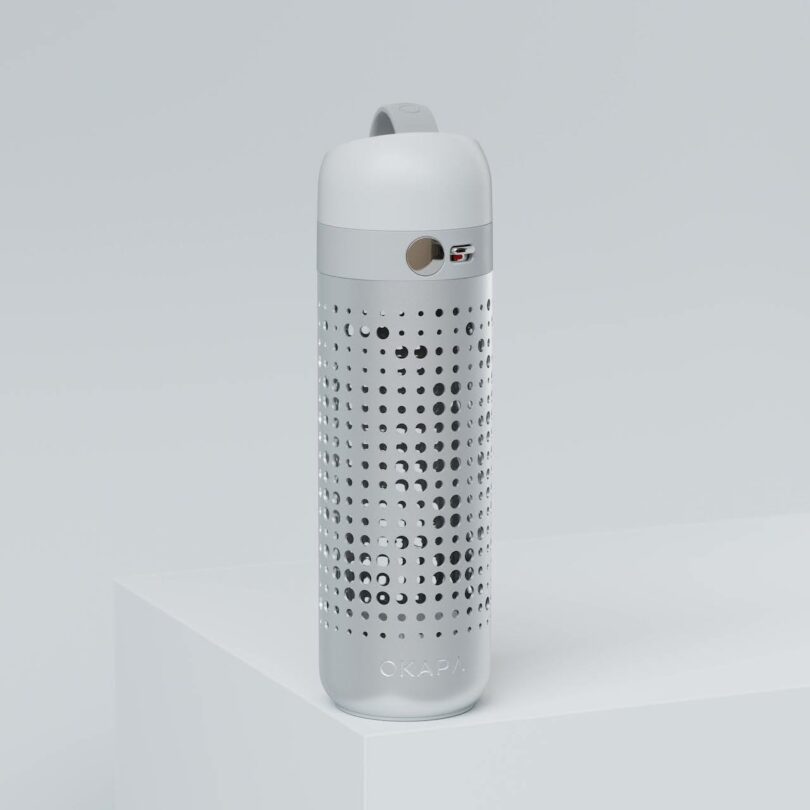
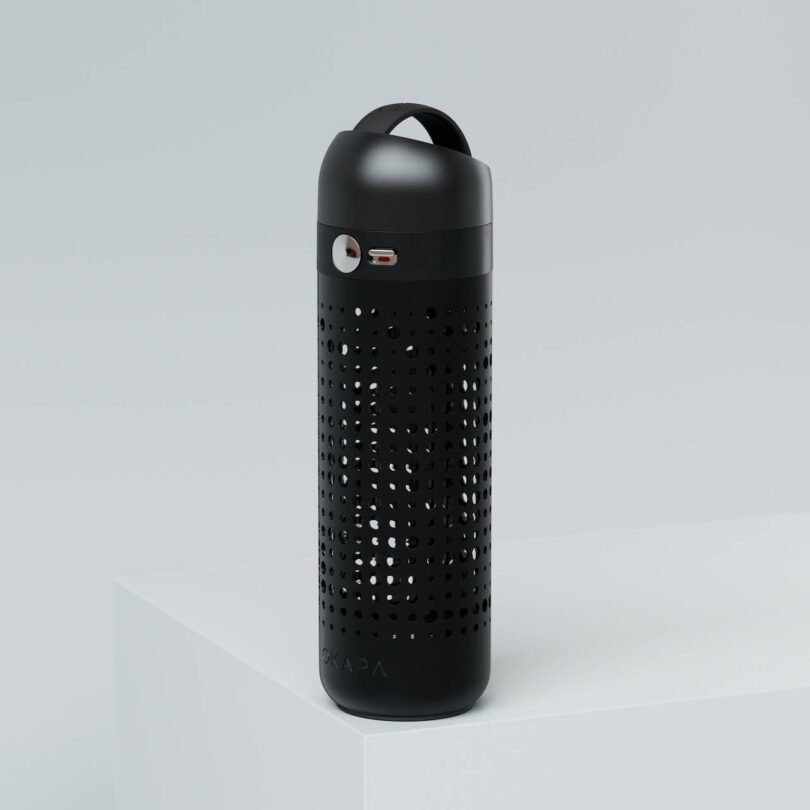
At its core, mindful engineering is the antidote to this cycle. It is a design philosophy that prioritizes longevity, material integrity, and repairability over mass-market compromises. While a $300 price tag for a water bottle might trigger immediate skepticism, we must ask ourselves: why shouldn't the vessel that carries our most vital resource be engineered with the same precision as a Swiss watch or a high-end medical device? By investing in products like the OKAPA hydration system—which utilized 8 years of research and over 10,000 prototypes to achieve its standards—we aren't just buying a container; we are opting out of the waste cycle entirely.
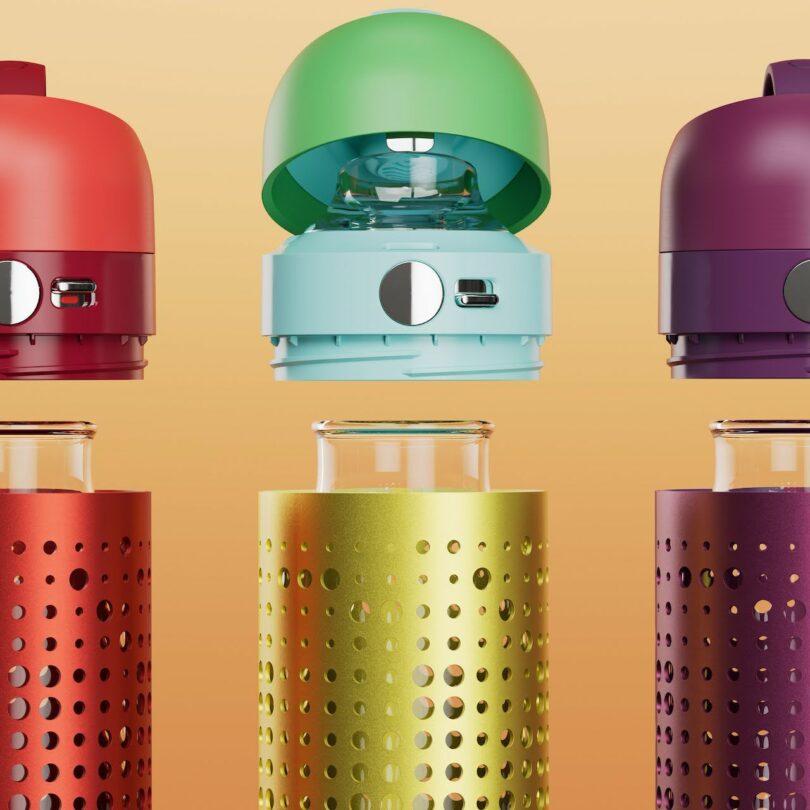
The Anatomy of Excellence: Inside the OKAPA Hydration System
When we examine the transition from "product" to "investment," the details matter. Most consumers are familiar with standard borosilicate glass, but the OKAPA system utilizes German-made borosilicate 3.3 glass. This isn't your average kitchenware; it is a high-grade material used in laboratory settings for its extreme resistance to thermal shock and chemical leaching. In a world where microplastics are increasingly found in our bloodstreams, the material purity of what we drink from is no longer a luxury—it’s a health imperative.
The engineering doesn't stop at the glass. To protect this core, OKAPA developed a sophisticated shock-absorbing system that utilizes 70+ global patents. The bottle isn't just "tough"; it is designed to manage kinetic energy. This involves a modular architecture where every component—from the Grilamid TR-90 spouts to the precision-molded seals—fits together with micron-level accuracy. This level of precision ensures that the bottle remains leak-proof and stress-crack resistant, even after years of being tossed into backpacks or subjected to the high heat of a dishwasher.
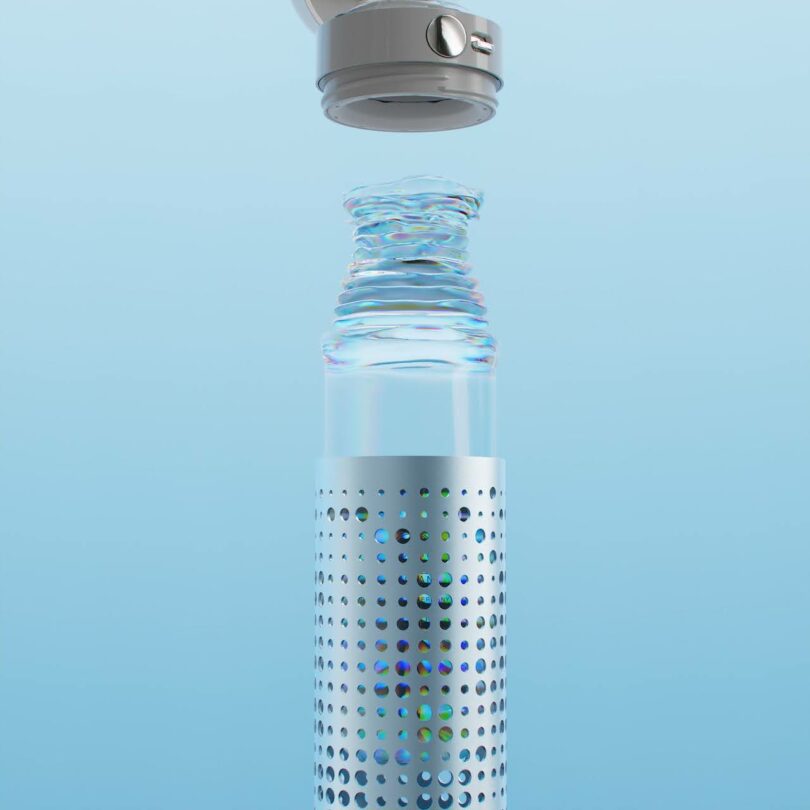
Mindful Engineering vs. Mass Production
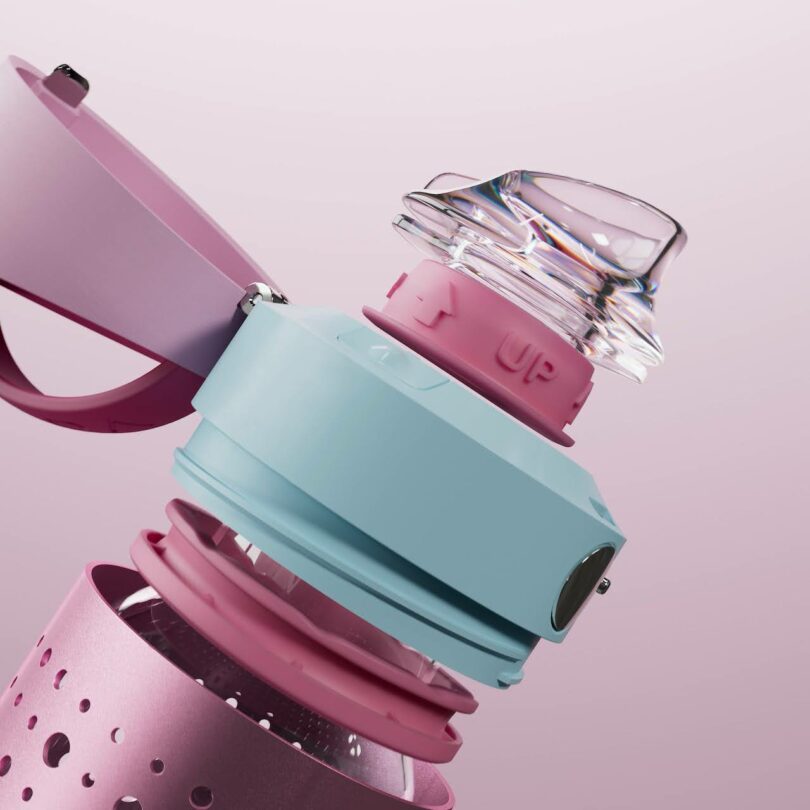
What justifies the decade-long development of a household object? In the traditional manufacturing world, speed-to-market is the primary metric. In contrast, mindful engineering embraces "slowness." OKAPA’s commitment to 100% FDA and EU food-grade materials required a complete reimagining of the manufacturing process. Every seal and joint is designed for surgical-level sterilization, a feat only possible through "Design for Disassembly" (DfD).
DfD is a cornerstone of the circular economy. Most reusable bottles are bonded with adhesives or permanent fasteners that make them impossible to truly clean or repair once a single part fails. OKAPA’s modular design means you can strip the bottle down to its individual components. If a seal eventually wears out after years of use, you replace the seal, not the bottle.
Feature Comparison: The Engineering Gap
| Feature | Standard Reusable Bottle | OKAPA Mindful Engineering |
|---|---|---|
| Primary Material | 18/8 Stainless Steel or PET Plastic | German Borosilicate 3.3 Glass |
| Precision Level | Millimeter tolerances | Micron-level precision |
| Repairability | Non-modular / Disposable if broken | Full Design for Disassembly (DfD) |
| R&D Timeline | 6–12 Months | 8 Years / 10,000+ Prototypes |
| Safety Standard | Standard FDA compliance | FDA/EU Food-Grade + Surgical Sterilization |
Pro Tip: When evaluating a "sustainable" purchase, look for the "Repairability Score." If the brand doesn't sell individual replacement parts like gaskets, lids, or sleeves, the product is eventually destined for a landfill, regardless of its "eco-friendly" branding.
The 'Buy It For Life' Club: Brands Leading the Warranty Revolution
The shift toward $300 hydration systems is part of a broader consumer movement often referred to as "Buy It For Life" (BIFL). This community prioritizes the Triple Bottom Line (TBL): Social, Environmental, and Financial impact. We are seeing a resurgence of legacy brands that have realized that a lifetime guarantee is the ultimate marketing tool.
- JanSport: Their "No Questions Asked" lifetime warranty on backpacks has kept millions of bags out of landfills since the 1960s.
- Le Creuset: Their enameled cast iron is famously passed down through generations. The high entry price is offset by the fact that you will never buy a replacement.
- Taylor Stitch: Their "Long Haul" warranty focuses on repair over replacement, ensuring that their garments age with character rather than falling apart at the seams.
Even in the hydration space, brands like Nalgene have set durability standards, but OKAPA takes this a step further by merging that durability with high-performance aesthetics and medical-grade purity. While a CamelBak offers an excellent "Got Your Bak" warranty, the OKAPA system is designed so that you likely won't ever need to trigger a warranty claim because the engineering prevents the failure in the first place.
Investing in 2026: Why Durability is the Ultimate Luxury
As we look toward the 2026 consumer landscape, "luxury" is being redefined. It is no longer about the flashiest logo or the most expensive material for the sake of status. Instead, luxury is defined by autonomy and longevity.
Recent market data shows that 54% of shoppers now prioritize durability and longevity over price when making a purchase. This shift is driven by a desire for "Allyship and Inclusivity" in manufacturing—supporting brands that treat their workers fairly and source materials ethically. When a company spends 8 years perfecting a single product, they aren't just selling you a bottle; they are inviting you to join a movement that rejects the "fast-fashion" mentality of household goods.
Investing in high-performance hydration is a statement of intent. It says that you value the water you put in your body, the environment you inhabit, and the craftsmanship of the people who built the tools of your daily life.
Conclusion: Purity and Performance as a Lifetime Choice
The transition from a "purchasing" mindset to an "investment" mindset is the most sustainable habit one can adopt. Whether it is your home's insulation, your kitchen appliances, or the bottle you carry every day, choosing the path of mindful engineering saves you money in the long run and relieves the planet of the burden of your waste.
The OKAPA system isn't just a way to drink water; it’s a masterclass in what happens when we refuse to compromise on quality. In the intersection of engineering excellence and environmental responsibility, we find the future of sustainable living.
FAQ
Is a glass bottle really as durable as stainless steel? While stainless steel is impact-resistant, it can dent, lose its vacuum seal, and impart a metallic taste over time. OKAPA’s borosilicate 3.3 glass, combined with its patented shock-absorbing silicone system, is designed to withstand the rigors of daily life while maintaining absolute chemical purity.
What makes "Mindful Engineering" different from "Premium Design"? Premium design often focuses on aesthetics and high-end materials. Mindful engineering incorporates those but adds a focus on the entire lifecycle—ensuring the product can be disassembled, sterilized, and repaired indefinitely.
Are replacement parts readily available? Yes. One of the hallmarks of a truly sustainable brand is the availability of modular components. Brands like OKAPA ensure that you can replace individual seals or spouts, preventing the "total loss" of the product if one small part fails.