If you’ve ever unboxed a brand-new area rug only to be met with a sharp, chemical "new carpet smell," you’ve experienced off-gassing firsthand. For many of us, that scent is synonymous with a fresh start, but as an editor focused on sustainable living, I see it as a warning sign. Those fumes are often Volatile Organic Compounds (VOCs) like formaldehyde and benzene, which can linger in your home’s air for months, contributing to headaches, respiratory issues, and long-term health risks.
We spend nearly 90% of our time indoors, where air pollution can be two to five times higher than outdoor levels. Transitioning from a synthetic rug to a natural fiber alternative can significantly reduce indoor formaldehyde exposure by eliminating the common adhesives and fire-retardant treatments found in big-box store products. In fact, over 80% of top-rated non-toxic rug brands now utilize GOTS or OEKO-TEX certified materials to guarantee safety for children and pets.
In this guide, we’ll break down the best non-toxic rugs that prioritize your respiratory health without sacrificing your home's aesthetic.
Quick Comparison: Top Non-Toxic Rug Brands
| Brand | Primary Material | Key Certification | Best For |
|---|---|---|---|
| Lorena Canals | Organic Cotton | OEKO-TEX Standard 100 | Busy Parents (Washable) |
| The Citizenry | Jute & Wool | OEKO-TEX / Fair Trade | Ethically Sourced Texture |
| Organic Weave | Organic Wool/Cotton | GOTS Certified | Pure Organic Luxury |
| Hook & Loom | Undyed Wool | No Latex/No Dyes | Chemical Sensitivity |
| West Elm | Jute/Seagrass | Fair Trade Certified | Accessible Natural Style |
| Armadillo | Wool & Jute | B-Corp / Declare Label | High-End Design |
| Nordic Knots | NZ Wool | High-Quality Natural | Scandinavian Minimalists |
| The Little Market | Cotton | Handwoven / Social Impact | Nurseries & Playrooms |
| Quince | Jute & Wool | Direct-to-Consumer | Budget-Friendly Quality |
| Sabai | Jute | Sustainably Harvested | Graphic Textures |
| Ruggable | Recycled Polyester | Water-based Dyes | High-Traffic Performance |
The 'New Rug' Smell: Why Your Living Room Might Be Off-Gassing
That "new rug smell" isn't just an aroma; it’s a chemical cocktail. Most conventional rugs are made from petroleum-based synthetic fibers like polyester, nylon, or polypropylene. These materials are often treated with a litany of chemicals to make them stain-resistant, water-repellent, and flame-retardant.
When these rugs are placed in your home, they release VOCs into the air through a process called off-gassing. Formaldehyde, a known carcinogen, is frequently used in the glues that attach the rug fiber to the backing. By choosing natural, non-toxic alternatives, you aren't just buying a piece of decor; you are choosing a cleaner breathing environment for your family.
What makes a rug non-toxic? A non-toxic rug is typically made from natural fibers like organic wool, cotton, or jute, and is free from synthetic backings (like SBR latex), formaldehyde-based adhesives, toxic flame retardants, and PFAS "forever chemical" water-repellent coatings.
The Red Flags: Chemicals to Avoid in Your Home
When shopping for a healthy home, it’s not just about what is in the rug, but what has been added to it. Here are the primary culprits we recommend avoiding:
- PFAS (Per- and Polyfluoroalkyl Substances): Often marketed as "stain protection," these "forever chemicals" are linked to developmental and immune system issues.
- Synthetic Backings: Many rugs use a secondary backing made of synthetic rubber (SBR) or PVC, which can contain phthalates and off-gas for years.
- Flame Retardants: Chemical flame retardants are often added to synthetic rugs because plastic fibers are highly flammable. These chemicals can migrate into household dust and be ingested by children or pets.
- Formaldehyde Adhesives: Used to bond the rug layers together, these glues are a major source of indoor air pollution.
The Green Flags: Essential Non-Toxic Certifications
To cut through the "greenwashing," we look for third-party certifications that verify a product's safety. These are the gold standards our editors look for:
- GOTS (Global Organic Textile Standard): This is the "Platinum" standard. It ensures the fiber is at least 95% organic and that no toxic bleaches, dyes, or processing chemicals were used from farm to factory.
- OEKO-TEX Standard 100: This certification tests the final product for hundreds of harmful substances, including pesticides, heavy metals, and formaldehyde. If a rug has this label, every thread and button has been tested.
- Greenguard Gold: This focuses specifically on chemical emissions. A Greenguard Gold certified rug has been tested in a vacuum chamber to ensure it meets some of the world's most rigorous third-party chemical emissions standards.
Which certifications ensure a rug is safe? The most reliable certifications for healthy rugs are GOTS (Global Organic Textile Standard) for organic fibers and OEKO-TEX Standard 100, which tests the finished textile for harmful chemicals. For low-emission verification, look for Greenguard Gold.
Top Materials for Healthy Air
Nature provides the best solutions for a clean home. Here is why we prefer these materials:
Organic Wool: The King of Durability
Wool is our top recommendation for most homes. It is naturally flame-resistant, meaning it doesn't require toxic chemical treatments to meet safety standards. It is also incredibly durable and has a natural wax (lanolin) that resists stains.
Why are natural wool rugs better for air quality? Natural wool rugs are naturally flame-resistant and durable without the need for toxic chemical treatments. Unlike synthetic rugs, which often off-gas volatile organic compounds (VOCs) and carcinogens like phthalates, wool is a breathable, renewable fiber that acts as a natural air filter, trapping dust and allergens until they can be vacuumed away.
Jute, Sisal, and Hemp
These plant-based fibers are earthy, biodegradable, and usually grown without heavy pesticides. They are fantastic for adding texture and are generally free from the complex chemical coatings found in synthetic "performance" rugs.
Organic Cotton
Cotton is soft, renewable, and—most importantly—washable. For families with toddlers or pets, organic cotton offers a non-toxic surface that can be cleaned in a standard washing machine, avoiding the need for harsh professional chemical cleanings.
11 Best Non-Toxic Rug Brands for a Healthier Home
1. Lorena Canals (Best for Washable Cotton)
Lorena Canals revolutionized the market with the first machine-washable rug. Their designs use recycled cotton and non-toxic dyes, making them a favorite for nurseries.
- Key Features: Handcrafted, machine-washable, no VOCs, child-safe dyes.
- Why we love it: You can toss these in the wash after a spill, eliminating the need for stain-resistant chemical coatings.
2. The Citizenry (Best for Ethically Sourced Jute)
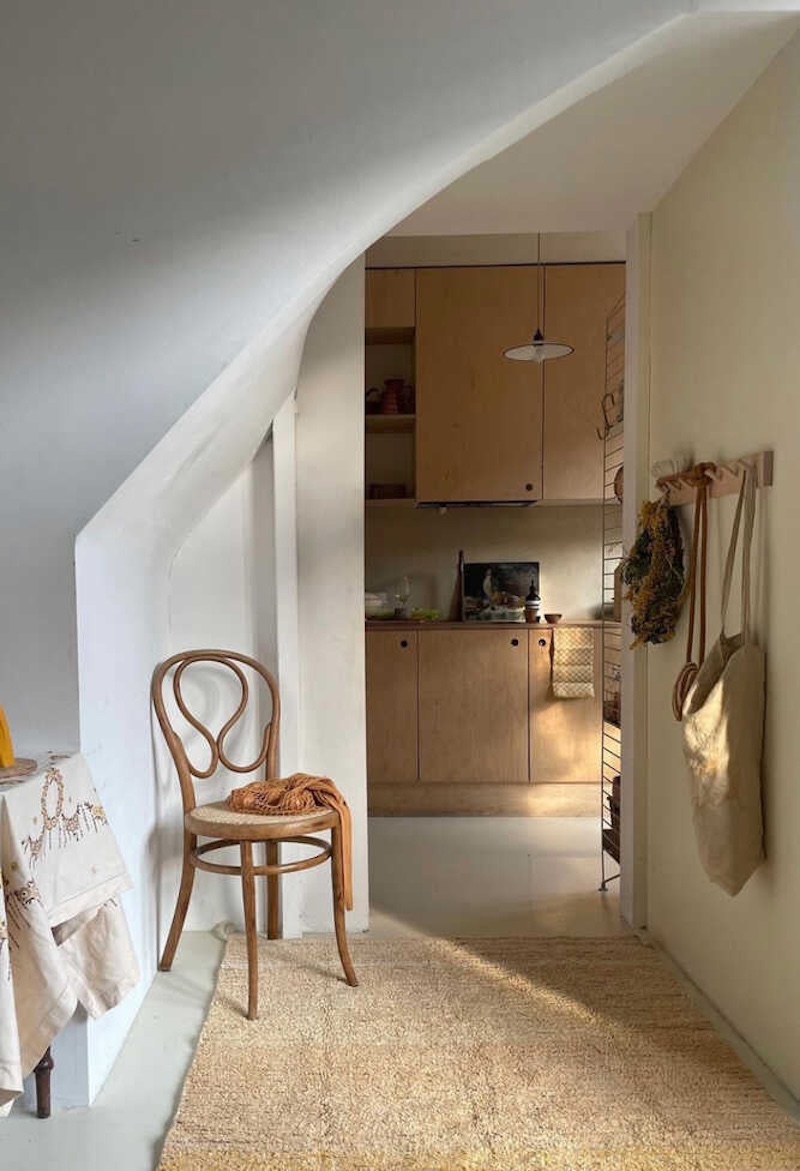
The Citizenry works directly with artisans to create stunning, hand-knotted pieces. Their jute and wool collections are frequently OEKO-TEX certified, ensuring the beauty of the rug isn't compromised by hidden toxins.
- Key Features: Fair Trade Certified, high-quality New Zealand wool, minimalist designs.
3. Organic Weave (Best for GOTS-Certified Luxury)
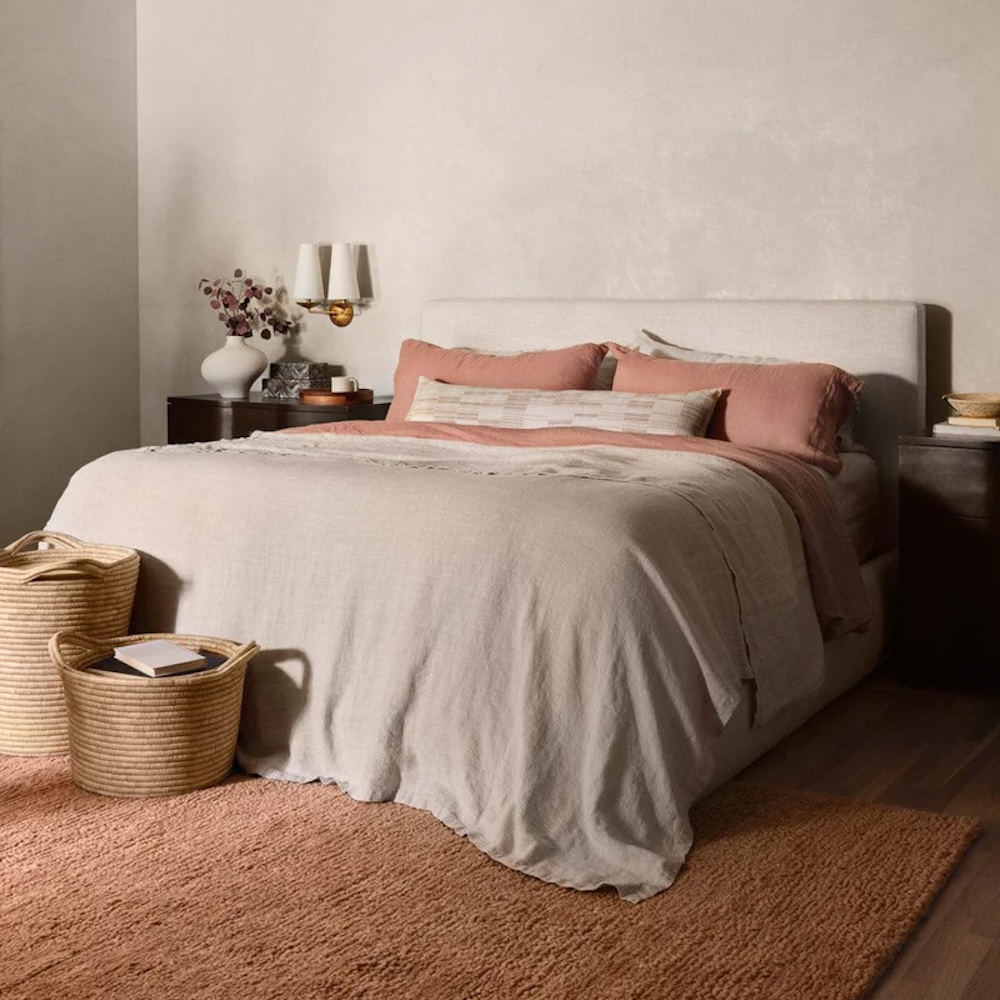
If you want the absolute purest rug on the market, Organic Weave is the answer. They are one of the few brands that maintain a fully GOTS-certified supply chain, from the sheep to the finished loom.
- Key Features: No synthetic backings, no latex, 100% GOTS organic cotton and wool.
4. Hook & Loom (Best for Undyed Natural Wool)
For those with severe chemical sensitivities, Hook & Loom is a lifesaver. Their "Eco-Wool" rugs use no dyes at all—the colors come from the natural shades of the sheep's fleece.
- Key Features: No latex, no glues, no dyes, recycled cotton options.
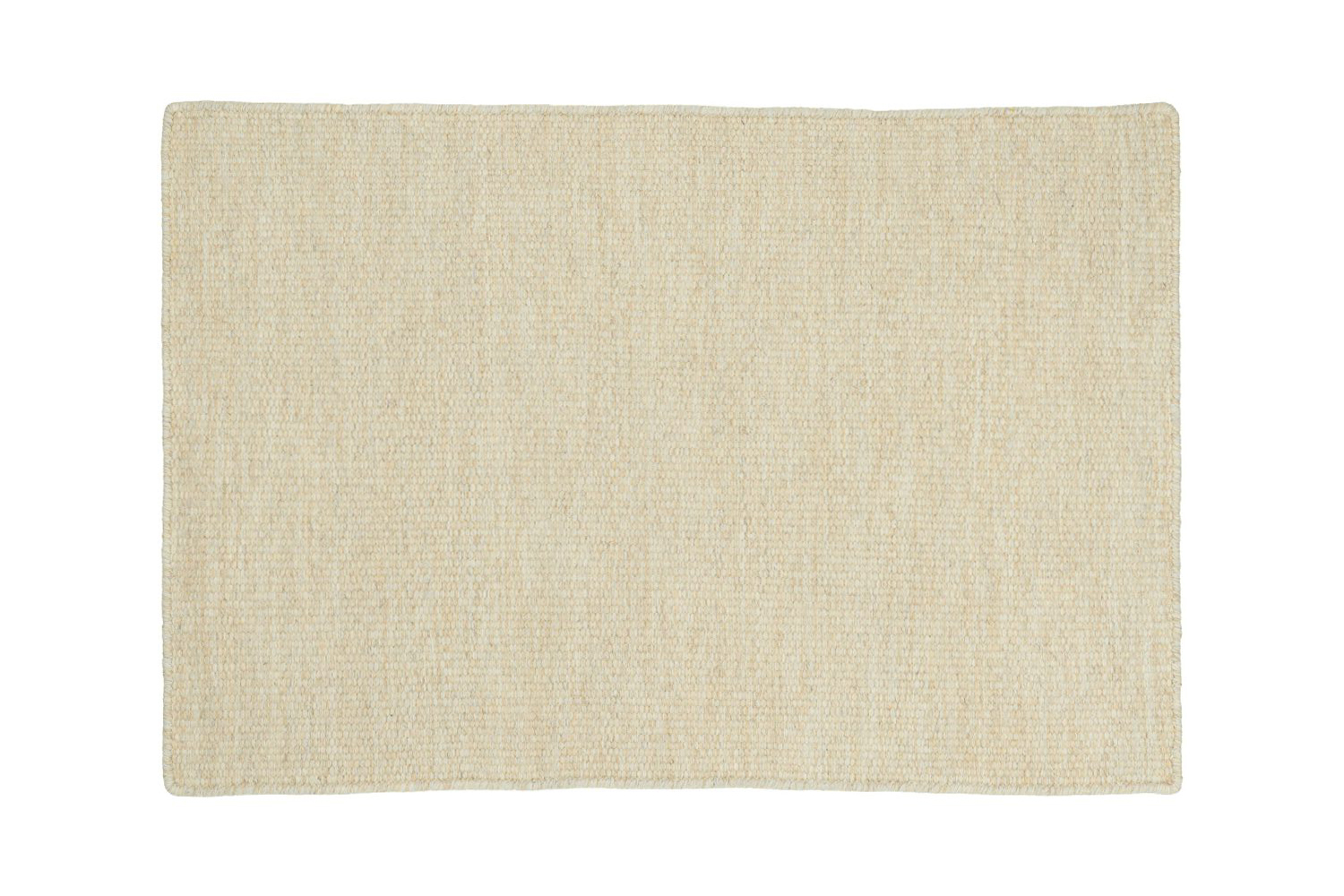
5. West Elm (Best for Affordable Natural Fibers)
While West Elm carries a variety of products, their dedicated "Natural Fibers" collection is an accessible entry point into healthy flooring. Look for their jute, seagrass, and sisal options that are Fair Trade Certified.
- Key Features: Accessible pricing, wide range of sizes, hand-loomed textures.
6. Armadillo (Best for High-Pile Luxury)
Armadillo rugs are designed to last a lifetime. As a B-Corp, they hold themselves to the highest social and environmental standards. Their "Declare Label" provides 100% transparency on every material used.
- Key Features: Sustainably sourced wool and jute, B-Corp certified, heirloom quality.
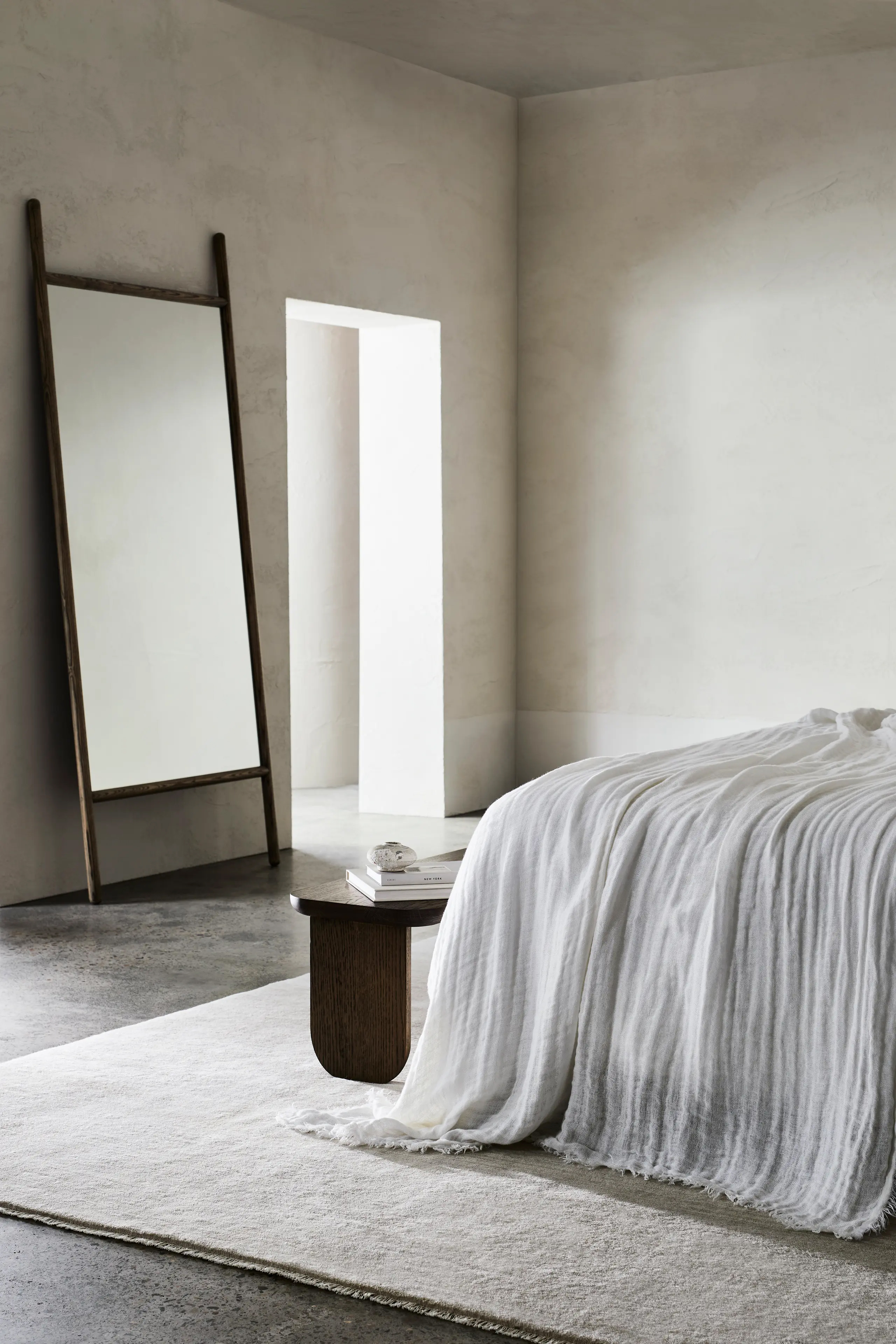
7. Nordic Knots (Best for Scandinavian Design)
Based in Stockholm, Nordic Knots focuses on the high-quality New Zealand wool that is synonymous with Scandinavian comfort. Their rugs are heavy and durable, relying on the natural weight of the wool rather than synthetic backings.
- Key Features: Minimalist aesthetic, OEKO-TEX certified wool, ethical production.
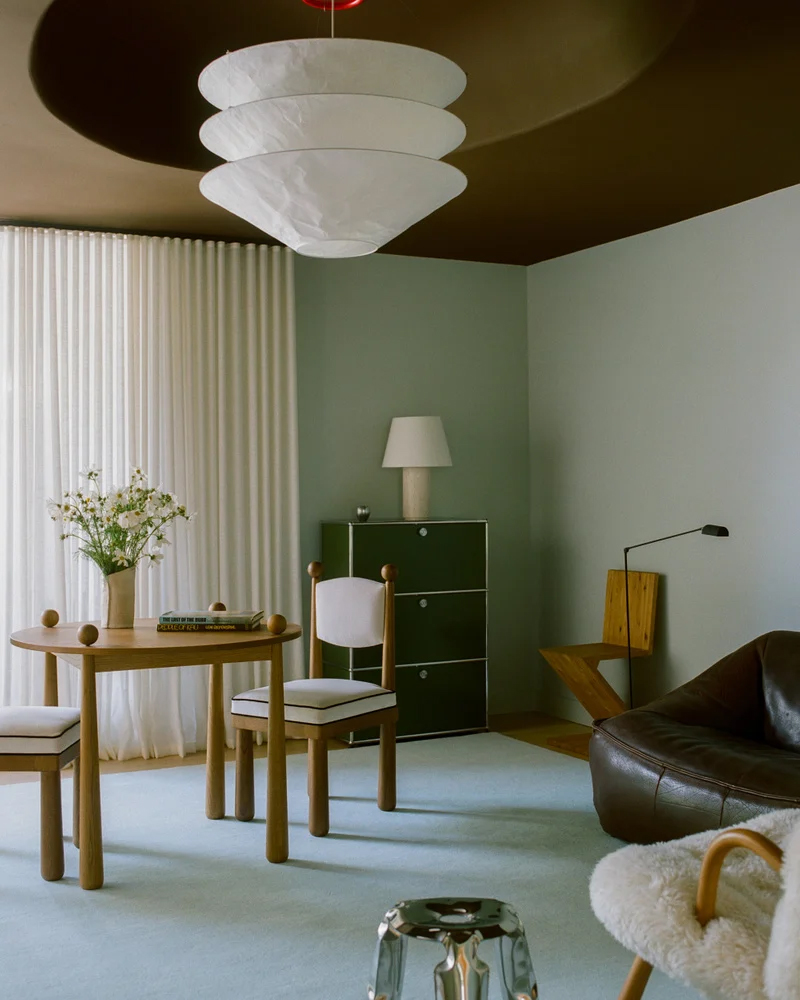
8. The Little Market (Best for Kids’ Rooms)
Co-founded by Lauren Conrad, this non-profit fair trade shop offers beautiful handwoven cotton rugs. Every purchase supports artisan groups globally, and the materials are as pure as they come.
- Key Features: 100% cotton, ethically made, playful designs for children.
9. Quince (Best for Budget-Friendly Minimalists)
Quince has disrupted the market by offering direct-to-consumer pricing. Their Mongolian wool and jute rugs offer the same quality as high-end showrooms at a fraction of the cost.
- Key Features: Ethical production, natural materials, incredible value.
10. Sabai (Best for Graphic Textures)
Known primarily for their sustainable sofas, Sabai’s rug collection features beautifully textured jute rugs. They focus on a closed-loop process that ensures minimal environmental impact.
- Key Features: Sustainably harvested jute, no harmful finishes, carbon-neutral shipping.
11. Ruggable (Best for High-Traffic Performance)
While Ruggable uses some synthetic materials, they are an industry leader in safety within the "performance" category. Their rugs use water-based dyes and are OEKO-TEX certified, making them a much safer choice than traditional big-box synthetic rugs.
- Key Features: Machine washable, recycled rug pads, safe for high-traffic entryways.
Don't Forget the Pad: Safe Rug Underlays
Many people invest in a beautiful GOTS-certified rug only to place it on top of a cheap PVC or plastic rug pad. These pads are often the biggest culprits of off-gassing and can actually damage your hardwood floors over time.
For a healthy home, we recommend:
- 100% Natural Rubber Pads: Unlike synthetic rubber, natural rubber doesn't crumble or release toxic fumes. It provides excellent grip without the chemicals.
- Felted Wool Pads: These provide extra cushioning and are naturally non-toxic. They are perfect for larger area rugs that need a bit of "squish."
Avoid "memory foam" or "non-slip" pads from big-box stores unless they specifically state they are free of PVC and phthalates.
Maintenance Tips for Better Air Quality
Owning a non-toxic rug is the first step; keeping it clean without adding toxins is the second.
- Vacuum with a HEPA Filter: High-Efficiency Particulate Air (HEPA) filters trap 99.97% of dust, pollen, and pet dander, ensuring you aren't just blowing allergens back into the air.
- The Power of Baking Soda: For odors, sprinkle a light layer of baking soda on your rug, let it sit for 30 minutes, and vacuum. It’s a natural deodorizer that is safer than any "carpet freshener" spray.
- Spot Clean with Vinegar and Water: Most stains on wool or cotton can be treated with a simple mixture of white vinegar, water, and a drop of natural dish soap.
FAQ
Is a "low-VOC" rug the same as a non-toxic rug?
Not necessarily. "Low-VOC" means the emissions are below a certain threshold, but the rug could still contain PFAS or toxic flame retardants. Look for GOTS or OEKO-TEX certifications for a more comprehensive safety profile.
Are synthetic rugs always bad for air quality?
While synthetic rugs have improved, they are still petroleum-based and more likely to off-gas than natural fibers. If you must choose synthetic, ensure it is Greenguard Gold or OEKO-TEX certified to minimize risk.
How long does rug off-gassing last?
In a poorly ventilated room, a synthetic rug can off-gas for weeks or even months. The most intense period is usually the first 72 hours, but low-level emissions can continue for much longer.
Conclusion
Choosing a non-toxic rug is one of the most impactful decisions you can make for your home’s air quality. By prioritizing natural fibers like wool and jute and looking for reputable certifications like GOTS and OEKO-TEX, you protect your family from unnecessary chemical exposure. Whether you choose the washable convenience of Lorena Canals or the organic purity of Organic Weave, your home—and your lungs—will thank you.