In the world of contemporary interiors, we are witnessing a quiet but firm rebellion against the mass-produced and the purely utilitarian. We are moving away from "fast furniture" and toward objects that demand a conversation. This shift begs a philosophical question that has long hovered over the design world: When does a piece of furniture cease to be a mere commodity and become a work of art?
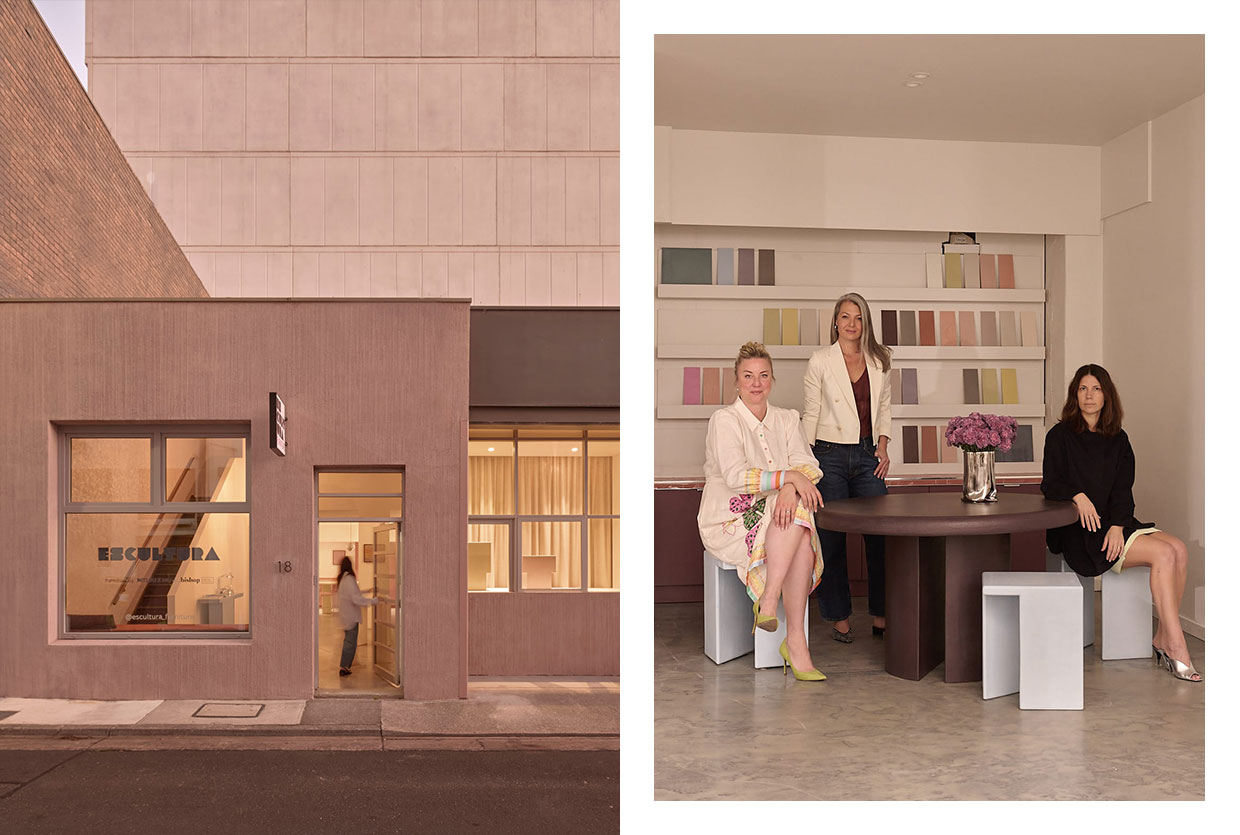
Escultura, a newly debuted Melbourne-based furniture studio, provides a definitive answer. Founded by the formidable trio of Kat Nitsou, Imogene Pond, and Maryke Bishop, the studio specializes in "liveable art." Their collection doesn't just occupy space; it transforms it. By blending high-concept sculptural aesthetics with rigorous functional design, Escultura has created a series of objects that are as much a gallery centerpiece as they are a household staple.
The Intersection of Form and Function: Defining ‘Liveable Art’
As we look toward the interior trends of 2026, the term "sculptural furniture" has become a buzzword, yet few brands manage to execute it with the gravitas seen in Escultura’s debut. The studio’s philosophy centers on the idea that our daily environments should be curated with pieces that resonate on a tactile and emotional level.
Escultura is the result of a creative collision between the design studio Nitsou x Mo and the artisanal expertise of Bishop Master Finishes. This collaboration ensures that every chair, table, and plinth is not only visually arresting but also structurally sound. The pieces are characterized by undulating lines, organic silhouettes, and a sense of weightiness that grounds a room.
"We wanted to create furniture that feels like it has been unearthed rather than manufactured," says the founding team. "It’s about bringing the raw, expressive power of sculpture into the intimacy of the home."
This "liveable art" movement is a response to our collective desire for homes that feel curated rather than "styled." In an era of digital saturation, there is a profound luxury in the physical—in the way a hand-applied finish catches the morning light or the way a curved seat supports the body in an unexpected, ergonomic embrace.
The Material Story: Carbon-Negative Innovation
Beyond the visual allure, Escultura is setting a new standard for environmental stewardship in the Australian design landscape. The core of their innovation lies in what remains hidden beneath the surface. While most sculptural furniture relies on heavy resins or unsustainable plastics, Escultura utilizes carbon-negative compressed hemp cores.
Hemp is a regenerative powerhouse, sequestering more carbon during its growth than is emitted during its processing. This core provides a lightweight yet incredibly durable foundation for the studio’s ambitious shapes. To finish each piece, the team utilizes a meticulous hand-applied microcement and lime technique. This artisanal process ensures that no two pieces are exactly alike—each curve bears the subtle, unique signature of the maker’s hand.
Sustainability Specs at a Glance:
- Origin: 100% handmade in Melbourne, Australia.
- Materials: Carbon-negative compressed hemp, low-VOC microcement, and natural lime.
- Profile: Regenerative manufacturing with a focus on reducing the environmental impact of long-distance shipping.
- Production: Made-to-order to eliminate overstock and waste.
This material narrative is essential to the brand's identity. In an industry often criticized for its environmental footprint, Escultura proves that high-end, designer furniture can be both avant-garde and ecologically responsible. The use of low-VOC materials ensures that these pieces contribute to a healthy indoor air quality, aligning with the broader "wellness-driven spaces" movement.
A Symphony of Color and Shape: The Debut Collection
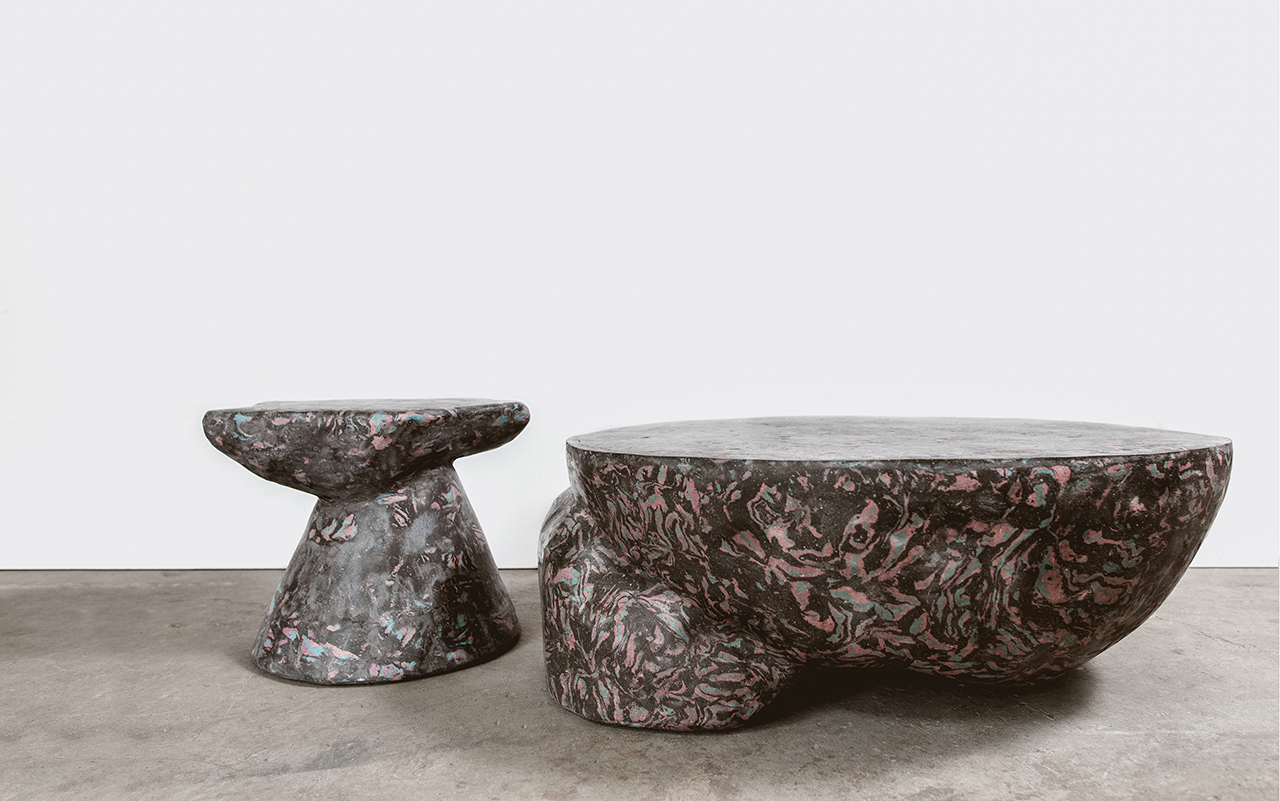
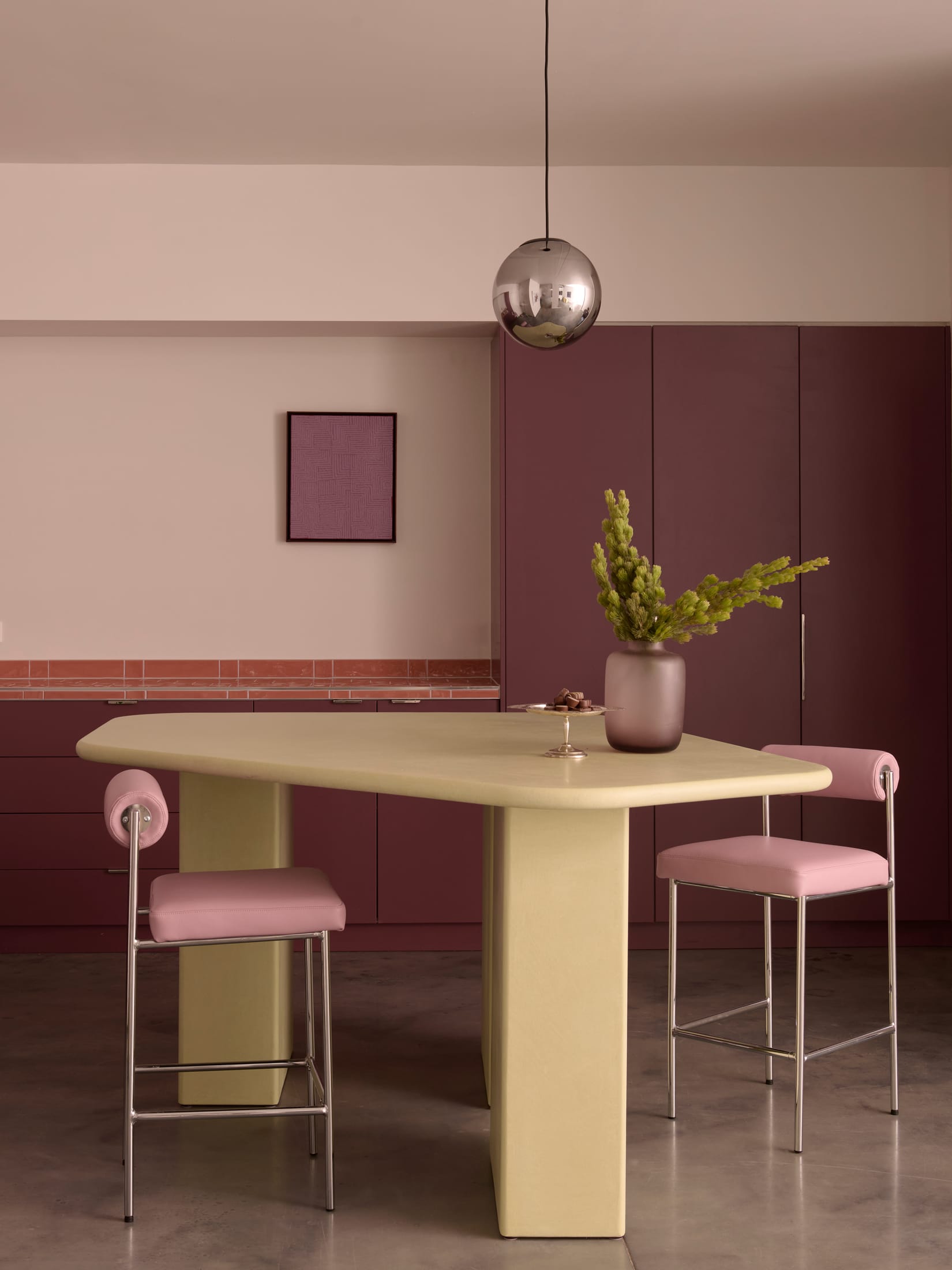
The debut collection is a masterclass in tonal sophistication and geometric play. The range includes the 'Island' tables, 'Peg' plinths, and several sculptural accent chairs that challenge traditional silhouettes. These pieces are designed to stand alone as statement objects or to be grouped to create a landscape of form within a room.
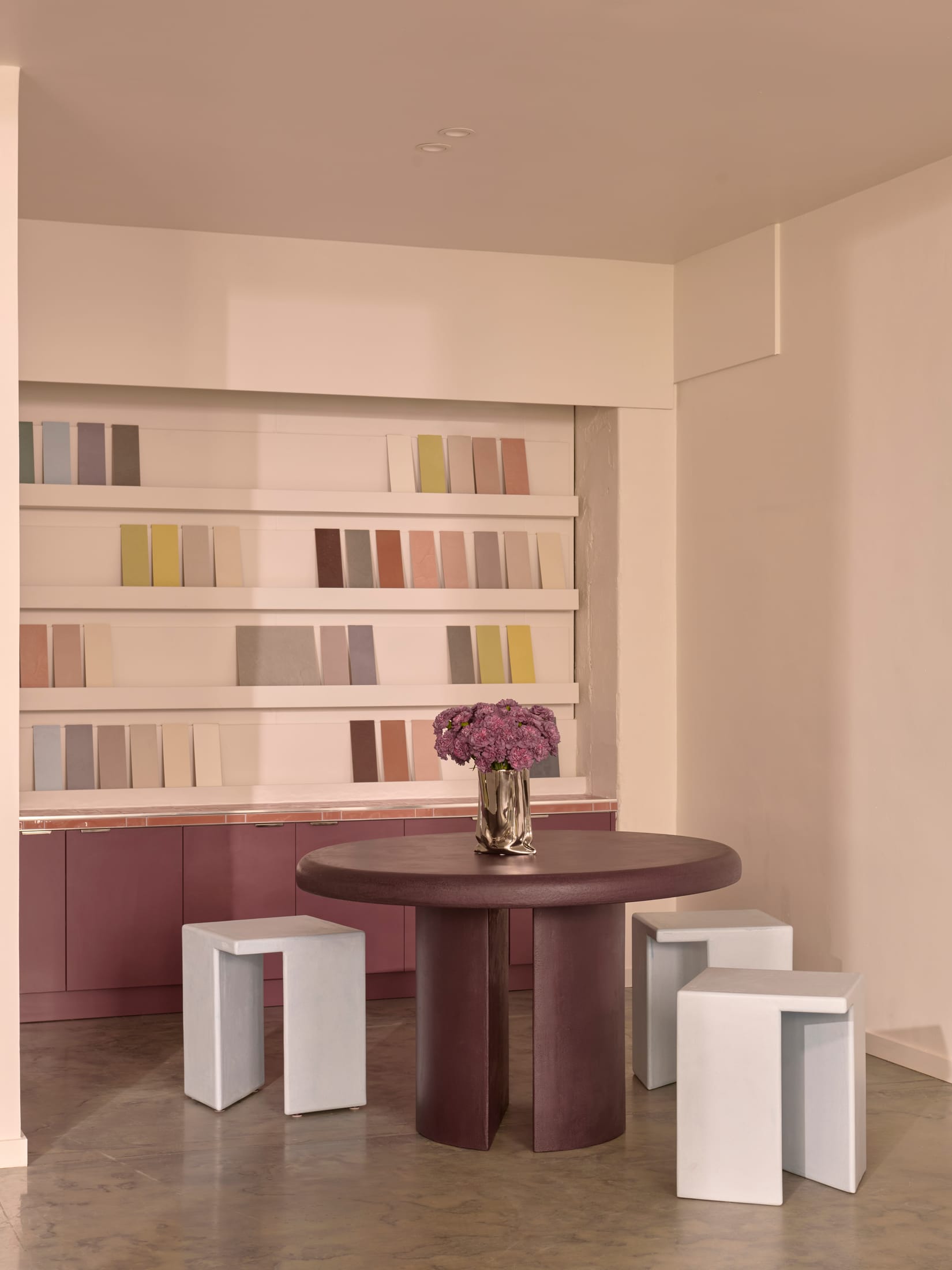
One of the most impressive aspects of the collection is the sheer breadth of customization. Escultura offers their line in over 30 sophisticated colorways. This isn't a standard palette of neutrals; it is a curated spectrum designed to evoke specific moods. From the deep, moody resonance of Eggplant to the soft, optimistic glow of Lemon, and the earthy grounding of Olive and Rose, the colors are integrated into the microcement itself, giving the pieces a depth of color that feels integral rather than applied.
| Piece | Description | Ideal Use Case |
|---|---|---|
| The Island Table | Low-slung, organic form with soft, rounded edges. | A focal point for a minimalist lounge or gallery space. |
| The Peg Plinth | A vertical, sculptural column with a tactile finish. | Displaying art, plants, or acting as a standalone geometric accent. |
| Sculptural Chair | An ergonomic seat carved from undulating hemp and cement. | A high-impact accent chair for a bedroom or entry hall. |
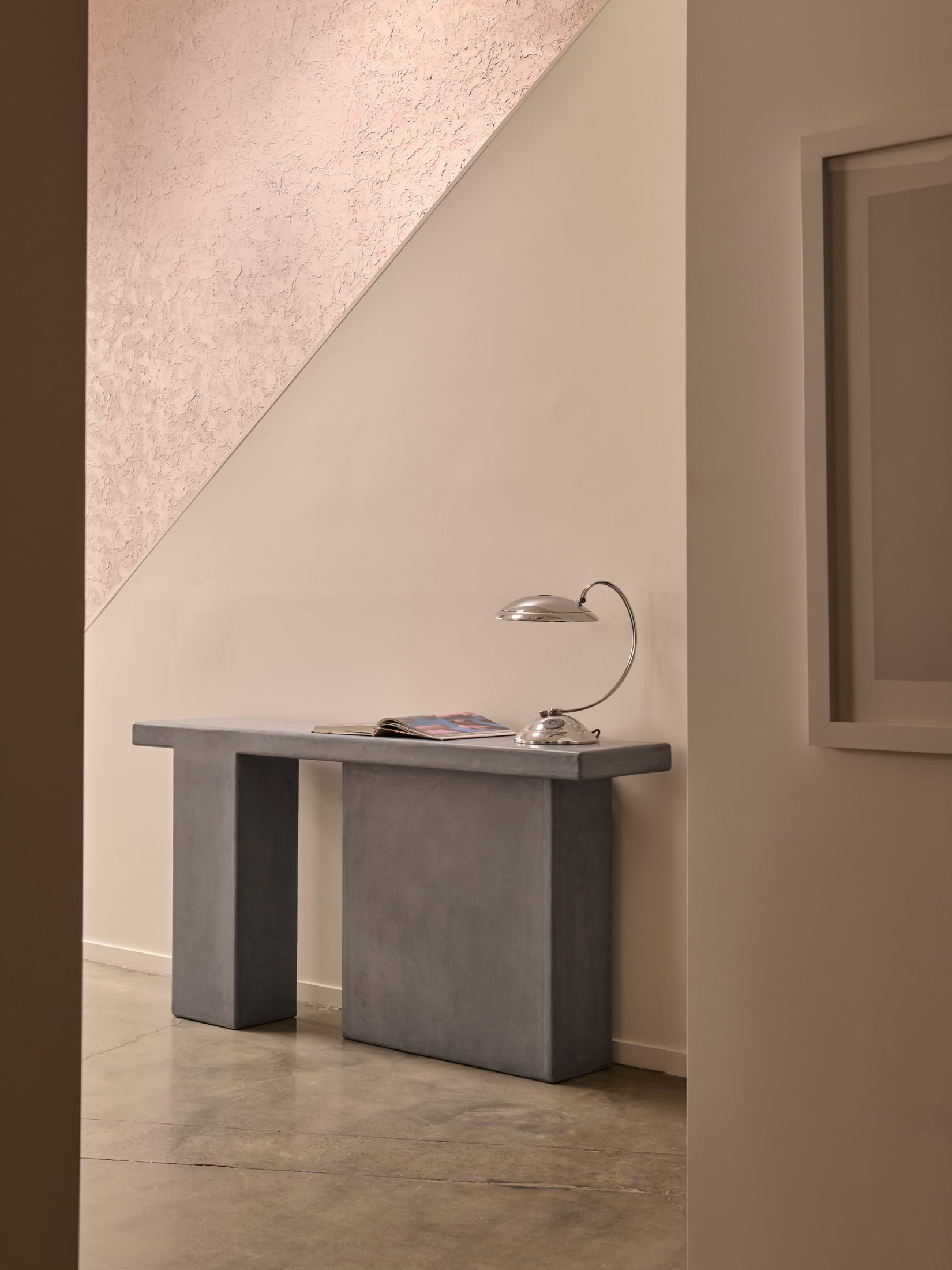
These organic shapes resonate perfectly with the 'Comforting Chaos' interior trend—a move toward spaces that feel layered, textured, and slightly unpredictable. By avoiding sharp angles and clinical finishes, Escultura’s pieces bring a softness to modern architecture, bridging the gap between the built environment and the natural world.
Meet the Visionaries: A Female-Founded Collaboration
The soul of Escultura lies in the synergy of its founders. Kat Nitsou and Imogene Pond bring an editorial and architectural eye to the brand, while Maryke Bishop of Bishop Master Finishes provides the technical mastery required to bring these complex forms to life.
It is a rare and potent combination. Often, designers are limited by what manufacturers can achieve, but because Escultura’s production is handled in-house in their Melbourne workshop, the boundaries of what is possible are constantly being pushed. This female-founded collaboration is a testament to the power of local craftsmanship. By keeping 100% of their production in Melbourne, they not only support local industry but also maintain total control over the quality and sustainability of every piece that leaves their studio.
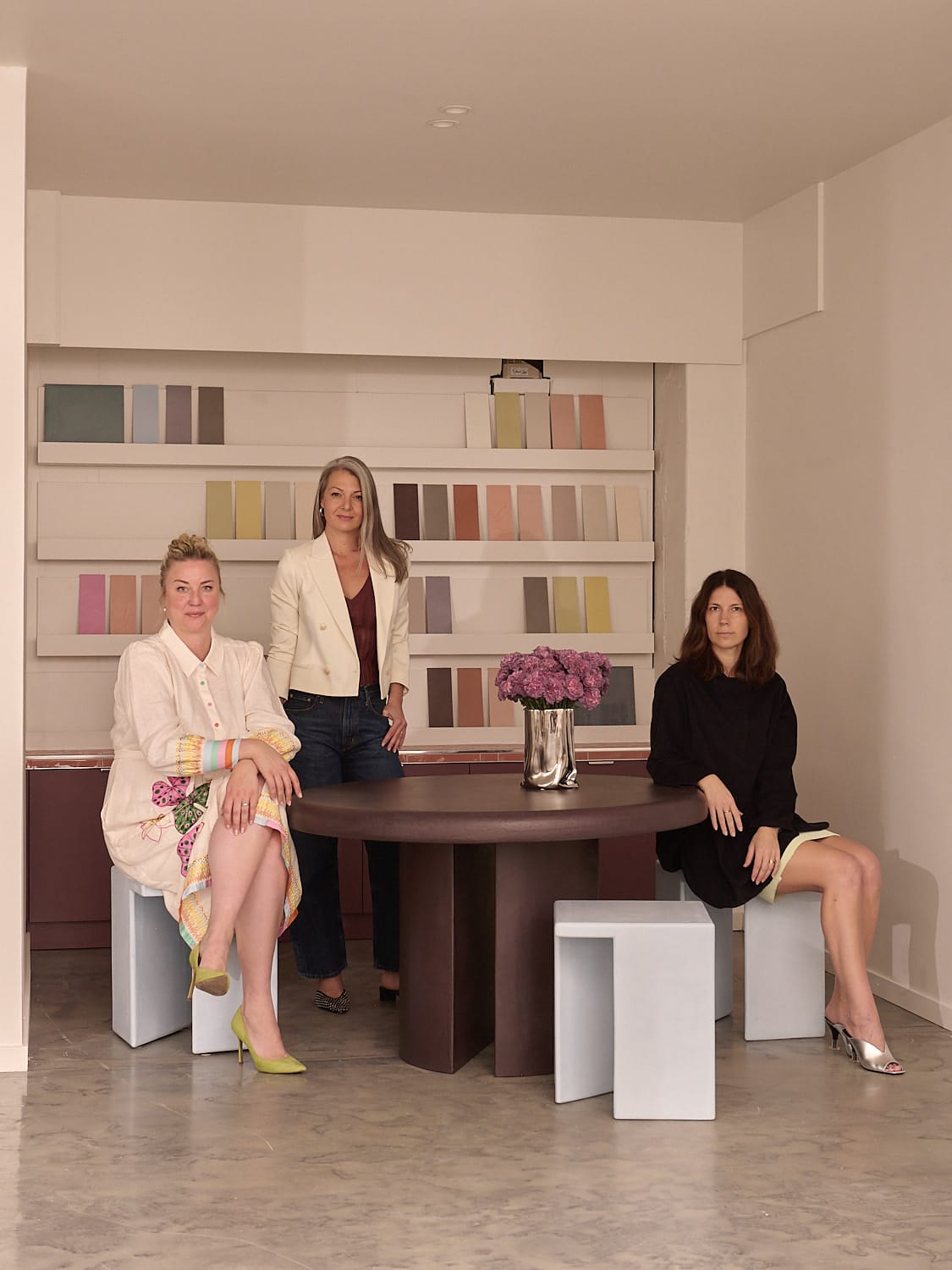
The commitment to localism isn't just a marketing point; it’s a logistical strategy. By manufacturing in Melbourne, Escultura significantly reduces the carbon footprint associated with international freight, ensuring that the "carbon-negative" promise of their hemp cores isn't negated by the logistics of delivery.
Experiencing Escultura in Person: The Rye House Context
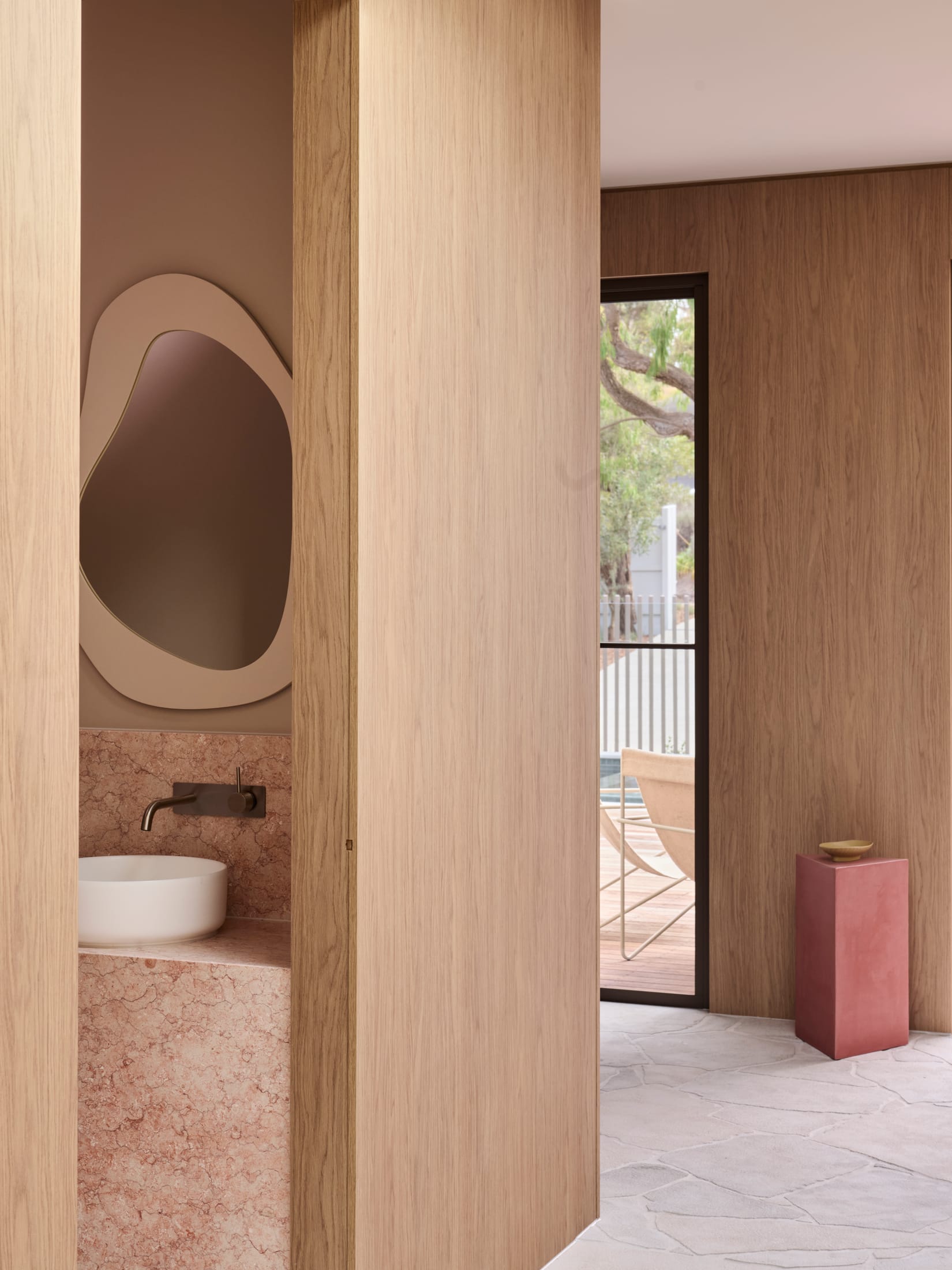
To truly understand Escultura, one must see how these pieces interact with light and space. In residential projects like the 'Rye House,' the furniture acts as a grounding force. Against the backdrop of modern Australian architecture—characterized by floor-to-ceiling glass and raw materials—the sculptural forms provide a necessary softness.
In a lived-in environment, the "art" aspect of the chair doesn't disappear; it matures. You notice the way the light rakes across the hand-finished microcement, revealing tiny undulations and textures. You feel the cool, stone-like surface that nonetheless retains a surprising warmth. It becomes a piece that isn't just looked at, but lived with.
The Showroom: A Tactile Journey in Cremorne
For those in Melbourne, the Escultura experience is best had in person. Their showroom, located in the design hub of Cremorne, is available by appointment. The space is designed to be immersive, allowing visitors to appreciate the scale, weight, and artisanal texture of the collection in a curated setting.
Walking through the Cremorne showroom, you realize that Escultura is not selling furniture so much as they are selling a perspective on how we should inhabit our homes. In a world of flat-packed convenience, these pieces are a reminder of the beauty of the slow, the handmade, and the considered.
FAQ
What makes hemp furniture sustainable? Hemp is a carbon-negative material, meaning it absorbs more CO2 during its growth cycle than is emitted during its production. Escultura uses compressed hemp cores which are lightweight, durable, and regenerative, providing a sustainable alternative to traditional wood or plastic frames.
Can these pieces be used outdoors? While the microcement and lime finish are incredibly durable, the Escultura collection is primarily designed for interior use. The hand-applied finishes are porous by nature and are best preserved in a climate-controlled environment to maintain their tonal integrity over time.
How do I customize the color of my piece? Escultura offers over 30 signature colorways. During the consultation process at their Cremorne showroom or via their digital catalog, clients can select from hues like eggplant, rose, olive, and lemon. Since each piece is made-to-order, the color is integrated into the finishing process, ensuring a deep, lasting pigment.