Have you ever noticed how, after a particularly draining day, your body instinctively seeks out a specific kind of refuge? It isn’t just about sitting down; it’s about the feeling of being held. In the world of neurobiology, a hug triggers the release of oxytocin, lowering cortisol and slowing the heart rate. In the world of interior design, we are finally seeing a shift that mirrors this physiological need: the rise of Sensory Design.
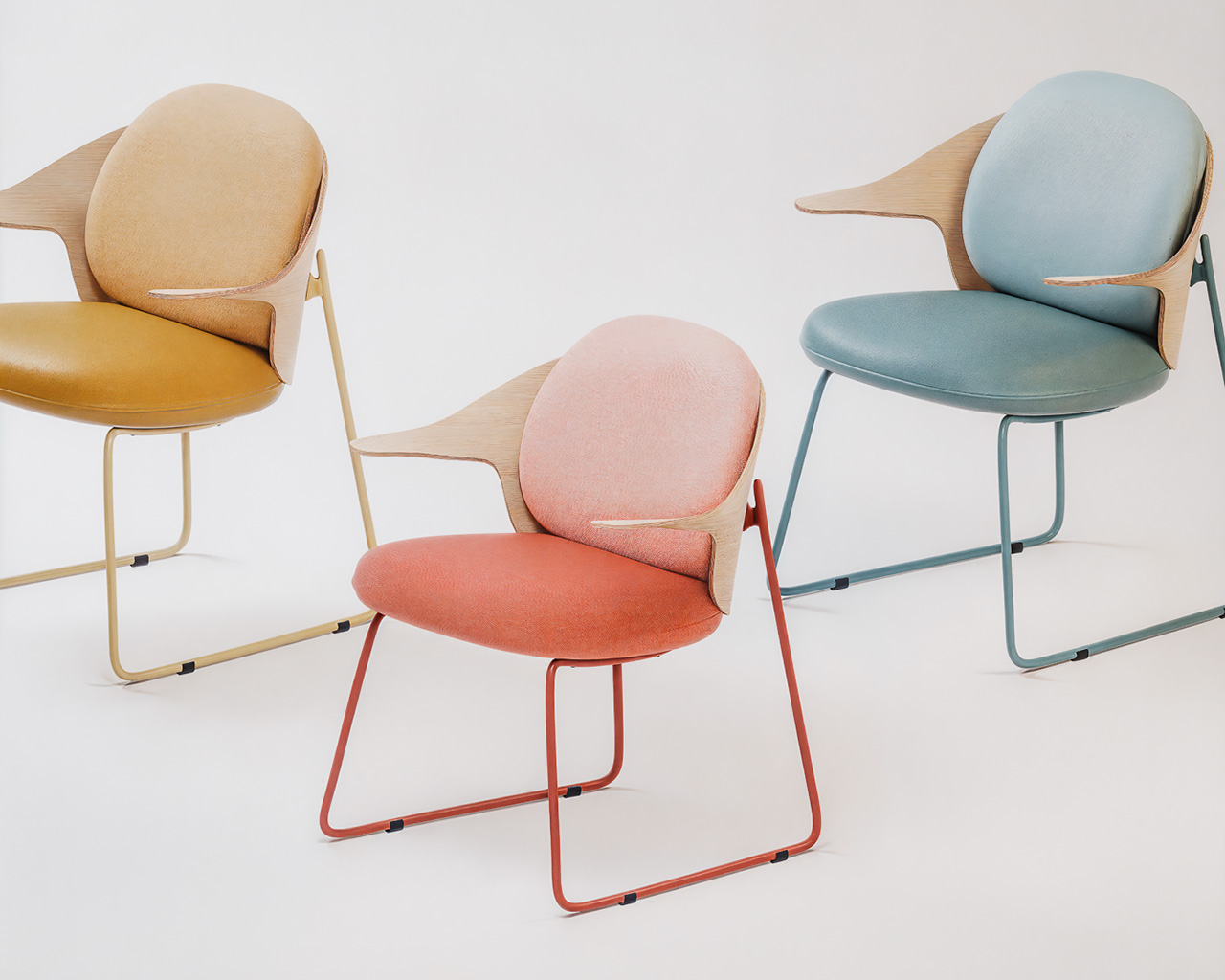
At the forefront of this movement is the Mysa Chair by Studio Kohlhaas. More than just a piece of modern seating, the Mysa Chair is an ergonomic triumph designed to mimic the physical sensation of a human embrace. By utilizing a uniquely contoured, bent plywood backpiece, it provides a "soft shield" for the user, promoting deep relaxation through what experts call "enveloping support." Whether you are looking for a sculptural statement piece or a functional tool for sensory regulation, the Mysa Chair represents a new era where furniture doesn't just fill a room—it looks after the person inside it.
The Story of Mysa: Scandinavian Coziness Meets Modern Craft
The word Mysa doesn’t have a direct one-word translation in English, but to those in Scandinavia, it is a cornerstone of a well-lived life. It describes the act of "cozying up"—the feeling of safety, warmth, and sanctuary. When Studio Kohlhaas set out to design this chair, they weren't interested in creating another rigid, linear office chair. They wanted to capture the essence of Mysa in a physical form.
The design philosophy behind the Mysa Chair is centered on the concept of a "soft shield." In an open-plan world where privacy is scarce and digital noise is constant, the chair acts as a protective boundary. It’s not a barrier that cuts you off from the world, but rather a supportive shell that allows you to feel secure enough to let your guard down.
Design Breakdown: How It Mimics a Human Hold
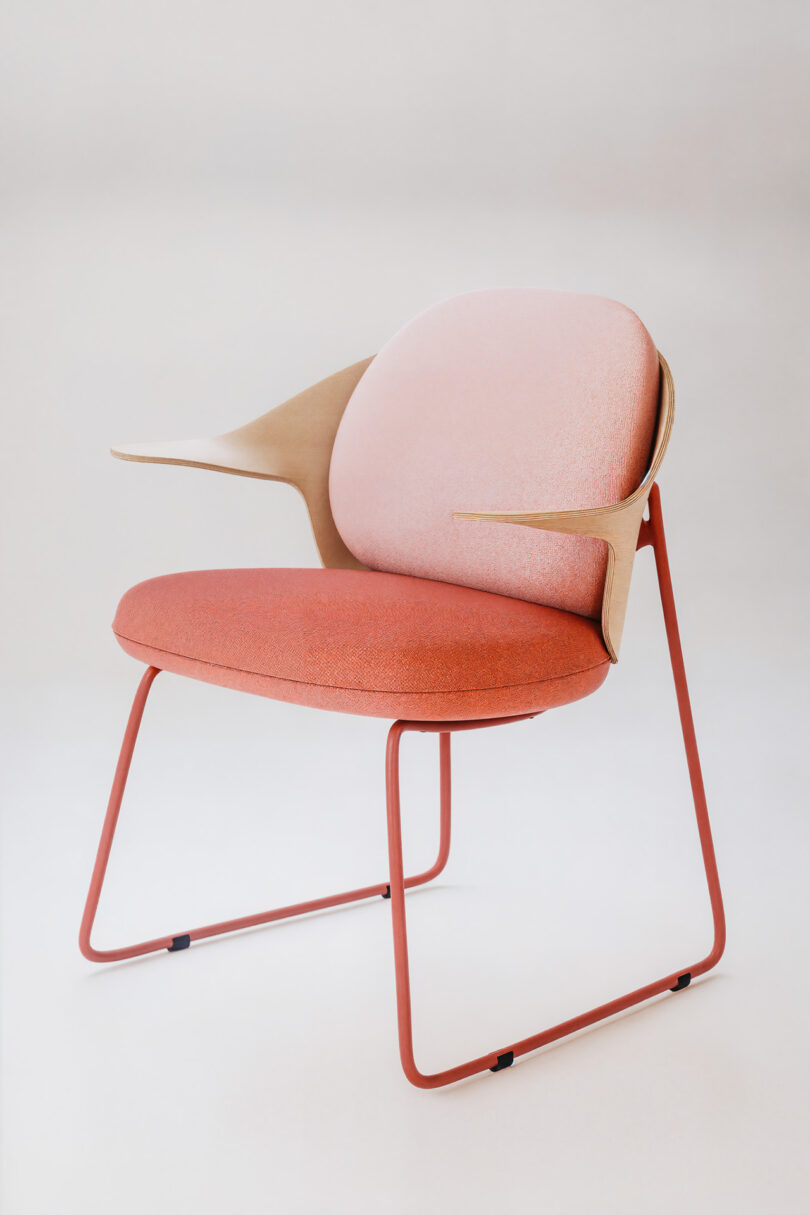
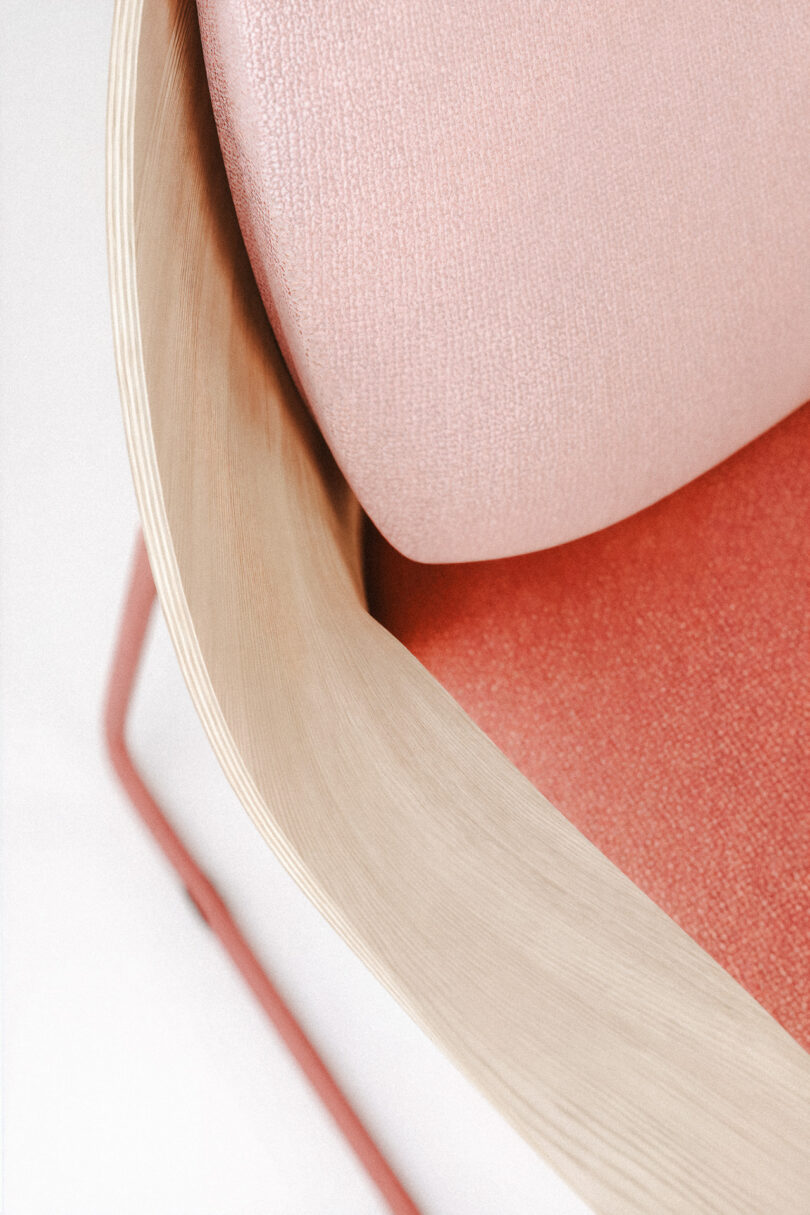
How does a solid object made of wood and metal actually feel like a hug? It comes down to geometry and materiality. The hallmark of the Mysa Chair is its continuous, bent plywood backpiece. This isn't just an aesthetic choice; it’s a gestural one. The backrest curves forward slightly, creating what designers call "friendly arms." These arms don't just support your back; they wrap around your periphery, providing a subtle sense of enclosure that mimics the geometry of a human hold.
The materiality is equally intentional. Studio Kohlhaas balances the structural rigidity of the molded wood with the tactile softness of high-quality upholstery. The base, a minimalist powder-coated metal sled design, provides a visual lightness. This contrast is vital: the chair looks like it is floating, yet when you sit in it, the structural assurance is immediate.
The Science of Comfort: Why Sensory-Inclusive Furniture is Trending
The interior design industry is currently witnessing a massive pivot toward "wellness-centric" furniture. This isn't just a niche trend; the data suggests a fundamental change in how we perceive our living spaces. Market trends indicate a 42% growth in consumer demand for sensory-inclusive residential furniture that prioritizes deep-pressure tactile feedback.
Science Insight: Research into ergonomic design suggests that curved "hug-style" backrests can increase average seated relaxation duration by up to 35% compared to standard linear chairs. This is largely due to the chair's ability to provide "Deep Pressure Input," which signals the nervous system to move from a state of "fight or flight" to "rest and digest."
This "Deep Pressure" effect is something occupational therapists have used for years to help with sensory processing. By applying gentle, distributed pressure across the body's sensory receptors, a chair like the Mysa can actually help reduce anxiety and physical restlessness.
Choosing Your Sanctuary: Structured Chairs vs. Sensory Bean Bags
When integrating sensory furniture into your home, it's important to understand the difference between structured support and total enveloping. Not every space calls for the same type of "hug."
| Feature | Mysa Chair (Structured Support) | Sensory Bean Bags (Total Enveloping) |
|---|---|---|
| Primary Use | Reading, working, focused relaxation | Napping, sensory decompression |
| Aesthetic | Architectural, modern, elevated | Casual, soft, amorphous |
| Support Level | Ergonomic lumbar and thoracic support | Malleable, no fixed posture |
| Best For | Living rooms, home offices, libraries | Playrooms, bedrooms, quiet corners |
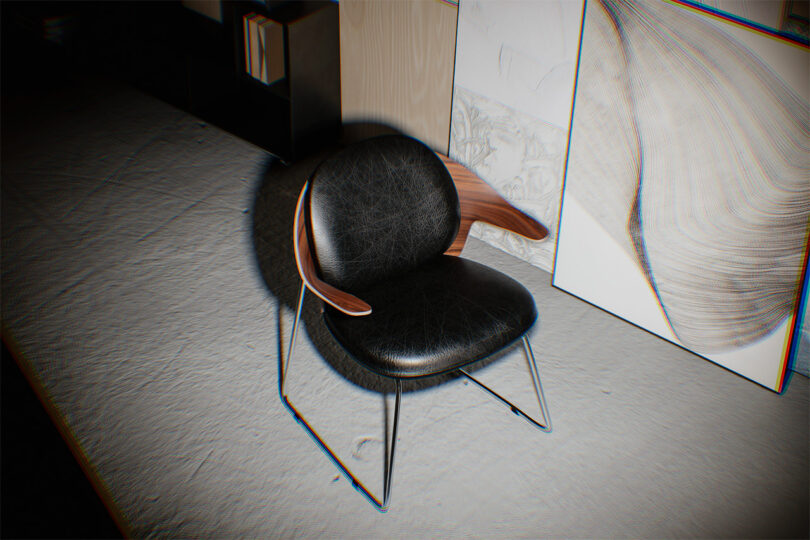
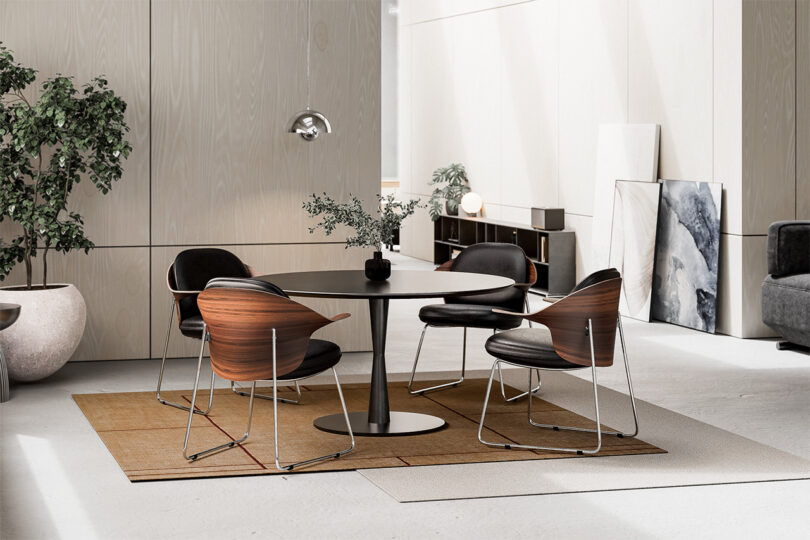
The Mysa Chair is particularly successful because of its aesthetic variability. While its core function is comfort, its form is undeniably sophisticated. For a home office or a formal library, the chair can be finished in premium Nappa leather or dark-toned fabrics, offering a "power chair" feel that doesn't sacrifice the calming benefits of its sensory design.
Practical Guide: Tips for Creating a Sensory-Friendly Home
Creating a home that "hugs" you back requires more than just one chair. It’s about creating an ecosystem of comfort. Here is how I recommend styling the Mysa Chair to maximize its sensory benefits:
1. The Art of the 'Quiet Corner'
Don't just place the Mysa Chair in the middle of a high-traffic area. To truly lean into the "Mysa" philosophy, use it to anchor a designated retreat zone. Place it in a corner where the wall provides an extra layer of "back protection." Ideally, position it near a window for natural light, but ensure there is a lamp nearby with a warm-toned bulb (2700K) for evening relaxation.
2. Texture Layering for Tactile Feedback
The sensation of a hug is amplified by the textures you touch. If you choose a Mysa Chair with a smooth fabric, consider layering it with:
- Corduroy or Velvet: These provide deep tactile stimulation when you run your hands over them.
- Weighted Blankets: Adding a 10-15lb weighted throw while sitting in the Mysa Chair creates the ultimate sensory "sandwich."
- Faux Fur: Perfect for creating a sense of organic warmth during colder months.
3. Maintenance for Longevity
A sanctuary isn't a sanctuary if it's hard to clean. One of the practical beauties of modern sensory design is the move toward durability. When selecting your Mysa finish, look for high-rub-count fabrics. If the chair is for a high-use family area, I always suggest removable or treated covers that allow for easy maintenance without losing that "soft-to-the-touch" feel.
FAQ
Q: Is the Mysa Chair suitable for long hours of working? A: While the Mysa Chair is designed primarily for relaxation and reading, its ergonomic plywood backpiece provides excellent lumbar support. It is a fantastic choice for a secondary office chair—perfect for those tasks that require deep thought rather than intensive typing.
Q: What makes the Mysa different from a standard lounge chair? A: The key difference lies in the "enveloping" geometry. Most lounge chairs have a flat or slightly reclined back. The Mysa’s backrest is specifically engineered with a forward-curving "hug" gesture that provides a sense of enclosure and sensory regulation that standard chairs lack.
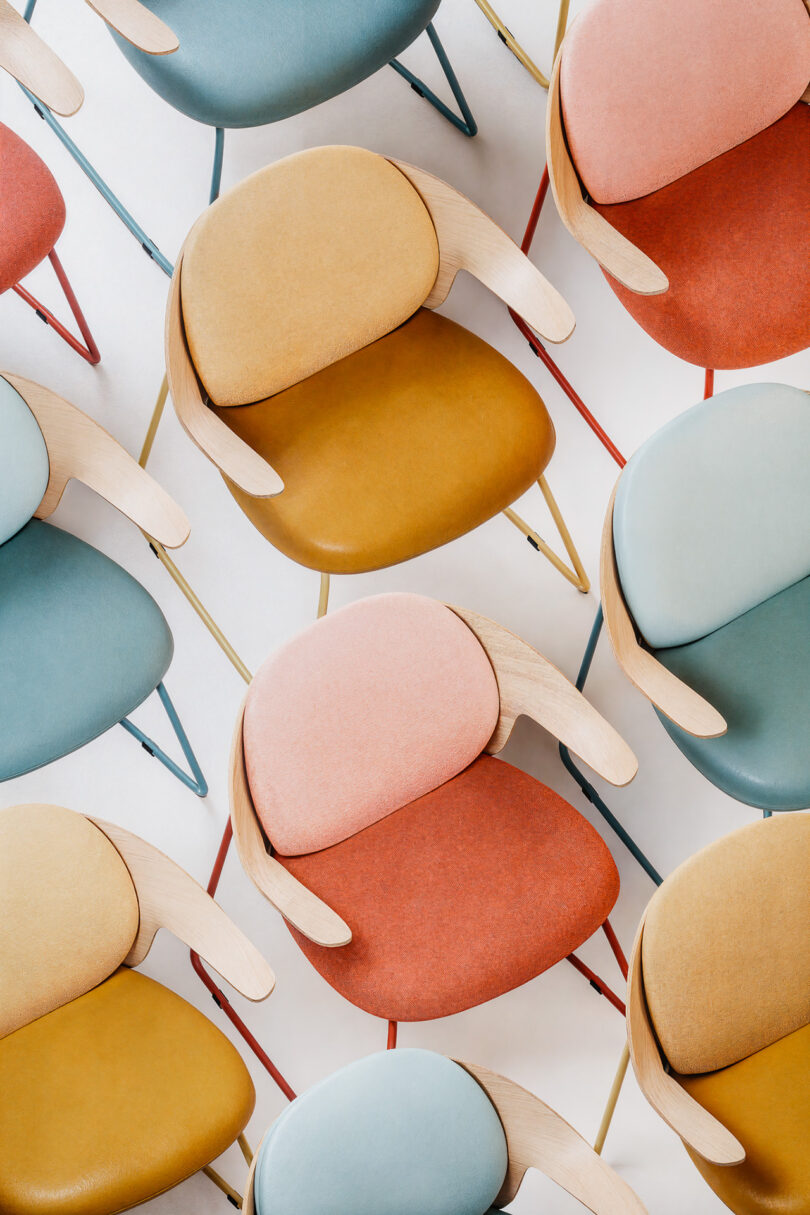
Q: Can the chair be customized to fit different interior styles? A: Yes. Studio Kohlhaas offers a wide range of finishes, from light Scandinavian oaks and pastel textiles to dark walnuts and sophisticated leathers, making it adaptable to both "warm minimalist" and "industrial chic" aesthetics.
Transform Your Space into a Sanctuary
In an era of high-stress living, our homes need to be more than just functional spaces; they need to be emotional allies. The Mysa Chair by Studio Kohlhaas is a testament to the idea that great design should support the body and the mind in equal measure. By bringing the "architecture of an embrace" into your living room, you aren't just buying a chair—you’re investing in your own daily well-being.
Ready to find your perfect fit? Start by identifying that one corner of your home that feels underutilized, and imagine it transformed into your personal sensory retreat.