For decades, the world of high-end lighting has been caught in a quiet paradox. We celebrate the "designer" aesthetic of a lamp, yet we often accept its internal mechanics as a "black box"—a mystery of integrated circuits and glued-shut housings that, once they fail, render the entire object obsolete. As an editor, I’ve seen countless sculptural masterpieces end up as beautiful, non-functional junk simply because a single diode flickered out.
But what if a lamp didn’t hide its logic? What if the very act of being repairable was the art itself? This is the provocative question posed by Formafantasma, the Amsterdam-based design duo of Andrea Trimarchi and Simone Farresin, in their latest collaboration with FLOS: the SuperWire.
Introduction: Where Lighting Meets Sculpture
At first glance, SuperWire feels less like a traditional lamp and more like a captured moment of alchemical energy. It is an exploration of the boundary between a functional household object and a piece of fine art. Unlike the bulky housings of the past, SuperWire is a celebration of the "thin"—a modular system that utilizes a custom-engineered, 1-meter flexible LED filament to create a continuous, ethereal glow.
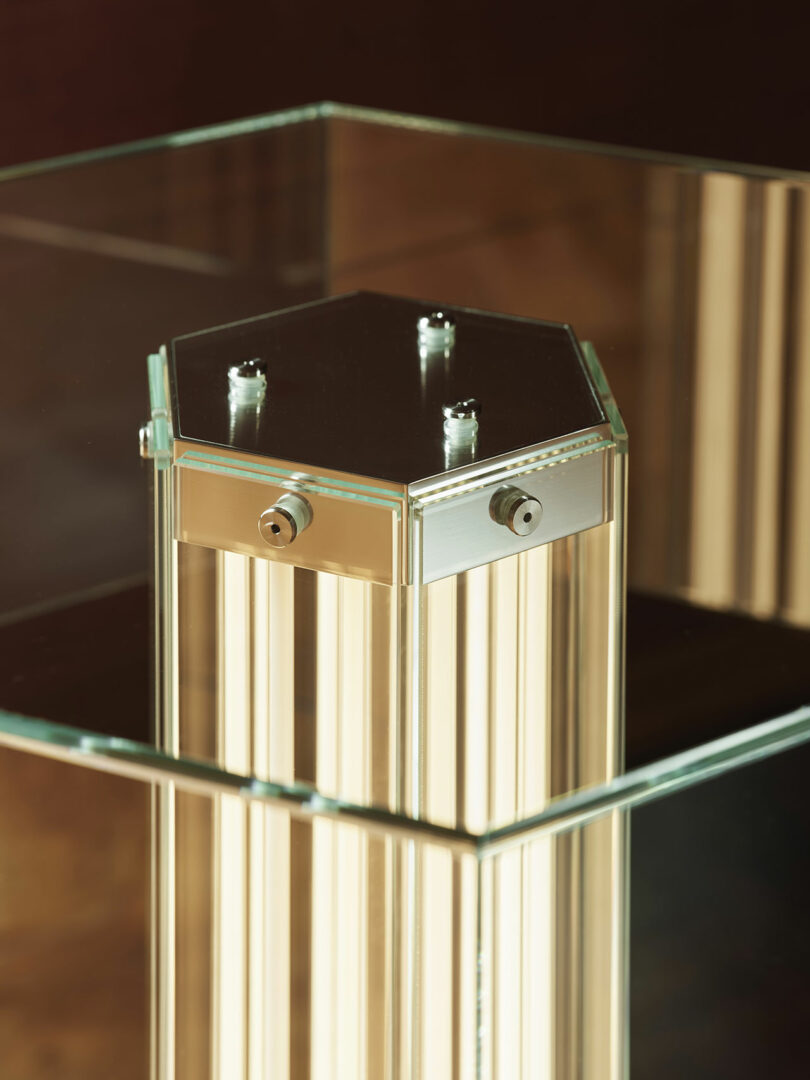
What makes SuperWire unique is its radical departure from "integrated" design. While most modern LED fixtures are sealed units, Formafantasma and FLOS have embraced a concept they call "Philosophical Transparency." This means every component—from the hexagonal glass modules to the visible steel screws—is designed to be seen, understood, and, most importantly, replaced by the user. It is a sculptural system where the engineering is the ornament.
The Engineering of a New Light Source
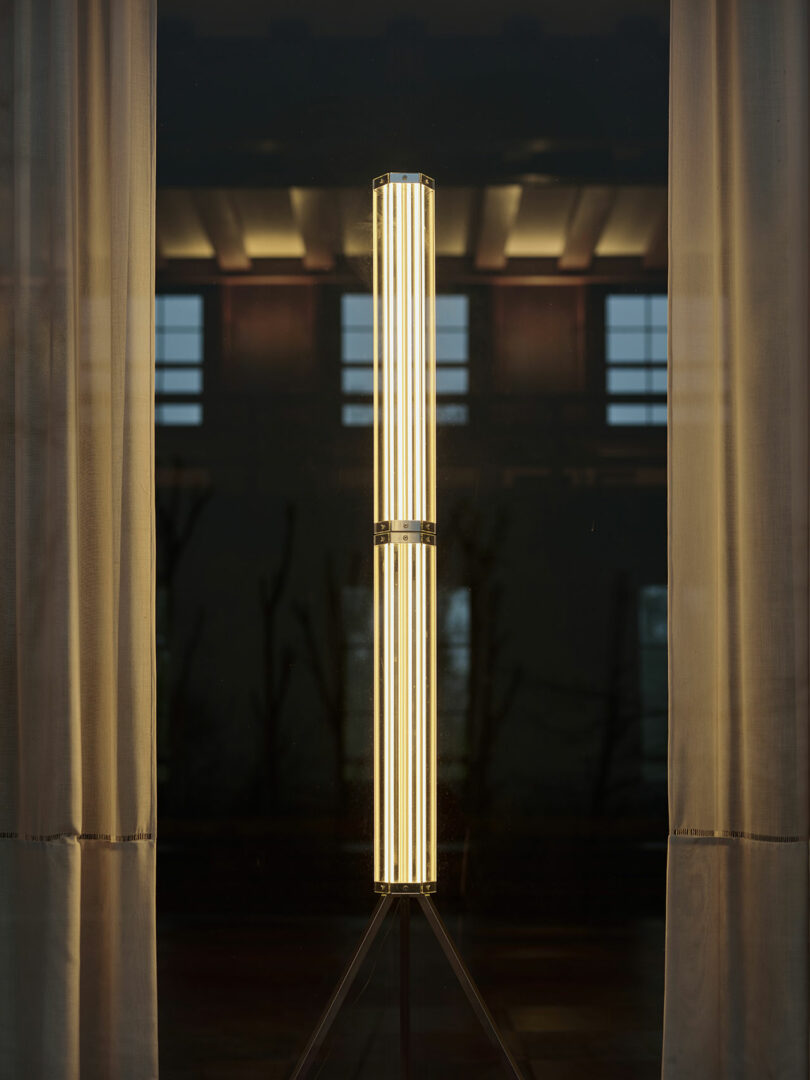
To understand SuperWire, we must look beyond the bulb. The heart of the system is a technological marvel: a bespoke LED filament that behaves more like a glowing textile than a rigid electronic component.
Formafantasma refers to this internal light source as the "Spaghetti" aesthetic. Inside the protective borosilicate glass tubes, twelve slender strips of flexible LED are bundled together. This configuration is not just for visual intrigue; it allows the SuperWire to provide 360-degree homogeneous illumination without the need for traditional diffusers or heavy housing. The light isn't coming from a source inside a lamp; the light is the lamp.
Technical Specification: The custom 1-meter filament is designed to maintain a consistent color temperature and high Color Rendering Index (CRI), ensuring that the light quality matches the museum-grade standards expected in high-end architectural projects.
This "pixel-free" technology ensures that even when dimmed, there are no harsh spots or visible diodes. The result is a soft, geometric rhythm that fills a room with a glow that feels organic rather than industrial.
Philosophical Transparency: Design for the Long Haul
In my years of styling modern living spaces, I’ve found that true luxury is often found in longevity. Formafantasma’s "Philosophical Transparency" is a direct response to the "planned obsolescence" that plagues the electronics industry.
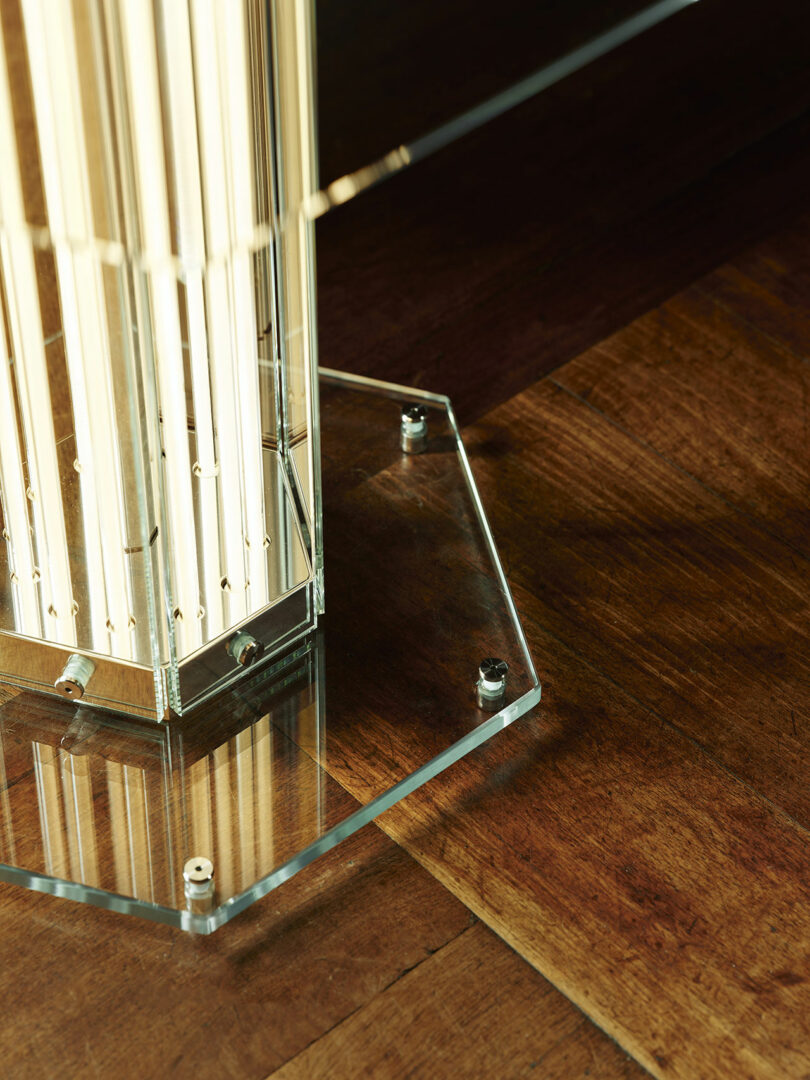
The modular architecture of SuperWire is constructed from 6 sheets of industrial planar glass per module, secured by exposed steel screws. In the traditional design world, screws are things to be hidden—shameful evidence of assembly. Here, they are elevated to a design feature.
How SuperWire Promotes Sustainability
- User-Accessible Repairability: Unlike most LED fixtures that require professional servicing or total replacement when a light source fails, SuperWire is designed for the user to disassemble.
- Recyclable Materials: By utilizing borosilicate glass and aluminum, the fixture avoids the "glue-and-plastic" trap. These materials can be easily separated at the end of the product's life.
- Component Replacement: If a single 1-meter filament fails after years of use, you don't throw away the lamp. You simply unscrew the glass housing and slide in a new "spaghetti" bundle.
This approach transforms the consumer from a passive observer into a steward of their own furniture. It is a radical, honest approach to sustainable luxury.
The SuperWire Family: A Modular Typography of Light
One of the most exciting aspects of SuperWire is its versatility. Because the system is modular, it functions as a "typography" of light—a language that can be spoken in different scales and orientations to suit various interior needs.
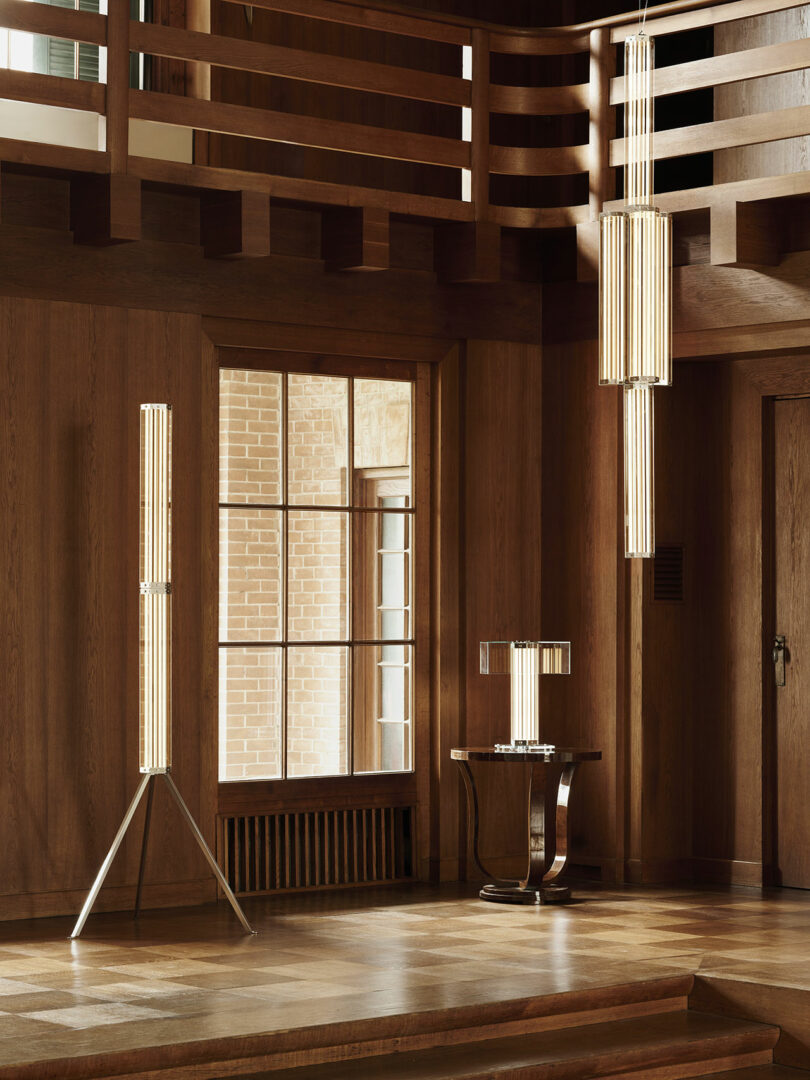
The SuperWire collection currently includes:
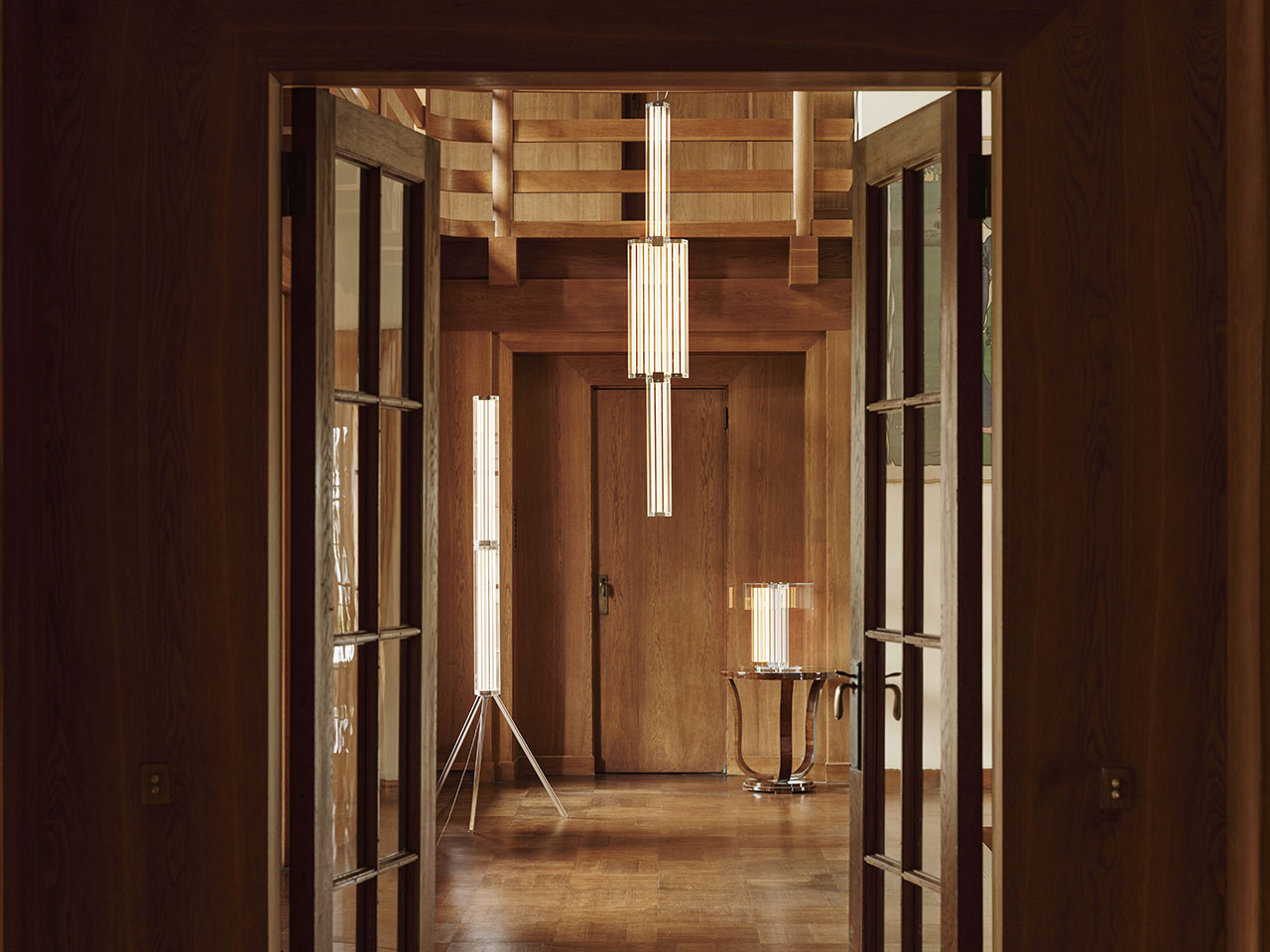
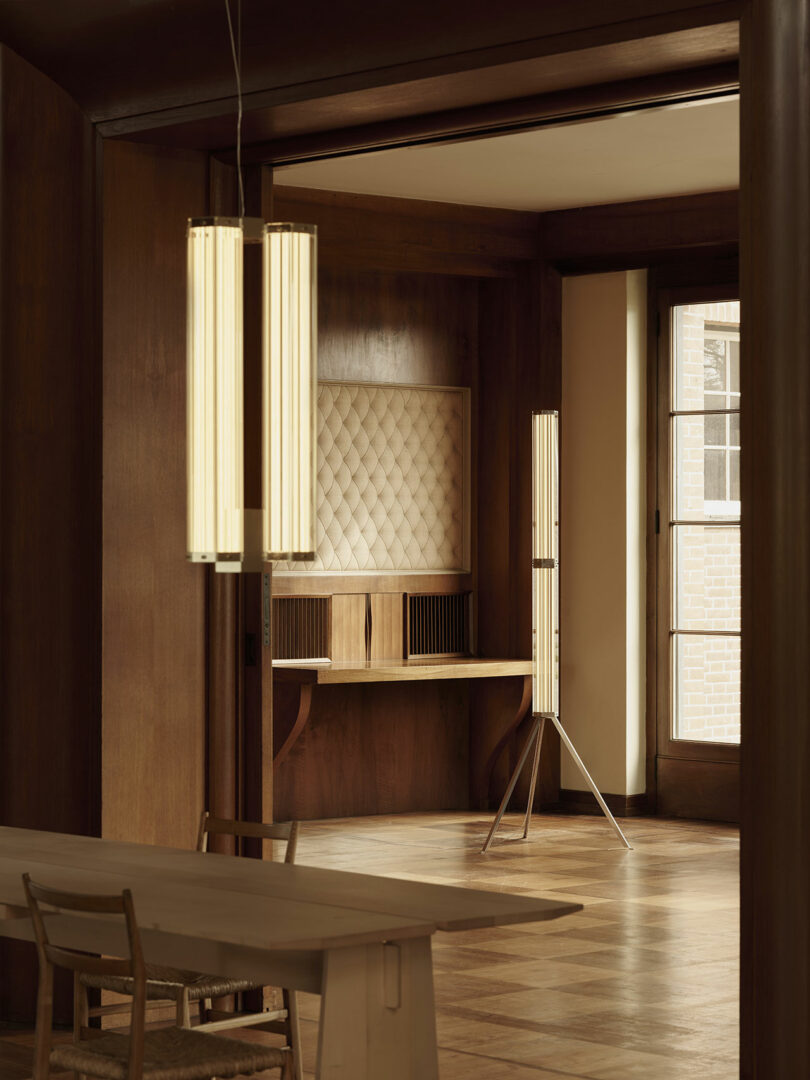
- The Floor Model: A soaring vertical element that acts as a light sculpture. Perfect for minimalist living rooms or wood-paneled libraries where it provides a contemporary counterpoint to traditional textures.
- The Table Model: A more intimate version of the technology, bringing the "spaghetti" filaments to eye level. It’s an ideal conversational piece for a study or a hallway console.
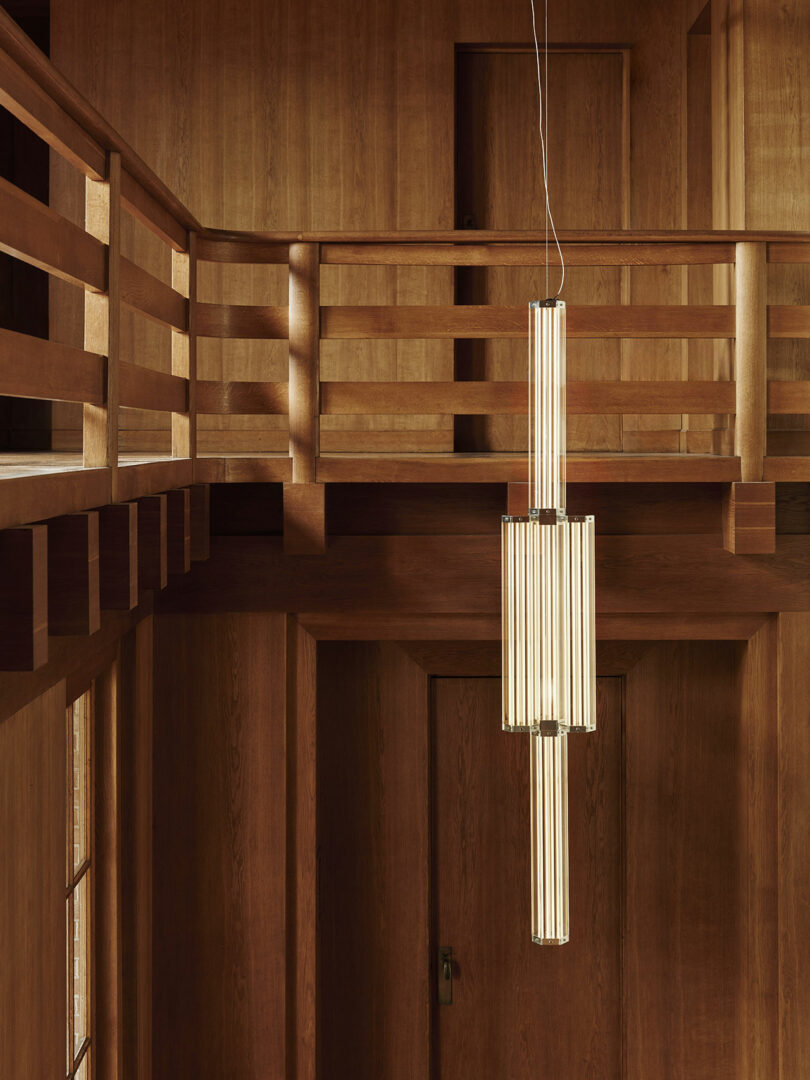
- The Suspension Model: This is where SuperWire truly shines in architectural settings. By connecting multiple modules, you can create a dramatic vertical drop.
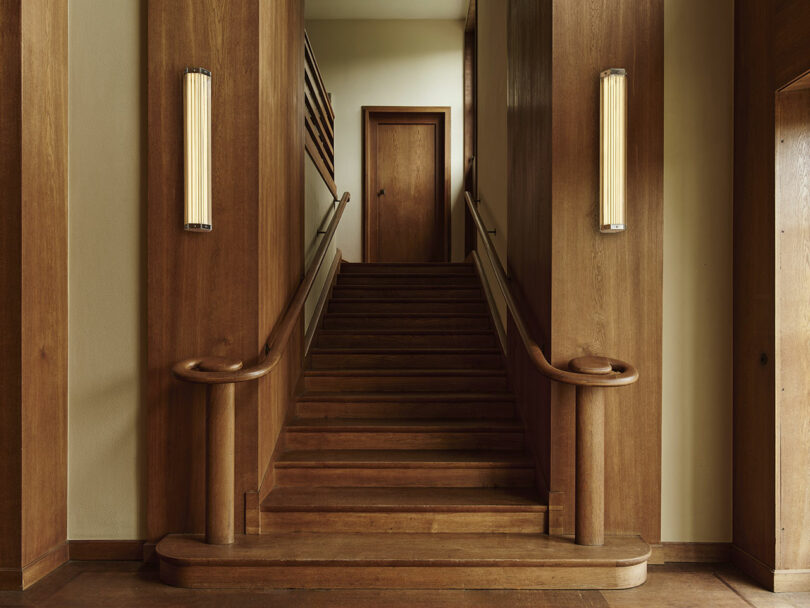
While the Floor, Table, and Suspension models are available globally, there is a specific addition for the European market: the Wall-mounted sconces. These fixtures bring museum-grade CRI to transitional spaces like staircases and corridors, offering a sleek, architectural way to illuminate walls without the bulk of a traditional sconce.
Why SuperWire Defines 2026 Lighting Trends
As we look toward the future of interior design, several key shifts are emerging, and SuperWire sits at the intersection of all of them.
1. The Shift to "Invisible" Sources
The era of the bulky lampshade is giving way to "pixel-free" LED technology. High-end architecture is moving toward light sources that feel embedded into the space rather than added on. SuperWire’s slender profile allows it to disappear into a room's lines while providing high-output illumination.
2. High CRI in the Home
Traditionally, high Color Rendering Index (CRI) was reserved for art galleries and museums. However, as our homes become our offices and sanctuaries, the demand for light that accurately renders colors is skyrocketing. SuperWire brings this professional-grade light quality into the domestic sphere.
3. Ethical Luxury
Today’s luxury consumer wants to know that their investment won't end up in a landfill in five years. SuperWire’s repairability isn't just a technical feature; it's an ethical statement. It represents a shift toward "Permanent Art Fixtures" that grow with the user.
Conclusion: The Future of Reparable Luxury
So, can modular lighting be art? In the hands of Formafantasma and FLOS, the answer is a resounding yes. SuperWire is more than just a lamp; it is a manifesto for a new kind of design. It proves that technical honesty—the refusal to hide screws, wires, and filaments—can result in an object of profound beauty.
For the modern homeowner, SuperWire offers a rare opportunity to own a piece of lighting history that is as practical as it is poetic. It is a design that respects the user’s intelligence and the planet’s resources, all while bathing our living spaces in a warm, 360-degree glow.
FAQ
Q: Can I really repair the SuperWire myself? A: Yes. One of the core design pillars of the SuperWire is "user-accessible repairability." The fixture is held together by visible steel screws, allowing you to disassemble the glass modules to replace the internal LED filament or clean the components without needing specialized industrial tools.
Q: What is "Borosilicate Glass" and why is it used? A: Borosilicate glass is a type of glass that is highly resistant to thermal shock and chemical corrosion. In the SuperWire, it provides a crystal-clear, durable housing for the LED filaments that won't cloud or degrade over time, ensuring the light remains "pixel-free" and crisp for years.
Q: Is the SuperWire compatible with smart home dimming systems? A: As a flagship FLOS product, the SuperWire is designed to integrate with high-end architectural dimming systems, offering smooth transitions from a bright task light to a warm, sculptural glow.