As the sun sets over the arid landscapes of Bolgatanga in Northern Ghana, the rhythm of the day shifts from the fields to the courtyards. Here, in the "city of baskets," the air is filled with the rhythmic sound of splitting elephant grass and the quiet focus of master weavers. For generations, this craft has produced the iconic Bolga basket—a staple of durability and utility. However, a remarkable transformation is occurring. What was once a vessel for carrying grain is being reimagined as a vessel for carrying light.
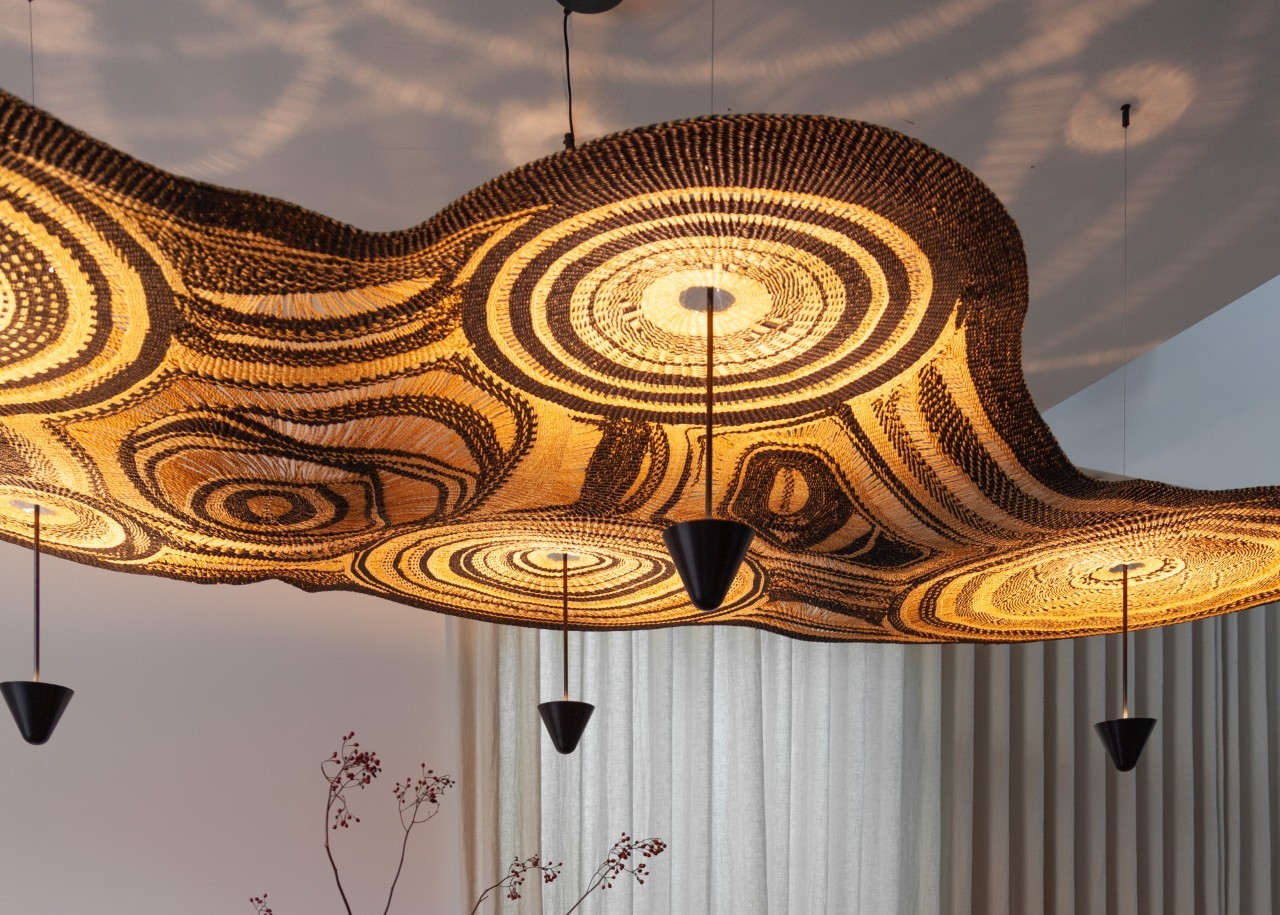
Ghanaian weaving is redefining modern lighting by utilizing the 'tapestry-lamp' concept, which filters light through organic textures and rhythmic Frafra architectural patterns to create unique, atmospheric shadows. This isn't just a change in shape; it is a fundamental shift in how we perceive sustainable design. By integrating the Gurunsi collection by PET Lamp—a sustainable design initiative that fuses recycled plastic bottles into traditional Bolgatanga weaving—designers are creating functional, contemporary pendant lights that bridge the gap between ancient heritage and modern environmental necessity.
The PET Lamp Gurunsi Collection: Upcycling with Purpose
In the world of high-end interior design, the word "sustainable" is often used loosely. However, the Gurunsi collection by PET Lamp offers a masterclass in true circularity. The initiative, which has spent over 14 years collaborating with global artisan communities, found a profound synergy in Ghana. The core of these sophisticated pendants is not a custom-engineered plastic frame, but a 100% upcycled PET bottle.
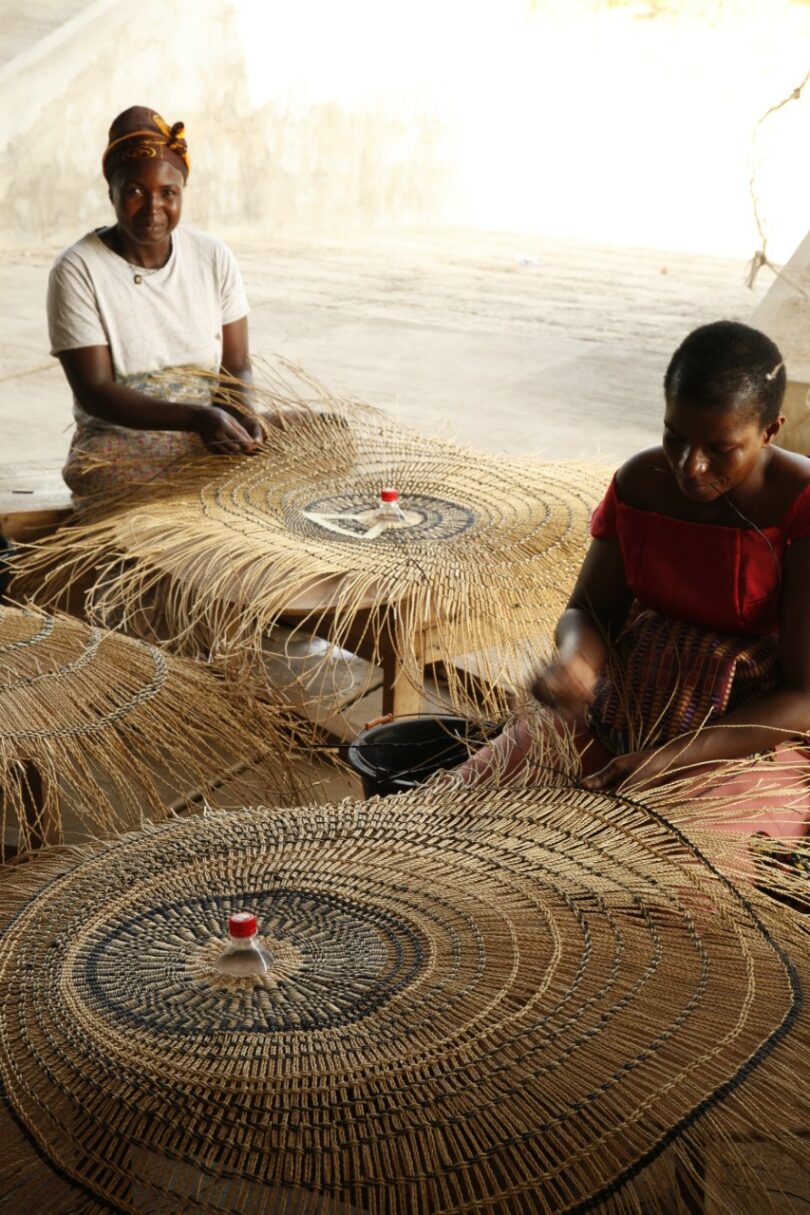
The technical innovation here is as brilliant as it is simple. Modern lamp designers use recycled PET bottles as a functional core, allowing the bottle neck to serve as a conduit for electrical wiring. This allows the wiring to pass through traditional structures without altering the handmade aesthetic or requiring invasive hardware.
- The Structural Core: Every lamp in the Gurunsi collection utilizes a 100% upcycled PET bottle as its foundation, providing a rigid neck for the socket and a flared body for the weaver to build upon.
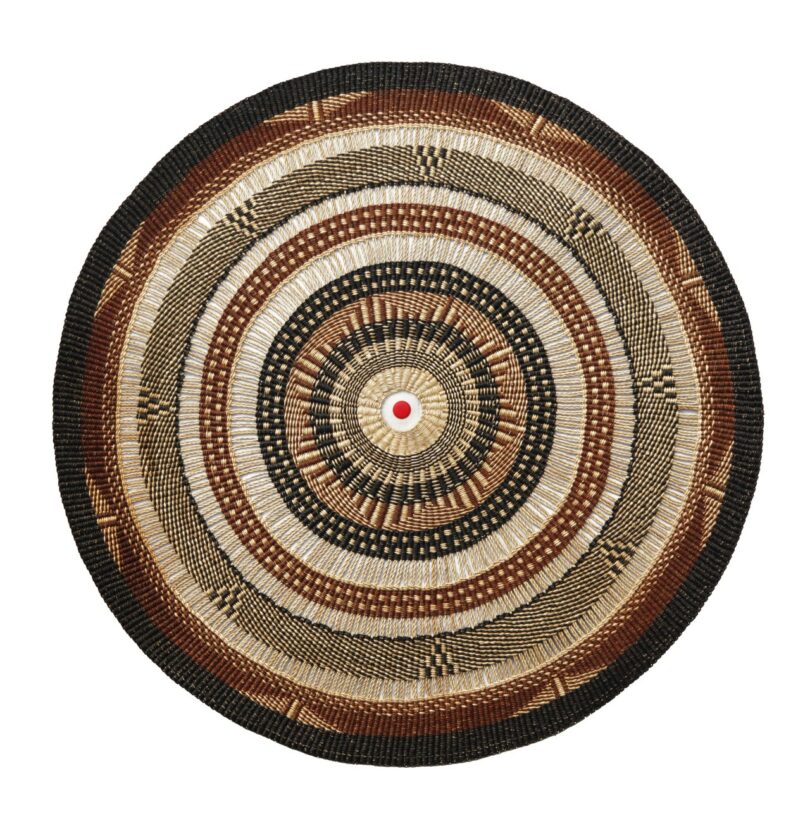
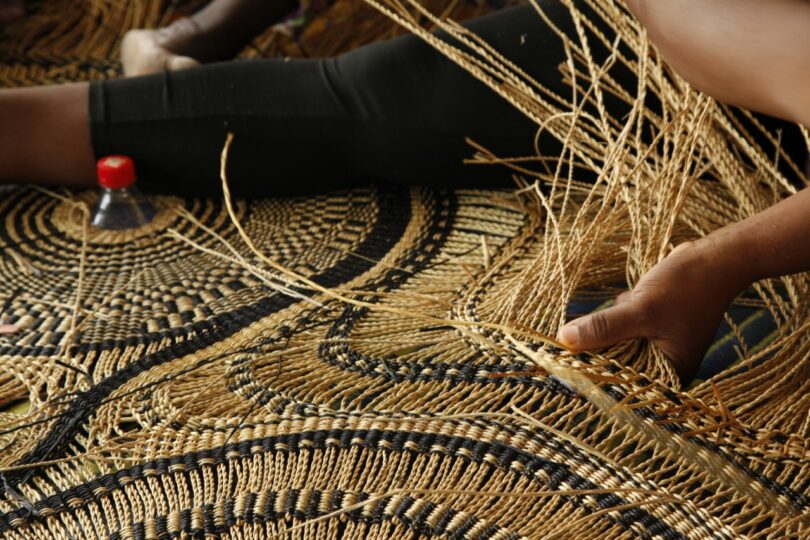
- Rhythmic Patterns: The weaving follows the Frafra architectural style, characterized by geometric precision and symbolic storytelling.
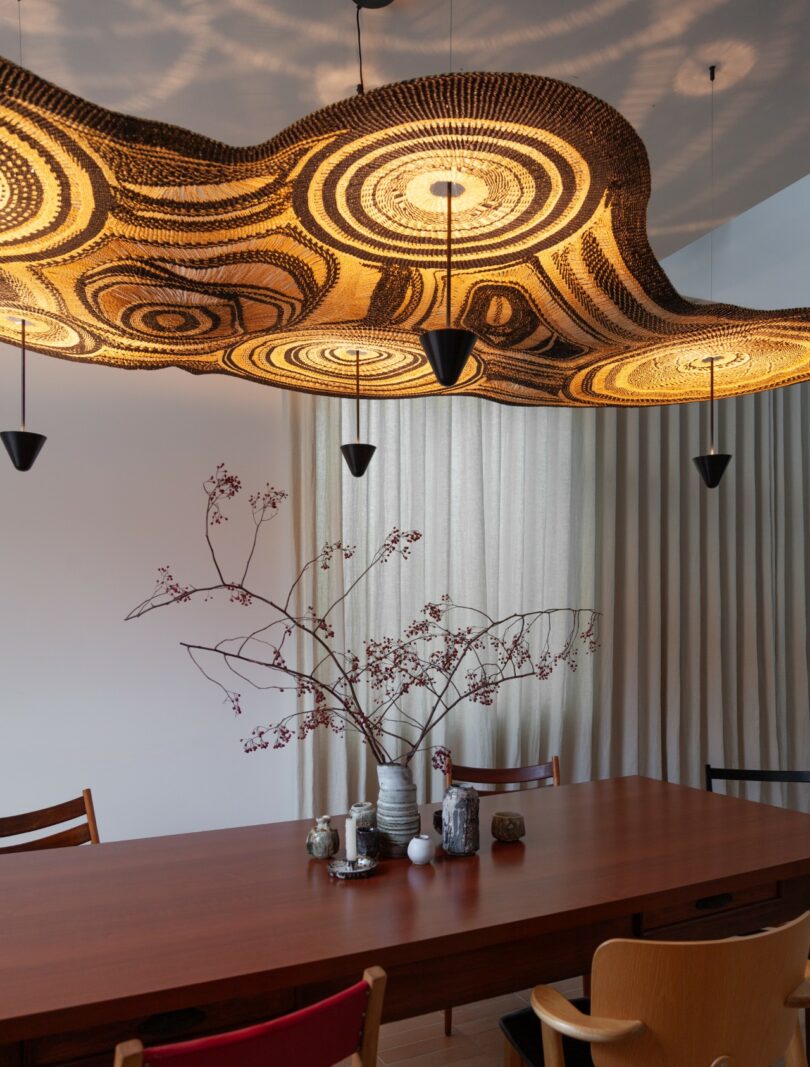
- Light as Art: When illuminated, the tight weave acts as a filter, projecting the "tapestry" of the grass onto the walls and ceilings, effectively turning a room into a living canvas.
Material Science: The Power of Elephant Grass
From my perspective as a sustainability editor, the choice of material is just as vital as the aesthetic. The primary fiber used in these Ghanaian luminaires is Pennisetum purpureum, commonly known as Elephant Grass. This material is a miracle of nature for the eco-conscious homeowner.
Elephant Grass is a rapidly renewable resource that grows wild across the Ghanaian savanna. Once harvested, it is sun-dried and then hand-split into fine strands. The weavers then use their teeth and hands to twist these strands into "twines" before the weaving begins. This process ensures a tensile strength that rivals many synthetic fibers, allowing for the creation of wide, floating, and undulating shapes like those seen in the 'Fawn' Pendant. These large-scale forms maintain their structural integrity over decades, resisting the sagging that often plagues lower-quality wicker or rattan fixtures.
Comparing Material Foundations
To understand why these lamps represent a leap forward in sustainable luxury, let’s look at how the hybrid PET/Fiber model compares to traditional construction.
| Feature | Traditional Fiber-Only Lighting | PET Lamp Hybrid Construction |
|---|---|---|
| Foundation | Wire or wicker frame (prone to rust/warping) | 100% Upcycled PET Bottle (corrosion-proof) |
| Sustainability | Variable (often depends on frame source) | High (removes plastic from waste stream) |
| Electrical Safety | Requires separate mounting hardware | Integrated bottle neck acts as a natural conduit |
| Durability | High, but sensitive to humidity | Enhanced structural rigidity and moisture resistance |
| Artisan Origin | Usually mass-produced frames | 100% hand-woven by Ghanaian artisans |
Beyond Aesthetics: The 2026 Trend of Cultural Appreciation
As we look toward 2026, the global luxury market is moving away from "minimalist sterility" toward "cultural appreciation." Homeowners are increasingly seeking pieces that tell a story—not a story of a factory, but a story of a place and a person.
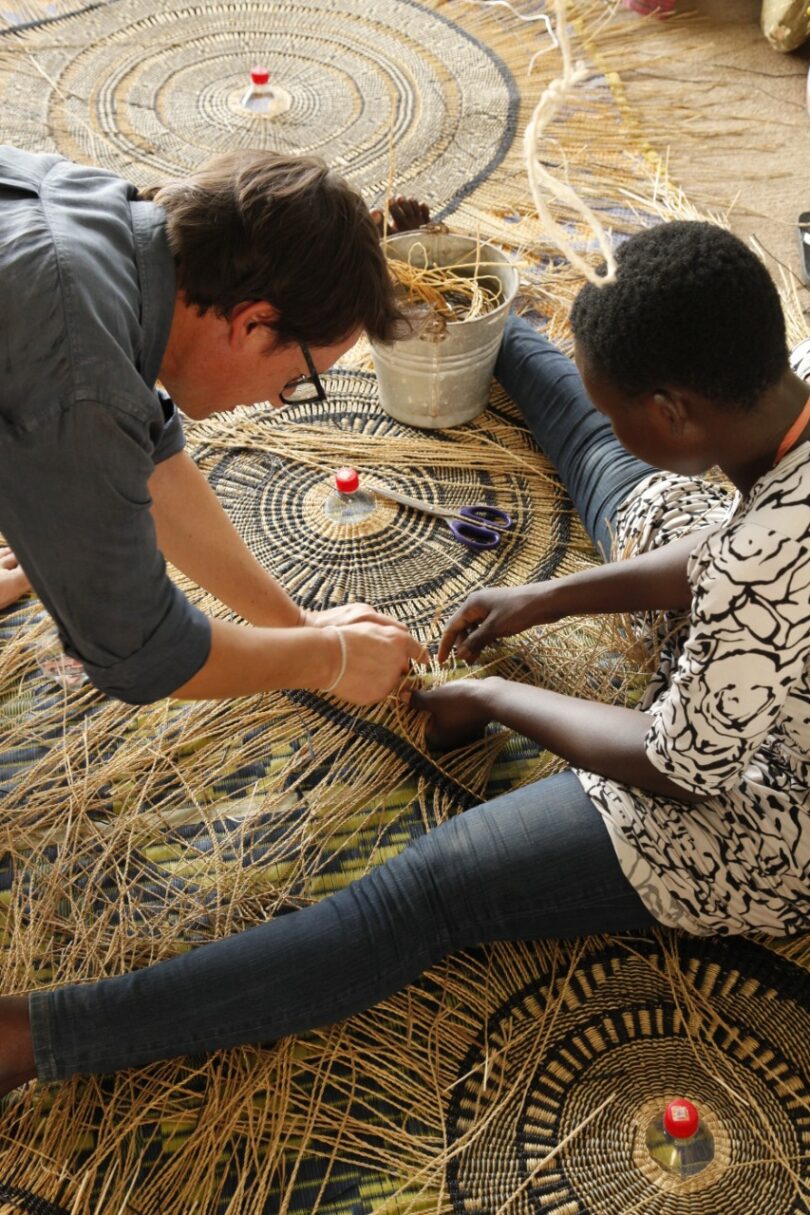
The concept of "Slow Design" is at the heart of this movement. These lamps are not churned out by the thousands; they are the result of a 14-year legacy of building trust and skill between designers and the Frafra people. The bold textures and earthy palettes of Ghanaian weaving provide a necessary warmth to neutral modern interiors.
Lucas’s Design Tip: When styling a woven Ghanaian pendant, treat it as a sculptural focal point. Avoid pairing it with too many other patterns. Instead, let it breathe in a space with lime-wash walls, linen textiles, and natural wood furniture. The "light and shadow" play will do the rest of the decorating for you.
The Social and Environmental Impact
For the conscious consumer, the "why" behind a purchase is as important as the "what." The rise of Ghanaian weaving in the lighting sector is providing significant socio-economic stability for artisan communities. Organizations like SWOPA (Sirigu Women’s Organization for Pottery and Art) and The Baba Tree have been instrumental in ensuring that weavers receive fair wages and that the traditional Frafra techniques are preserved for future generations.
- Empowering Women: Weaving is traditionally a communal activity for women in Northern Ghana, providing them with independent income that funds education and healthcare for their families.
- Global Reach: By bridging local craft with global sustainability goals, these projects allow artisans to access international markets that value their expertise far beyond the local market price.
- Zero Waste: The use of upcycled PET bottles addresses Ghana’s plastic waste challenges while creating a high-value export product.
If you are looking for brands that embody this philosophy, I highly recommend exploring Golden Editions. They excel at blending deep textile study with luxury craftsmanship, creating pieces that feel both ancient and entirely ahead of their time.
FAQ: Choosing and Maintaining Woven Sustainable Lamps
1. How do I clean a woven elephant grass lamp? Because elephant grass is naturally durable, maintenance is simple. Use a soft brush or a vacuum with a brush attachment to remove dust from the crevices. Avoid using heavy water, but a slightly damp cloth can be used for spot cleaning. If the lamp loses some of its shape due to extreme dryness, a very light misting of water can help the fibers regain their flexibility.
2. Are these lamps safe for high-wattage bulbs? While the PET bottle core is heat-resistant, we always recommend using LED bulbs. Not only are LEDs more energy-efficient (fitting my energy-saving philosophy!), but they also emit very little heat, ensuring the longevity of both the plastic core and the natural grass fibers.
3. Will the colors fade over time? Most Ghanaian woven lamps use natural dyes derived from minerals and plants. While they have excellent lightfastness, like any natural material, they may develop a beautiful patina over several years if placed in direct, harsh sunlight. This is often considered a mark of authenticity rather than a defect.
Elevate Your Space with Sustainable Heritage
Integrating traditional Ghanaian weaving into your home is more than a design choice; it’s a commitment to a more thoughtful way of living. These lamps represent the pinnacle of what I call "Functional Soul"—objects that perform a necessary task while carrying the weight of history and the hope of a cleaner planet. By choosing a luminaire that breathes with the rhythm of Bolgatanga, you aren't just lighting a room; you're illuminating a legacy.