If you are attempting to kick your morning coffee habit or, more accurately, if your coffee habit is starting to kick you back, you are likely familiar with the dreaded 2:00 PM wall. It’s that moment when the caffeine jitters dissolve into a foggy, irritable slump, leaving you reaching for a second (or third) espresso just to survive the workday.
For years, I approached matcha with the skepticism of a dedicated home appliance editor—viewing it as a trendy "superfood" that might just be an overpriced green powder. But after swapping my morning pour-over for a bowl of whisked Uji-sourced matcha, the difference wasn’t just physical; it was cognitive. Matcha provides a 'calm alert' energy boost because it contains L-theanine, a rare amino acid that modulates caffeine absorption. This unique synergy prevents the sharp spikes in cortisol and subsequent crashes common with coffee, replacing them with what I call a "sustained glide" of focus.
In this guide, we’ll dive into the mechanics of this "Clarity in a Cup," distinguish between the grades you actually need for your kitchen, and review the best matcha powders currently dominating the 2026 market.
The Science of Serenity: L-Theanine & Caffeine Synergy
The magic of matcha isn't just about the caffeine—though it has plenty. A standard serving of high-quality ceremonial matcha contains approximately 60mg of caffeine, significantly more than standard green tea but less than the 95-150mg found in a typical cup of coffee. However, the experience of that 60mg is fundamentally different.
This is due to the 5:1 ratio of L-theanine to caffeine. L-theanine is an amino acid that crosses the blood-brain barrier and promotes the production of alpha brain waves. Studies have shown that a high-quality matcha can lead to a 40-60% increase in alpha wave activity, which is the brain state associated with "relaxed alertness"—think of it as the focused calm achieved during deep meditation.
By slowing the rate at which your body absorbs caffeine, L-theanine ensures that the energy is released over a period of 3 to 6 hours. This prevents the "jitters"—the over-stimulation of the peripheral nervous system—and mitigates the spike in cortisol that coffee often triggers. For those of us managing a busy household or a high-pressure kitchen environment, this means no shaky hands and no sudden afternoon exhaustion.
Ceremonial vs. Culinary: Choosing the Right Grade
The most frequent mistake I see consumers make is buying a massive bag of "organic matcha" at a discount price and wondering why it tastes like bitter hay. The primary difference between ceremonial and culinary matcha is the leaf age and processing.
Ceremonial grade uses the youngest, most tender leaves from the first harvest (ichiban-cha). These leaves are stone-ground into an ultra-fine powder that dissolves almost instantly. The flavor is delicate, naturally sweet, and carries that elusive umami—a savory, creamy depth.
Culinary grade, on the other hand, is made from older leaves harvested later in the season. These leaves have been exposed to more sunlight, resulting in higher chlorophyll levels and a much bolder, more astringent flavor profile. While it lacks the velvety finish required for sipping, its robustness allows the tea flavor to "cut through" fats and sugars in baking or heavy smoothies.
| Feature | Ceremonial Grade | Culinary Grade |
|---|---|---|
| Harvest Time | First Harvest (Spring) | Second/Third Harvest (Summer/Autumn) |
| Color | Vibrant, Electric Green | Dull, Olive/Yellow-Green |
| Flavor Profile | Sweet, Creamy, Umami, Nutty | Bold, Astringent, Earthy |
| Primary Use | Whisked with water (Thin tea) | Lattes, Smoothies, Baking |
| Texture | Ultra-fine (like talcum powder) | Slightly grittier |
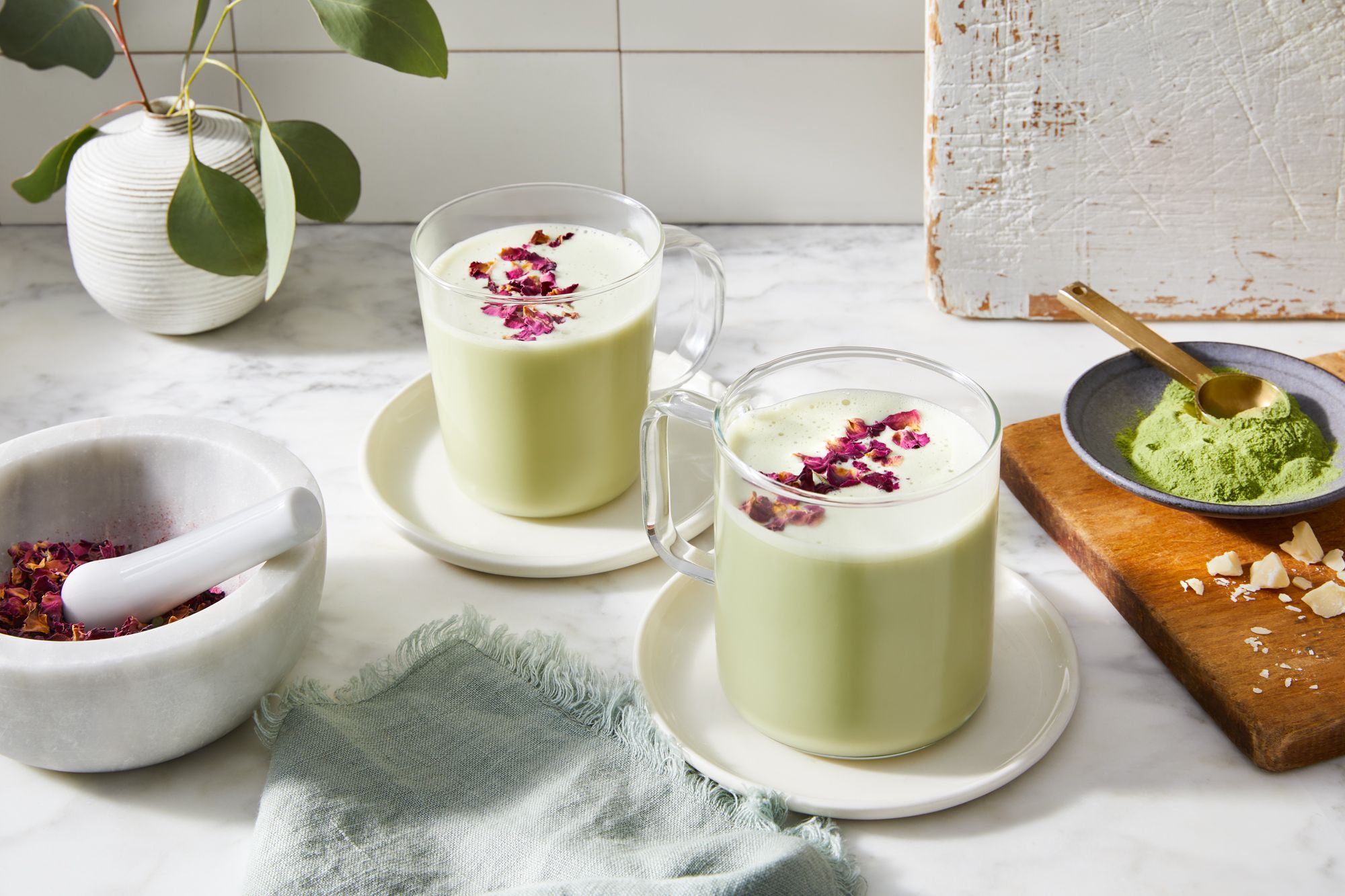
The Best Matcha Powders of 2026: Expert Tested
As an editor focused on performance and long-term value, I’ve put dozens of blends through the "whisk test." I look for color vibrancy, solubility, and how well the energy profile holds up through a standard 8-hour workday.
Best Overall: Naoki Matcha Superior Ceremonial Blend
GGR Score: 9.8/10 Sourced from the renowned Uji region in Japan, Naoki Matcha has become a gold standard for home enthusiasts. It maintains incredibly high consumer trust with over 5,000 verified positive reviews for their first-harvest blends. It offers a perfect balance: it’s premium enough to drink straight with water, but affordable enough (at ~$0.80 per serving) to use for a daily luxury latte. The flavor is remarkably smooth with zero bitterness.
Best for Lattes: Kiyo Classic Grade Ceremonial
IndyBest Rating: ★★★★★ If you prefer your matcha with oat or almond milk, Kiyo is the winner. While technically ceremonial, it has a slightly stronger "tea" backbone that doesn't get lost when mixed with fats. It produces a thick, frothy crema that looks as good as it tastes.
Best Splurge: Golde Pure Matcha
Value Rating: Premium Luxury Premium ceremonial grade matcha, such as Golde Pure Matcha, currently carries a market price of approximately $26.22 per ounce. Why the price tag? Golde uses a cold-processing method and is sourced from small-batch farms in Uji. It is exceptionally bright green—almost neon—indicating high chlorophyll and L-theanine content. It is the "Single Malt" of the matcha world.
Best Flavor Variety: Chamberlain Coffee
GGR Score: 9.1/10 For those who find the grassy notes of traditional matcha a bit daunting, Emma Chamberlain’s brand offers flavored variations like Vanilla and Mango. These are surprisingly high-quality ceremonial bases that use natural flavors to bridge the gap for beginners.
Best for Baking: Navitas Organics
Kitchen Value Award For your matcha brownies or morning muffins, don’t waste your expensive ceremonial tins. Navitas provides a solid culinary grade that retains its vibrant green color even after being in a 350°F oven. It’s earthy, punchy, and provides that health boost without the high price point.
Caffeine Comparison: Matcha vs. Coffee
To understand why matcha is the superior choice for focused clarity, we have to look at the energy curve. Coffee is a vertical climb followed by a vertical drop. Matcha is a gentle hill.
| Metric | Matcha (Ceremonial) | Brewed Coffee (Drip) |
|---|---|---|
| Caffeine per Serving | ~60mg | ~95-150mg |
| Onset of Energy | 15-30 minutes | 5-10 minutes |
| Duration of Effect | 3-6 Hours | 1-2 Hours |
| Adrenal Response | Low (L-Theanine buffered) | High (Cortisol spike) |
| Crash Potential | Near Zero | High |
Pro-Tip: If you are transitioning from coffee, don't quit cold turkey. Try a "Half-and-Half" week where you have your coffee in the morning and a matcha at noon to stabilize your energy through the afternoon.
How to Prepare the Perfect Cup
Preparation is where most people fail, leading to clumps of dry powder in their drink. From an equipment perspective, you don't need a $100 set, but you do need the right technique.
- Sift is Key: Always use a fine-mesh strainer to sift 1-2 teaspoons of matcha into your bowl. This breaks up the clumps formed by static electricity in the tin.
- The Temperature Sweet Spot: Never use boiling water. Boiling water (212°F) will scald the delicate leaves and result in a bitter, "burnt" taste. Use 175°F (80°C). If you don't have a temperature-controlled kettle, let your boiling water sit for two minutes before pouring.
- The 'M' Motion: Using a bamboo whisk (Chasen), whisk in a "W" or "M" motion rather than a circular one. This aerates the tea, creating the signature froth and releasing the aromatic compounds.
- Storage Maintenance: Matcha is highly susceptible to oxidation. Once opened, keep it in its airtight tin, away from light and heat. For long-term value, store your tins in the refrigerator to keep the powder vibrant and fresh for up to two months.
FAQ
Does matcha break a fast? Pure matcha whisked with water contains negligible calories (about 3-5 kcal) and does not trigger an insulin response, making it safe for intermittent fasting. In fact, the EGCG (epigallocatechin gallate) in matcha can actually enhance fat oxidation during a fast.
Is organic matcha always better? In Japan, many of the most prestigious, high-quality farms do not carry the "USDA Organic" label because the certification process is expensive and different from Japanese standards. Look for "First Harvest" or "Uji-sourced" as a better indicator of quality than the organic seal alone.
How much matcha can I drink per day? Most experts recommend 1-2 servings per day. While it is healthier than coffee, it still contains caffeine. Over-consumption can lead to sleep disruption if consumed late in the evening.
Final Thoughts: The Long-Term Value of Matcha
Investing in a high-quality tin of matcha like Naoki or Golde isn't just a grocery purchase; it’s an investment in your daily productivity and nervous system health. While the upfront cost of ~$26 per ounce seems high, consider that a single tin provides 30 servings. At less than $1.00 per day, it is significantly cheaper than a daily Starbucks run and provides a level of clarity that no espresso can match.
If you’re ready to trade the jitters for a "calm alert" state, start with a reputable ceremonial blend and a simple bamboo whisk. Your brain—and your afternoon self—will thank you.