In an age where "sustainable living" is often reduced to a series of aesthetic Instagram posts, the reality of a truly eco-friendly home lies in the soil and the feathers. As someone who has spent years dissecting the efficiency of heat pumps and the carbon footprint of building materials, I’ve found that the most profound energy solution doesn't always come in a box from a tech company—it comes from the backyard.
The concept of the garden as an "outdoor room" has dominated design for decades, treating the lawn as a static extension of the carpeted lounge. But for those seeking a mindful connection to the earth, Arthur Parkinson, the celebrated protege of Sarah Raven and author of The Flower Yard, offers a more radical, living vision. To Parkinson, and to the modern sustainable homeowner, the garden is a wild, demanding ecosystem that requires our presence, not just our maintenance. It is a place where keeping poultry and cultivating nectar-rich blooms create a closed-loop system of joy, waste management, and biodiversity.
The Philosophy of the Living Garden: More Than an Outdoor Room
Mindful gardening is less about the perfection of the hedge and more about the practice of nurturing. Parkinson famously describes the act of sowing as "being God to a packet of seeds," a sentiment that resonates deeply with the sustainable living ethos. When we garden with intention, we aren't just decorating; we are stewarding a tiny patch of the planet.
This stewardship is elevated significantly when chickens are introduced into the mix. How does keeping chickens enhance mindful gardening? Keeping chickens creates a deep emotional connection to the earth and the cycle of life. Beyond providing organic, zero-mile eggs, they offer companionship and help gardeners practice a daily rhythm of observation. By watching a hen forage, you learn about the health of your soil and the presence of pests. They transform garden waste into "black gold"—potent fertilizer—closing the nutrient loop in your backyard. This daily interaction fosters a sense of responsibility that groundedness that no smart home device can replicate.

Designing for Biodiversity: Arthur’s Vibrant Plant Palette
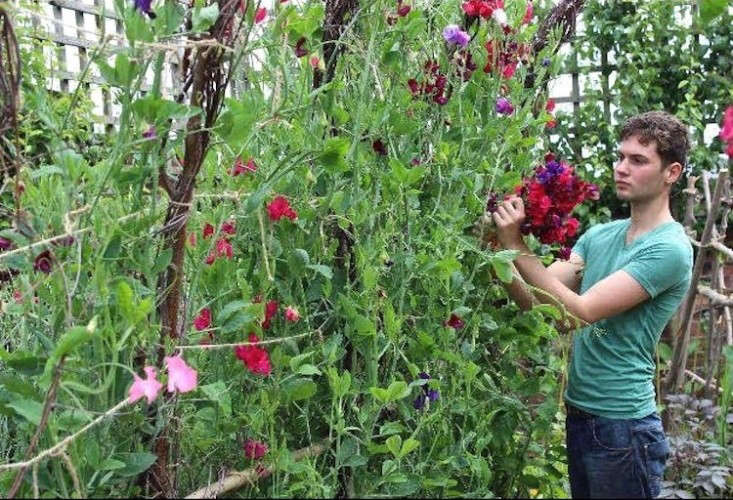
To create a garden that is both aesthetically arresting and ecologically functional, one must look beyond the standard "white and green" minimalist palette. Parkinson advocates for what he calls "Venetian" colors—deep plums, charred oranges, and velvet reds. These aren't just for show; these high-contrast, high-nectar blooms are the sirens of the pollinator world.
What are the best plants for a pollinator-friendly garden? Arthur Parkinson recommends high-nectar flowers such as foxgloves, honeywort, peonies, dahlias, and cosmos. These varieties ensure a vibrant and biodiverse ecosystem, providing a steady supply of food for bees and butterflies from spring through the first frosts of autumn.
Beyond the flowerbeds, the structural choices we make have a massive impact on local wildlife. In my experience as an energy and materials editor, I often advocate for "soft" boundaries. Data shows that replacing garden fences with native hedges—like hawthorn, beech, or privet—can increase local biodiversity by providing vital nesting habitats for up to 40% more songbird species. A hedge is a living wall; a fence is merely a barrier.
The Modern Chicken Keeper: Overcoming the Wooden Coop Crisis
For the sustainable homeowner, the choice of materials is paramount. While the rustic charm of a wooden chicken coop is undeniable, it is often a nightmare for long-term sustainability and bird health. Wood is porous, prone to rot, and, most importantly, the perfect breeding ground for red mites—microscopic parasites that can devastate a flock.
Why choose a plastic chicken coop over a wooden one? From a lifecycle and maintenance perspective, the answer is clear. Plastic coops, specifically modular systems like the Omlet Eglu, are highly recommended because they are easier to sanitize, virtually immune to red mite infestations, and offer superior insulation. Unlike wood, which can become damp and drafty, high-quality plastic coops utilize twin-wall insulation to keep birds cool in the summer and warm in the winter, reducing the metabolic stress on the birds.
Users of modular plastic coops report a 90% reduction in cleaning time compared to traditional wooden structures. When you aren't spending your Saturday afternoon scrubbing rot-prone timber, you have more time for the mindful observation that makes poultry keeping so rewarding.
Material Comparison: Wood vs. Modular Plastic
| Feature | Traditional Wooden Coop | Modular Plastic (Omlet Eglu) |
|---|---|---|
| Mite Resistance | Low (Porous wood hides mites) | 100% (Non-porous surfaces) |
| Cleaning Time | 45-60 mins (Scrubbing/Scraping) | 5-10 mins (Pressure washable) |
| Lifespan | 3-5 years (Rot/Mildew prone) | 10-15+ years (UV-stabilized) |
| Insulation | Poor (Drafty, single-walled) | Superior (Twin-wall technology) |
| Sustainability | Low (Requires regular replacement) | High (Long-term durability) |
Practical Poultry Management: Gardening with Your Flock
The greatest challenge for the mindful gardener is the "confined free-range" balance. Chickens are natural foragers, but their love for scratching can quickly turn a prized hosta bed into a dust bath. The key is managed access.
Using a "chicken tractor"—a mobile coop and run system—allows you to move your flock to different parts of the garden. This provides the birds with fresh greens and insects while they "till" and fertilize specific areas of soil in preparation for planting. It is the ultimate sustainable insect control method.
However, you must be a vigilant steward. Not all garden plants are poultry-friendly.
Safe vs. Toxic Plants for Chickens:
- Safe & Beneficial:
- Roses: Petals are a vitamin-rich treat.
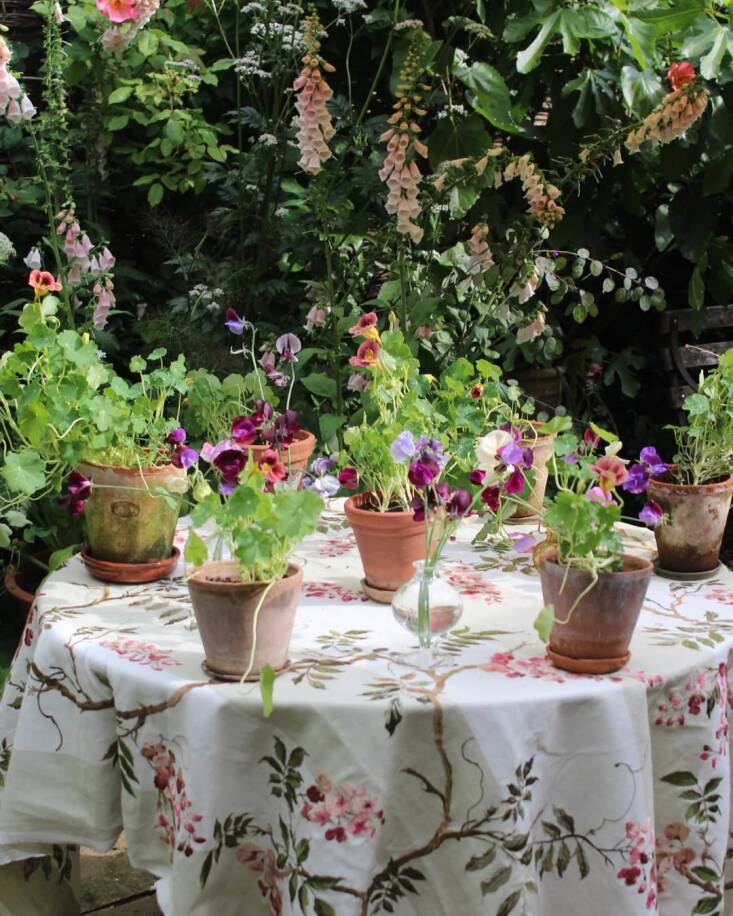
- Nasturtiums: Act as a natural dewormer and look stunning.
- Dandelions: Highly nutritious greens.
- Lavender: Calming for hens and keeps pests away from the coop.
- Toxic - Avoid Planting Near Coops:
- Nightshades: Tomato leaves, potatoes, and eggplants contain solanine.
- Rhubarb Leaves: Contain oxalic acid, which can be fatal.
- Azaleas/Rhododendrons: Can cause digestive distress or heart failure.
- Foxgloves: While great for pollinators, they are toxic if ingested by poultry.
Maintenance and Productivity: The Data Behind the Joy
Sustainability is often measured in efficiency. By integrating chickens into your garden, you are essentially installing a biological recycling unit. A small flock of three hens can divert up to 150 lbs of kitchen scraps from the landfill annually.
The maintenance routine of a mindful gardener should be effortless, not a chore. With a plastic coop system, the cleaning process is reduced to a quick spray-down, and the 100% resistance to red mite infestations ensures that your birds remain healthy without the need for harsh chemical treatments. This lack of chemicals is vital for keeping your garden soil "clean" for your dahlias and vegetables.
By closing the loop—feeding the chickens garden waste, using their manure for the soil, and reaping the harvest of eggs and flowers—you create a home that is not just energy-efficient, but life-efficient.
FAQ
1. Is it possible to keep chickens in a small urban garden? Absolutely. Sustainable urban chicken keeping is more about the quality of the space than the quantity. Using a modular, fox-proof coop like the Omlet Eglu Go allows you to keep a small flock safely in a compact yard. The key is regular rotation and ensuring the birds have enough "pecking interest" through hanging greens or treat toys.
2. How do I protect my garden from being destroyed by chickens? The "chicken tractor" method is the most effective. By confining the birds to a mobile run, you can direct their foraging to specific areas that need weeding or pest control, while keeping your sensitive flower beds off-limits. Additionally, planting chickens-friendly shrubs like buddleia provides them with shade and cover without the plants being easily destroyed.
3. Are plastic coops really better for the environment than wood? While wood is a natural material, the chemicals used to treat garden timber are often toxic, and the short lifespan of a cheap wooden coop leads to more waste. A high-quality, UV-stabilized plastic coop lasts for decades and is fully recyclable, making it a more sustainable investment for the long-term homeowner.

Conclusion
Cultivating a mindful connection through gardening and poultry is perhaps the most rewarding "sustainable home solution" I have ever explored. It moves us away from the sterile, high-maintenance lawns of the past toward a vibrant, functional ecosystem that feeds both the body and the soul.
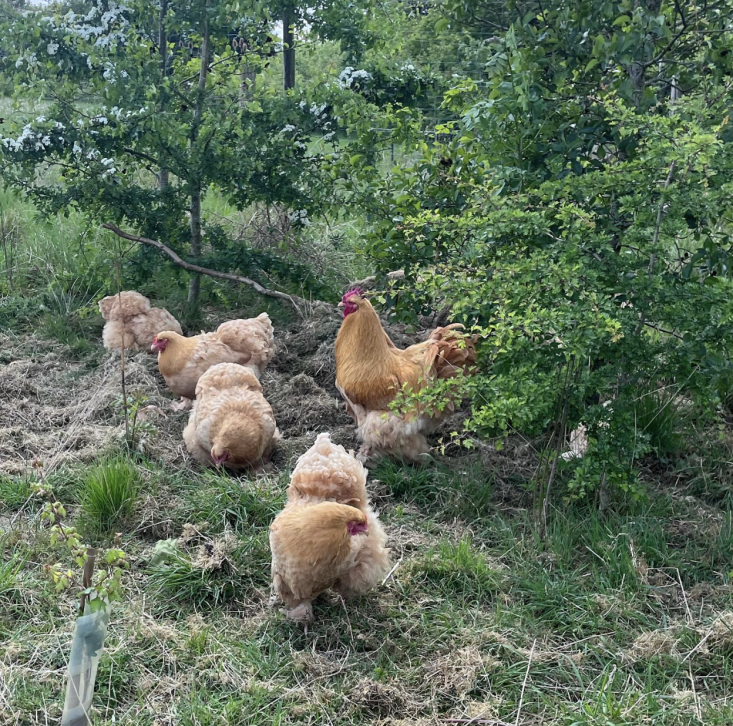
By following the wisdom of experts like Arthur Parkinson—choosing biodiversity over boredom and durable, efficient materials over fleeting trends—we can turn our backyards into sanctuaries. Whether you are planting a single dahlia or managing a flock of Buff Cochins, remember that every seed sown and every egg collected is a step toward a more grounded, eco-friendly way of life.