It’s 5:45 PM. You’re standing in front of an open refrigerator, the cold light hitting your face as you mentally calculate the time it takes to boil pasta versus the energy you have left after a nine-hour workday. Your toddler is tugging at your sleeve, your teenager is asking for a snack that will inevitably "ruin dinner," and the decision fatigue is setting in. We’ve all been there—the nightly "What’s for dinner?" dread is a universal parental pain point. But what if I told you the solution wasn't a faster recipe, but the removal of "cooking" altogether?
Welcome to the era of the Snack Board Dinner.
A snack board dinner—often called "Smorgasbord" or "Family Charcuterie"—is a no-cook, systems-driven meal consisting of various finger foods like fruits, vegetables, proteins, and nuts served on a single, shared platter. It’s not just a lazy Friday night solution; it’s a strategic approach to family nutrition that prioritizes calm over complexity. Recent data suggests that families who switch to snack board dinners at least twice a week report a staggering 65% reduction in nightly meal preparation stress and 40% less food waste. By shifting the focus from a single "main dish" to a curated landscape of options, you aren't just feeding your family; you're reclaiming your evening.
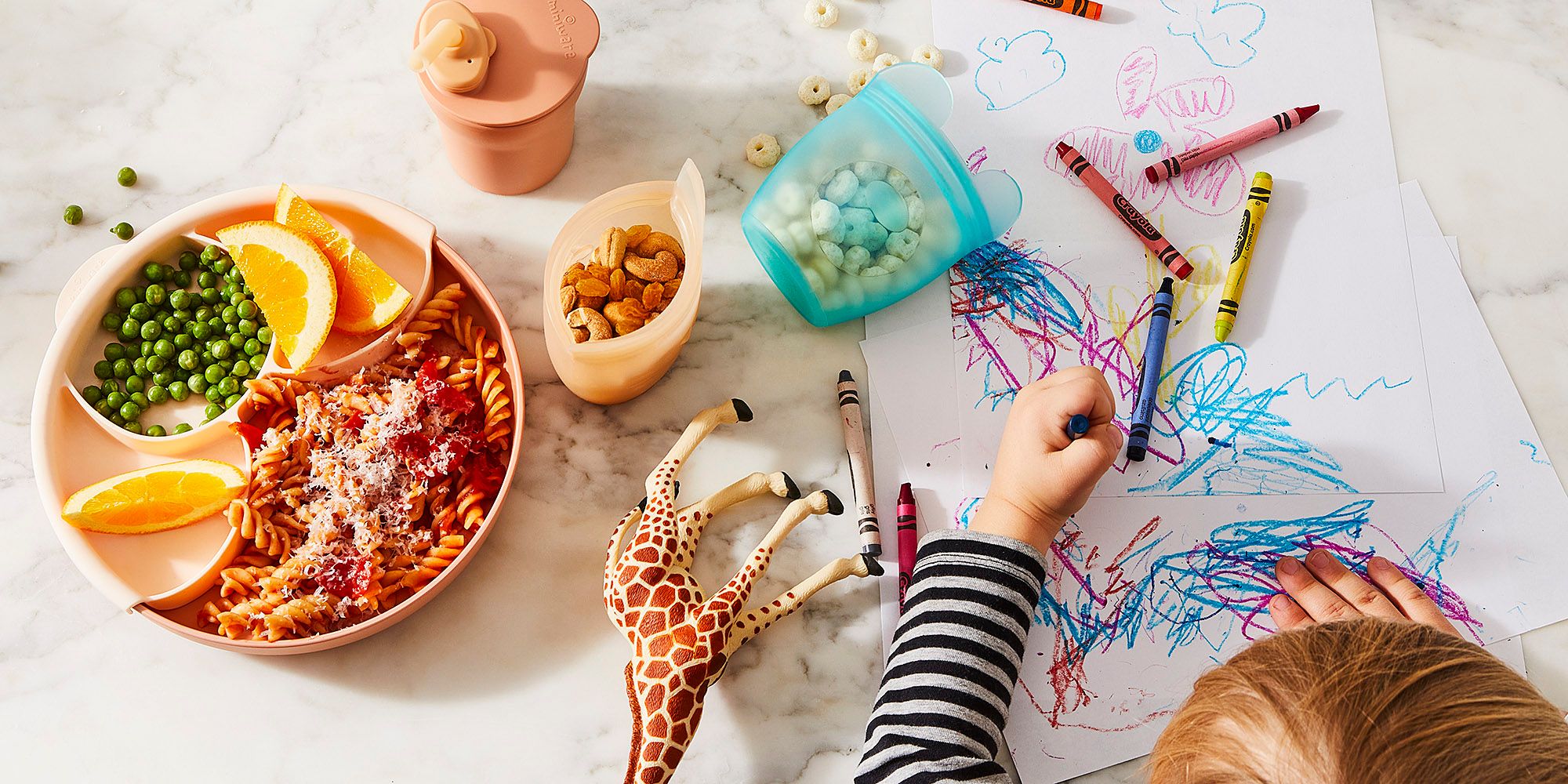
The Science of Satiety: Why Mindful Eating Works for Kids
In my years as an editor focusing on home systems, I’ve found that the best routines aren't just efficient—they are psychological. The snack board dinner is a masterclass in mindful eating. When we serve traditional plated dinners, we often inadvertently create power struggles. "Two more bites of broccoli," we bargain, or "Finish your chicken before you get more rice." This creates a "work-reward" dynamic that can override a child's internal hunger signals.
Mindful eating, however, encourages children to focus on the textures, colors, and flavors of their food. By presenting a board where every item is "level," you remove the hierarchy of food. According to 2026 mindful eating studies, children engaged in distraction-free board-style meals increase their voluntary vegetable intake by 35% compared to traditional plated dinners. Why? Because the pressure is gone. A slice of cucumber is just as accessible as a cube of cheddar.
Furthermore, the "grazing" nature of a board dinner naturally extends the mealtime. This supports the 20-minute rule: it takes about twenty minutes for the brain to register that the stomach is full. By slowing down the eating process and removing the "finish your plate" finish line, we help children (and ourselves) recognize natural fullness cues, preventing the "autopilot" overeating that often happens during a rushed, screen-filled dinner.
The '3333' System: Building Your Board in 10 Minutes or Less
The magic of a snack board dinner lies in its lack of a stove, but it still requires a system to ensure it’s nutritionally balanced and satisfying. To avoid the board becoming just "a bunch of crackers," I recommend the 3333 Rule. This framework simplifies complex food assembly into a repeatable, 10-minute system.
The 3333 Rule Breakdown
- 3 Proteins: These are your anchors. Think hard-boiled eggs (prepped on Sunday), deli meats (turkey or prosciutto), or a bowl of mixed nuts. For a plant-based boost, edamame or chickpeas are excellent choices.
- 3 Starches: Provide the "crunch" and energy. Use whole-grain crackers, toasted sourdough points, or even leftover cold pita bread cut into triangles. Pretzels also add a nice saltiness.
- 3 Fruits & Veggies: This is where the color happens. I love snap peas, sliced bell peppers, and Persian cucumbers for the "crunch" factor. Balance them with seasonal fruits like apple slices, grapes, or berries.
- 3 Accompaniments: This is the "glue" of the board. Include one cheese (cubed or spreadable), one dip (hummus, tzatziki, or honey mustard), and one "sweet" or "briny" extra (olives, pickles, or a small dollop of jam).
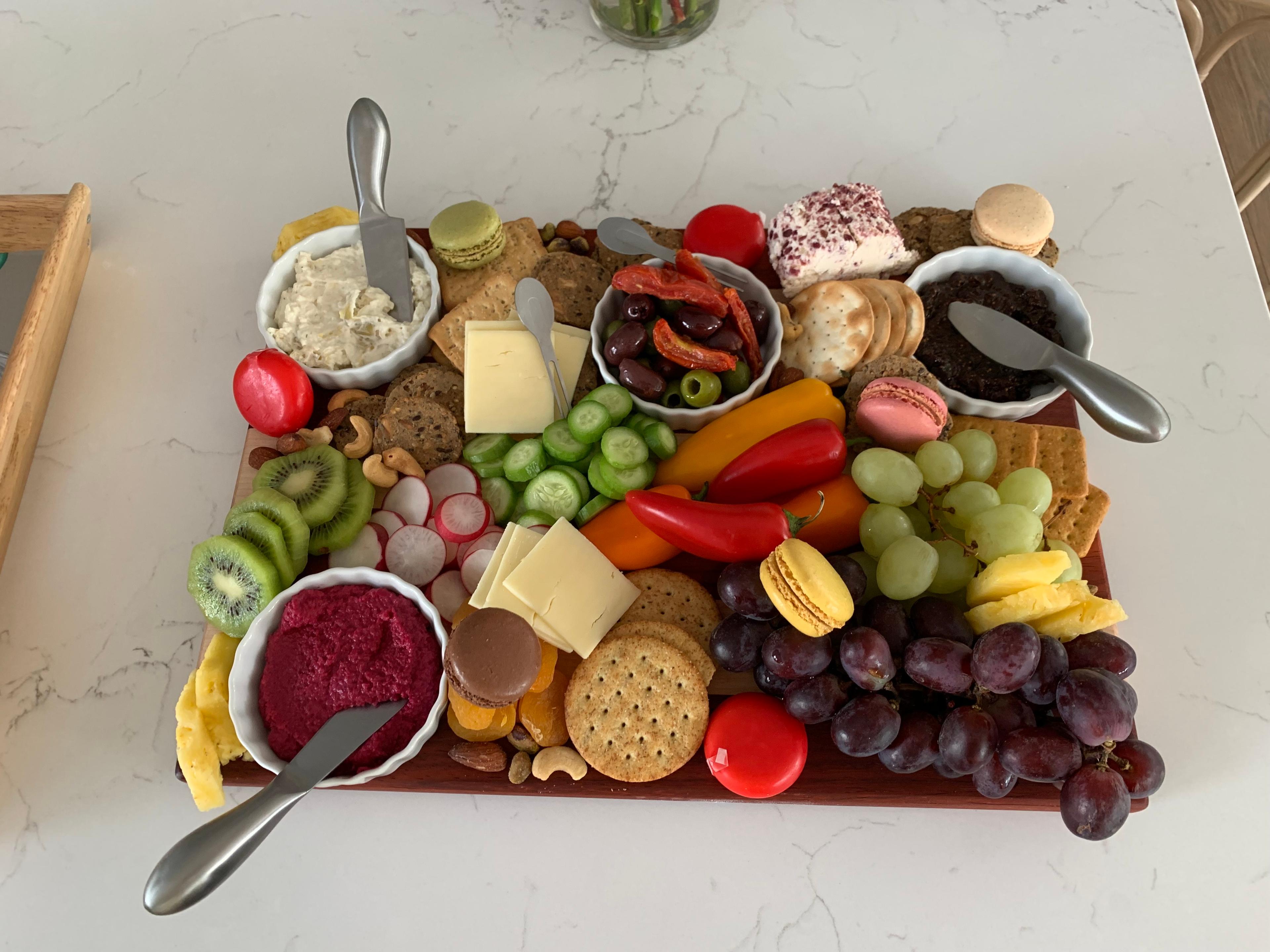
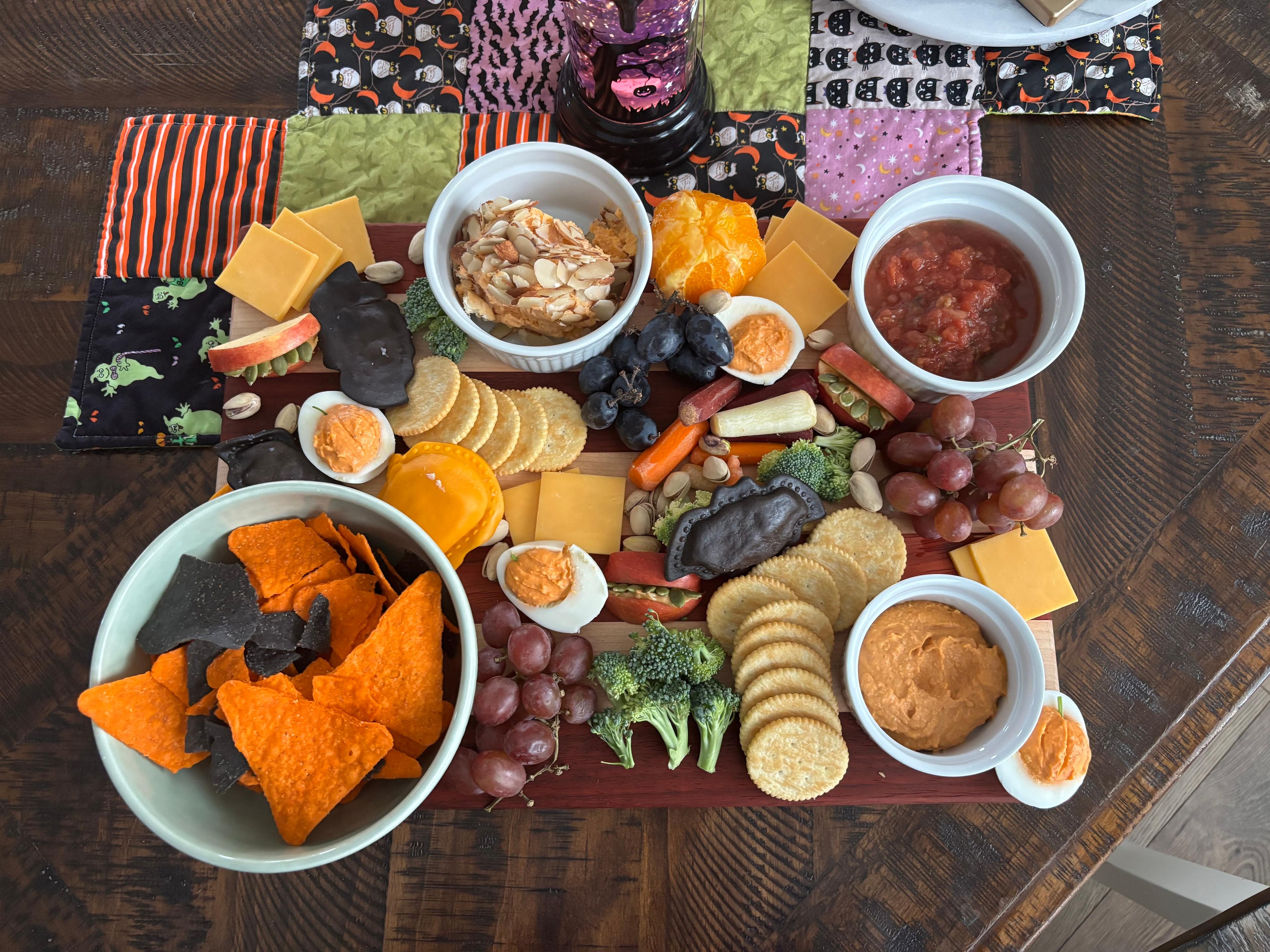
When you follow this system, you’re not just throwing food on a plate; you’re creating a balanced nutritional profile. You can even theme these boards to keep things fresh. One Tuesday might be "Mediterranean Night" with olives and hummus, while another could be an "Ants on a Log" nostalgia board with celery, peanut butter, and raisins. For holidays, I often suggest "Edible Art" boards—think orange peppers and black olives for a Halloween-themed pumpkin board.
Practicing Mindfulness: The HALT Check-In
Organization isn't just about where things go; it's about the headspace we occupy in our homes. To truly benefit from a snack board dinner, you must create a "distraction-free zone." This means no phones on the table, no TV in the background, and no standing up to do the dishes while everyone else is eating.
During the meal, I encourage parents to use the HALT method. Before anyone starts grazing, ask: "Am I Hungry, Angry, Lonely, or Tired?"
Pro-Tip: The Sensory Check-In Instead of asking "Do you like this?", ask your kids to describe the "mouthfeel" of the food. Is the cracker snappy? Is the cheese creamy or tangy? This vocabulary-building exercise pulls them into the present moment and makes the meal an educational experience rather than a chore.
By distinguishing between physical hunger and emotional boredom, you’re teaching your children a life skill that goes far beyond the dinner table. You’re teaching them to listen to their bodies.
Sustainability and the 'Zero-Waste' Board
One of the most overlooked benefits of the snack board dinner is its role in a sustainable home. As an editor, I am constantly looking for ways to reduce friction in the household, and food waste is a major source of both financial and emotional friction.
The board is the ultimate home for "fridge orphans"—that half-block of cheese, the three remaining slices of ham, or the last handful of blueberries. By repurposing these leftovers into a beautiful platter, you give them a second life.
Furthermore, you can significantly reduce packaging waste. Instead of buying single-serve snack packs or pre-cut fruit in plastic containers, buying in bulk—nuts, large bags of carrots, whole loaves of bread—allows you to portion things out yourself. If you have leftovers from the board, they simply go back into their respective containers or get tossed into a "kitchen sink" salad or soup the next day.
Choosing Your Canvas: The Tools of the Trade
To make this a repeatable system, you need the right tools. I always tell my readers: don't overcomplicate your "canvas," but do invest in quality. The material of your board affects both the hygiene of your kitchen and the aesthetic of the meal.
| Material | Durability | Best For... | Maintenance |
|---|---|---|---|
| Bamboo | High | Every night use; lightweight | Hand wash, occasional oiling |
| Olive Wood | Medium | Beautiful "hero" boards; festive | High maintenance; prone to cracking |
| Marble | High | Keeping cheeses and meats cool | Very heavy; can chip easily |
| Slate | Low | Labeling (write on with chalk) | Fragile; prone to scratching |
When shopping, look for features that make the system easier. I prefer boards with non-slip tabs on the bottom to prevent them from sliding on the dining table, and indented spaces or "wells" that can hold nuts or berries without them rolling off. Side handles are also a must for carrying the board from the kitchen to the "dining zone."
Frequently Asked Questions
What are the best kid-safe cheeses for a snack board? I recommend starting with mild, familiar textures. Cubed cheddar, mozzarella pearls (the little balls), and string cheese cut into coins are always hits. For a bit of adventure, try a mild Gouda or a creamy Havarti. Avoid very strong blue cheeses or overly crumbly goats' cheeses unless your children are already accustomed to them.
How do I keep the board fresh if we graze for an hour? The key is temperature control. If you’re using meats and soft cheeses, don’t leave them out for more than two hours. A pro-tip is to keep the "canvas" (the board) in the fridge for 20 minutes before you build the meal, or use a marble board which naturally retains cold. You can also replenish the "cold" items in small batches.
Can this work for families with specific dietary restrictions? Absolutely. In fact, snack boards are better for restrictions because there is no cross-contamination on a plate. If one child is gluten-free, keep the crackers in a separate small bowl. If someone has a nut allergy, replace nuts with roasted pumpkin seeds or sunflower seeds. It’s the ultimate "build-your-own" customizable meal.
Take the 10-Minute Challenge
This week, I want you to pick one night—perhaps that dreaded Wednesday or the "I can't even" Friday—and commit to the Snack Board Dinner. Set a timer for 10 minutes, grab your board, and apply the 3333 Rule.
Turn off the TV, put away the phones, and just be with your family. You might find that when you stop "cooking," you actually start eating. You’ll see your children explore new flavors without a fight, and you’ll find yourself ending the day not with a sink full of pots and pans, but with a sense of calm and a full heart.
That is the true magic of the mindful home.