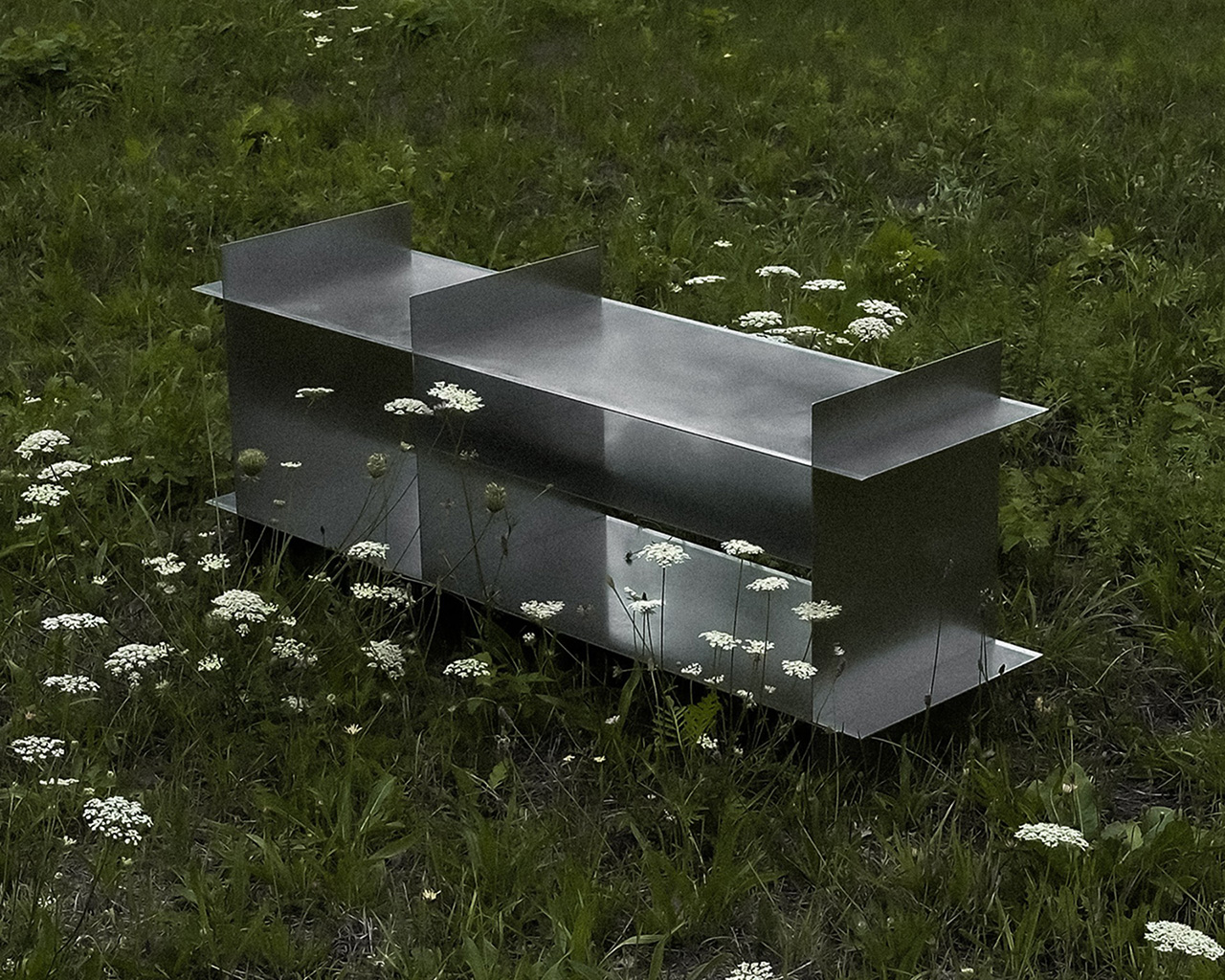
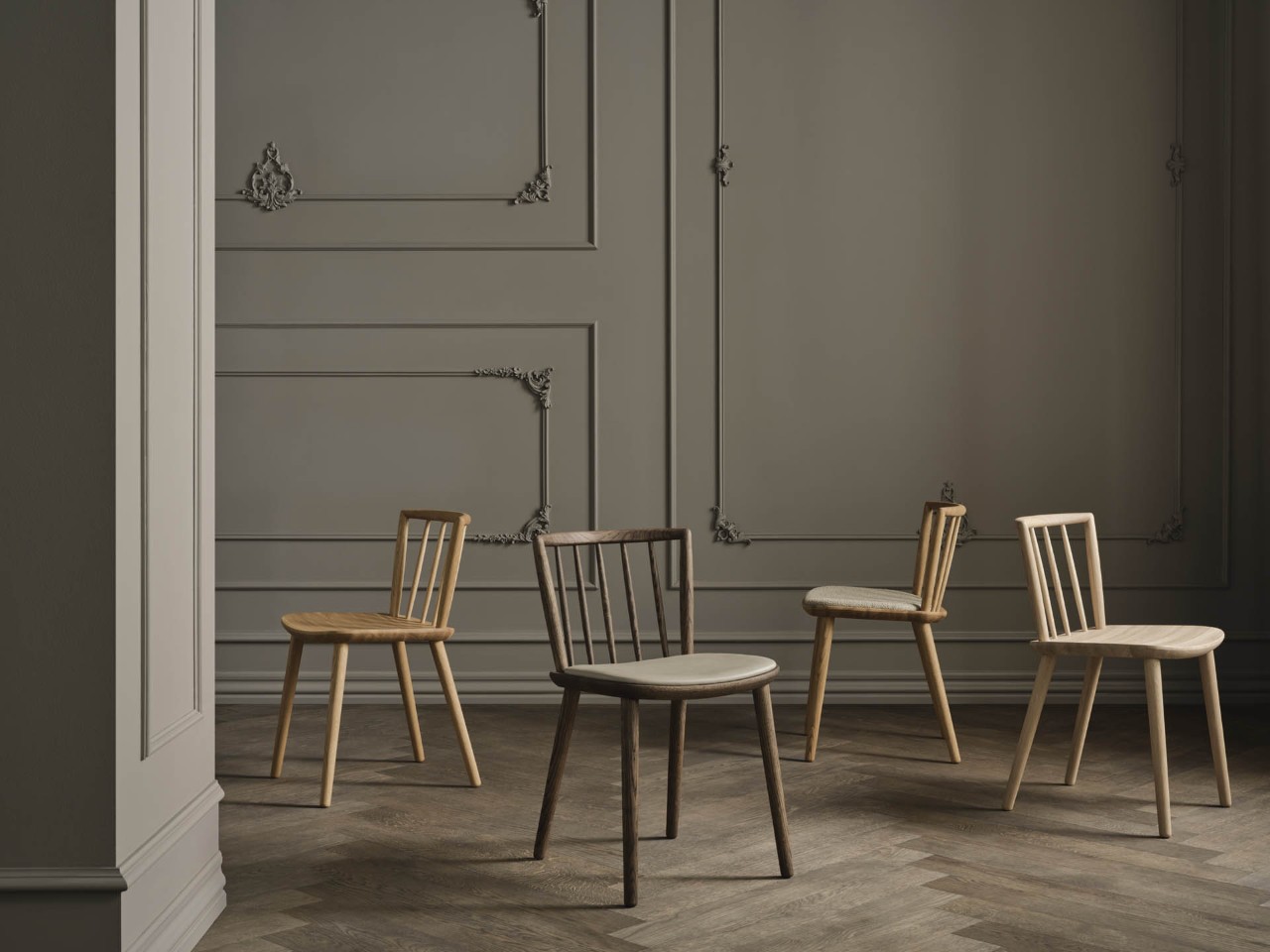
For decades, the world of high-end interior design has been defined by a reverence for the "hand-touched." We celebrated the slight wobble in a hand-thrown vase and the unique grain of artisan-carved wood. But as we move into 2026, a new paradigm is shifting the landscape of luxury: the rise of Digital Craft. Nowhere is this more evident than in the realm of designer lighting. The glow of a room is no longer just about the bulb; it’s about the vessel. 3D-printed ceramic lighting is emerging as the definitive medium for 2026, offering a level of geometric complexity and "sculptural clarity" that traditional molding techniques simply cannot replicate.
3D printing is ideal for high-end ceramic lighting because it removes the geometric constraints of traditional casting, allowing designers to create intricate, mesh-like structural patterns and textile-inspired textures in delicate materials like porcelain and stoneware. This isn't just a technological gimmick; it is a fundamental reimagining of how light interacts with earth. By merging robotic precision with the ancient alchemy of kiln-firing, the industry is birthing a "New Mid-Century" aesthetic that feels both futuristically precise and soulfully organic.
The New Frontier of Digital Craft
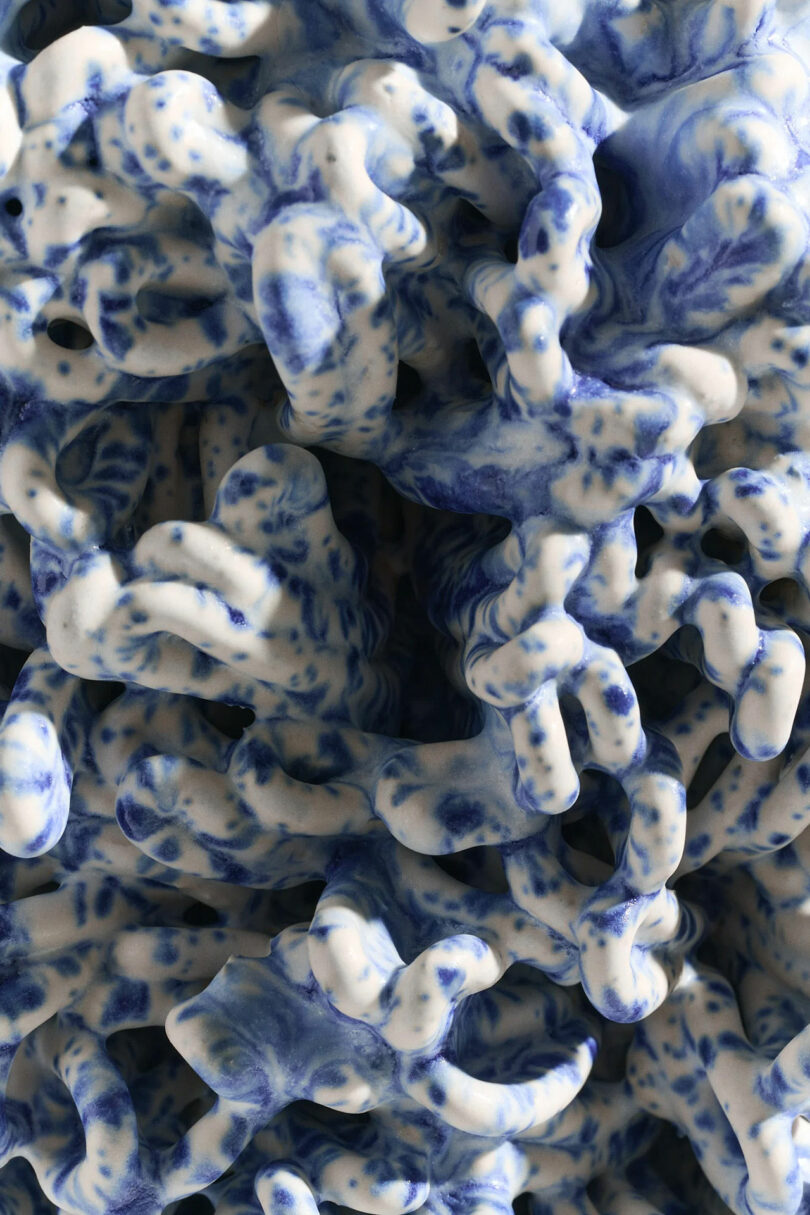
The year 2026 marks the "maturity" of additive manufacturing in the luxury sector. We are moving past the experimental phase where 3D printing looked like "plastic ribbing" and into an era where the machine is an extension of the artist's hand. In the studios of top-tier lighting designers, robotic arms are now meticulously extruding clay with a level of detail that mimics the weave of a fine fabric or the cellular structure of a sea sponge.
This evolution is driven by the mastery of Lithography-based Ceramic Manufacturing (LCM) and high-precision clay extrusion. Unlike plastic 3D printing, these ceramic luminaires undergo the same rigorous post-processing as traditional pottery—they are hand-glazed, fired at extreme temperatures in a kiln, and finished with precious metal lustres. The result is a piece that possesses the weight and heritage of fine porcelain but features geometries that would have been impossible to unmold just five years ago.
Breaking the Mold: Geometric Freedom and Aesthetic Innovation
Traditionally, ceramic lighting was limited by the "split-mold" process. If a shape was too complex, it couldn't be removed from its plaster casing without breaking. 3D printing has effectively "shattered the mold." We are now seeing amorphous forms—shapes that curve, twist, and hollow out in ways that defy gravity. These pieces don’t just sit in a room; they command it as "transcendent expressions" of light.
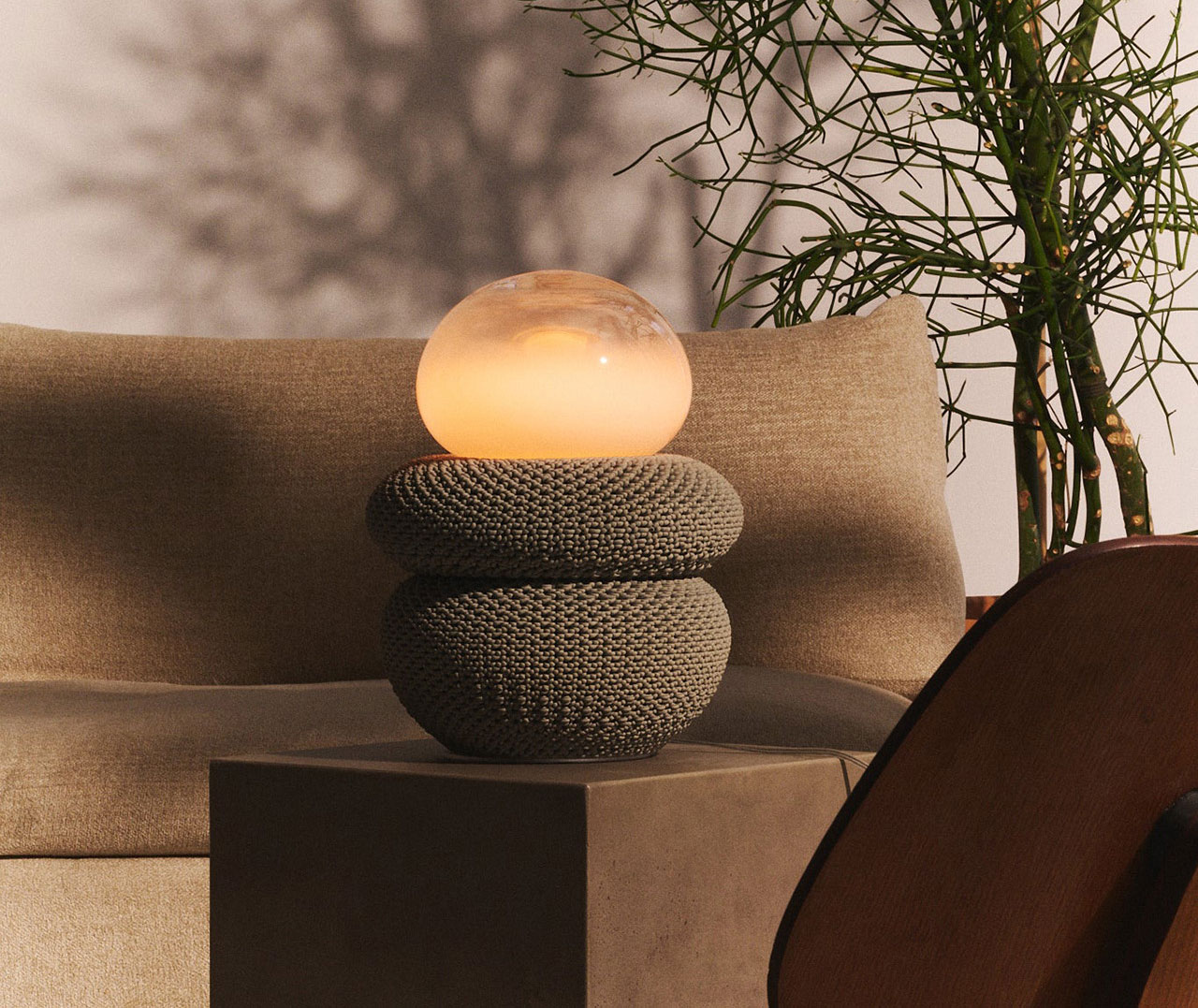
One of the most captivating trends for 2026 is the rise of textile-inspired ceramics. Imagine a table lamp that appears to be made of knitted wool, but upon closer inspection, it is actually solidified porcelain. Designers are using 3D printing to create coiled, tufted, and woven fiber motifs where the "thread" is a continuous line of liquid clay.
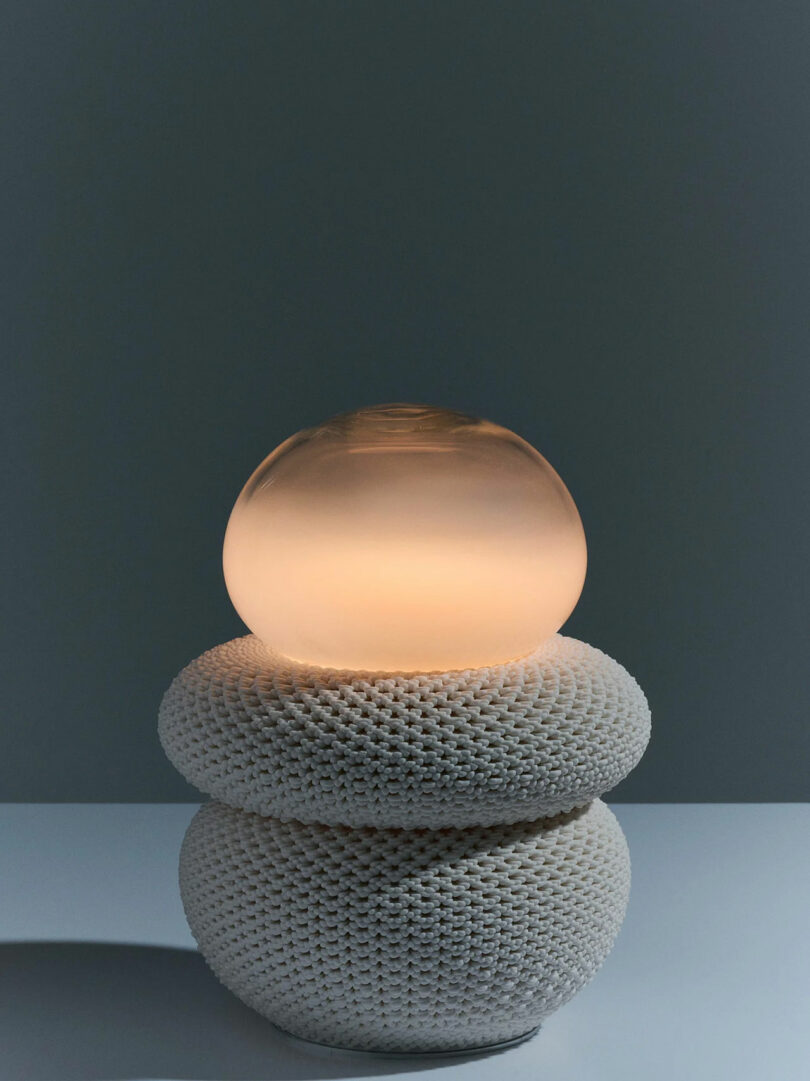
Beyond the form itself, we are seeing a fascinating "hybridization" of materials. A signature 2026 look involves anchoring hand-blown glass elements—often soft, organic orbs—within high-precision, 3D-printed ceramic structures. The contrast between the matte, architectural grit of the 3D-printed base and the ethereal, smooth glow of the glass creates a multi-material luxury feel that is deeply sophisticated.
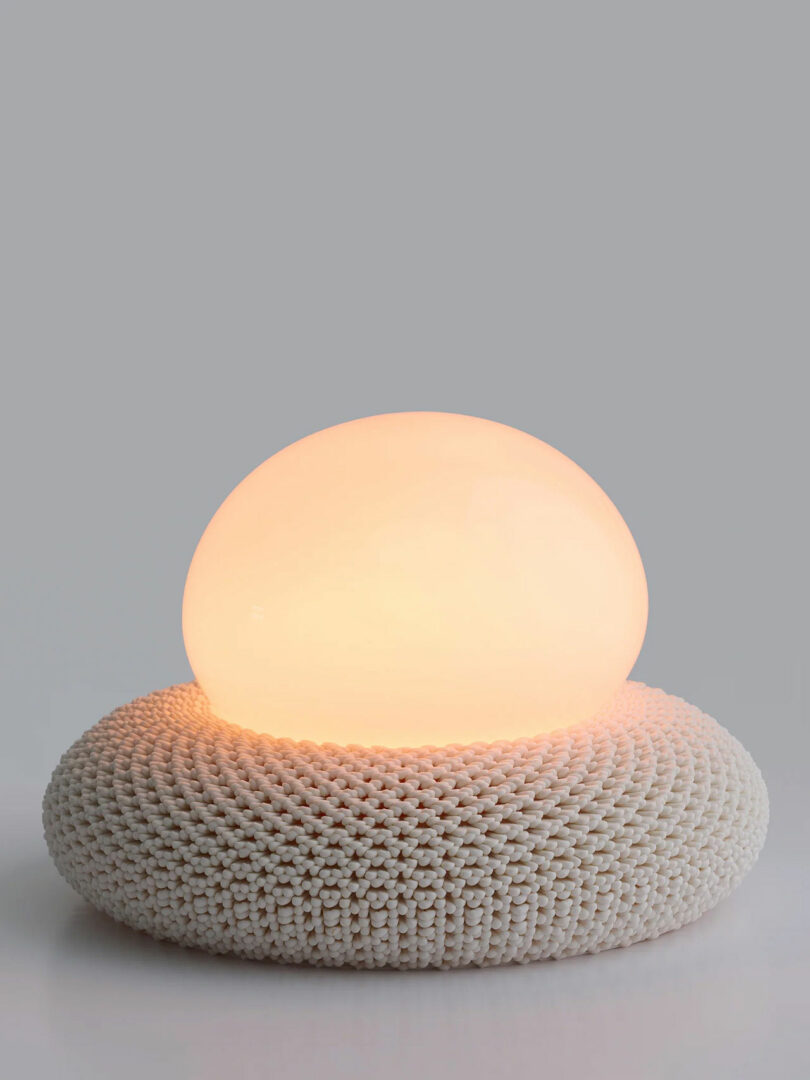
Editor's Note: When styling these pieces, treat them as the "anchor" of the room. A 3D-printed ceramic pendant light over a dining table doesn't just provide illumination; it acts as a conversation-starting sculpture that bridges the gap between technology and the home.
The Sustainability Paradigm in Luxury Manufacturing
In 2026, luxury is no longer just about aesthetics; it is about the ethics of production. 3D printing, or additive manufacturing, is inherently more sustainable than traditional subtractive or casting methods. By building the lamp layer-by-layer, manufacturers only use the exact amount of material required. There is no waste from carved-away excess or discarded plaster molds.
Sustainability in 3D-printed lighting is further achieved through the support of circular manufacturing models. High-end brands are now utilizing:
- Recycled Ceramic Powders: Reclaiming waste from traditional ceramic factories to create new 3D-printing filaments.
- Bio-based Binders: Moving away from synthetic resins in the printing process to ensure the final piece remains an organic, biodegradable material.
- On-Demand Production: Because there are no molds to store, lamps are often "printed to order," eliminating the carbon footprint associated with mass warehousing.
2026 Aesthetic Trends: Sculptural Clarity and Biophilic Design
As we look toward the interior trends of 2026, two distinct styles are dominating the 3D-printed ceramic space:
1. The New Mid-Century (NMC)
This aesthetic riffs on the clean lines and functionalism of Mid-Century Modern (MCM) design but updates it with "modern sculptural clarity." Think of the classic tapered lamp base, but reimagined with a 3D-printed honeycomb interior that allows light to leak through the ceramic "skin" in a controlled, rhythmic pattern.
2. Biophilic Fluidity
Designers are using algorithmic software to mimic the natural world. We are seeing fixtures that evoke:
- Crystalline Formations: Sharp, geometric pendants that look like they were unearthed from a cave.
- Cloud Formations: Ethereal, porous ceiling lights that diffuse light like sun through a fog.
- Botanical Skeletons: Floor lamps that resemble the intricate, vascular systems of a leaf.
By the Numbers: The Shift in High-End Production
The transition to 3D-printed ceramics isn't just an artistic choice; it’s an industrial revolution. The efficiency gains are staggering, allowing for a level of customization that was previously reserved for the ultra-wealthy.
| Feature | Traditional Ceramic Casting | 3D-Printed (Additive) Ceramics |
|---|---|---|
| Geometric Complexity | Limited by mold extraction | Virtually unlimited (internal lattices) |
| Production Lead Time | 8–12 weeks | 3–5 weeks |
| Waste Material | High (molds, trimmings) | Minimal (layer-by-layer precision) |
| Customization | Difficult/Expensive | High (digital file adjustments) |
The numbers support this shift: by 2026, the integration of hybrid manufacturing (combining 3D printing with CNC machining for final details) is projected to reduce production lead times for custom ceramic luminaires by up to 40% compared to traditional casting. Furthermore, the industrial capacity for LCM has expanded significantly; key European contract manufacturers have increased their specialized 3D printer fleets by over 250% between 2024 and 2026. This means that "bespoke" is becoming more accessible, allowing interior designers to tweak the height, texture, or pattern of a lamp to fit a specific project with the click of a button.
Choosing the Right Material: Porcelain vs. Stoneware
When selecting a 3D-printed piece for your home, the material choice dictates both the light quality and the visual "weight" of the lamp.
- 3D-Printed Porcelain: Porcelain remains the gold standard for high-end lighting due to its tensile integrity and natural translucency. When printed in thin, intricate mesh patterns, porcelain can "glow" from within, acting as a secondary diffuser. It is perfect for delicate pendants and bedside lamps where a soft, romantic light is desired.
- Precision Stoneware: Long considered "clumsy" or rustic, 3D-printed stoneware has been reinvented through precision calibration. It offers a more grounded, tectonic feel. In 2026, we see stoneware being used for large-scale floor lamps and architectural wall sconces, often finished with a "trompe-l’oeil" glaze that makes the 3D-printed layers look like naturally occurring geological strata.
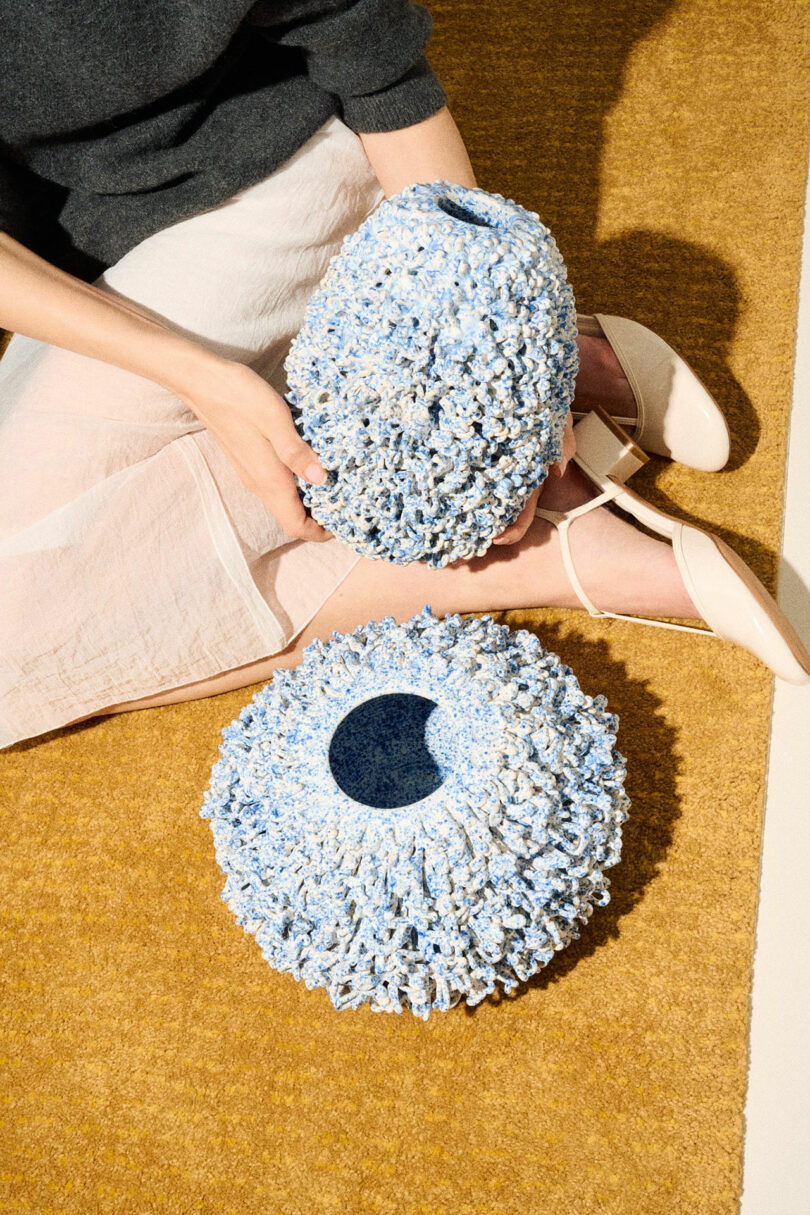
The finishing process is where the "craft" in Digital Craft really shines. Even the most advanced 3D printer leaves a subtle "DNA" on the piece—the layer lines. Rather than sanding these away, 2026 designers are embracing them, using glazes that pool in the ridges to highlight the additive nature of the object. It is a celebration of the machine's "brushstroke."
The Verdict: A Luminous Future
Is 3D-printed ceramic the future of high-end designer lighting? The answer is a resounding yes. It represents the perfect marriage of our desire for natural, tactile materials and our need for sustainable, innovative manufacturing. As these technologies become more refined, we can expect to see lighting that is more personal, more intricate, and more deeply connected to the spaces we inhabit.
FAQ
1. Are 3D-printed ceramic lamps as durable as traditional ones? Yes. Once the 3D-printed ceramic is fired in a kiln, it undergoes the same chemical transformation as hand-thrown pottery. It becomes a vitrified, durable material that is just as strong (and in some cases, due to internal lattice structures, more resilient) as traditional ceramics.
2. Can I customize the color and glaze of a 3D-printed lamp? Absolutely. One of the primary benefits of this technology is the ability to customize. Most high-end manufacturers offer a range of digital "patterns" that can then be finished with traditional glazes, from matte terracottas to high-gloss metallics.
3. Does the 3D printing process make the lighting cheaper? While the production is more efficient, the "designer" aspect and the high-end post-processing (hand-glazing, kiln-firing, electrical assembly) mean these pieces remain in the luxury price bracket. You are paying for the unique geometry and the blend of technology and artistry.