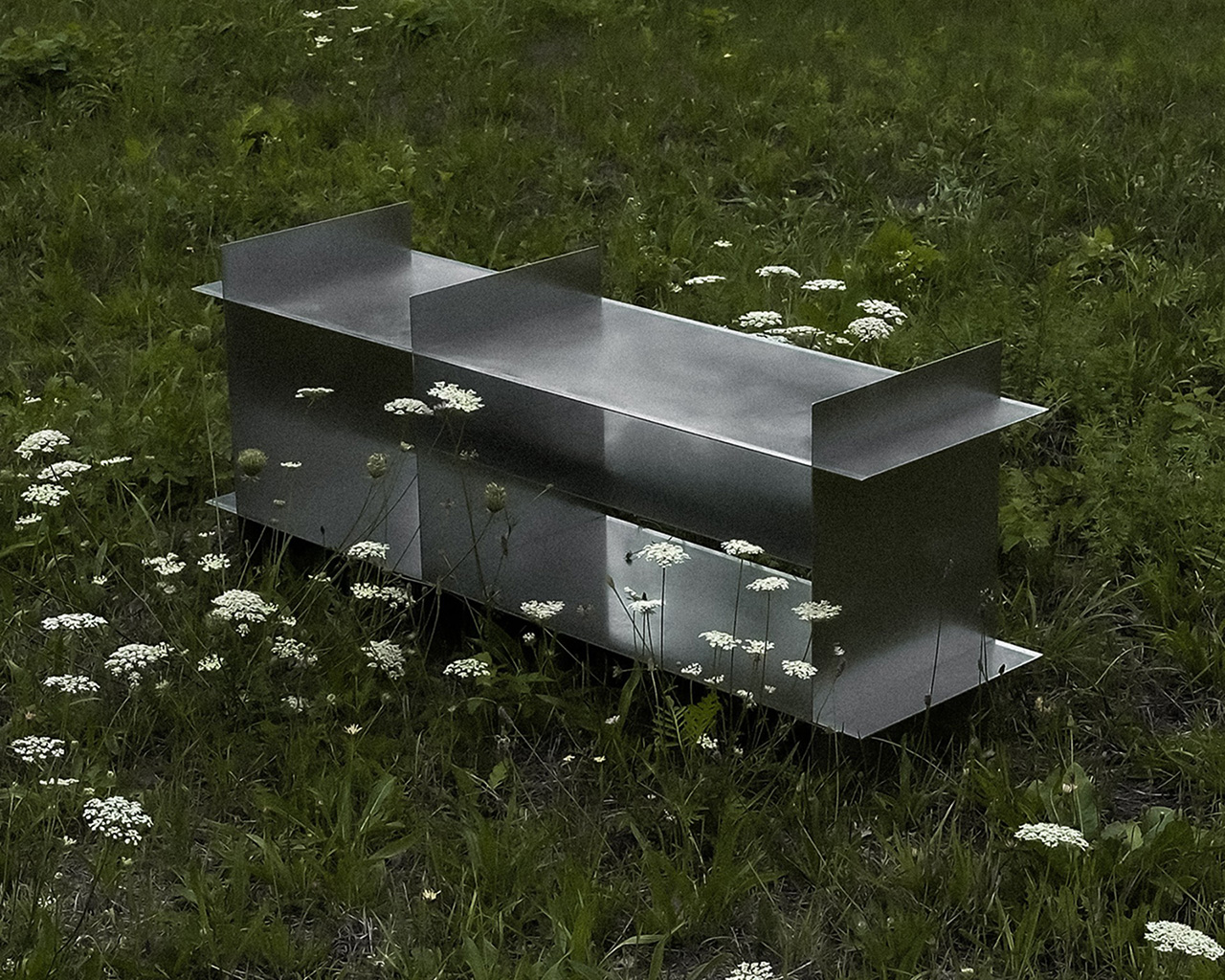
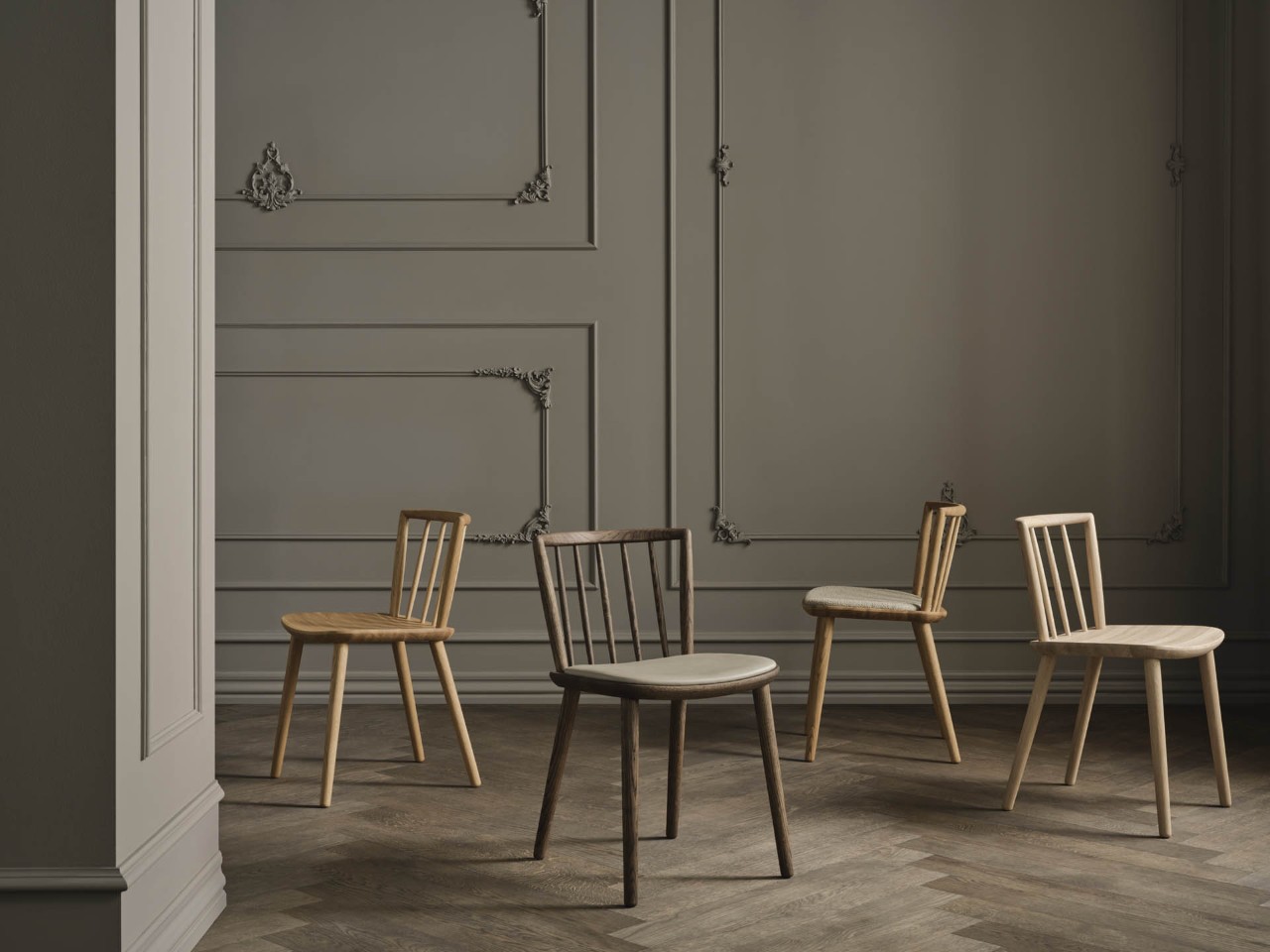
As we approach 2026, the interior design landscape is undergoing a profound structural shift. We are moving away from the flat, predictable surfaces of mid-century replicas and stepping into an era where furniture serves as both a feat of engineering and a piece of evocative sculpture. At the heart of this evolution lies the mathematical lattice—a design language that translates the complex rhythms of nature into functional, high-end furniture. This isn't just about aesthetics; it is about a new breed of "functional art" that balances the ethereal beauty of a seashell with the industrial grit of stainless steel.
The Intersection of Geometry and Living: What is a Mathematical Lattice?
In the world of high-end furniture, a mathematical lattice is far more than a simple criss-cross pattern. It refers to structural frameworks built with rigorous geometric precision, often utilizing sequences like the Fibonacci string to harmonize organic beauty with uncompromising engineering stability. This trend marks a departure from "solid" furniture, favoring instead the interplay of void and solid, where the air passing through a table base is as much a part of the design as the material itself.
By utilizing algorithms and biomorphic principles, designers are now able to create tables that appear delicate—almost skeletal—yet possess a load-bearing capacity that exceeds traditional blocky silhouettes. This mathematical approach allows for a "lightness of being" in interior spaces, where large-scale pieces no longer feel heavy or intrusive, but rather like transparent anchors in a room.
Why 2026 is the Year of Functional Art
The design industry is currently witnessing what many experts call "Refined Maximalism." According to recent market analysis, there has been an 85% increase in consumer interest for furniture that incorporates mathematical sequences. Homeowners are no longer satisfied with "fast furniture"; they are seeking pieces that offer visual symmetry and structural integrity—items that feel like they belong in a gallery but function in a family dining room.
This shift is driven by a desire for longevity. As the American Society of Interior Designers (ASID) highlights in their recent outlook, "disruption" in design is now being replaced by "permanence." Designers are turning to math to solve structural challenges, creating tables that won't warp, wobble, or age out of style. The mathematical lattice provides a solution to the "Minimalism Fatigue" that has dominated the last decade, offering a complex visual texture that remains sophisticated and orderly.
Trend Snapshot: 2026 Forecast
- 85% increase in consumer searches for "geometry-based structural furniture."
- 40% market share projected for biomorphic lattice structures in the luxury outdoor-indoor hybrid segment.
- Key Driver: The transition from purely decorative items to "Investment Art" that serves a daily purpose.
Case Study: The Ross Didier Nautiloid Influence
One cannot discuss the rise of mathematical lattices without mentioning the "Nautiloid" collection by renowned Australian designer Ross Didier. This collection serves as a primary catalyst for the 2026 designer table trend, drawing inspiration from the ancient seashell spirals and the mathematical concept of phyllotaxis—the arrangement of leaves on a plant stem.
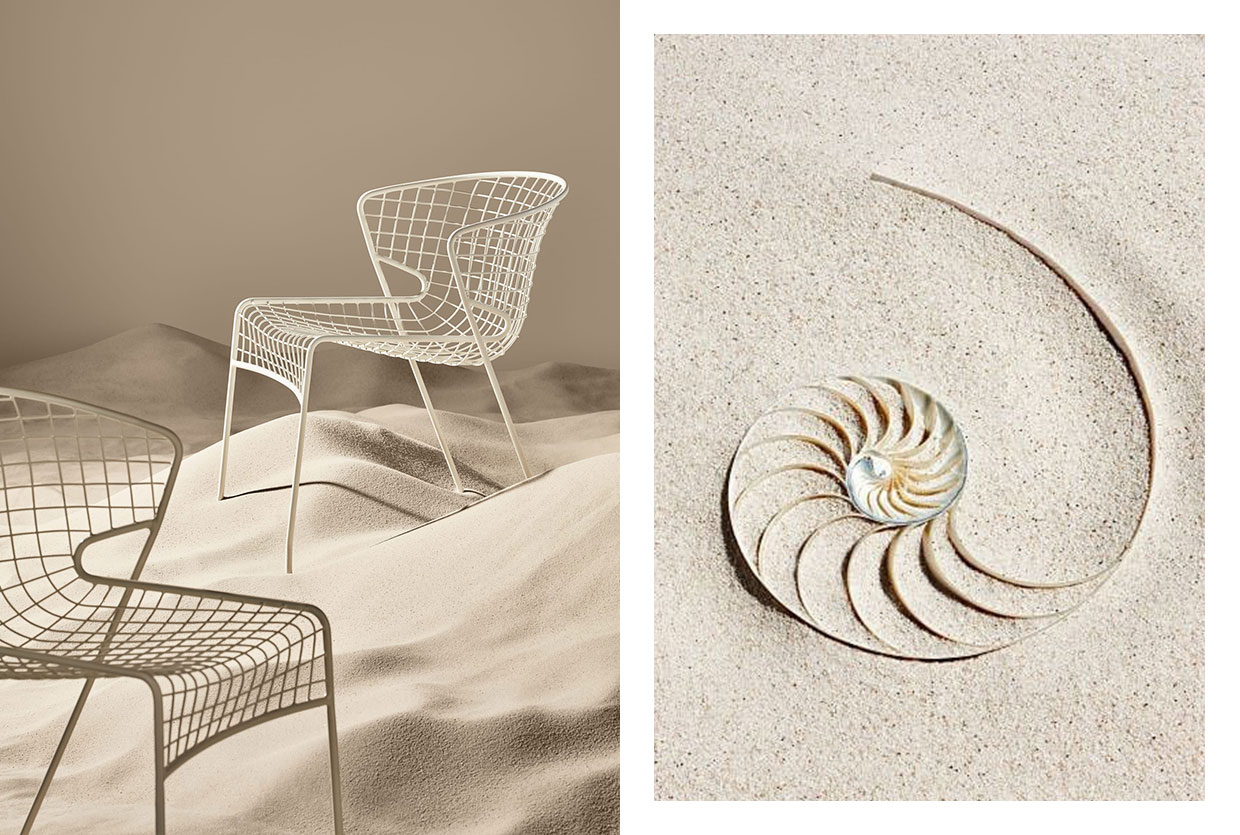
Didier’s work perfectly captures the tension between discipline and expression. He famously compares his design process to a balance of two disparate worlds:
"Design is like Shaolin Kung Fu—highly disciplined, graceful, and deeply calculated—while the raw art of it is the bare-knuckle fight for structural truth and emotional resonance."
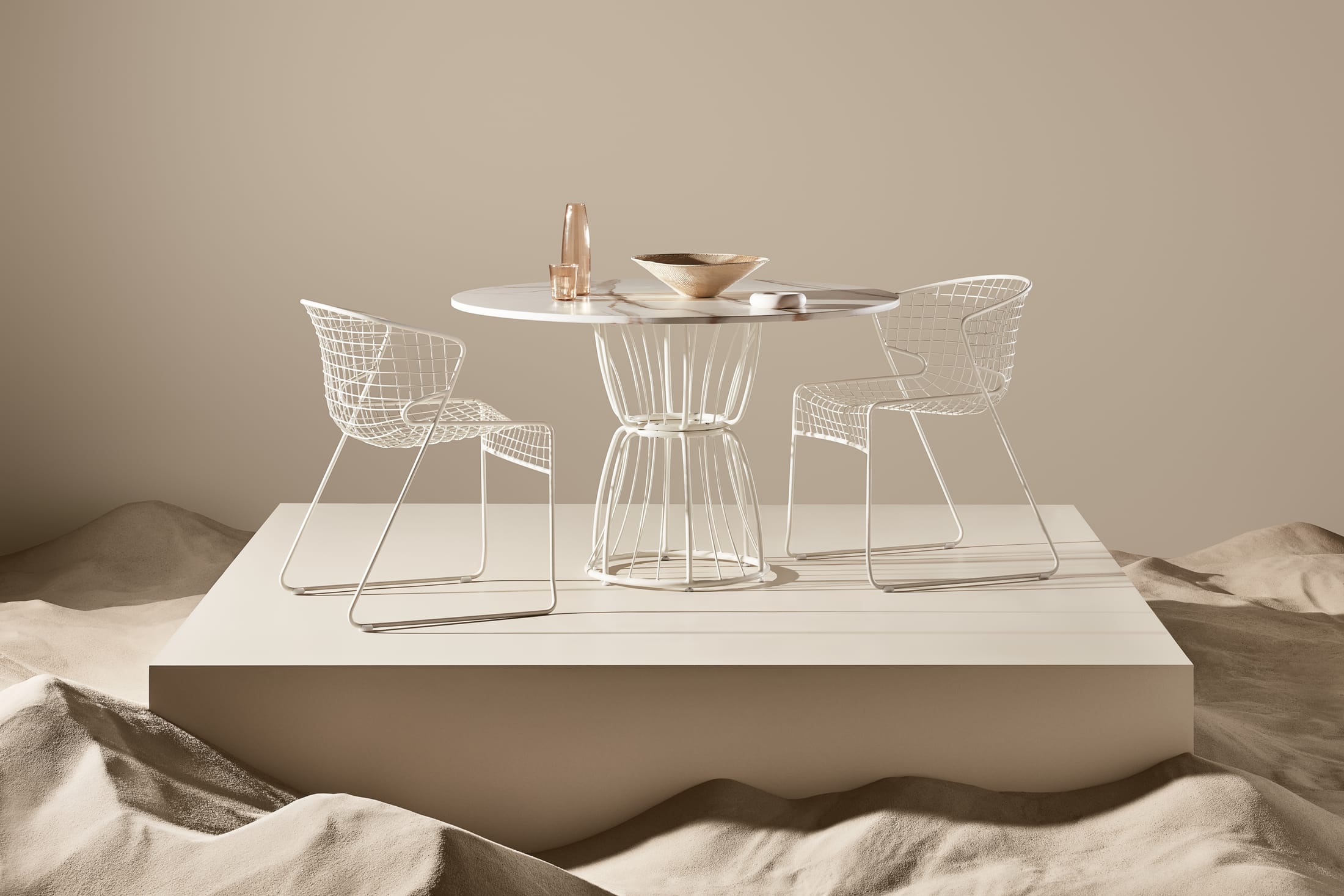
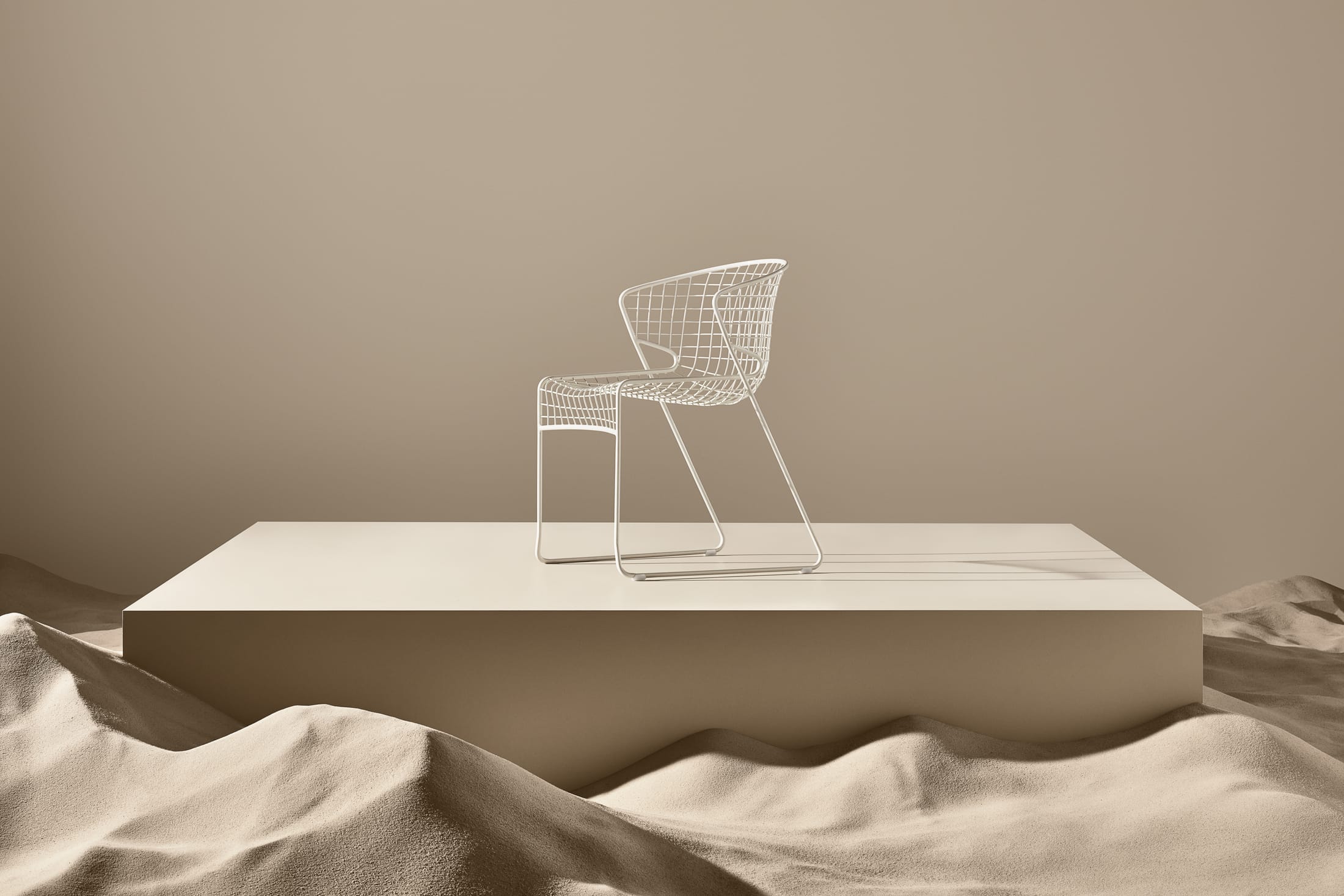
The result is a collection of tables that look as though they have grown organically from the ground. By using stainless steel rod framing and high-performance porcelain tops, Didier has created a blueprint for the 2026 aesthetic: furniture that is rugged enough for a coastal terrace but refined enough for a penthouse dining hall.

Key Characteristics of Biomorphic Designer Tables
The trend toward mathematical lattice tables is more than a fleeting "look." It is driven by a desire for 'functional art' that connects ancient natural wisdom with contemporary, durable materials. If you are looking to invest in this trend for 2026, these are the hallmarks to look for:
- Mathematical Sequences: Look for bases that follow the Fibonacci sequence. This ensures that the proportions feel "correct" to the human eye, mimicking the growth patterns found in sunflowers, pinecones, and galaxies.
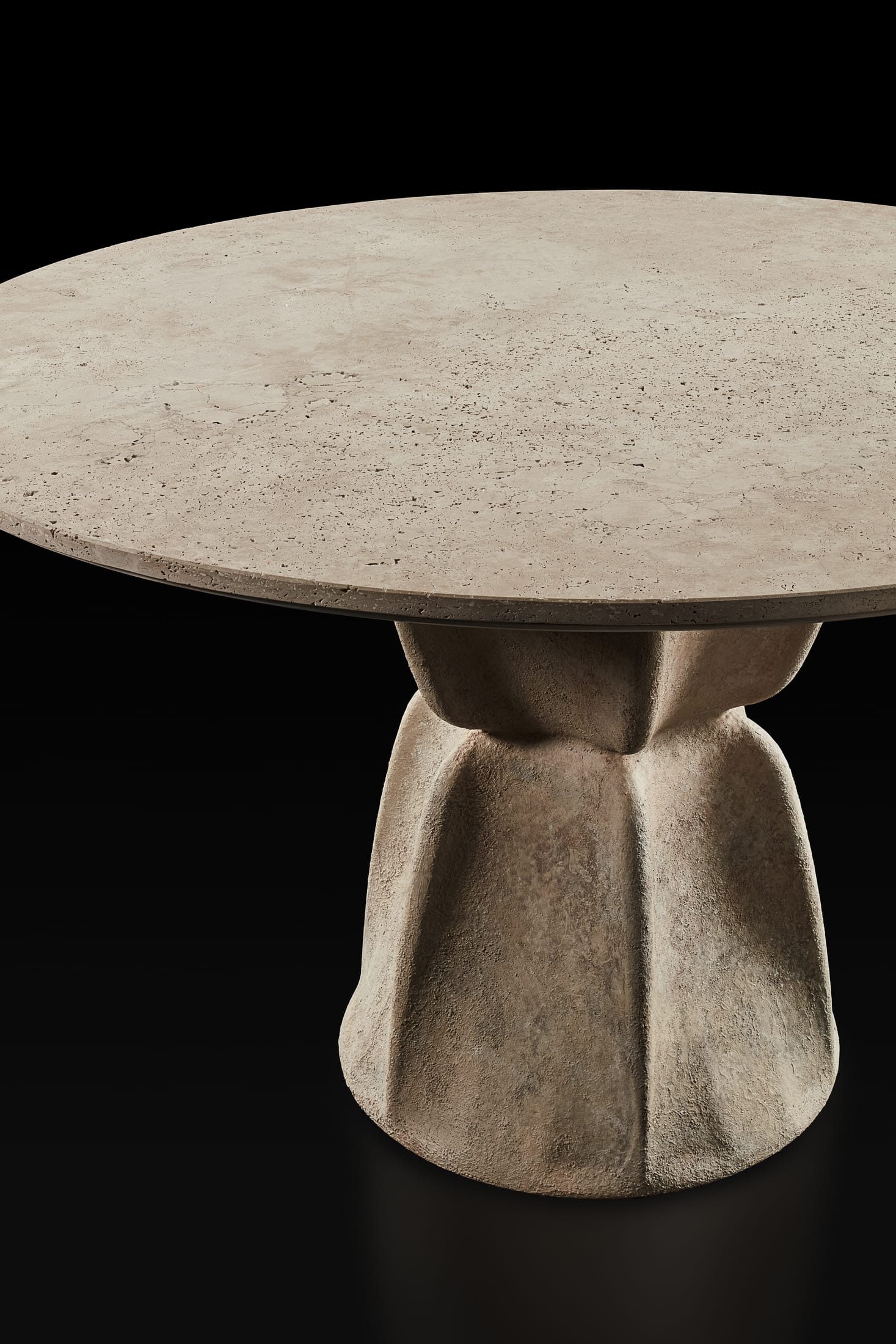
- Material Fusion: The 2026 aesthetic focuses on the marriage of stainless steel (for the lattice) and porcelain or "stratigraphy" stone tops. These materials offer a non-porous, incredibly durable surface that complements the intricate metalwork below.
- Indoor/Outdoor Hybridity: A key feature of biomorphic design is versatility. Because these lattices are often made of powder-coated steel or stainless steel, they transition seamlessly from a formal dining room to an outdoor garden setting.
- Scale and Stackability: For commercial or flexible residential use, the next generation of lattice tables will emphasize stackability. Engineering a complex geometric base that can also nest or stack is the ultimate sign of a high-end designer piece.
The 2026 Market Projection: Luxury and Longevity
Market projections for 2026 suggest that biomorphic lattice structures will account for 40% of the luxury outdoor-indoor hybrid furniture segment. This growth is fueled by a demographic shift toward "aging in place" and "conscious consumption." High-end buyers are moving away from trend-heavy pieces in favor of items that promise longevity through superior engineering.
A mathematical lattice isn't just a design choice; it’s a structural promise. Because the weight is distributed across a complex web of points rather than four simple legs, these tables offer unparalleled stability. As we see more homes embracing the "Indoor-Outdoor" lifestyle, these weather-resistant, architecturally significant pieces are becoming the go-to investment for designers globally.
How to Style Mathematical Lattice Tables in Modern Interiors
Integrating a piece of "mathematical art" into your home requires a thoughtful approach to balance. Because the lattice is visually complex, the surrounding elements should provide a sense of "grounding."
Contemporary Traditional
Pair a complex lattice table with clean, neutral silhouettes. If your table base is a masterpiece of stainless steel geometry, choose dining chairs with soft, upholstered curves in linen or wool. This creates a "Contemporary Traditional" look that feels curated rather than cluttered.
The Earthy Palette
To ground the "high-tech" feel of mathematical sequences, use a color palette inspired by the mineral world. Think soft clays, mineral greens, and creamy whites. These tones highlight the biomorphic origin of the design, making the table feel like a natural extension of the landscape.
Lighting the Lattice
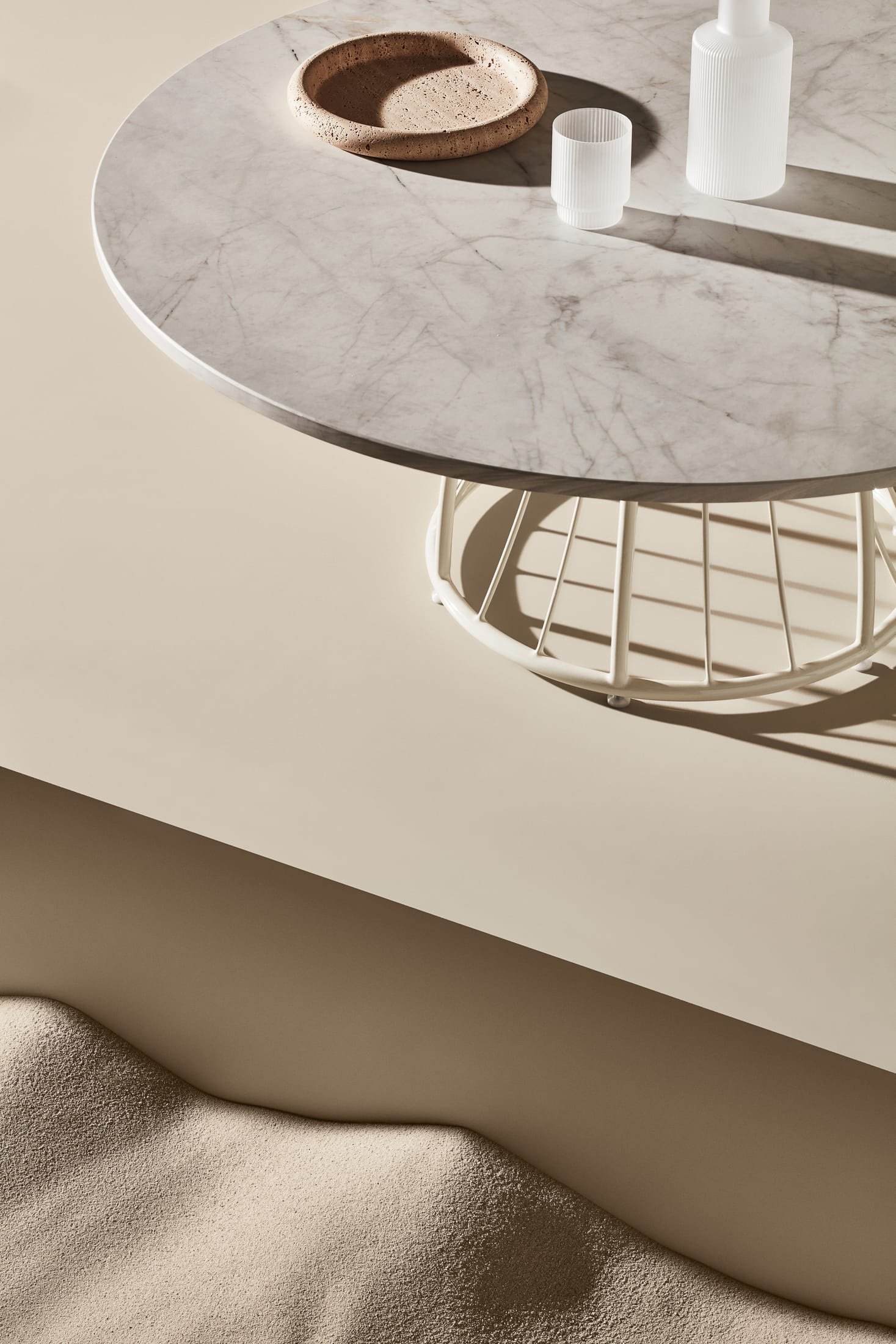
One of the most overlooked benefits of lattice furniture is the shadow play. When placed under a direct light source or near a large window, the geometric base casts dramatic patterns across the floor. This "secondary design" transforms the room as the sun moves, emphasizing the mathematical precision of the piece.
FAQ
Are mathematical lattice tables difficult to clean?
While the bases look complex, most high-end designer tables (like those in the Nautiloid collection) use powder-coated stainless steel or polished finishes that can be easily dusted or hosed down if used outdoors. The porcelain tops are non-porous and highly resistant to staining.
Why is the Fibonacci sequence used in furniture?
The Fibonacci sequence (where each number is the sum of the two preceding ones) creates a "Golden Ratio" that the human brain perceives as inherently beautiful and balanced. In furniture, it ensures that the structural lattice looks natural and harmonious rather than chaotic.
Can these tables support heavy weight?
Yes. In fact, mathematical lattices are often stronger than solid bases. The geometric network distributes weight more efficiently across multiple points, making them ideal for heavy stone or porcelain tops.
Conclusion
As we look toward 2026, the home is becoming a sanctuary of both logic and beauty. The rise of the mathematical lattice in designer tables is a testament to our desire for furniture that does more than just fill a room—it tells a story of natural wisdom and human ingenuity. Whether you are an interior designer or a homeowner looking for that one "forever piece," these biomorphic structures offer a unique blend of gallery-level aesthetics and the rugged durability required for modern living.
Investing in a mathematical lattice table isn't just following a trend; it's a commitment to a new era of design where art and engineering are finally, beautifully, inseparable.