Quick Facts
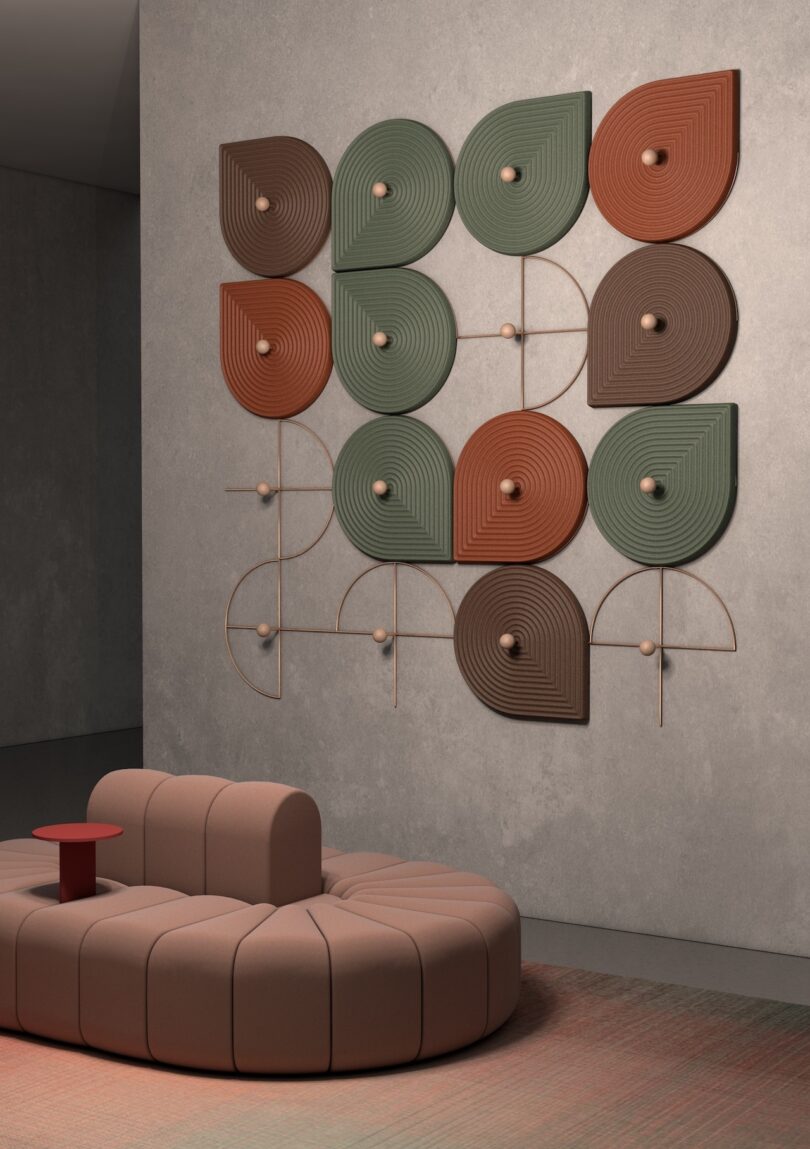
- The Decofunc System: A revolutionary modular wall system by Blå Station built on a rotatable steel frame, allowing for endless geometric configurations using recycled felt and wooden add-ons.
- 2026 Trend Shift: "Quiet Luxury" and "Systemic Design" now dominate, with 85% of commercial projects prioritizing flexible, adaptable furniture over static installations.
- The Villhem Chair: Designed to bridge the gap between home and office, featuring a reclining wooden shell and customizable padding for ultimate ergonomic comfort.
- Multifunctional Growth: There is a documented 40% increase in demand for seating systems that integrate functional surfaces like tables and charging stations.
As we look toward the interior landscapes of 2026, we are witnessing what I like to call "The Great Recalibration." The rigid boundaries that once separated our professional environments from our private sanctuaries have not just blurred—they have dissolved entirely. We no longer seek mere furniture; we seek "Systemic Design"—living, breathing ecosystems that adapt to our moods, our tasks, and our spatial constraints. At the forefront of this evolution is Blå Station, a brand that has mastered the art of modularity not as a gimmick, but as a fundamental design philosophy. Their Decofunc system and the Villhem chair represent the pinnacle of this movement: furniture that feels as curated as a gallery but works as hard as a high-tech laboratory.
1. 2026 Interior Design Trends: Beyond Aesthetics
The design world is currently moving away from "flat minimalism." While the clean lines of the past decade provided a visual palette cleanser, they often lacked the tactile warmth required for long-term well-being. In 2026, we are embracing "Emotional Functionality." This trend prioritizes comfort-first silhouettes and layouts that can be reconfigured on a whim.
Recent designer surveys suggest that a staggering 85% of upcoming commercial projects prioritize 'Systemic Design' over standalone pieces. Why? Because a static office is a dead office. Flexibility is the only way to ensure long-term sustainability and spatial relevance. We are seeing a transition toward layered, texture-driven surfaces—think hot-molded recycled felt, natural oak, and "Cloud Dancer" neutrals—that provide both visual depth and acoustic dampening. This isn't just about looking good; it's about creating environments that support the human nervous system.
Ivy’s Style Tip: When planning a 2026 layout, think in "zones" rather than "rooms." Use modular systems to create soft boundaries that can expand or contract based on the day's needs.
2. Decofunc: Turning Wall Structure into Interactive Play
If the floor is the stage, the walls are the backdrop of our lives. Blå Station’s Decofunc system redefines the wall as an active participant in the room’s layout. Traditionally, wall decor was an afterthought—a painting here, a shelf there. Decofunc turns the very structure of the wall into a customizable playground.
The brilliance of Decofunc lies in its engineering. It is built on a modular steel frame that can be rotated in four directions. This simple mechanical freedom allows architects and designers to create complex geometric compositions that feel like bespoke architectural installations.
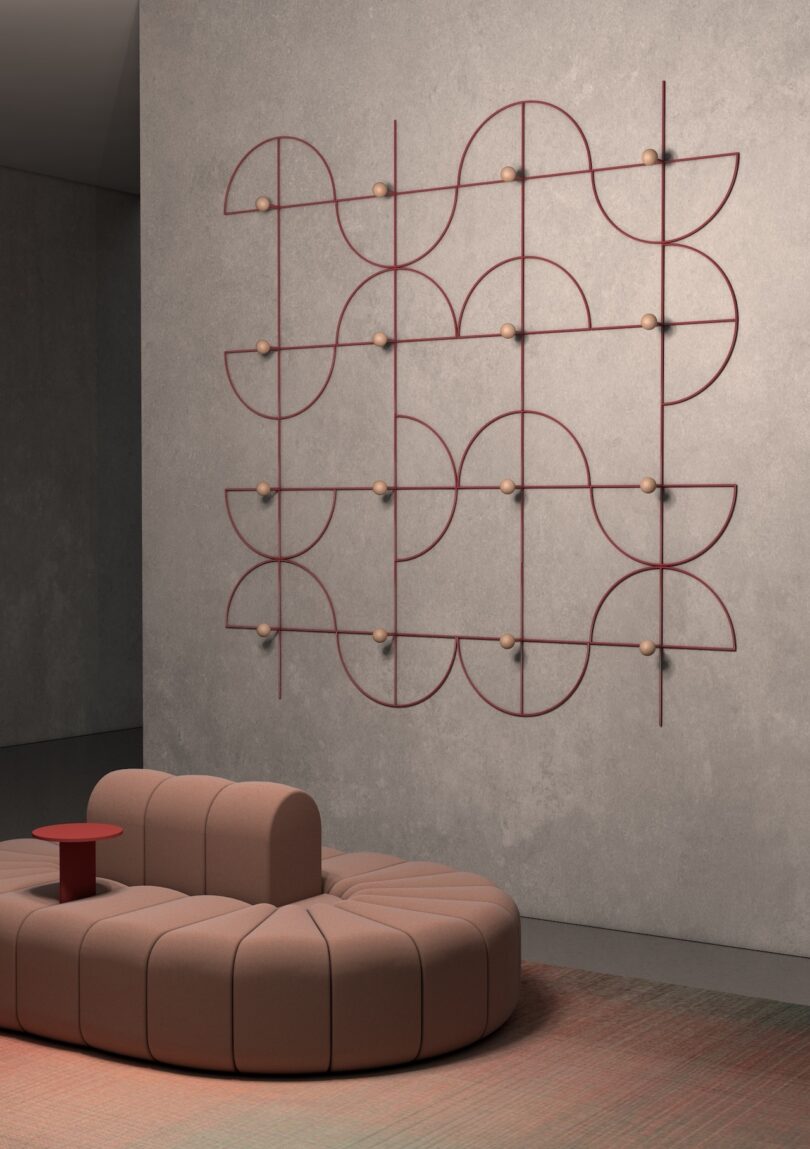
The Functional Anatomy of Decofunc
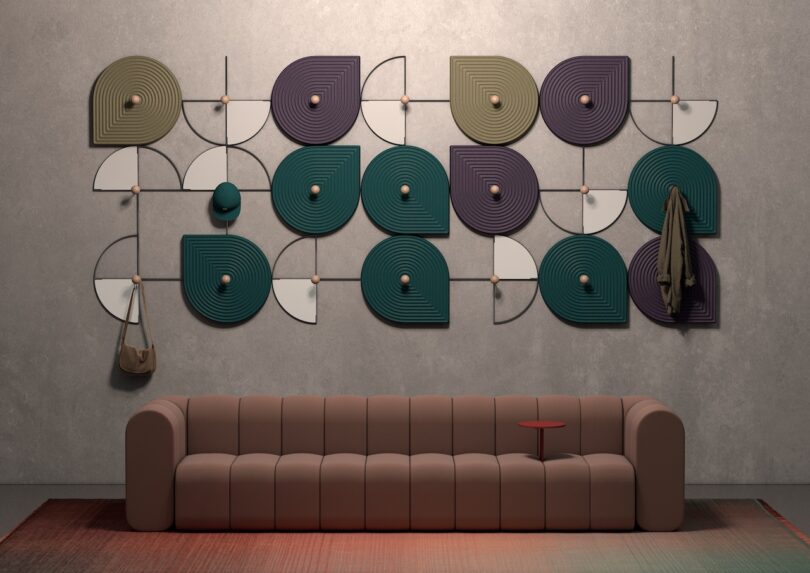
To truly master your layout, you must understand the "add-on" philosophy of this system. It is not just a visual treatment; it is a tool for organization and acoustic management:
- Hot-Molded Recycled Felt: These panels provide exceptional acoustic absorption, making them essential for open-plan living or busy offices.
- Wooden Knobs: These serve as tactile hanging points for coats, bags, or even lighting fixtures, merging storage with style.
- Wood & Steel Inserts: These allow you to play with materiality, mixing the industrial chill of steel with the organic warmth of timber.
3. The Villhem Chair: Bringing 'Homey Comfort' to the Workspace
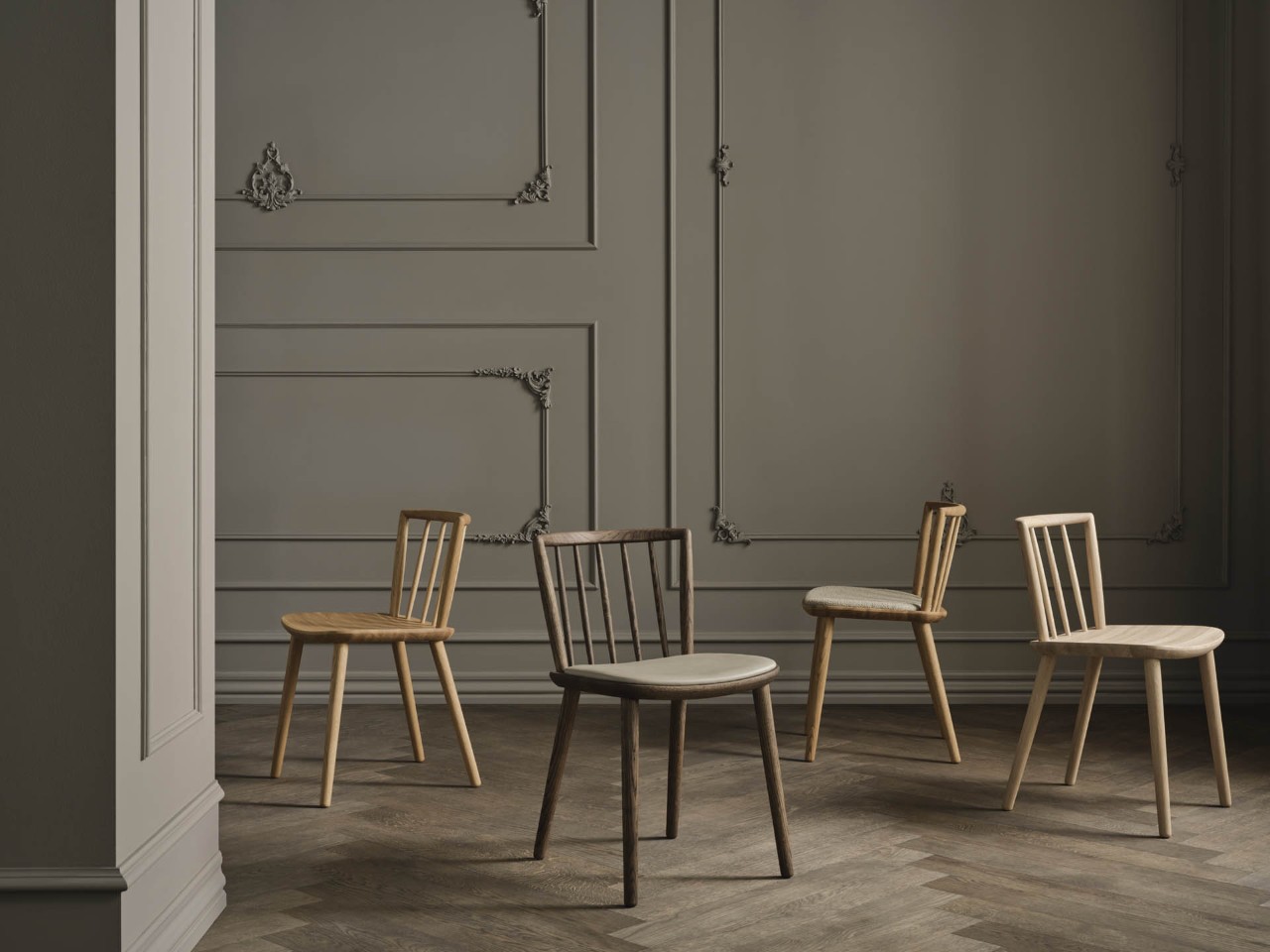
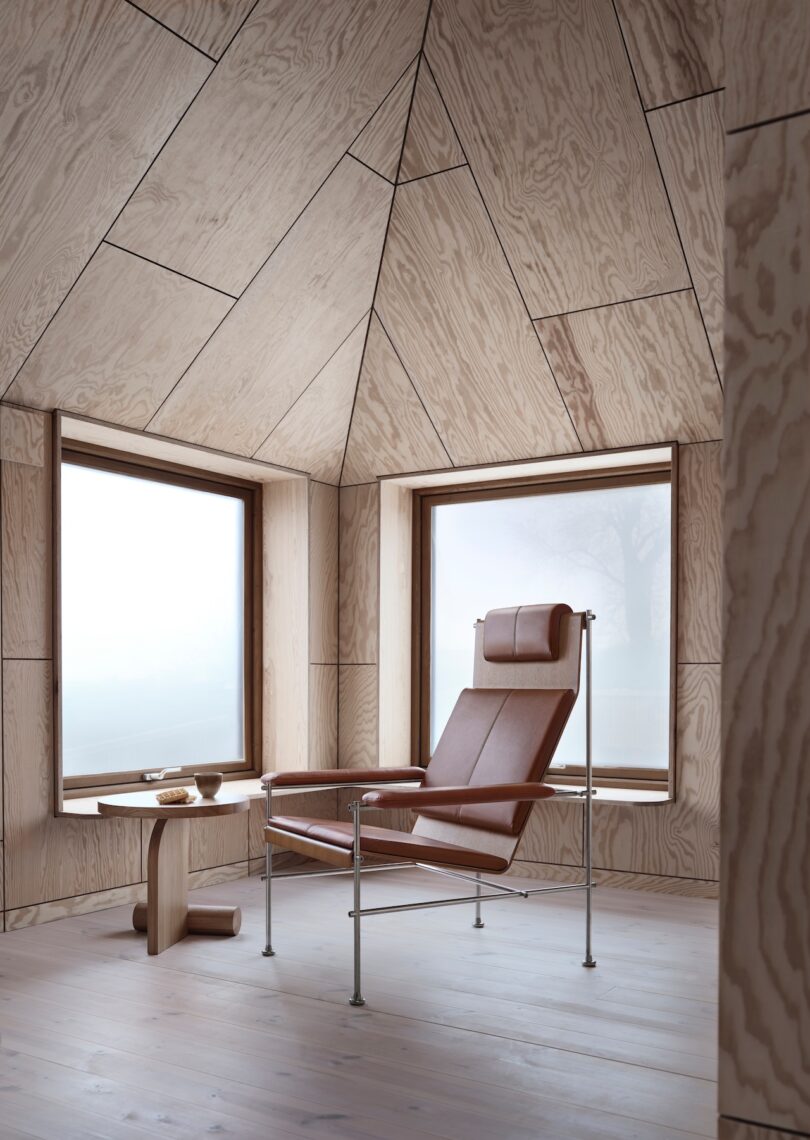
While the Decofunc system handles the verticality of a space, the Villhem chair masters the human interaction. Designed with the sentiment "I want to go home!" in mind, Villhem is the antithesis of the sterile, plastic office chair. It is a piece of furniture that invites you to stay, linger, and focus.
The chair features a compression-molded wooden shell that provides a sturdy yet flexible skeleton. Unlike rigid task chairs, Villhem incorporates a gently reclining seat. This subtle movement is crucial for posture ease during long creative sessions, allowing the body to micro-adjust naturally.
Personalization & Materiality
One of the reasons we frequently recommend the Villhem for high-end residential and executive offices is its sheer level of customization. You aren't just buying a chair; you are tailoring a seat to your specific ergonomic and aesthetic needs.
| Feature | Customization Options |
|---|---|
| Padding | Fully separable padding for the seat, backrest, and neck cushion. |
| Material | Sustainable oak, ash, or luxury leather versions for a more "Executive" feel. |
| Base | Choose between fixed legs for dining/meeting or swivel bases for task work. |
| Aesthetics | Visible wood grain vs. fully upholstered for varying levels of "Homey" warmth. |
4. Why Integrated Surfaces are the Future of Seating
The rise of the "Third Space"—that area between home and the office—has fundamentally changed how we sit. We are no longer just sitting to talk; we are sitting to work, to charge our devices, and to enjoy a coffee. Market analysis indicates a 40% increase in demand for integrated functional surfaces within modular seating as we move through 2026.
Blå Station’s "Connect" philosophy addresses this shift head-on. By integrating tables directly into modular seating systems, the furniture creates a self-contained hub. You don't need to find a desk; the desk is part of the sofa.
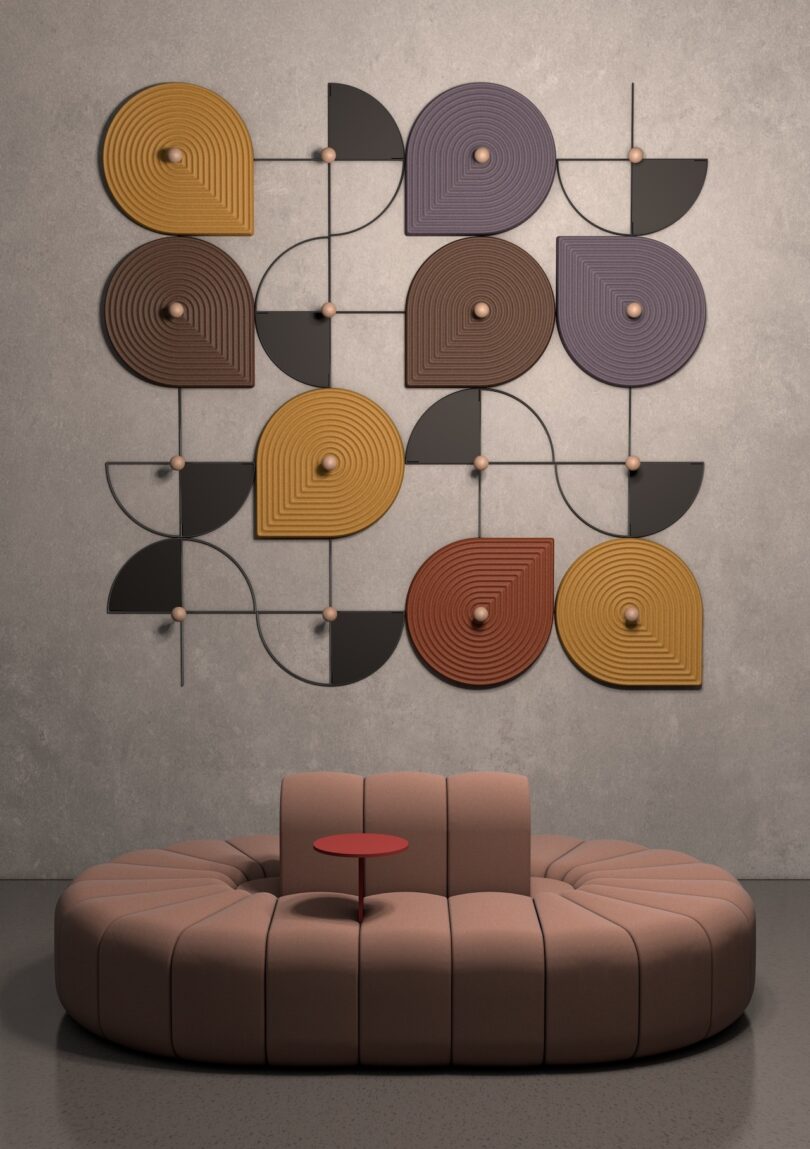
This integration allows for "multifunctional zones." In a modern home, this might look like a seating island where one person is typing on a laptop while another is relaxing with a book. In an office, it facilitates spontaneous collaboration. When the table is part of the seating, the barrier to "starting a conversation" is significantly lowered.
5. Practical Implementation: Layout Strategies for 2026
When you are ready to bring these pieces into your own space, strategy is everything. Here is how we suggest implementing these systemic pieces to maximize both flow and function:
1. Ground the Space with Earth Tones Use "Cloud Dancer" (a sophisticated off-white) or muted earth tones for your large modular sections. These colors act as an anchor, allowing the geometric complexity of the Decofunc wall system to shine without overwhelming the eye.
2. Create 'Conversation Hubs' Instead of lining furniture against the walls, use corner modules and armless seating units to create "islands" in the center of the room. This encourages a more circular, inclusive flow of movement and conversation.
3. Prioritize Acoustic Flow Place your Decofunc felt modules in areas where sound tends to bounce—near large windows or in high-ceilinged corridors. By pairing these with upholstered modular seating, you create an acoustic "soft zone" that naturally signals a place for quiet focus or private calls.
Trend Snapshot:
- 40%: Increase in consumer preference for furniture with built-in utility (tables/power).
- 85%: Commercial projects now favor modular systems over "one-and-done" furniture sets to ensure future flexibility.
FAQ
Q: Is the Decofunc system difficult to install? A: Not at all. While it looks like a custom architectural feat, it is designed for ease. The steel frame mounts securely to the wall, and the panels/accessories click into place. Its modular nature means you can start small and add sections as your budget or space grows.
Q: Can the Villhem chair be used as a primary desk chair? A: Absolutely. While it lacks the "industrial" look of traditional ergonomic chairs, its compression-molded shell and reclining mechanism are designed specifically for long periods of sitting. It provides the support needed for a 9-to-5 while looking like a designer piece for your home.
Q: How does the 'Systemic Design' approach help with sustainability? A: By investing in systems like Decofunc, you avoid the "throwaway" culture of furniture. If you move house or change your office layout, you don't buy new furniture; you simply reconfigure the modules you already own.
Conclusion
Mastering your layout in 2026 isn't about filling a room with beautiful things; it’s about choosing "smart" pieces that can evolve alongside you. Blå Station has successfully bridged the gap between the rigid needs of the workspace and the soulful comfort of the home. By utilizing the Decofunc wall system to manage your environment's acoustics and aesthetics, and the Villhem chair to anchor your personal comfort, you aren't just decorating—you are building a system for better living.
Ready to transform your space into a masterpiece of systemic design? Start with one module and let your creativity do the rest.