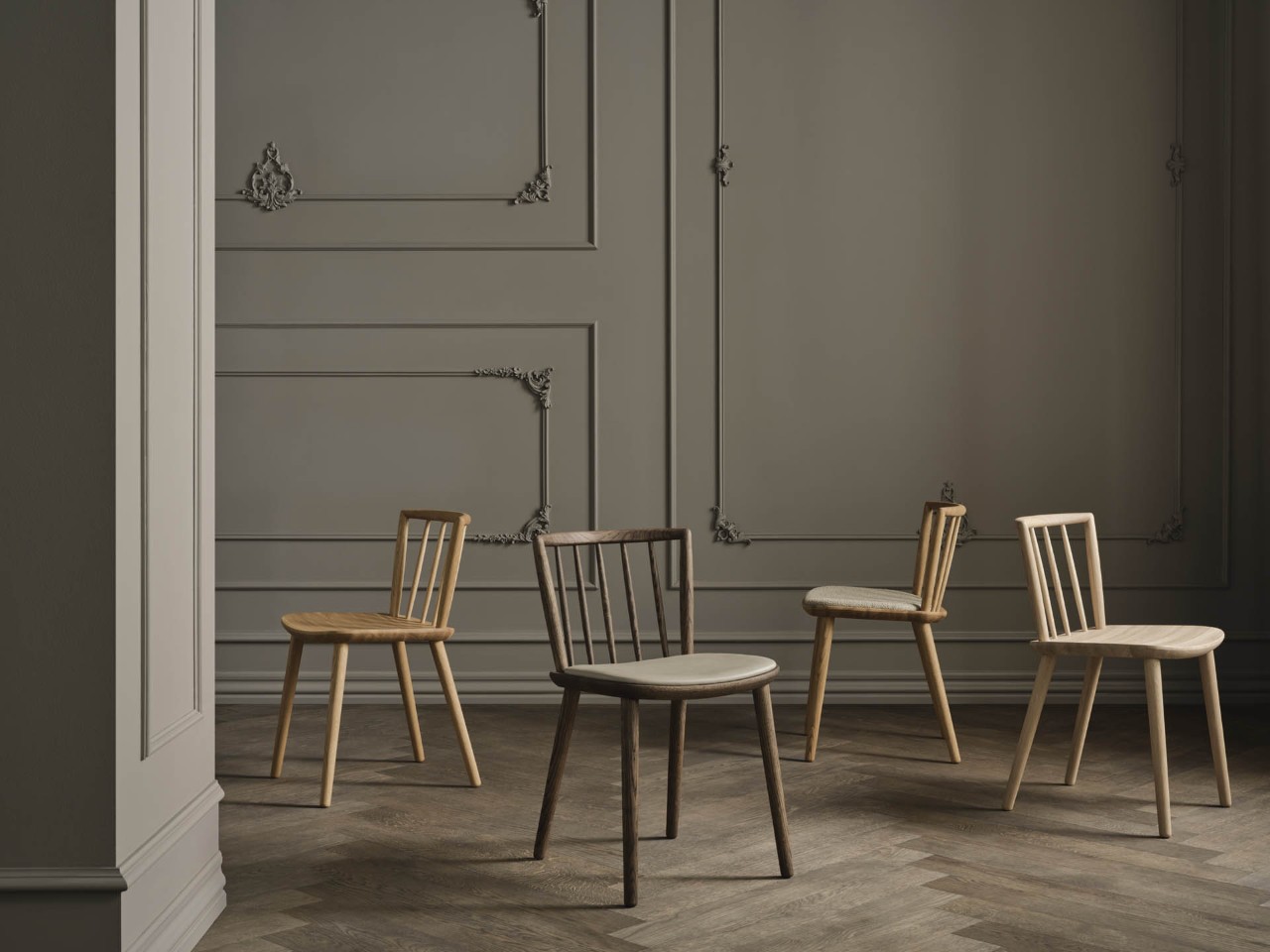
We are currently witnessing a profound inflection point in the world of interior design—a moment where the rigid boundaries between sculptural artistry and functional sophistication have finally dissolved. For years, the "catalog look" dominated our homes, offering clean but often sterile environments. However, as we look toward the 2026 design landscape, the pendulum is swinging toward a more soulful, curated approach. We are no longer just buying furniture; we are acquiring "inhabited places."
The 2026 furniture design landscape is defined by two major movements: Softened Geometry and Collaging. This shift prioritizes pieces that serve as narrative vessels, elevating functional objects into museum-quality, investment-grade art. Leading this charge is Monica Taverniti, whose latest exhibition, Next of Kin, serves as a masterclass in how architectural principles can be scaled down to transform the domestic sphere.
Quick Facts: The 2026 Sculptural Shift
- Market Growth: Market analysis for 2026 indicates an 85% increase in consumer interest for "collector-worthy" furniture that blends sculptural artistry with daily utility.
- The Philosophy: "Scaling Down"—treating a cabinet or table as a miniature piece of architecture rather than a mere utility.
- Technical Innovation: High-end pieces now utilize complex finishing processes, such as Taverniti’s 4-layer method (water-based enamels, acrylics, markers, and transparent coats).
- Aesthetic Core: A revival of the Memphis design movement, reimagined with industrial precision and a sophisticated "Quiet Luxury" color palette.
Monica Taverniti’s Next of Kin: Furniture as an 'Inhabited Place'
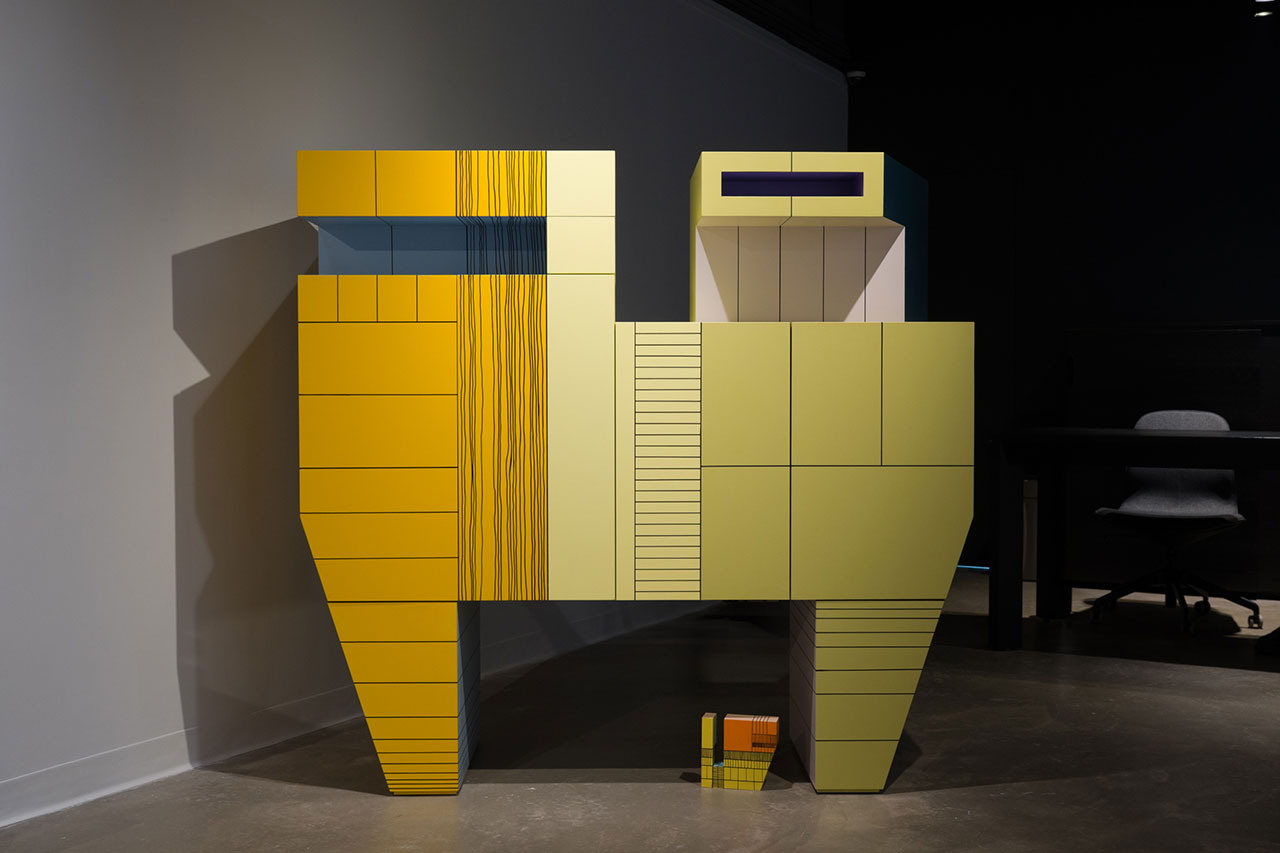
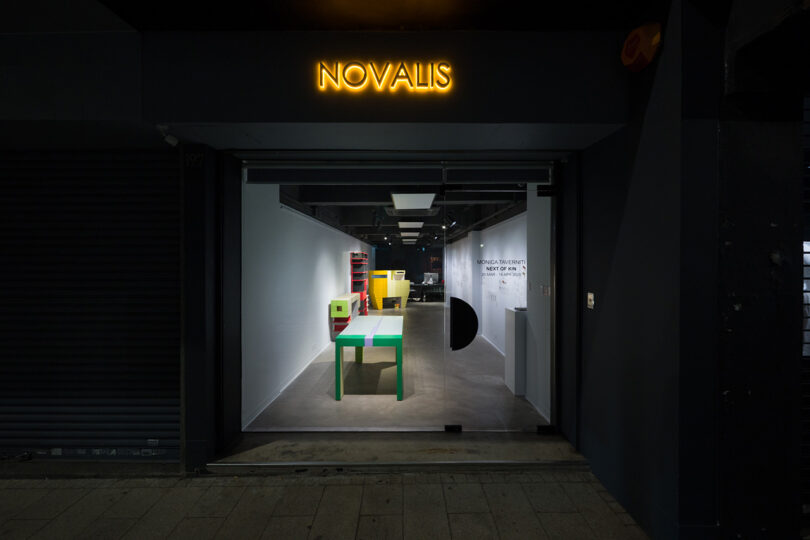
The Next of Kin exhibition, currently showcased at Novalis Art Design in Hong Kong, represents a pivotal moment for collectors and design enthusiasts alike. Monica Taverniti, an architect by training, approaches furniture design through the lens of structural storytelling. Her philosophy centers on the concept of furniture as an "inhabited place," where cabinets and tables are not merely objects in a room but are themselves architectural sculptures that invite the viewer to imagine a smaller, more intimate scale of existence.
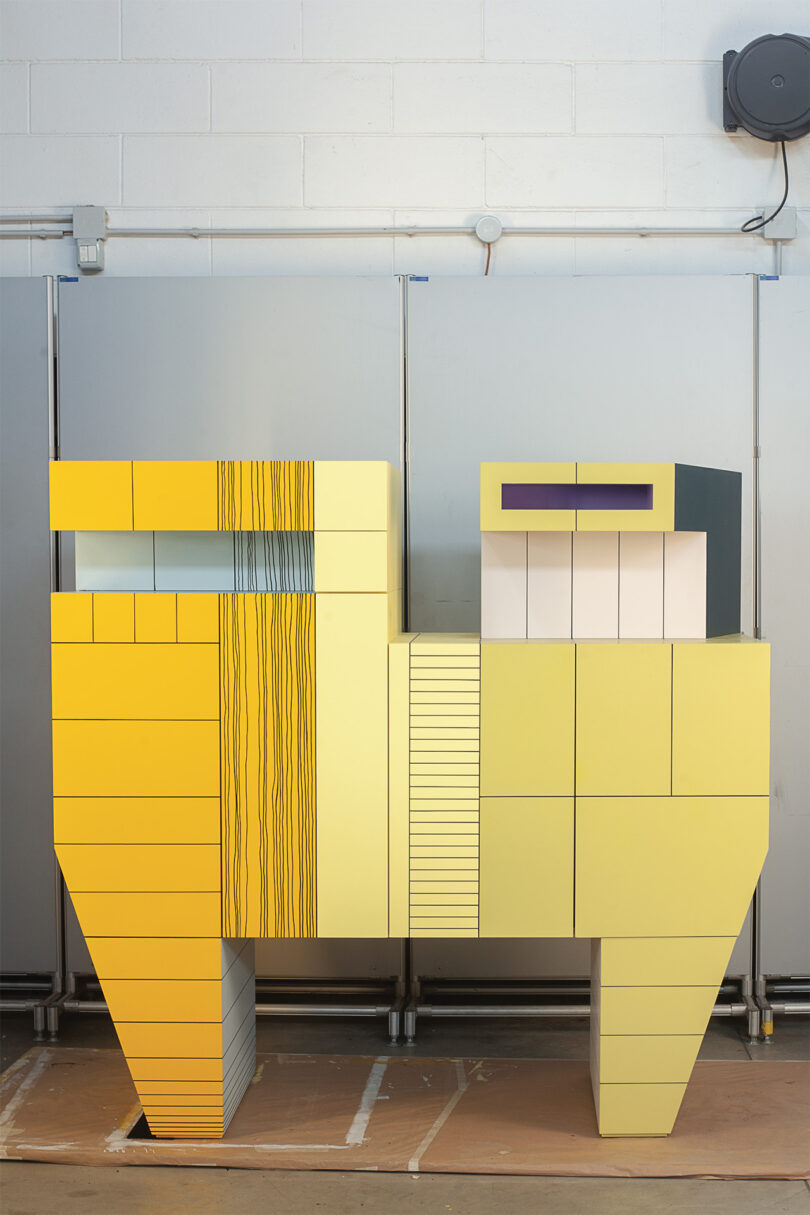
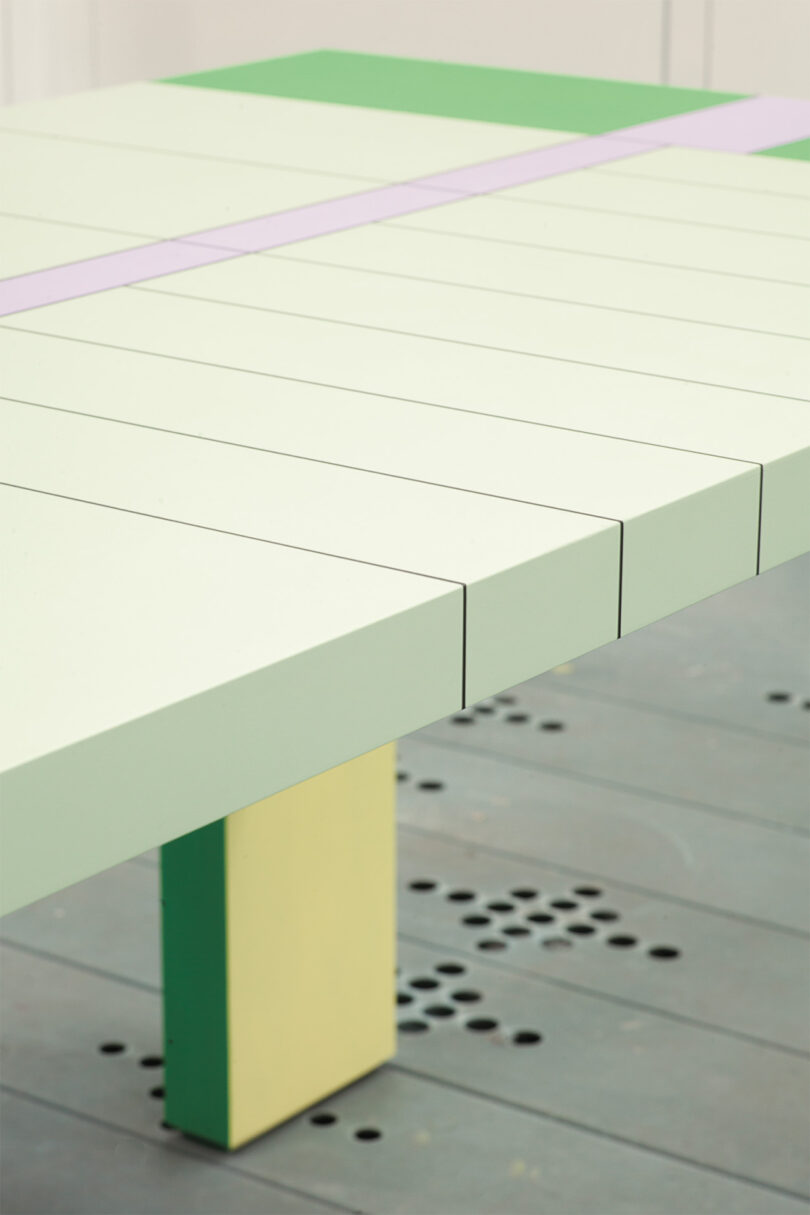
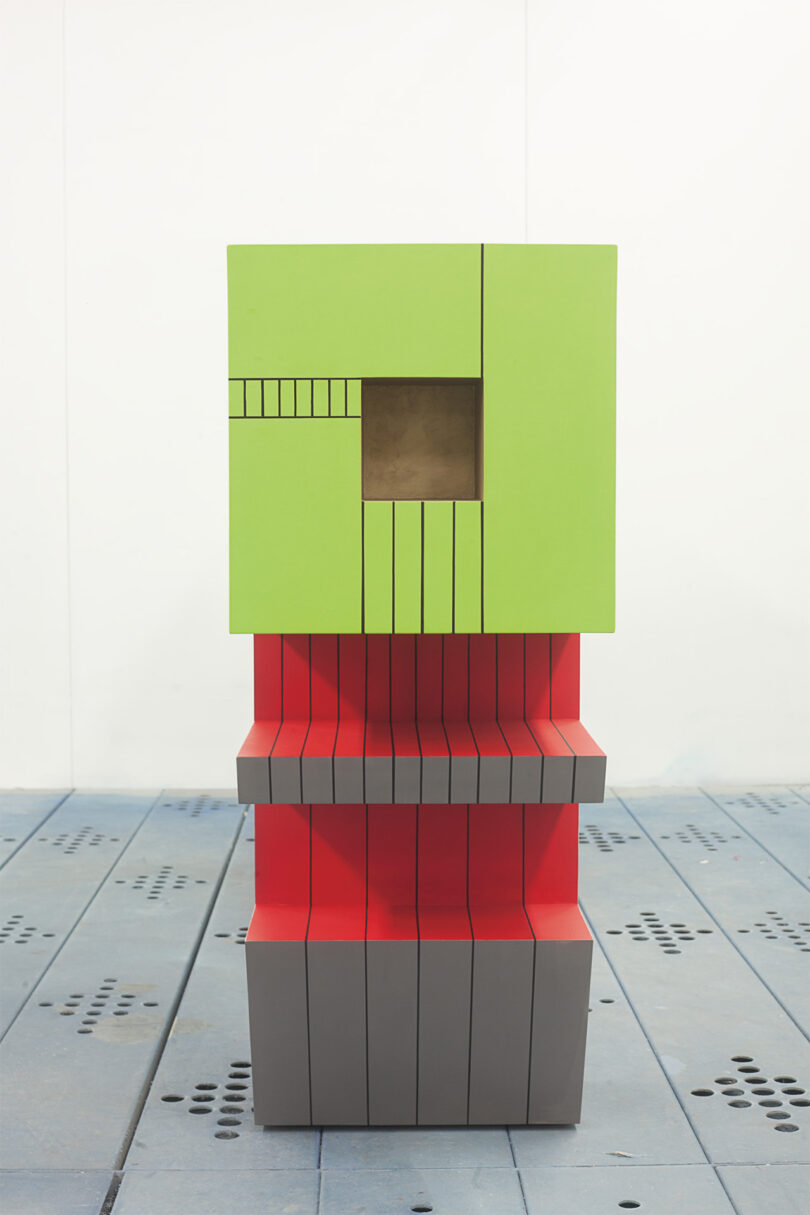
By "Scaling Down," Taverniti bridges the gap between large-scale urban architecture and the objects we touch every day. This approach transforms a simple storage unit into a monumental presence. When you look at her "Skyline" cabinets or "Plinth" tables, you aren't just looking at wood and finish; you are looking at a cityscape reimagined for the living room. It is a dialogue between the macro and the micro, encouraging us to view these pieces as if we were only an inch tall, wandering through their angular corridors and vibrant surfaces.
The Design Language: Memphis Revival and Industrial Narrative
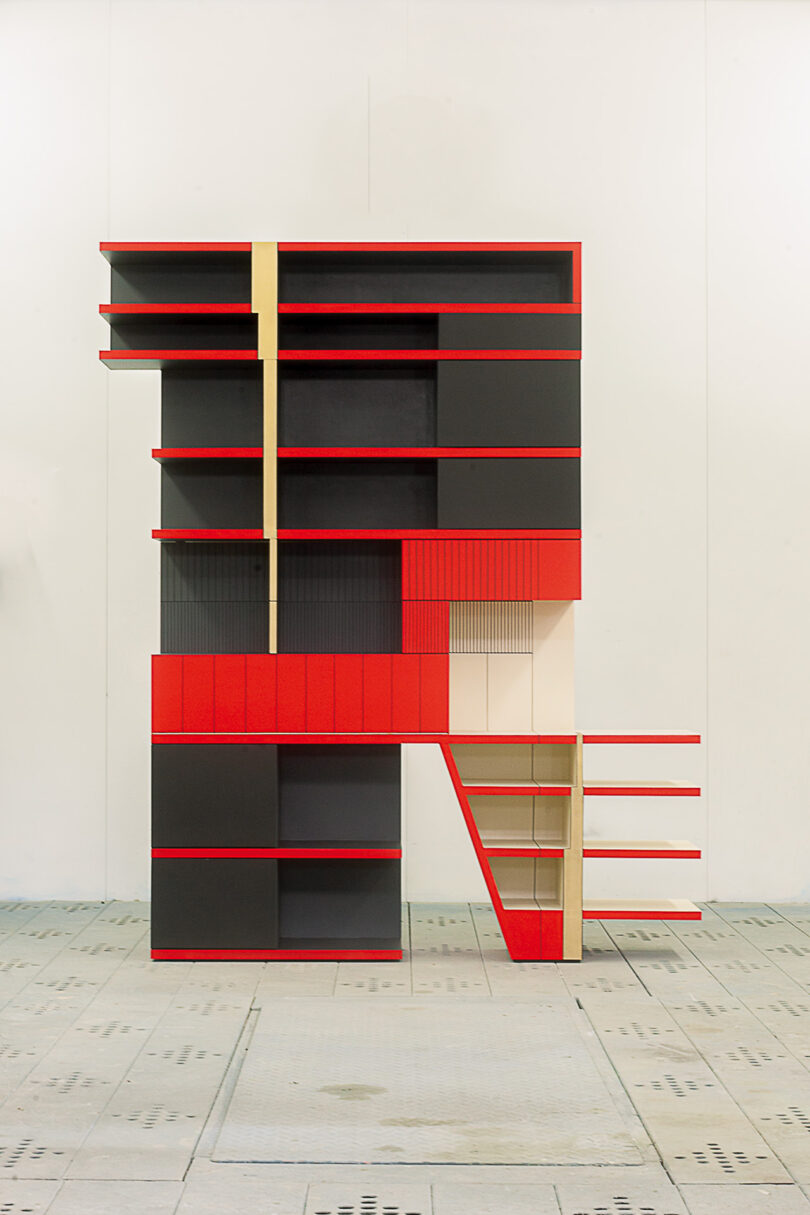
One of the most striking elements of the Next of Kin collection is its unapologetic revival of the Memphis design movement. However, this isn't the neon-soaked, chaotic Memphis of the 1980s. Taverniti has matured the aesthetic for 2026, slicing angular vertices and utilizing blocky color sequences that feel grounded and intentional.
The industrial narrative is woven into the very fabric of these pieces. Taverniti uses sharp, geometric lines—what she calls "slicing"—to create a sense of movement and depth. The furniture doesn't just sit in a corner; it interacts with the light and shadows of the room. This is achieved through a meticulous attention to detail that includes:
- Angular Vertices: Breaking the monotony of the traditional 90-degree corner to create dynamic silhouettes.
- Cohesive Color Palettes: Using vibrant yet sophisticated tones that suggest an industrial lineage while remaining warm enough for a modern home.
- Linear Grooves: Incorporating tactile elements that mimic architectural facades, providing a rhythmic quality to the surfaces.
Technical Spotlight: The 4-Layer Finishing Process
What sets Taverniti’s work apart in the collector’s market is the depth of character found in the finish. Each piece in the Next of Kin collection undergoes a unique 4-layer finishing process that turns a flat surface into a multi-dimensional canvas.
- Base Layer: Water-based enamels provide a rich, eco-conscious foundation of color.
- Detailing: Acrylics are applied to create texture and variation in tone.
- Graphic Accents: Industrial markers are used to hand-draw lines and architectural details directly onto the piece, giving it a "human" signature.
- Protective Coat: A final transparent layer seals the artwork, ensuring that the piece is as durable as it is beautiful.
This process is not merely about aesthetics; it is a "Material Alchemy" that elevates industrial materials into something precious and narrative-driven.
Key Trends Defining the 2026 Collector's Market
As an editor, I often get asked what makes a piece of furniture "investment-grade." In 2026, the answer lies in how well a piece balances the following three trends. Monica Taverniti’s work serves as the blueprint for these emerging standards.
1. Softened Geometry
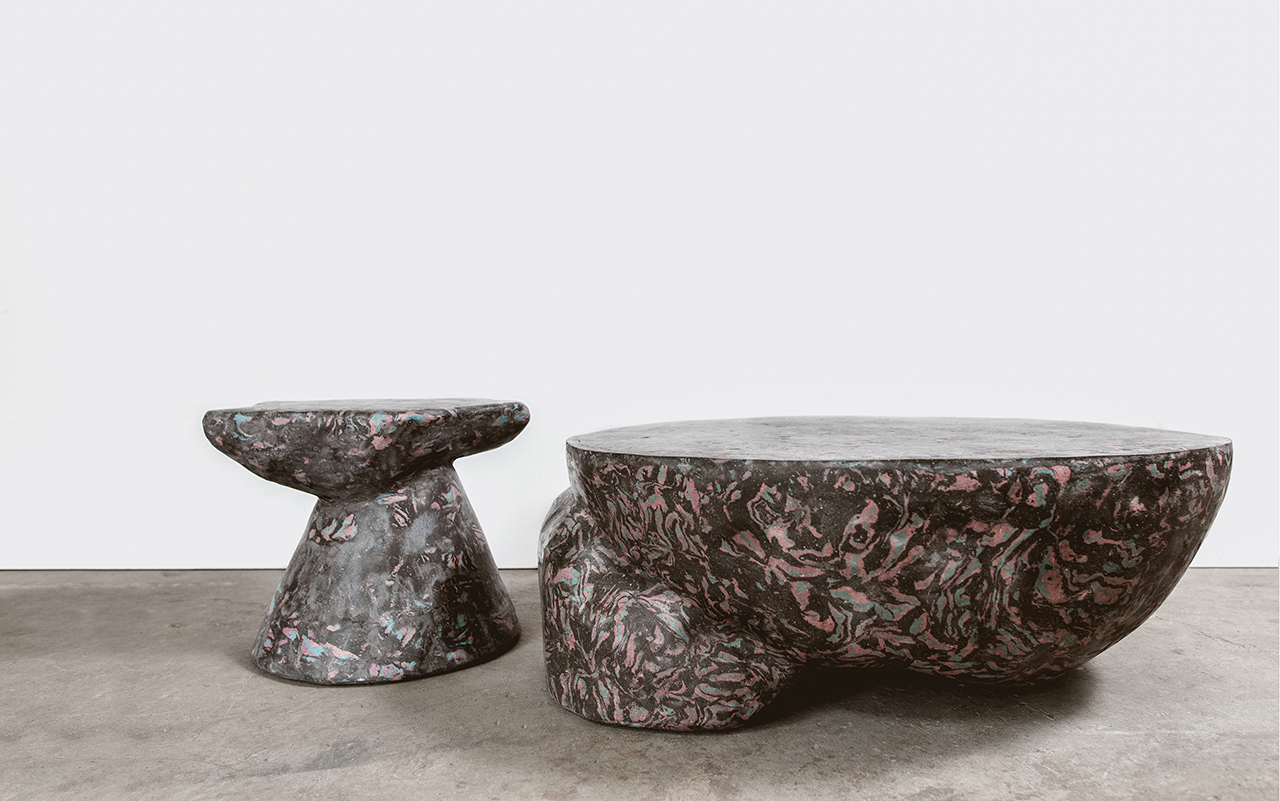
While the Next of Kin collection utilizes sharp angles, the broader 2026 trend is moving toward Softened Geometry. This involves taking rigid, architectural forms and introducing organic, flowing curves. It’s about the "stacking" of shapes—circles meeting squares, cylinders supporting flat planes—to create a sense of balanced tension.
2. Material Alchemy
The modern collector is looking for an interplay of contrasting textures. We are seeing a move away from "all-wood" or "all-metal" looks toward a sophisticated mix of:
- Brushed metals paired with raw, open-grain wood.
- Hand-poured resins interacting with industrial enamels.
- The use of "markers" and hand-drawn elements to break the perfection of machine-made goods.
3. The Art of Collaging
Collaging in furniture design is the intentional use of multiple materials and colors within a single piece to tell a story. It reflects a move toward maximalist thought within a minimalist structure. Taverniti’s use of varied color blocks on a single cabinet is a perfect example of this "collage" approach.
Editor’s Tip: When investing in sculptural furniture, look for pieces that offer a "360-degree" experience. An investment-grade piece should be as visually interesting from the back as it is from the front, allowing it to act as a room divider or a free-standing sculpture.
Investing in Narrative-Driven Furniture
The shift in the market is clear: 85% of high-end consumers now prefer furniture that tells a story over mass-produced luxury. We are moving toward "Narrative-Driven Furniture," where every storage unit and every table is a vessel of imagination.
Monica Taverniti’s design philosophy succeeds because it bridges the gap between the cold precision of industrial detail and the warmth of a lived-in space. Her work doesn't just fill a room; it inhabits it. For the collector, these pieces represent a hedge against the ephemeral nature of "trends." They are timeless because they are rooted in the fundamental principles of architecture.
| Feature | Functional Minimalism (Old) | Sculptural Narrative (2026) |
|---|---|---|
| Primary Goal | Utility and Space-saving | Emotional Resonance & Artistry |
| Material Use | Uniform (Single Material) | Collaged (Mixed Media) |
| Geometry | 90-Degree Standard | Softened & Sliced Geometry |
| Finishing | Industrial Spray / Veneer | 4-Layer Hand-finished Depth |
| Market Role | Commodity | Investment-Grade Asset |
Implementation: How to Curate Sculptural Elements in the Home
Integrating a bold, sculptural piece like a Taverniti table into your existing decor requires a thoughtful touch. You don't want the piece to scream; you want it to lead the conversation.
- Pairing with Vintage: Balance the sharp, industrial lines of modern sculptural furniture with the soft patina of vintage classics. A 1950s velvet armchair next to an angular Taverniti cabinet creates a beautiful dialogue between eras.
- The "Quiet Luxury" Color Grounding: Use earthy, grounded tones to anchor bold forms. I recommend a palette of Thyme Green, Wheat, and Terracotta. These colors provide a natural backdrop that allows the vibrant color-blocking of sculptural pieces to pop without overwhelming the senses.
- Maximized Texture: To complement the smooth, multi-layered finish of architectural furniture, incorporate heavy textures into your textiles. Think nubby bouclés, heavy-weave linens, and thick wool rugs. This contrast in "tactile frequency" makes the room feel rich and layered.
FAQ
Q: What exactly is the "Memphis Revival" mentioned in the article? A: The Memphis design movement originated in the 1980s, characterized by ephemeral materials, bright colors, and geometric shapes. The 2026 revival, as seen in Monica Taverniti’s work, takes these elements but applies them with more sophisticated, industrial finishing and a focus on architectural longevity rather than kitsch.
Q: Is sculptural furniture practical for everyday use? A: Yes. While these pieces are "museum-quality," the modern trend focuses on "functional art." For example, Taverniti’s cabinets provide ample storage and her tables are finished with durable, 4-layer coats designed to withstand daily life while serving as a visual centerpiece.
Q: How do I know if a piece of furniture is a good investment? A: Look for three things: a unique technical process (like the 4-layer finish), a clear design philosophy (such as "Scaling Down" or "Inhabited Places"), and the artist’s background. Pieces that bridge the gap between two disciplines—like architecture and furniture—tend to hold and increase in value.
As we move toward 2026, our homes are becoming more than just shelters; they are galleries of our personal narratives. Monica Taverniti’s Next of Kin reminds us that even the most mundane objects—a table, a cupboard—have the potential to be monumental. By embracing the evolution of sculptural furniture, we aren't just decorating a room; we are building a world.