In the pantheon of Italian modernism, few pieces command as much quiet reverence as the Monk armchair. Originally conceived in 1973 by the legendary duo Afra and Tobia Scarpa, this chair has long been a whisper among the design cognoscenti—a "holy grail" found in dusty archives or high-end vintage auctions. However, after a 35-year hiatus since its last production in 1990, Molteni&C is bringing this masterpiece back to the forefront of contemporary living.
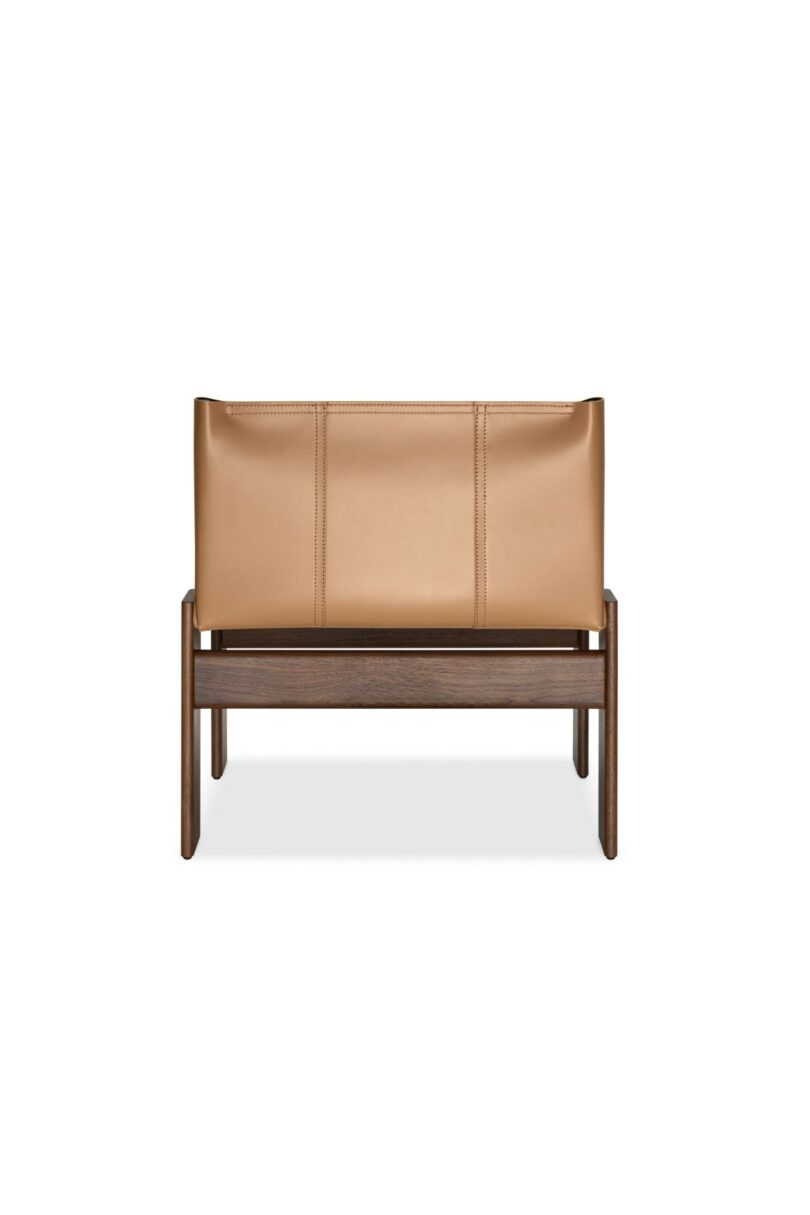
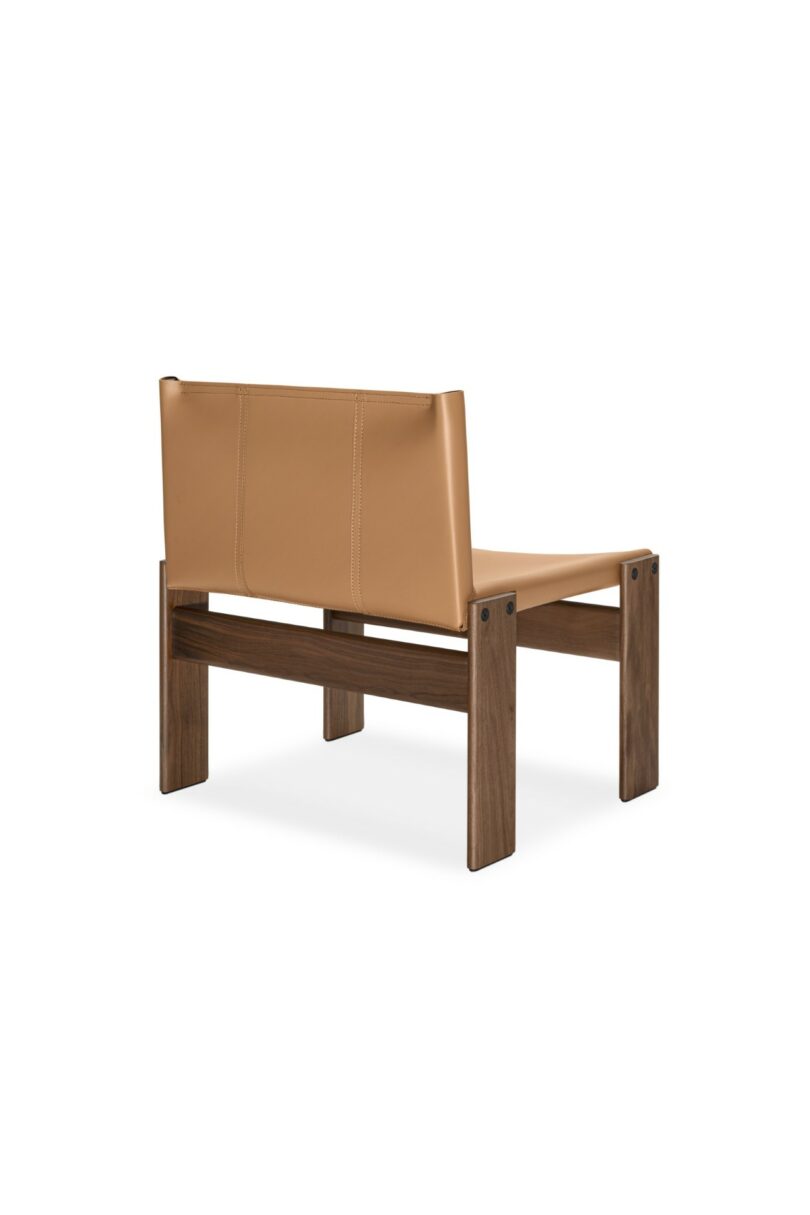
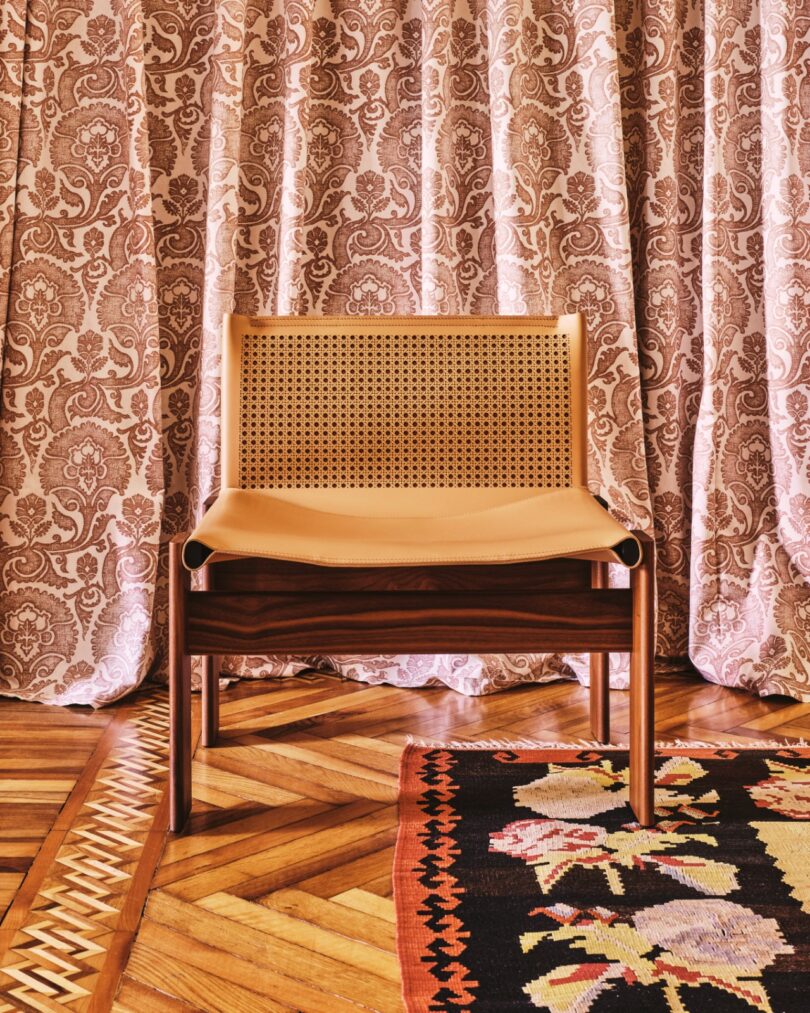
The Monk armchair is a study in "monastic simplicity." It is defined by its architectural honesty: two solid wood trestles, a system of shaped metal tubing, and a thick, suspended leather seat that yields just enough to the body. It is furniture stripped of ego, focusing instead on the "soul" of the materials and the logic of its construction.
The Architecture of Simplicity: Materials and Construction
We often talk about "timeless design," but the Monk armchair provides a literal blueprint for it. The chair’s return to production in 2025 isn't just a nostalgic reissue; it is a technical feat that preserves the Scarpas' original vision while utilizing modern precision.
The beauty of the Monk chair lies in its assembly. The structure consists of exactly two solid wood trestles joined by shaped metal tubing. This skeleton is held together by a minimalist assembly system featuring exactly four primary structural screws. These aren't hidden away; they are secured by two pairs of screws with burnished steel hubs that serve as a decorative, industrial detail—a signature of Tobia Scarpa’s "austerity born of discipline."
Material Palette for 2025
For the modern home, Molteni&C has curated a selection of finishes that allow the chair to lean into either warm traditionalism or cool modernism:
| Component | Material Options | Notes |
|---|---|---|
| Frame | American Walnut, Black Oak, Coffee Oak, Ash | Solid wood trestles for structural integrity |
| Support | Shaped Metal Tubing | Provides the "spring" for the suspended seat |
| Seat/Back | Top-grade Leather (Hide) | Thick, durable, and designed to patina over time |
| Hardware | Burnished Steel Hubs | Visible structural elements as decoration |
A Decorative Awakening: The Molteni&C x Cabana Special Edition
While the standard reissue celebrates the chair’s original purity, the 2025 Molteni&C x Cabana special edition introduces a new chapter of decorative magic. This collaboration bridges the gap between the Scarpas' rationalist roots and a more poetic, tactile aesthetic.
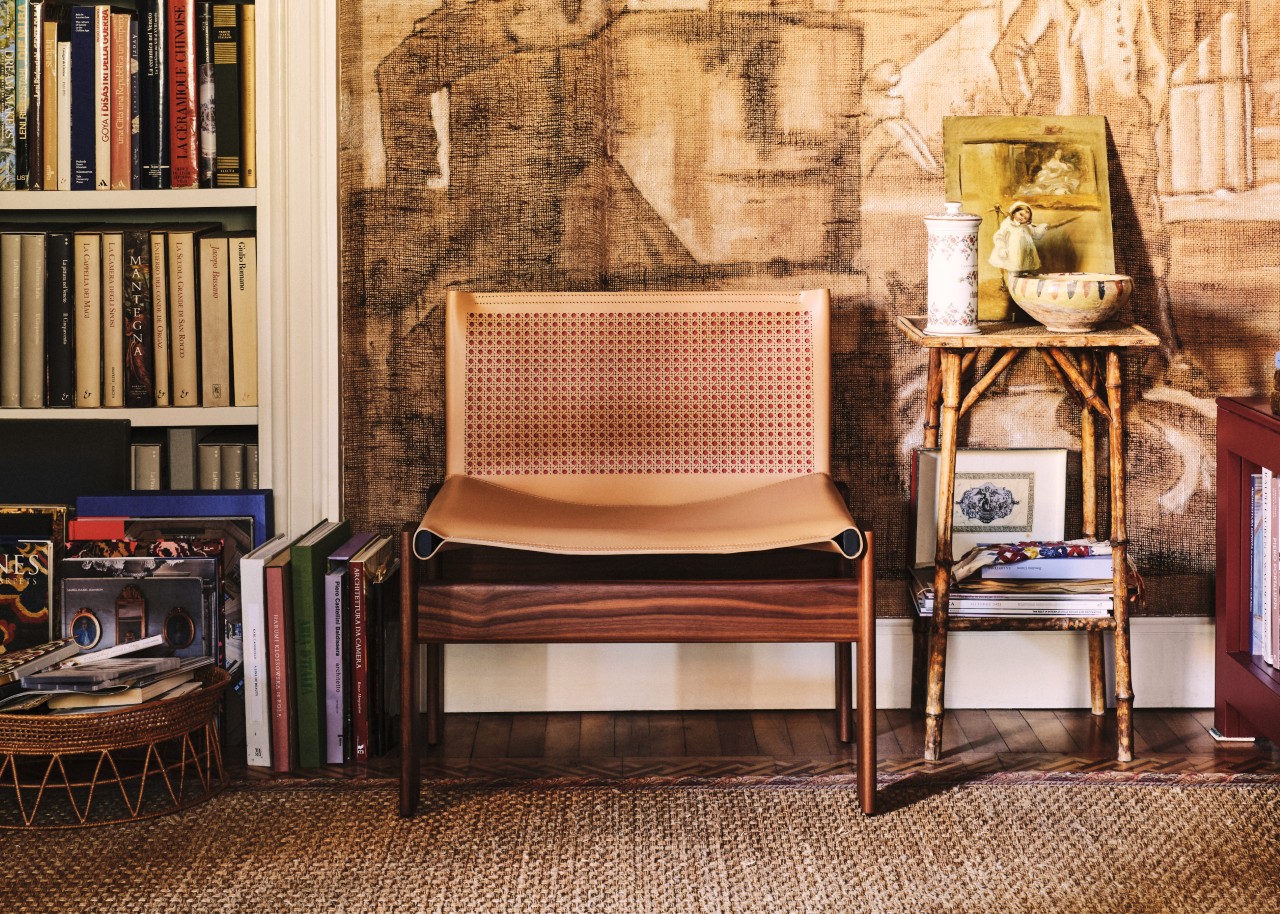
The standout feature of this edition is the laser-engraved leather backrest. Inspired by the classic Viennese cane weaving found in the works of Marcel Breuer and Thonet, the engraving is a feat of modern craftsmanship. As the laser cuts through the top layer of leather, it reveals a vibrant red panel tucked beneath the hide. This "peek-a-boo" effect transforms the chair from a monastic object into a vibrant conversation piece.
"To design is to grasp potential and magic," Tobia Scarpa once said. In this special edition, that magic is literally etched into the leather.
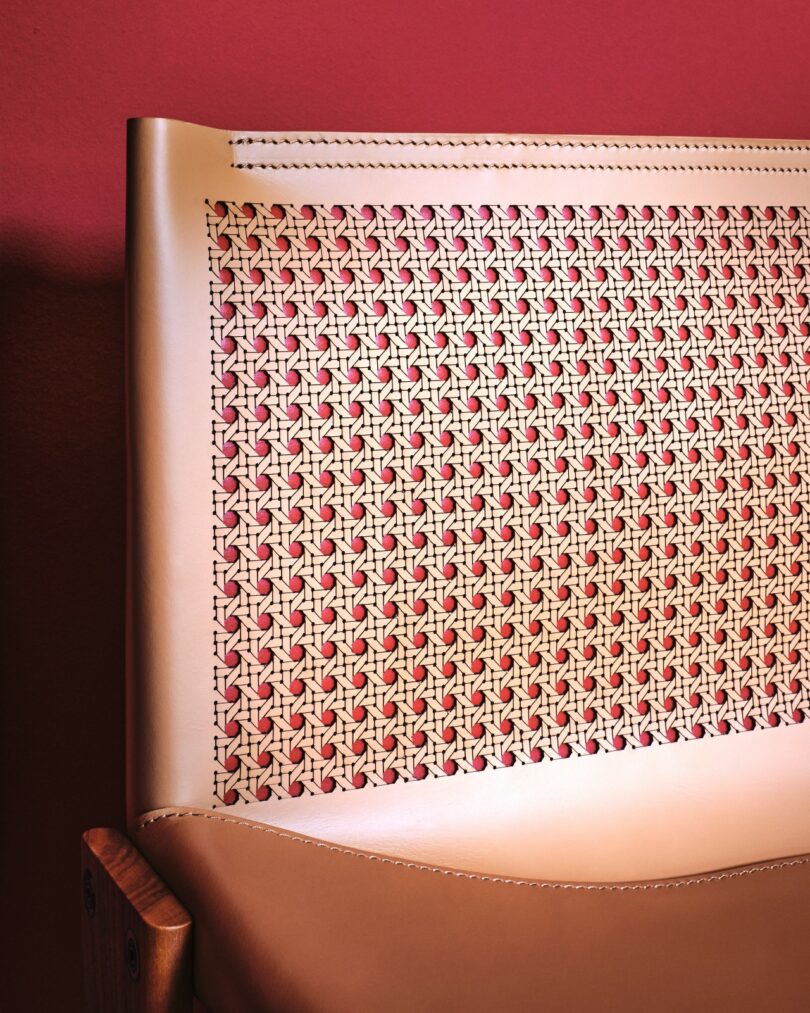
The contrast between the rigid geometry of the walnut frame and the intricate, rhythmic pattern of the "woven" leather creates a tension that is quintessentially Italian. It reminds us that modernism doesn't have to be cold—it can be deeply layered and full of surprises.
Styling the Monk in the Modern Home
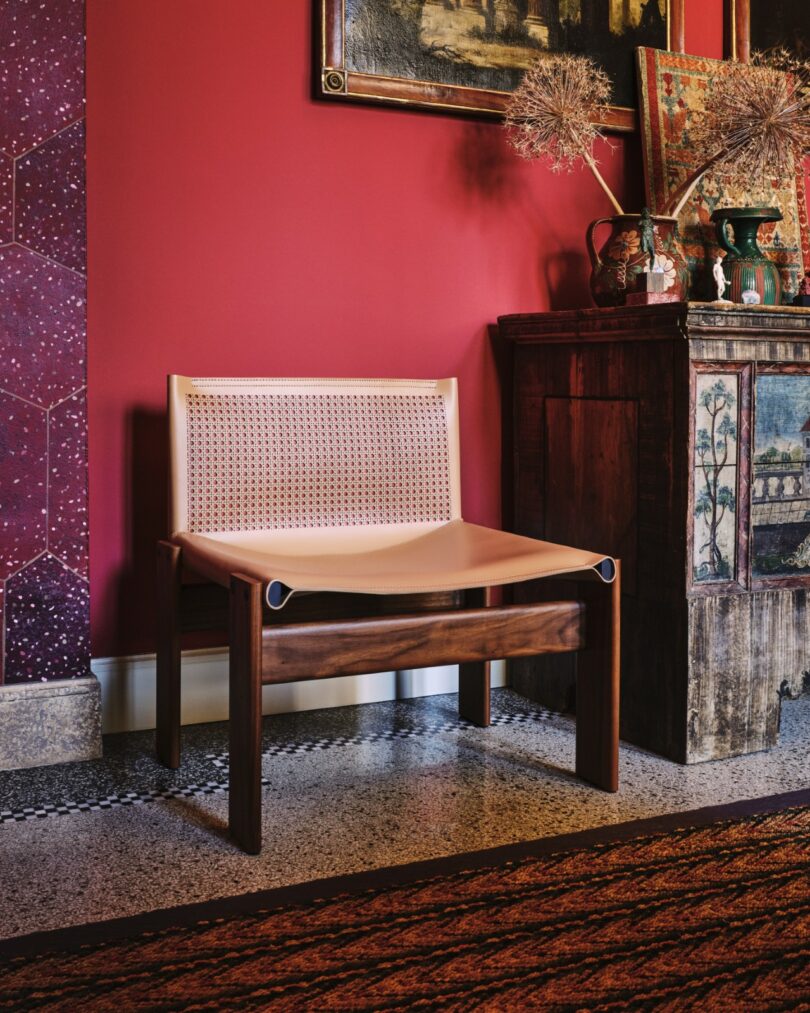
As an editor, I often see readers struggle with how to place "iconic" furniture without making their living room feel like a museum. The Monk armchair is surprisingly versatile because of its transparency; because you can see through the frame, it doesn't "clutter" the visual field of a room.
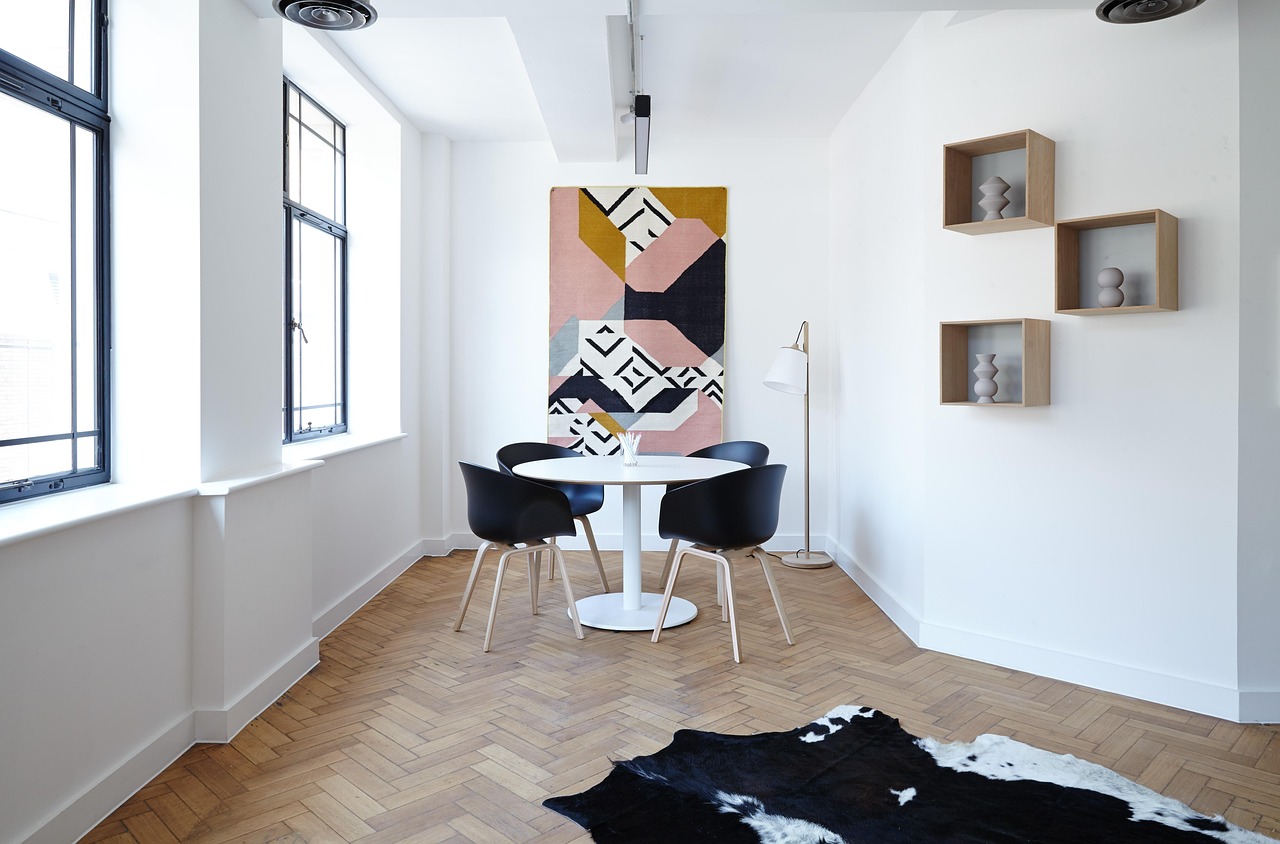
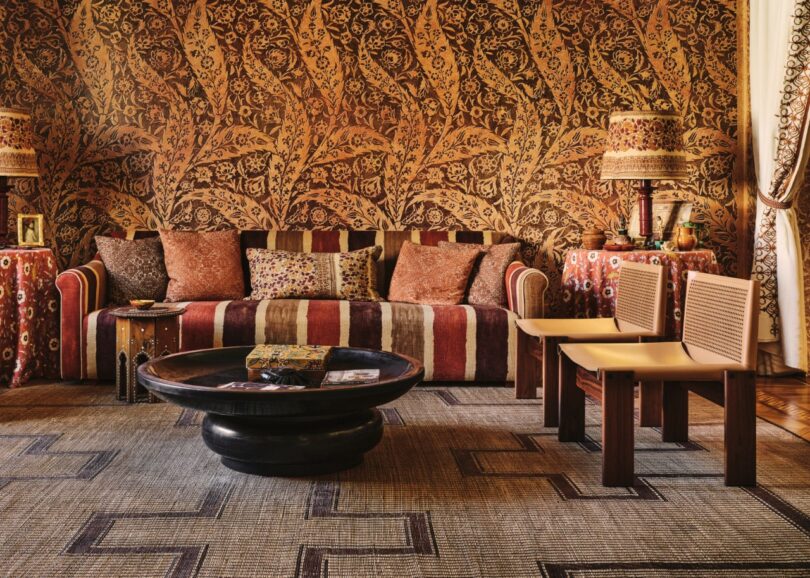
- The Eclectic Anchor: Pair the Monk chair with a textured, high-pile rug and a contemporary mural or wallpaper. The chair’s structural clarity provides a grounding element against busy patterns.
- The Minimalist Corner: In a starker environment, let the materials speak. A single Monk chair in American Walnut next to a simple floor lamp creates a "reading nook" that feels intentional and architectural.
- The Dining Evolution: While we are focusing on the armchair, the Monk also exists in a dining version. Mixing the two—using armchairs at the heads of the table—creates a sophisticated, tiered look for a dining room.
Conclusion: A Philosophy of Living
The return of the Monk armchair is more than just a product launch; it is a reminder that good design is an enduring philosophy. Tobia and Afra Scarpa didn't just design a chair; they designed a way to sit that honors both the body and the craftsmanship of the hand.
By reintroducing this 1973 classic, Molteni&C allows a new generation to experience the "magic and wonder" that comes from an object made with soul. Whether you choose the classic leather finish or the decorative Cabana edition, the Monk remains a vessel of Italian modernist appeal that will likely be just as relevant 35 years from now as it was in 1973.
FAQ
Q: How does the suspended seat feel compared to a traditional cushioned armchair? A: The "suspended" nature of the leather seat offers a firm but flexible support. It conforms slightly to the user's weight over time, creating a personalized "broken-in" comfort similar to a high-quality leather saddle.
Q: Is the laser-engraved leather of the Cabana edition durable? A: Yes. Molteni&C uses advanced laser technology that cauterizes the edges of the leather as it cuts, preventing fraying. The red under-layer is securely bonded to ensure the structural integrity of the backrest remains identical to the standard version.
Q: What is the lead time for a heritage reissue like the Monk chair? A: Because these pieces are part of the Heritage Collection and involve significant hand-finishing (especially the assembly of the wooden trestles), lead times typically range from 12 to 16 weeks, depending on the chosen wood and leather finishes.