Imagine the scene: It’s 7:15 AM on a Tuesday. You’re nursing a lukewarm coffee, and your seven-year-old is having a minor existential crisis because their favorite "lucky" dinosaur socks are missing. Meanwhile, your toddler has decided that pants are optional today. This, my friends, is what I call the "Morning Scavenger Hunt," and it is the single greatest drain on a parent’s mental energy before the workday even begins.
I’ve spent years perfecting home systems, and if there is one thing I’ve learned, it’s that the most successful routines borrow from the most successful people. Think of the "Steve Jobs Uniform"—the legendary tech mogul wore the same black turtleneck every day to eliminate "decision fatigue." While we might not want our kids in identical outfits daily, we can apply that same CEO mindset to our mornings. By removing the micro-decisions of "What should I wear?" and "Where are my socks?" at dawn, we reclaim our peace.
Implementing a weekly outfit sorting system isn't just about aesthetics; it's a productivity powerhouse. Statistics show that this simple hack can save busy parents an average of 15 minutes per child every morning. In a typical school week, that totals over an hour of saved time—time you could spend actually enjoying your breakfast rather than refereeing a battle over leggings.
The Sunday Ritual: How to Set Up Your Weekly Outfit System
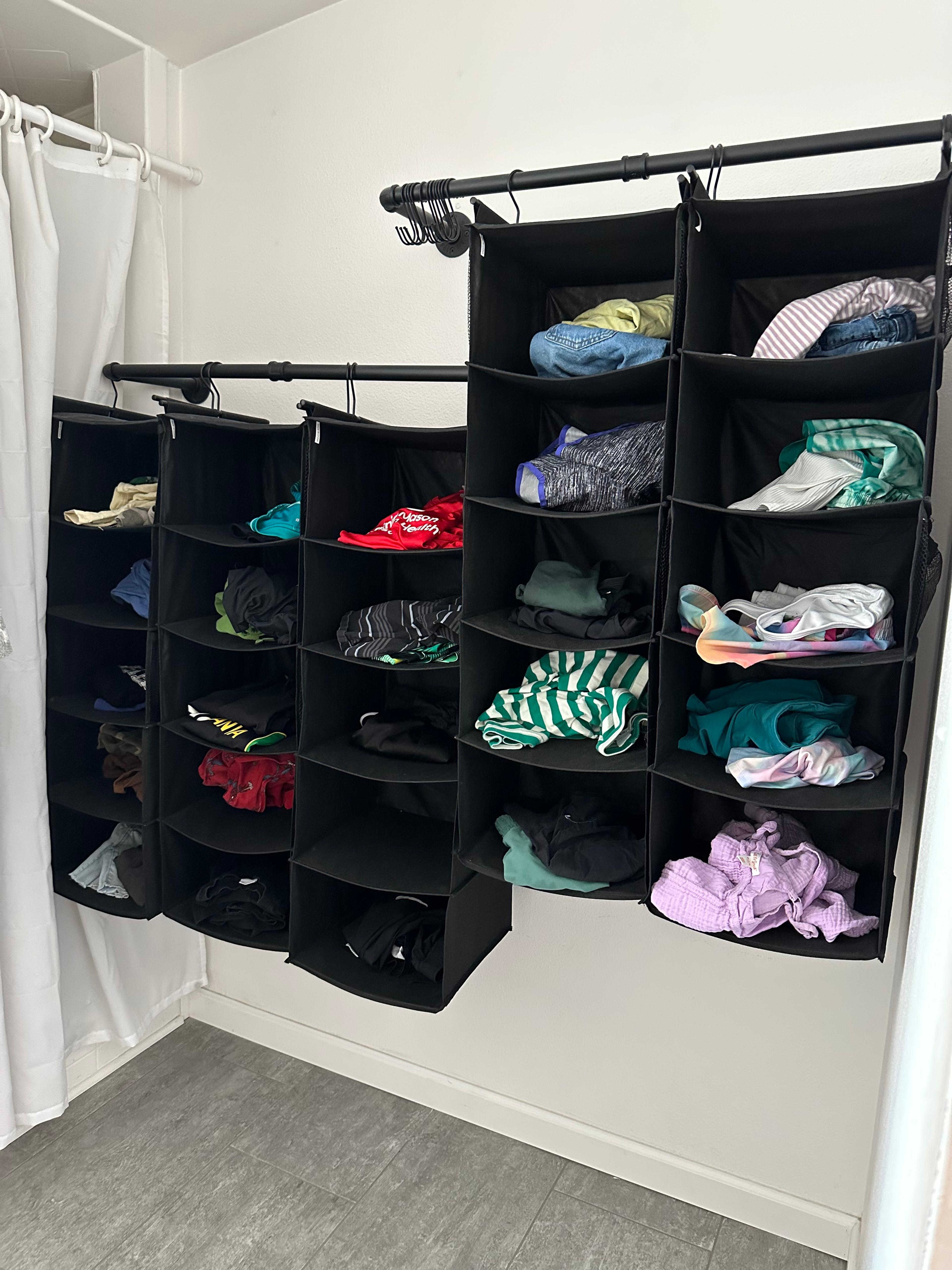
The magic of this system lies in its simplicity and the use of a tool you likely already have: the hanging shoe organizer. Traditionally meant for sneakers, these vertical cubbies are the perfect dimensions for a child's complete daily ensemble.
To make this work, you need to establish the "Sunday Ritual." This is the cornerstone of a calm week. Once the laundry is dry and folded on Sunday afternoon, don’t just toss it into drawers where it will inevitably become a jumbled mess. Instead, we are going to "kit" the clothes.
How do you use a hanging shoe organizer for clothes? On Sunday, sort one complete outfit—including shirt, pants, underwear, socks, and even pajamas—into each pocket of a hanging shoe organizer so kids can grab and dress themselves independently every morning. By bundling everything together, you ensure that the search for matching pieces ends before the week even starts.
The Step-by-Step Sorting Process:
- Check the Forecast: Before you start, spend thirty seconds looking at the five-day weather report. Is there a rainy Tuesday? A PE day on Thursday? This prevents mid-week pivots.
- Create the "Bundle": Lay out the shirt, then place the pants, underwear, and socks on top. Roll or fold them into a tight "burrito" or stack.
- Load the Cubbies: Place one bundle into each of the first five slots of the organizer.
- The PJ Bonus: If you really want to win the morning, tuck the next day's pajamas into the back of the same slot. When they take off their PJs, their outfit is right there.
- Labeling: Use simple "Monday" through "Friday" tags. For younger children who can’t read yet, use color-coded ribbons or icons (like a sun for school days).
Why This System Saves More Than Just Time
We often think of organization as a way to keep a house looking "Pinterest-perfect," but as an editor, I look for systems that serve the human brain. The psychology behind the hanging organizer is profound. When a child sees their clothes laid out, the "power struggle" often evaporates. Parents using visual organization systems like hanging shoe racks report a 40% reduction in outfit-related negotiations and morning stress levels.
Why is weekly outfit planning beneficial for parents? Pre-planning outfits eliminates morning decision fatigue, prevents last-minute searches for clean clothes, and reduces power struggles with toddlers by offering pre-approved choices. It shifts the dynamic from "I’m telling you what to wear" to "You are choosing the Monday slot." This autonomy is a huge developmental win for kids.
Furthermore, this system solves the dreaded "Laundry Purgatory"—that state where clothes are clean but live in a basket for three days because the thought of putting them away is overwhelming. By moving clothes directly from the dryer to the organizer, you bypass the dresser entirely for the week’s essentials.
Choosing the Right Organizer: A Parent’s Buying Guide
Not all shoe organizers are created equal, especially when they are being repurposed for the weight of denim and cotton rather than lightweight flip-flops. When shopping for your kids' weekly clothing system, you need to look beyond the price tag and focus on durability.
What type of shoe organizer is best for organizing kids' outfits? Look for a hanging organizer with at least five vertical cubbies or large clear pockets, made from durable, easy-to-clean material like vinyl or fabric with reinforced hooks to handle the weight of complete outfits.
Material Comparison: Canvas vs. Clear Plastic
| Feature | Fabric/Canvas Organizers | Clear Plastic/Vinyl Organizers |
|---|---|---|
| Visibility | Low (Better for older kids/aesthetics) | High (Great for toddlers/visual learners) |
| Durability | High (Breathable and sturdy) | Moderate (Can tear if overstuffed) |
| Aesthetics | Neutral and "clean" looking | Can look cluttered if not tidy |
| Cleaning | Spot clean or hand wash | Easy to wipe down with a cloth |
Sophie’s Tip: If you have a child who struggles with transitions or executive functioning, go with the clear pockets. Being able to see the bright colors of their favorite shirt from across the room helps them mentally prepare for the day the moment they wake up.
Pro-Tips for Next-Level Organization
Once you have the basic system down, you can fine-tune it to fit your family's unique rhythm. Here are a few ways I’ve seen my readers take this hack to the "pro" level:
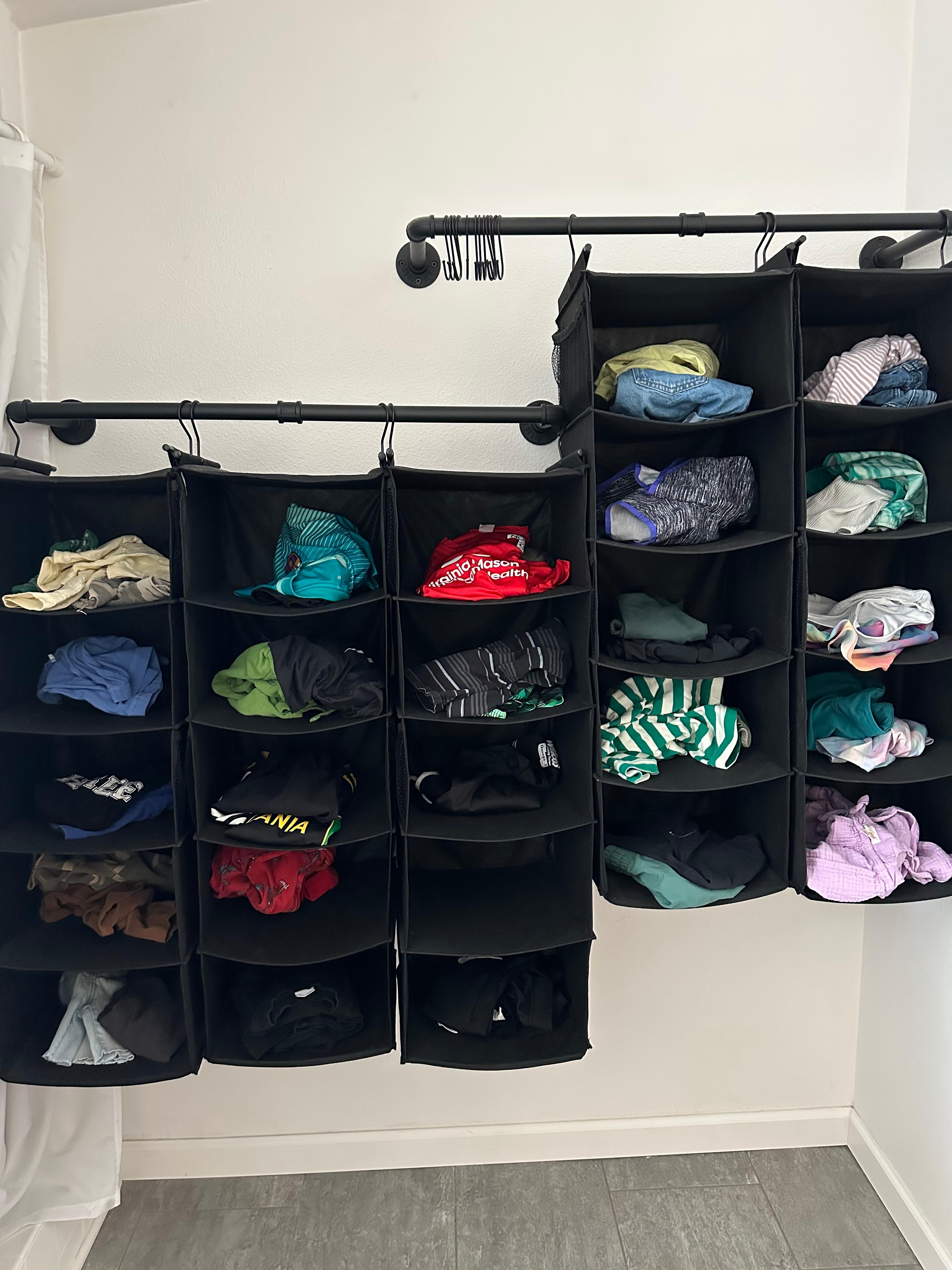
- The "Toe-to-Heel" Space Saver: For older kids with bulkier clothes (like hoodies or jeans), the pockets might feel tight. Try the "file folding" method—fold clothes to the width of the pocket and slide them in vertically so the edges are visible, rather than stacking them deep.
- The Extra-Curricular Slot: If your child has soccer on Wednesdays or ballet on Thursdays, use the bottom pockets for those specific uniforms. No more hunting for a single shin guard five minutes before you need to leave for the field.
- The "Backup" Pocket: Always keep one slot at the bottom stocked with a "Plan B" outfit—something comfortable and weather-neutral in case of an unexpected spill or a sudden change of heart about those "itchy" pants.
- Encouraging Independence: Hang the organizer at the child's eye level. If your closet rod is too high, use an adjustable "doubler" rod or over-the-door hooks. The goal is for them to reach their clothes without needing your help.
FAQ
Q: My child’s clothes are too bulky for shoe pockets. What should I do? A: If you have older children (size 10+), standard "over-the-door" shoe organizers with small pockets may be too tight. In this case, look for "hanging sweater organizers" or "6-shelf closet organizers." These provide wider cubbies that can easily hold a pair of jeans and a thick sweatshirt.
Q: How do I handle shoes in this system? A: While the organizer is called a "shoe organizer," I recommend keeping shoes near the entryway of your home. However, you can use the very bottom pocket of the organizer to hold the specific pair of socks that goes with that day’s outfit to ensure the "bundle" is truly complete.
Q: What if my child refuses to wear what I picked on Sunday? A: Involve them in the Sunday Ritual! Let them choose which outfit goes into which day's slot. When they have "skin in the game," they are much more likely to follow through on school mornings.
Ready to Reclaim Your Mornings?
The goal of home organization isn't just to have a tidy closet; it's to create a home that supports your lifestyle rather than draining your energy. By spending 20 minutes on a Sunday afternoon setting up your over-the-door outfit organizer, you are gifting yourself five days of smoother, calmer mornings.
Stop the scavenger hunt. End the negotiations. Start the school week with the confidence of a CEO.