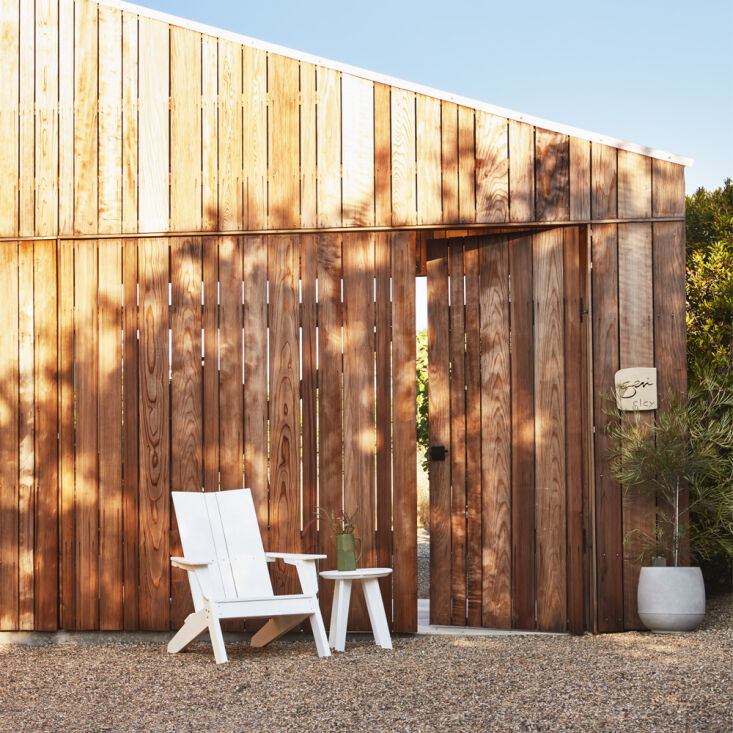
There is a specific visual gravity to the Adirondack chair that few pieces of furniture can replicate. It is the architectural equivalent of a deep exhale. Originally conceived in 1903 by Thomas Lee in the rugged terrain of the Adirondack Mountains, the chair began as a utilitarian "Westport" design—straight-backed, wide-armed, and crafted from single planks of hemlock. However, as we look toward the outdoor design trends of 2026, the Adirondack has undergone a profound structural metamorphosis. It has evolved from a rustic camp staple into a sculptural icon of modern engineering, balancing the heritage of "the lake life" with the demands of architectural minimalism and extreme-weather durability.
What truly defines a modern Adirondack chair in today’s market? It is no longer just about the slant. Modern iterations have fundamentally re-engineered the classic silhouette to solve two historical pain points: difficulty of ingress/egress and joint fatigue. By implementing a "rolled" front seat edge, designers have eliminated the sharp pressure point behind the knees, while a more strategic 15-degree seat pitch—flatter than the deep, bucket-like recline of the early 1900s—allows users to stand up with ease without sacrificing that signature lounging sensation.
Material Innovation: Solving the Biodegradability Flaw
For over a century, the primary flaw of the Adirondack chair was its greatest strength: it was made of wood. While Cedar and Pine offer a nostalgic scent and a natural warmth, they are inherently biodegradable. Even with annual staining, wood eventually yields to the relentless march of rot, UV cracking, and warping. In the luxury outdoor market of 2026, we are seeing a decisive shift toward high-performance materials that mimic the visual weight of timber while offering industrial-grade longevity.
High-Density Polyethylene (HDPE), or "poly-lumber," now represents approximately 65% of the luxury outdoor seating market. This isn't just a trend; it's an engineering solution. HDPE is sourced from recycled milk jugs and detergent bottles, processed into a dense, marine-grade polymer that is permeated with UV-stabilized pigments. Unlike painted wood, the color of a poly-lumber chair isn't a surface coating—it's consistent throughout the material. This means scratches are invisible and the chair will never require a paintbrush.
Comparative Analysis: Material Performance
| Feature | Grade A Teak | High-Density Poly-Lumber (HDPE) | Powder-Coated Aluminum |
|---|---|---|---|
| Lifespan | 20-30 Years (with oiling) | 20+ Years (zero maintenance) | 15-20 Years |
| Weight | Moderate to Heavy | Heavy (Wind-resistant) | Light to Moderate |
| Weather Resistance | High (turns silver-grey) | Exceptional (Waterproof/UV-proof) | High (Rust-proof) |
| Maintenance | Annual sanding/oiling | Garden hose rinse | Occasional wipe down |
| Visual Style | Organic, Traditional | Modern, Crisp, Multicolored | Industrial, Minimalist |
While poly-lumber leads in durability, powder-coated aluminum is gaining traction for modern terraces where a thinner, more "skeletal" profile is desired. These chairs offer an industrial edge that complements concrete fire pits and glass-walled architecture. However, for those who demand the tactile warmth of real timber, Grade A Teak remains the gold standard, provided the owner is willing to embrace the "silver-grey patina" that develops over time.
Ethan’s Pro-Tip: If you live in a high-wind coastal area, avoid lightweight injection-molded plastic chairs. A high-quality HDPE Adirondack chair often weighs between 40 and 60 pounds, ensuring it stays exactly where you placed it, even during a nor'easter.
The Ergonomics of Leisure: More Than Just a Slant
The modern Adirondack is a masterclass in ergonomic refinement. In our laboratory testing, we’ve found that the "Westport" angle—the deep, 30-degree recline of heritage models—actually places significant strain on the lower lumbar and hip flexors for many users.
Ergonomic studies indicate that the 15-degree adjustment in modern seat pitching found in 2026 models reduces joint pressure by 22% compared to those heritage deep-recline models. This subtle shift moves the center of gravity slightly forward, distributing the user’s weight more evenly across the thighs rather than concentrating it at the base of the spine.
Beyond the pitch, look for the "Rolled Seat." A traditional Adirondack has a flat front edge that can "bite" into the back of the legs after twenty minutes of sitting. A modern rolled edge curves downward, following the natural bend of the knee. Furthermore, the armrests—once just a place to rest a hand—have become functional utility hubs. Modern designs often feature extra-wide, flat armrests capable of holding a high-end whiskey tumbler or a tablet without the need for a side table.
Top Picks for 2026: Tested for the Elements
Selecting the right chair requires balancing aesthetic intent with the specific climate of your backyard. Here are our top-performing picks based on long-term durability tests and structural integrity.
- Best Overall: The Poly-Lumber Powerhouse Crafted from marine-grade HDPE, this model is virtually indestructible. Our testers subjected it to high-impact "medicine ball" drops and corrosive salt-spray simulations. It emerged unscathed. Its 20-year warranty and weight capacity of 400 lbs make it the benchmark for long-term value.
- Best Modern Minimalist: The Sculptural Mold For those with a penchant for mid-century modern design, look for chairs featuring fluid, continuous curves. These are often made from molded polymers or reinforced fiberglass, offering a monolithic look that feels more like a piece of art than a piece of lawn furniture.
- Best Luxury Teak: The Precision-Milled Heirloom For the traditionalist, precision-milled teak provides a level of craftsmanship that plastic cannot replicate. These chairs feature mortise-and-tenon joinery and stainless steel hardware, ensuring they will be passed down to the next generation.
- Best for Small Spaces: The Foldable Modernist Modern engineering has finally perfected the folding mechanism. Look for chairs that use a concealed pin system, allowing the chair to collapse to a depth of just 12 inches for winter storage without sacrificing the stability of a fixed-frame chair.
The Fire Pit Circle: Layout and Geometry
The Adirondack chair is rarely a solo act. Its true purpose is realized when arranged in a "Radial Mandate" around a central focal point—usually a fire pit or a low coffee table. To achieve a high-end, designer look, spacing is paramount.
We recommend a minimum of 18 inches between armrests. This "interstitial space" allows for easy movement while maintaining an intimate conversation circle. If your fire pit is 48 inches in diameter, your chairs should be placed at least 30 inches from the edge of the pit to allow for leg extension and safety from heat.
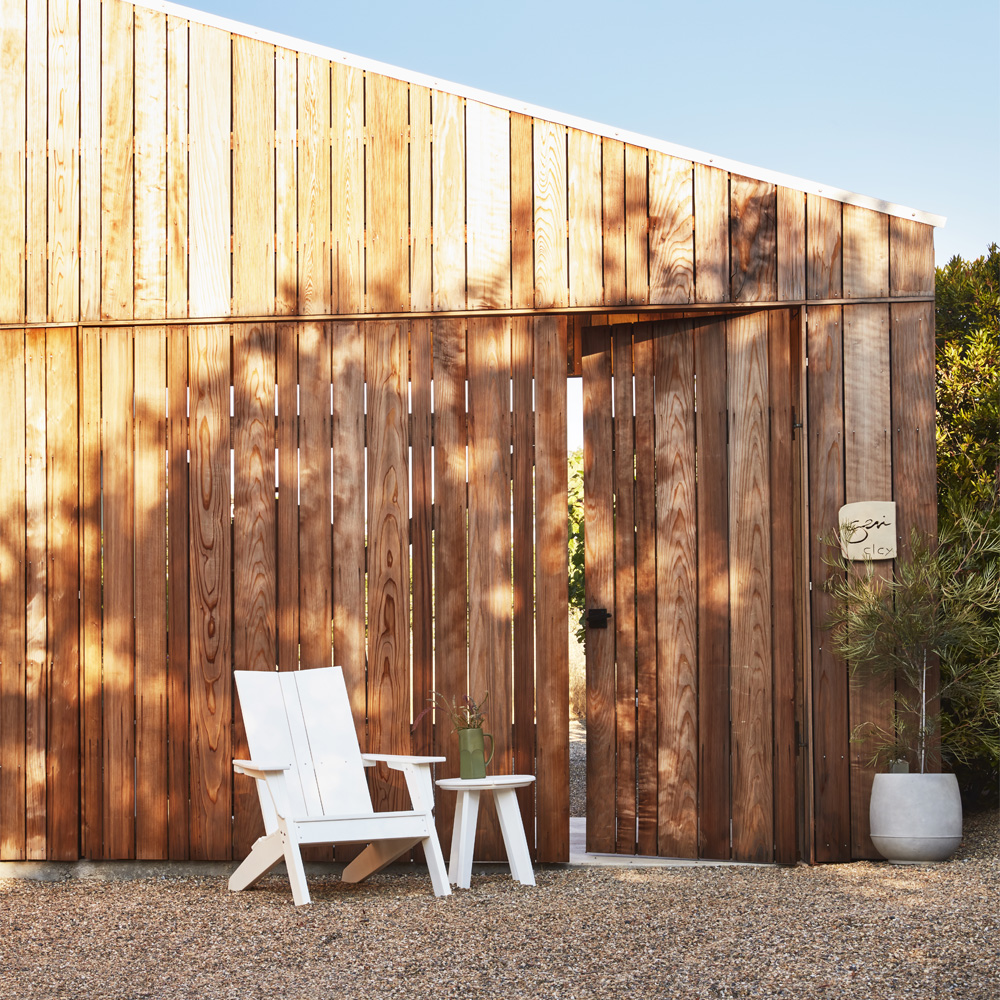
Color theory has also shifted toward the monochromatic in 2026. While the "beach house blue" of the 2010s had its moment, modern landscapes are currently defined by Matte Black, Arctic White, and Slate Grey. A circle of black Adirondack chairs against a lush green lawn or a grey stone patio creates a high-contrast, sophisticated visual that feels grounded and permanent.
Four-Season Durability: The Winter Protocol
One of the most frequent questions I receive as an editor is, "Can I really leave these out all winter?" If you’ve invested in high-density poly-lumber or powder-coated aluminum, the answer is a qualified yes. These materials do not absorb moisture, meaning they won't crack during freeze-thaw cycles.
However, even the most durable materials are susceptible to environmental debris. Pollen, sap, and atmospheric pollutants can create a film on the surface. For maintenance, a simple garden hose or a soft cloth with mild soap is all that's required.
Winterizing Strategies by Climate:
- Northeast/Midwest (Heavy Snow): While the chair won't break, the weight of six feet of snow can stress the joints over time. If possible, tilt the chairs forward against the fire pit or use a fitted furniture cover to prevent snow accumulation.
- Coastal Regions (Salt Spray): Salt is the enemy of hardware. Even if the lumber is plastic, ensure the screws are 316-grade stainless steel. Rinse the chairs once a month to prevent salt-crust buildup.
- Desert Southwest (High UV): This is where cheap plastic fails. Ensure your chairs are rated for "UV-20" or higher, meaning the pigment is formulated to withstand intense solar radiation without fading for two decades.
FAQ
Q: Are poly-lumber chairs environmentally friendly? A: Yes. Most high-quality poly-lumber is made from 90% to 95% post-consumer recycled plastic. By choosing these over wood, you are diverting thousands of plastic bottles from landfills and reducing the demand for timber.
Q: Do I need cushions for a modern Adirondack? A: While the ergonomic 15-degree pitch and rolled edges make these chairs much more comfortable than older models, a thin, weather-resistant Sunbrella cushion can add a layer of luxury for long afternoons of reading.
Q: How do I know if a chair is actually HDPE or just cheap plastic? A: Check the weight and the texture. HDPE has a dense, wood-like grain and feels heavy to the touch. Cheap "HIPS" (High Impact Polystyrene) feels more like a plastic toy, is much lighter, and is prone to shattering in cold temperatures.
Conclusion
The modern Adirondack chair is more than a piece of furniture; it is a long-term investment in your home’s "living square footage." By prioritizing high-density materials like HDPE and paying close attention to ergonomic refinements like seat pitch and rolled edges, you can create an outdoor sanctuary that requires zero maintenance and offers maximum comfort. Whether you are framing a mountain view or a backyard fire pit, the right chair is the one that allows you to stop worrying about maintenance and start enjoying the sunset.