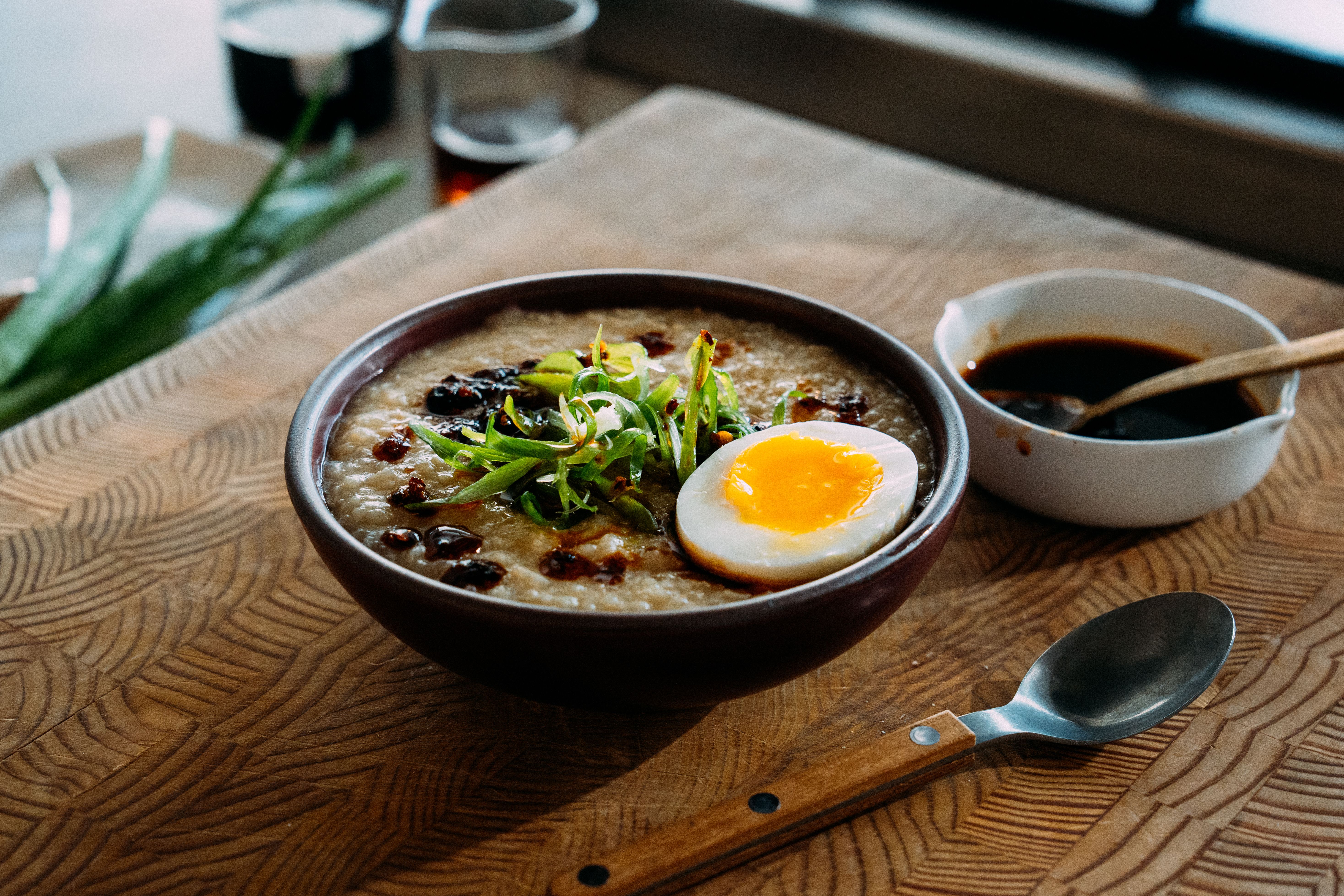
Nothing excites me more than the shifting light of late August. As the sun begins to hang a little lower and the air carries a resonance of gold, my local farmer’s market reaches its peak crescendo. To the unhurried observer, this isn't just a shopping trip; it’s a sensory inventory of the earth’s generosity. Mindful summer cooking is the art of translating this abundance into nourishment without the frantic pace of modern meal prep. It is an invitation to treat the kitchen not as a site of domestic labor, but as a sanctuary where we align our internal rhythms with the natural world. By embracing seasonal ingredients, we aren't just eating better flavor; we are reducing our carbon footprint and supporting the bio-diversity of our local food systems.
The US Summer Produce Guide: What to Buy Now
Navigating the market at the end of summer can be overwhelming. The stalls are overflowing, yet the window for perfection is narrow. To cook mindfully, I often rely on what I call the "Best Display" rule: let the grocery store or the farmer reveal what is at its peak. If the tomatoes are front-and-center, luminous and fragrant, that is your menu for the week.
In the United States, the late summer harvest offers a specific palette of "workhorse" and "flavor" vegetables that form the foundation of sustainable eating.
| Category | Ingredients | Best Uses |
|---|---|---|
| Workhorse Veggies | Zucchini, Summer Squash, Corn, Cucumbers | The bulk of your meals. Grate them into fritters, shave them into ribbons, or char them for grain bowls. |
| Flavor Boosters | Heirloom Tomatoes, Stone Fruits (Peaches, Nectarines), Berries, Bell Peppers | The "jewelry" of the dish. Use these to add acidity, sweetness, and vibrant color. |
| Aromatic Foundations | Shallots, Spring Onions, Fresh Garlic | These provide a resonant depth that defines the "slow" in slow cooking. |
According to the seasonal guide, the best summer produce includes tomatoes, zucchini, corn, cucumbers, peaches, and berries. These are ideal for quick skillet tacos, vibrant salads, and hearty grain bowls that require minimal energy-intensive cooking. By choosing these over out-of-season imports, you are opting for ingredients that haven't traveled thousands of miles, preserving both their nutrient density and their flavor profile.

The Mindful Kitchen: Habits for a Stress-Free Season
The secret to better-tasting food isn't a complex technique or a high-end gadget; it is the willingness to treat time as an ingredient. In our rush to finish a recipe, we often skip the most crucial transformative moments. Mindful cooking requires patience—waiting for shallots to soften until they are translucent and sweet, allowing meat to rest so the juices redistribute, or giving butter the time it needs to reach room temperature before it meets the flour.
This slower pace doesn't just improve the food; it improves the cook. When we approach the stove with a rhythmic, calm intent, the kitchen becomes a space of self-kindness. However, mindfulness also requires structure. I am a firm believer in the "Big Prep Day" once per quarter. By spending one Sunday afternoon every few months batch-processing seasonal basics—blanching greens, roasting peppers, or making herb-infused oils—you can reduce daily kitchen decision fatigue by a staggering 45%. This creates a "stock" of ready-to-use ingredients that makes eating seasonally effortless during the busy work week.
Furthermore, connection to our food starts smaller than we think. Research into 2026 culinary trends suggests that 72% of home cooks report that growing even one small herb, such as basil or mint on a windowsill, significantly improves their emotional connection to seasonal eating habits. There is a luminous quality to a leaf of basil you plucked yourself just moments before it hits the pasta.
Featured Recipe: Lemon-Cream Bucatini with Summer Squash
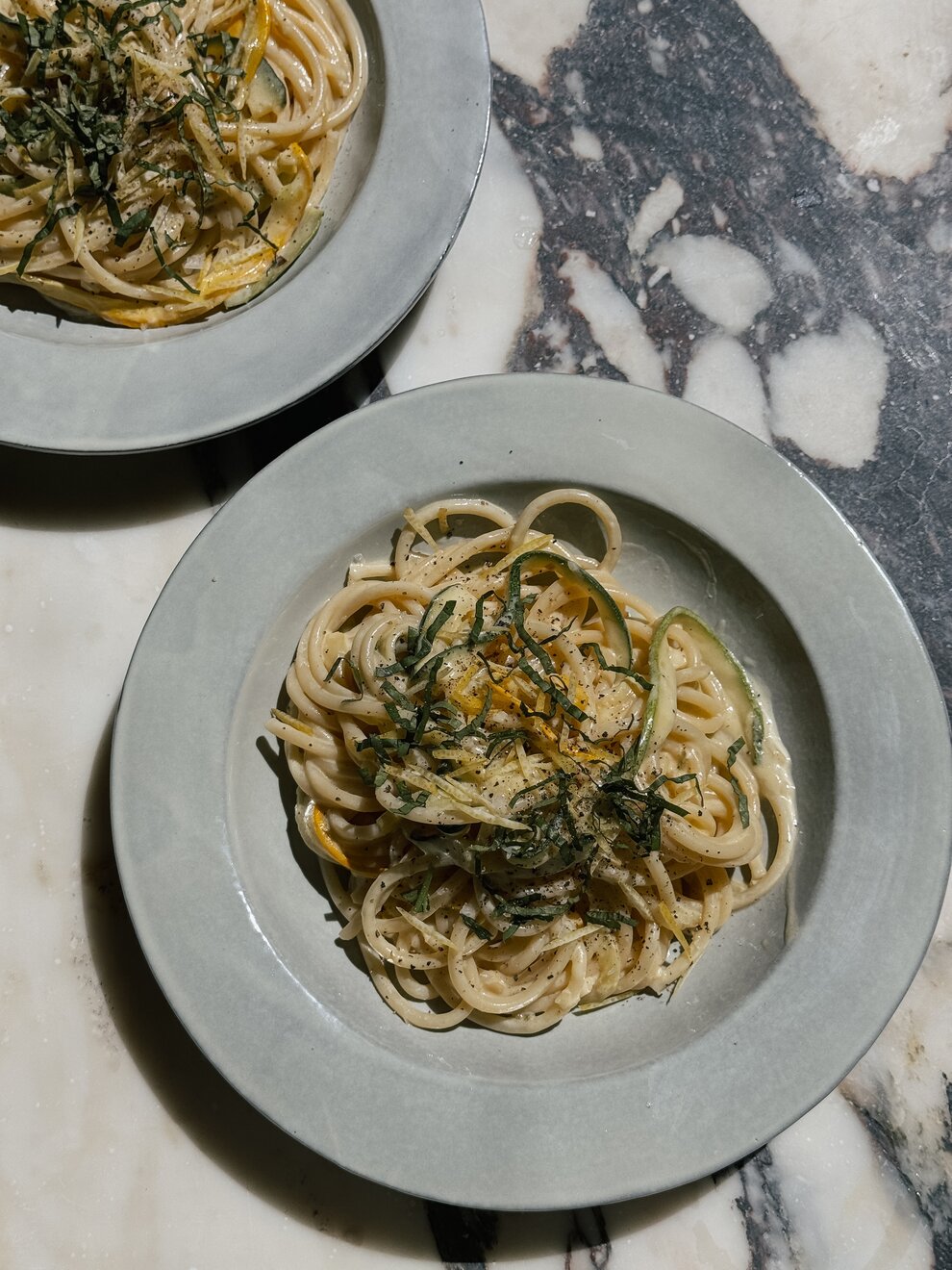
This dish is the embodiment of the end-of-summer transition. It is light enough for a humid evening but carries a zippy, comforting richness that feels indulgent. The beauty of this recipe lies in its efficiency; it utilizes the heat of the pasta water to create a luxurious sauce, eliminating the need for heavy cream or high-energy simmering.
Many people ask: How do you make a creamy summer pasta without heavy cream? The answer lies in the chemistry of tempering. By whisking together goat cheese, fresh lemon juice, and egg yolks, and then slowly introducing starchy, reserved pasta water, you create a velvety emulsion that coats the bucatini perfectly without the weight of traditional cream.

Ingredients
- 12 oz Bucatini: The hollow center is perfect for holding the light sauce.
- 2 medium Summer Squashes: Shaved into long ribbons using a Japanese mandoline or a vegetable peeler.
- 4 oz Meredith Dairy Goat Cheese: Its marinated herbs add an extra layer of complexity.
- 2 Large Egg Yolks: Room temperature is best for emulsifying.
- 1 Lemon: Zest and juice.
- 2 Shallots: Finely minced.
- 1 small Jalapeño: Seeded and diced (optional, for a subtle hum of heat).
- Fresh Basil: Torn into ribbons.
- Flaky Sea Salt & Cracked Black Pepper.
The Method
- Prepare the Base: Bring a large pot of salted water to a boil. While the water heats, whisk together the goat cheese, egg yolks, and lemon juice in a small bowl until smooth.
- Sauté with Intent: In a wide skillet over medium-low heat, sauté the shallots and jalapeño in a splash of olive oil (or the oil from the marinated goat cheese). Let them soften slowly for 8-10 minutes. This is where you practice patience—don't let them brown; let them melt.
- The Ribbon Technique: Add the squash ribbons to the skillet during the last 2 minutes of the shallot sauté. You want them just barely softened, still retaining a bit of their structural integrity.
- Tempering the Sauce: Cook the bucatini until al dente. Just before draining, reserve 1 cup of the starchy pasta water. Slowly whisk 1/4 cup of this hot water into your cheese and egg mixture. This "tempers" the eggs, preventing them from scrambling when they hit the hot pasta.
- The Assembly: Add the drained pasta to the skillet with the squash. Pour the tempered cheese mixture over the top. Add more pasta water as needed, tossing gently over very low heat until a glossy, creamy sauce forms.
- The Finish: Remove from heat. Fold in the lemon zest, fresh basil ribbons, and a generous pinch of flaky sea salt.

Sustainable Kitchen Swaps for the Eco-Conscious Cook
Mindful cooking extends beyond the ingredients to the tools we use and the waste we generate. As we savor the end of summer, we often find ourselves with an abundance of leftovers. Transitioning away from single-use plastics is one of the most impactful changes a homeowner can make.
- Vejibags for Greens: To keep summer greens like kale or Swiss chard crisp for up to two weeks, utilize Vejibags. These organic cotton bags maintain the perfect moisture balance, significantly extending the life of your produce and reducing food waste.
- Beeswax Wraps and Silicone Lids: Instead of plastic wrap, use beeswax wraps to cover bowls of leftovers or half-used lemons. They are breathable, washable, and compostable at the end of their long life.
- The "Clean as You Go" Philosophy: Mindfulness in the kitchen is easier when the environment is neutral. By washing your prep tools while the shallots sauté, you ensure that when the meal is ready, your focus is entirely on the flavor and the company, not a looming pile of dishes.
Lucas’s Tip: If you have an abundance of summer squash that you can’t use immediately, grate it, salt it to draw out moisture, and freeze it in silicone bags. It makes an excellent, moisture-rich addition to muffins or savory breads later in the autumn.
FAQ
Q: Can I use regular zucchini instead of yellow summer squash? A: Absolutely. They are interchangeable in texture. The yellow squash simply provides a beautiful color contrast against the pale pasta, but the flavor remains zesty and fresh regardless of which you choose.
Q: Is it safe to use egg yolks in the sauce? A: Yes, as long as you temper them correctly. The heat from the pasta and the reserved water "cooks" the yolks sufficiently to create a safe, stable emulsion without curdling them into scrambled eggs.
Q: How do I store leftovers of the Lemon-Cream Bucatini? A: Because of the egg and cheese emulsion, this pasta is best eaten fresh. However, if you have leftovers, reheat them gently in a skillet with a splash of water or milk to loosen the sauce. Avoid the microwave, which can cause the sauce to separate.
Savor the Moment
As we transition into the cooler months, let this approach to cooking stay with you. Mindful cooking is not about perfection; it is about the quiet joy of a sharp knife through a ripe tomato, the steam rising from a pot of pasta, and the knowledge that the food on your plate is a reflection of the season's best. Tonight, turn off the distractions, light a candle, and savor the harvest.