We have all experienced that frantic, fleeting moment upon waking—the desperate attempt to grasp the tail end of a dream before it dissolves like morning fog. Our subconscious spends hours weaving intricate, surreal narratives, only for them to evaporate the second we check our email or hear an alarm. Traditionally, the "dream journal" was a notebook and pen, a clunky interface for a mind still half-submerged in sleep. But what if you could speak your visions into existence and watch them materialize as cinematic art?
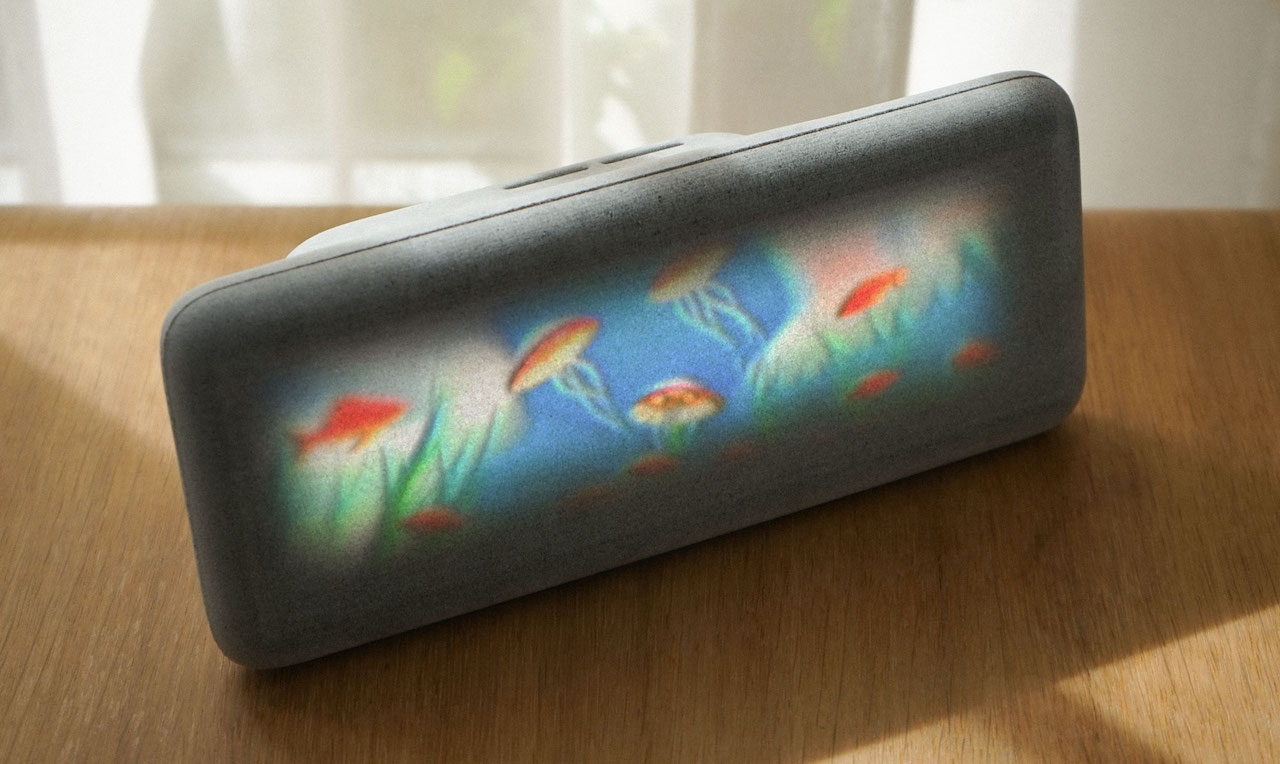
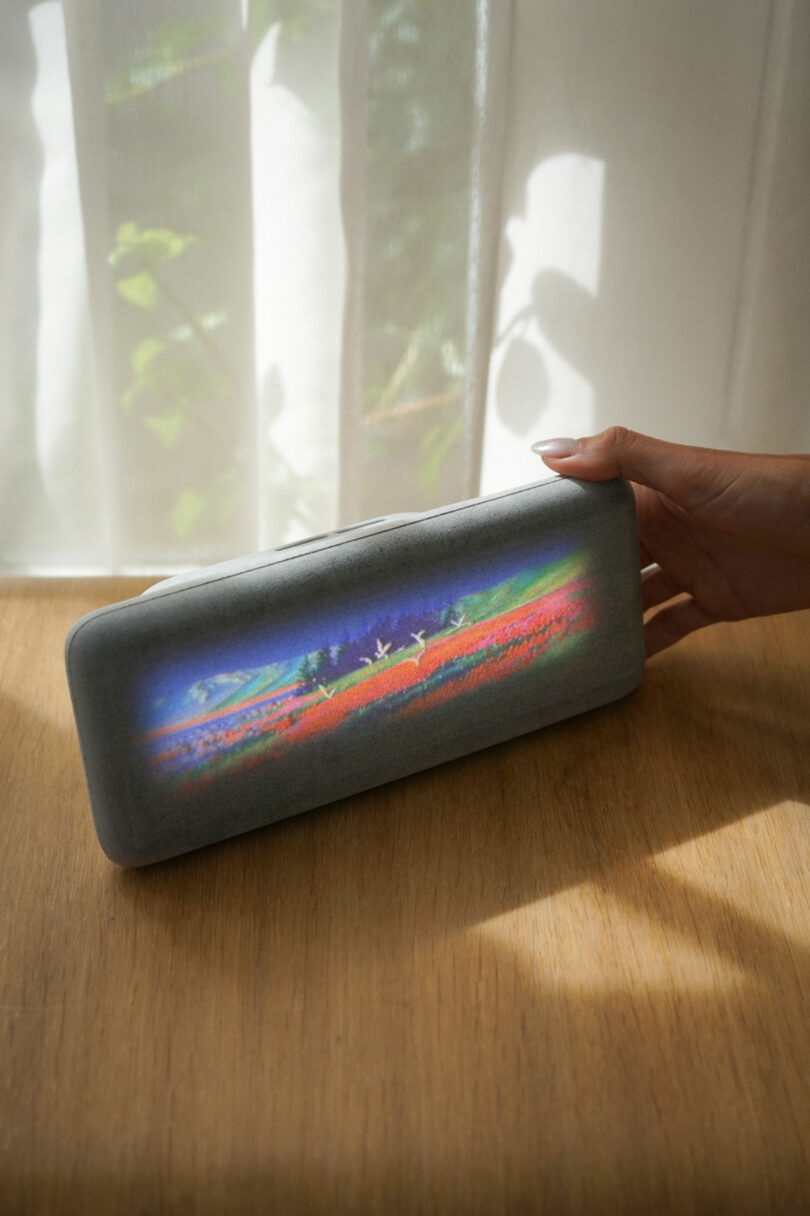
The Modem Dream Recorder is an open-source, AI-powered bedside device designed to do exactly that. It acts as a physical bridge between your subconscious and the waking world, converting spoken dream descriptions into lo-fi, atmospheric videos. Unlike the intrusive apps on your smartphone, this is a standalone piece of hardware—a dedicated vessel for your inner world that requires no screen, no notifications, and surprisingly, no advanced engineering degree to build.
How It Works: From Spoken Words to Lo-Fi Visuals
The beauty of the Dream Recorder lies in its friction-less interaction. In the hazy moments of early morning, the last thing you want is the blue light of a smartphone or the complexity of a keyboard. The device features a simple tactile interface: you press a button and describe what you saw.
This spoken monologue is processed locally using voice-to-text technology. By handling the transcription on the device itself before sending the text to a cloud-based generative video engine, the Dream Recorder ensures a distraction-free environment. There are no pings, no "likes," and no algorithmic interruptions—just your voice and the machine.
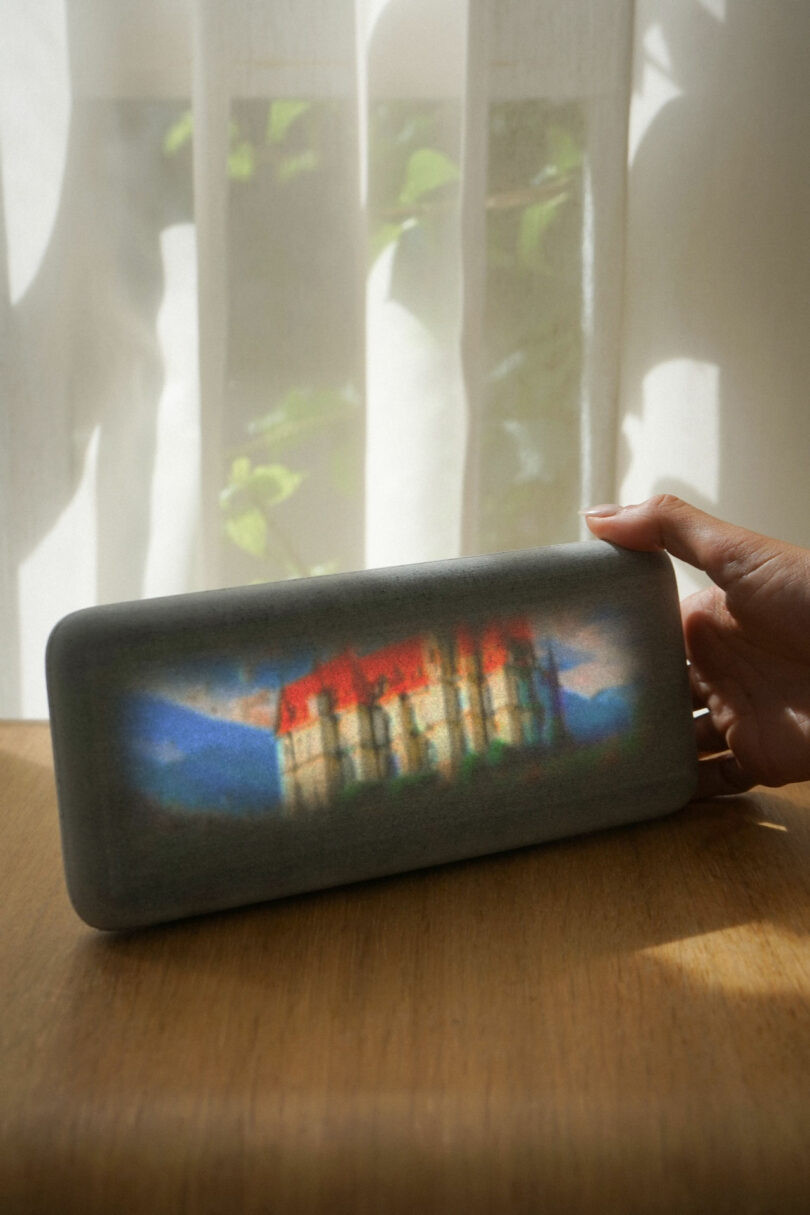
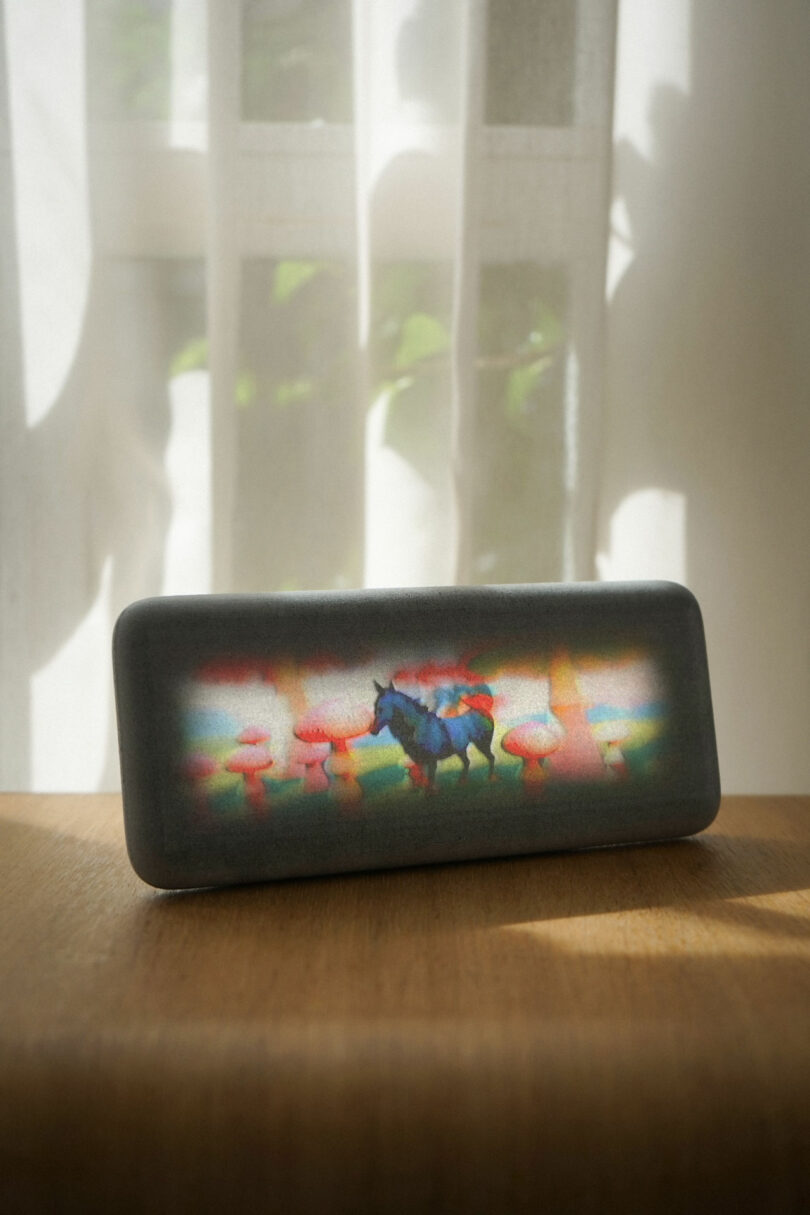
One of the most intentional design choices by the creators at Modem is the "lo-fi" aesthetic of the output. While modern AI models like Sora or Runway Gen-3 are racing toward photorealism, the Dream Recorder leans into the impressionistic. It produces videos that feel like memories—grainy, ethereal, and slightly out of focus. This stylistic choice better reflects the "vibe" of dreaming, where logic is fluid and details are often shrouded in shadow.
Pro-Tip for Dream Recall: To get the best results from your Dream Recorder, try to describe emotions and colors first. The AI responds remarkably well to "mood" keywords like melancholy blue, liminal space, or weightless, which helps anchor the generative video in the feeling of the dream rather than just the literal objects.
Building Your Own: The DIY Open-Source Path
In an era of "black box" technology, Modem has taken a refreshingly transparent approach. The Dream Recorder is an open-source project, a collaboration between Modem and designer Mark Hinch. The files are available on GitHub, inviting anyone with a curious mind to build, tweak, and improve the design.
Perhaps the most significant breakthrough for the hobbyist community is the "no-soldering" assembly. Traditionally, building custom AI hardware required a steady hand with a soldering iron and a deep understanding of circuitry. By utilizing off-the-shelf components and a clever snap-fit interior, the Dream Recorder reduces the technical barrier for DIY assembly by an estimated 40% compared to traditional electronics projects.
Technical Specifications Table
| Component | Role | Source |
|---|---|---|
| Microprocessor | Runs local voice-to-text and handles connectivity. | Raspberry Pi or similar |
| Microphone Array | Captures clear audio in a quiet bedroom setting. | Off-the-shelf USB/I2S |
| Shell | Houses components with a minimalist aesthetic. | 3D-Printed (Files on GitHub) |
| Software | Open-source Python scripts for API integration. | DreamRecorder.ai / GitHub |
| Connectivity | Local Wi-Fi for cloud video generation. | Built-in |
To get started, you simply download the 3D-printing files for the shell and order the internal components. The assembly is intuitive, designed more like a sophisticated LEGO set than a piece of industrial equipment. This accessibility ensures that "subconscious art" isn't just for developers, but for artists, poets, and dreamers of all backgrounds.
Designed for Rest: A Standalone Device Without the Noise
The bedroom is a sacred space, yet we’ve allowed it to be colonized by devices that demand our attention. The Modem Dream Recorder is a rebuttal to the "app-ification" of everything. It is a standalone, app-free device.
By eliminating the need for a smartphone, the Dream Recorder protects your sleep hygiene. There are no active notifications to wake you in the middle of the night. Because the voice-to-text processing begins locally, the device remains silent and dormant until you choose to interact with it.
Even its physical presence is designed for the dark. The shell is made of a glow-in-the-dark material, providing a soft, ambient guide for your hand in the middle of the night without the need for harsh bedside lamps. It’s a functional object that respects the rhythm of the human circadian cycle.

Subconscious Art: The New Frontier of AI Expression
We are entering an era of "Dream Engineering." For years, prompt engineering has been about telling AI exactly what to do—"Draw a cat in a hat in the style of Van Gogh." But the Dream Recorder facilitates a different kind of collaboration. It’s less about command and more about confession.
When you describe a dream, you aren't trying to create a commercial product; you are trying to capture a feeling. The AI acts as a mirror, reflecting back a visual interpretation of your internal landscape. This shift from literal interpretation to poetic, cinematic dreamscapes marks a new frontier in human-AI interaction. While high-end tools like Sora are perfect for creators looking for professional-grade footage, the Dream Recorder is a tool for the individual to explore their own psyche.
It turns the intangible—a dream—into something tangible—a video file. Over a month, you don't just have a list of memories; you have a visual journal of your subconscious journey.
Conclusion: Making the Intangible Tangible
The Modem Dream Recorder isn't just a piece of tech; it’s a philosophical statement about what we value. In a world that prioritizes productivity and waking hours, this device celebrates the one-third of our lives spent in the dark. It acknowledges that the images we see behind closed eyes have value, and that by giving them form, we can better understand ourselves.
Whether you are a DIY enthusiast looking for your next weekend project or a dreamer tired of losing your nightly visions to the morning light, the Dream Recorder offers a unique way to bridge the gap. It is a reminder that even in the age of advanced artificial intelligence, the most interesting data is still the kind we generate while we sleep.
FAQ
1. Does the Dream Recorder record all night? No. The device is not a "passive" listener. It only activates when you physically press the button to record your dream description. This ensures privacy and prevents the storage of unnecessary background noise.
2. Is the video generation free? Since the device is open-source, the hardware costs are one-time. However, the generative AI video processing usually relies on cloud APIs (like OpenAI or Stability AI). Depending on which service you link your code to, there may be small per-video usage fees.
3. Do I really not need to solder anything? Correct. The "no-soldering" design is a core feature of this version of the project. It uses jumper wires and pre-soldered headers on the components, making it accessible to those who have never built electronics before.