Quick Facts
- Priority Level: High; focus on hygiene and allergens
- Estimated Time: 4 hours per weekend over one month
- Core Focus: Improving air quality and prevented bacterial growth
- Key Tools: Microfiber cloths, white vinegar, baking soda, and a vacuum with brush attachment
- Efficiency Tip: Clean ceiling fans twice monthly to improve airflow and reduce dust distribution
- Maintenance Goal: Neutralize heat-related odors and prevent seasonal wear and tear
A comprehensive summer cleaning checklist focuses on seasonal grime traps like window screens, trash cans, and reusable gear to prevent bacterial growth and pollen buildup. By using microfiber cloths for dust and vacuuming screens instead of power washing, you can maintain a cleaner, more mindful home that supports both your health and your comfort during the hottest months of the year.
As the sun lingers longer in the sky and the interior of our homes begins to absorb the afternoon heat, the way we maintain our living spaces needs to shift. While spring is about the big reset, summer is about managing the unique biological and environmental pressures that come with humidity, high temperatures, and an active outdoor lifestyle. My philosophy at Sophie Wang Home has always been that a clean home is a functional home, and nowhere is this more evident than in how we handle summer cleaning tips to keep our sanctuaries peaceful.
In this guide, I have broken down the essential tasks into a manageable 4-week roadmap. We will look past the visible clutter and find the hidden grime traps—the places where bacteria double in minutes and pollen settles into the very air we breathe.
Week 1: Air Quality & Cooling Efficiency
The quality of the air inside your home directly impacts your energy levels and sleep quality. During the summer, we often keep windows closed to trap the air conditioning, which means any indoor pollutants are just being recirculated. Our first week focuses on the systems that move air.
Window Screens and Frames
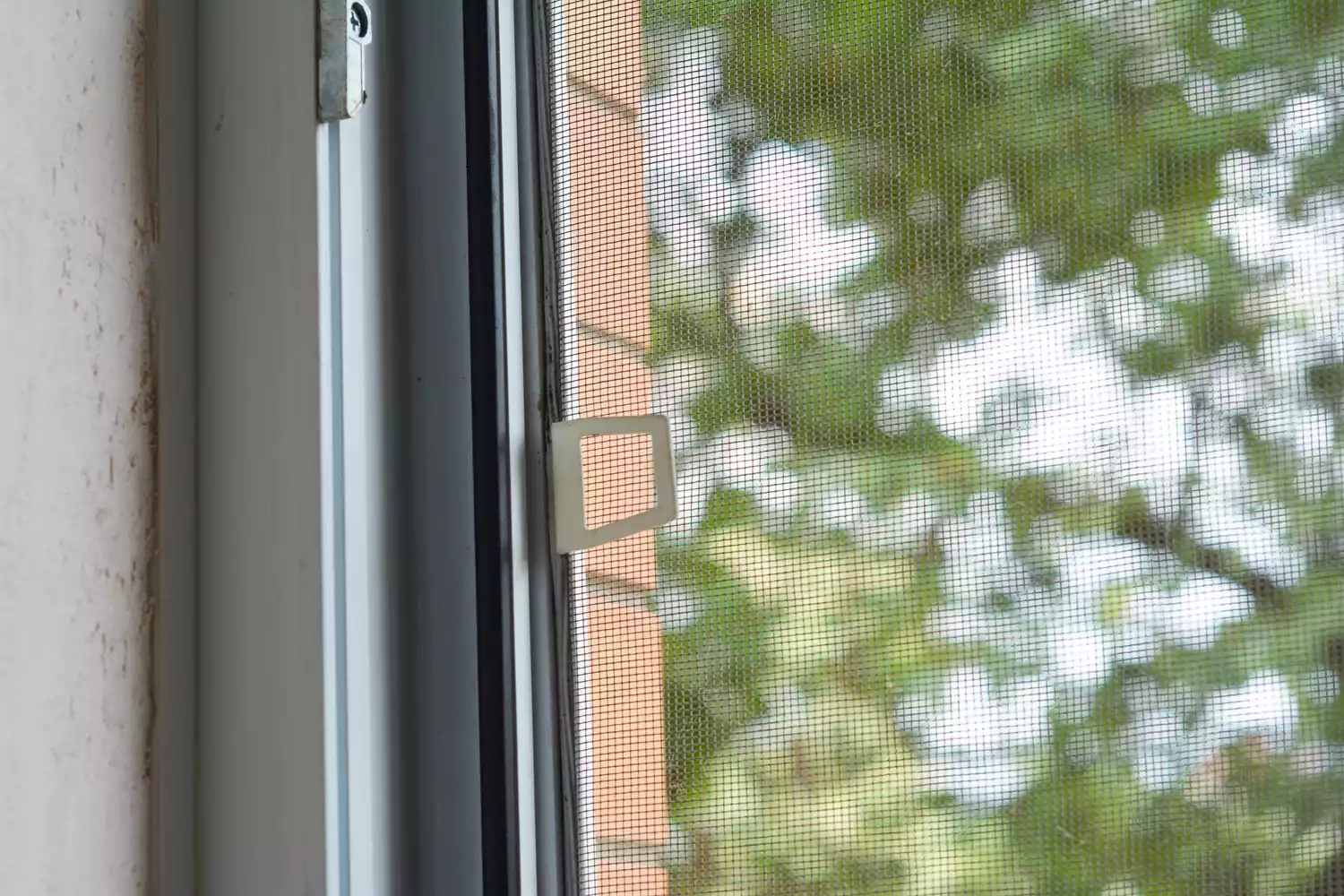
Window screens are one of the most significant yet overlooked grime traps. Throughout the spring and early summer, they act as a filter for the outside world, catching everything from dust to heavy pollen buildup. When you open a window to catch a evening breeze, you are potentially blowing those allergens directly into your living room.
I recommend a gentle approach: use a vacuum with a soft brush attachment to lift away debris. Avoid the temptation to use a power washer, as the high pressure can stretch the mesh or damage the frame. If they are particularly sticky, a light wipe with a damp microfiber cloth and a drop of dish soap will do the trick.
Ceiling Fans and HVAC Filters
Ceiling fans should be part of a monthly summer household cleaning routine, but during peak heat, I suggest cleaning them twice a month. Dust accumulates on the leading edge of the blades and is then flung across the room when the fan is on high.
Expert Pro-Tip: Use an old pillowcase to clean fan blades. Slide the pillowcase over the blade and pull it back; all the dust stays trapped inside the bag instead of falling on your furniture or flooring.
Finally, check your HVAC filters. A clogged filter makes the unit work harder, increasing energy costs and shortening the motor's life. Replacing these regularly is a simple way to maintain cooling efficiency and allergen reduction.
Week 2: Outdoor Entertaining & Waste Management
Heat and moisture are the primary drivers of bacterial growth, and nowhere is this more apparent than in your waste management system and outdoor living areas.
The Science of the Trash Can
It is a sobering thought, but a study by the National Sanitation Foundation found that residential garbage bins harbor an average of 411 bacterial colonies per square inch. That is significantly more than the 295 colonies typically found on a kitchen sponge. In high heat, these bacterial populations can double in as little as 20 minutes.
To manage this, you need a proactive monthly deep cleaning checklist for your bins. Take them outside, scrub them with a mixture of water and white vinegar (a natural odor neutralization agent), and let them sun-dry. The UV rays from the sun act as a natural disinfectant.
Patio Furniture and Cushions
Outdoor fabrics take a beating from the elements, but also from us. Sunscreen residue, sweat, and spilled drinks create a sticky film that attracts dirt.
- [ ] Strip removable covers and wash according to the label.
- [ ] For non-removable fabric, use a soft brush and a mix of mild soap and warm water.
- [ ] Hose down the frames of chairs and tables to remove bird droppings and environmental soot.
Cleaning outdoor patio furniture and cushions prevents permanent staining and ensures your outdoor "room" feels just as inviting as your indoor one.

)
Week 3: High-Activity Summer Gear Safety
Summer adventures often mean gear that gets wet and stays wet. This week is about deep cleaning checklist items that we often forget until they start to smell.
Hydration Gear and Reusable Bottles
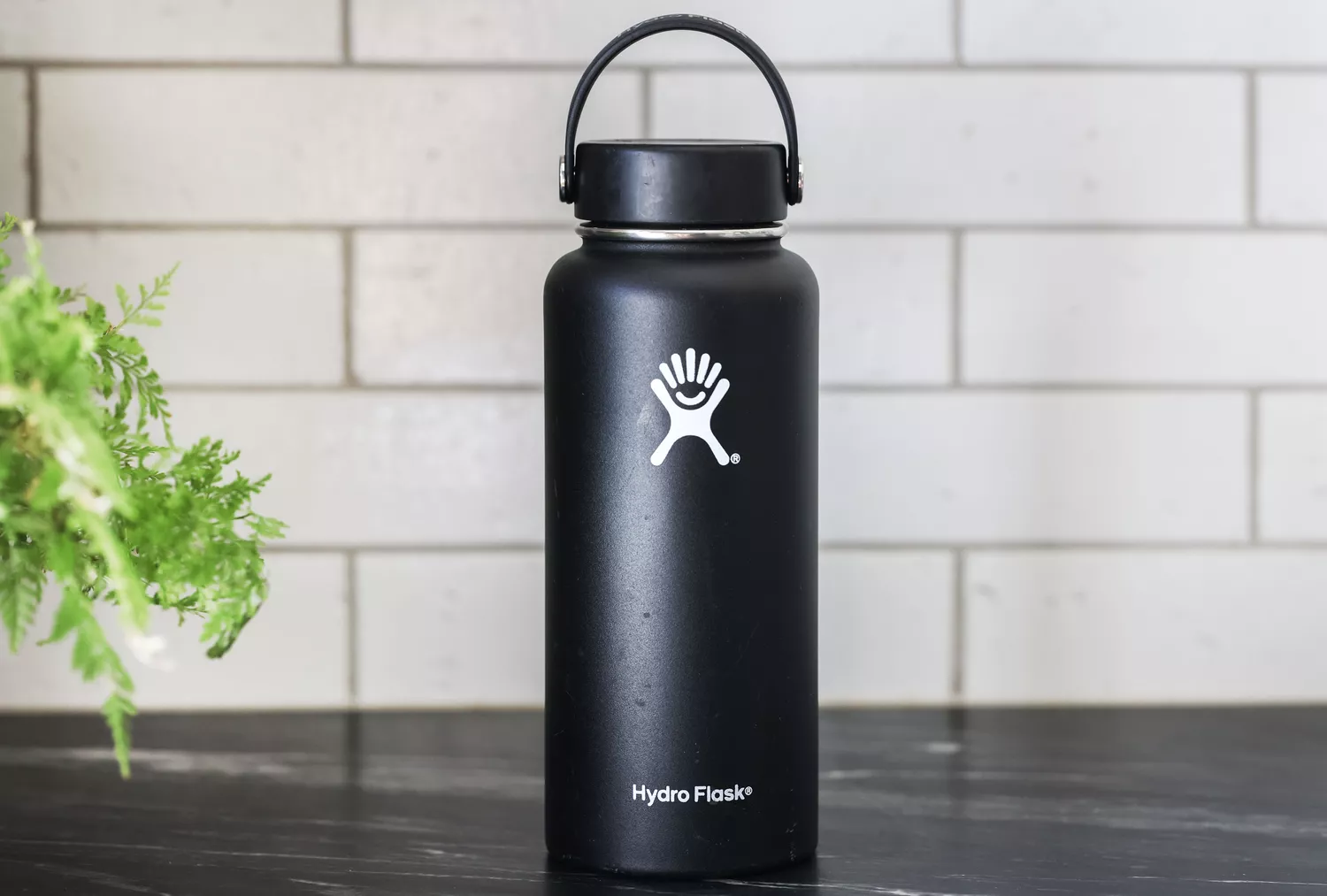
We use our water bottles more than ever during the summer, but how often are we really cleaning them? It is not enough to just rinse them. Experts warn that the typical kitchen sponge can harbor more than 50 billion bacterial cells per cubic centimeter, so using an old sponge to "clean" your bottle might be doing more harm than good.
Focus specifically on cleaning reusable water bottles and lids by disassembling all parts. Use a small brush to scrub the rubber gaskets and straw attachments. These are the prime locations for mildew prevention and where black mold loves to hide.
Coolers and Performance Gear
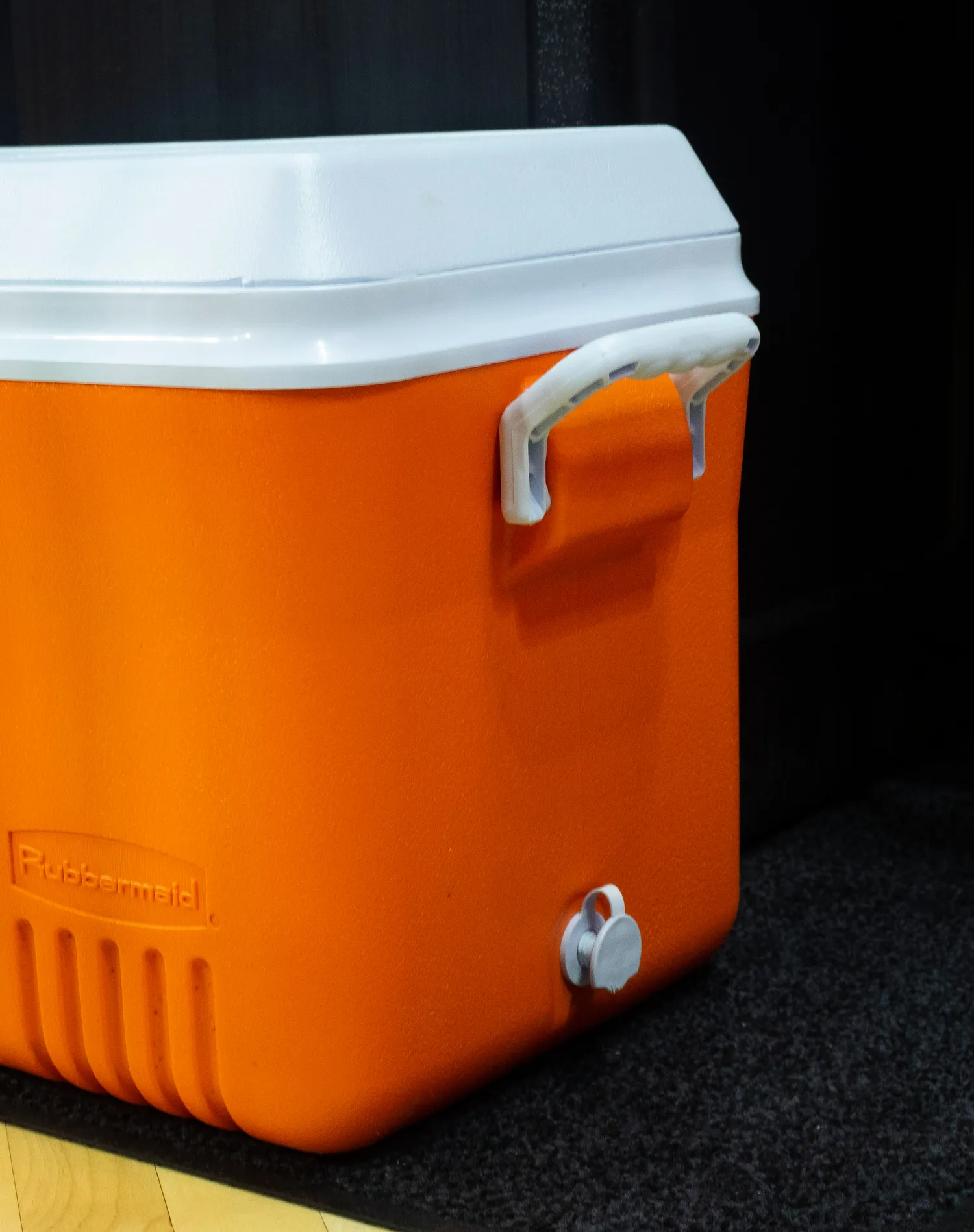
Coolers are a major grime trap because of the drain plug. This small area often traps food residue and melted ice water, creating a perfect breeding ground for bacteria. Use a diluted bleach solution or vinegar to sanitize the interior and the drain plug after every trip.
For those who spend time on the water, don't forget your life jackets. Sweat and salt water can degrade the materials. A quick rinse with fresh water and a thorough air-dry in the shade (to prevent UV damage to the foam) will extend their life and keep them smelling fresh.
Week 4: Mindful Interior Refresh
As we round out our summer deep cleaning checklist, we look at the core of the home. These tasks are about preservation and financial mindfulness.
Mattress Maintenance and Humidity Control
Humidity can make our beds feel less than fresh. Dust mites thrive in humid environments. To combat this, strip your bed and sprinkle the mattress with baking soda. Let it sit for at least 30 minutes to absorb moisture and odors before vacuuming it up. This simple step provides a significant refresh to your sleeping environment.
The Leak Audit
Summer is an excellent time to check for leaks. According to the EPA, an average household's leaks can account for nearly 10,000 gallons of water wasted every year. Fixing easily corrected household water leaks can save homeowners about 10% on their water bills. Check under sinks, around toilets, and at exterior spigots.
| Task Category | Monthly Task | Mid-Season Deep Clean |
|---|---|---|
| Air Quality | Vacuum screens, wipe fan blades | Replace HVAC filters |
| Waste | Sanitize kitchen trash can | Deep scrub outdoor bins |
| Outdoor | Hose down patio surfaces | Wash all cushions and umbrellas |
| Kitchen | Clean dishwasher filter | Sanitize all reusable bottle gaskets |
Expert Pro-Tip: To keep your home cool while doing summer chores, try to schedule your most "active" cleaning—like scrubbing the bathtub or vacuuming—for the early morning or late evening. This keeps your body temperature down and prevents your home's cooling system from working overtime.
Summary: A Systems-Driven Summer
Creating a mindful home isn't about perfection; it is about creating a system that supports your lifestyle. By following this summer cleaning checklist, you aren't just "doing chores"—you are protecting your family from bacteria, improving the air you breathe, and ensuring that your summer gear stays in peak condition for years to come.
When you address these 8 surprising grime traps, you move from a reactive state of cleaning to a proactive state of home management. This allows you to spend less time worrying about the mess and more time enjoying the vibrant, joyful season that is summer.
FAQ
What is included in a summer cleaning checklist?
A summer cleaning checklist should prioritize tasks that address heat, humidity, and outdoor activity. This includes cleaning window screens of pollen, sanitizing trash cans to prevent bacterial growth, washing outdoor furniture, maintaining HVAC filters, and deep-cleaning reusable gear like water bottles and coolers. It also includes interior tasks like refreshing mattresses and checking for water leaks.
What is the difference between spring and summer cleaning?
Spring cleaning is typically a "deep reset" where you declutter, wash windows, and clean behind large appliances after a long winter. Summer cleaning is more maintenance-focused, aiming to manage the biological effects of heat—such as odors, mold, and bacteria—and ensuring that cooling systems are running efficiently during the peak temperature months.
What outdoor areas should be cleaned during the summer?
Key outdoor areas include the patio or deck, which should be hosed down to remove dirt and pollen. Outdoor furniture, cushions, and umbrellas require cleaning to remove sunscreen and sweat residue. Additionally, outdoor trash bins need regular sanitization, and the grill should be maintained with a high-heat burn to release carbonized grease.
How do I get my house ready for the summer months?
Start by ensuring your cooling systems are efficient by cleaning ceiling fans and replacing HVAC filters. Prepare your windows by vacuuming screens to improve air quality. It is also helpful to switch to lighter bedding and perform a leak audit to ensure you aren't wasting water during high-usage months. Finally, organize your summer gear—like beach towels and coolers—so they are clean and accessible.
How can I keep my house cool while doing summer chores?
To keep your house cool, perform high-energy cleaning tasks during the early morning or evening when outside temperatures are lower. Keep curtains or blinds closed on the sunny side of the house while you work. Using a microfiber cloth for dusting helps capture particles quickly without the need for heavy chemicals or excessive movement that generates body heat.