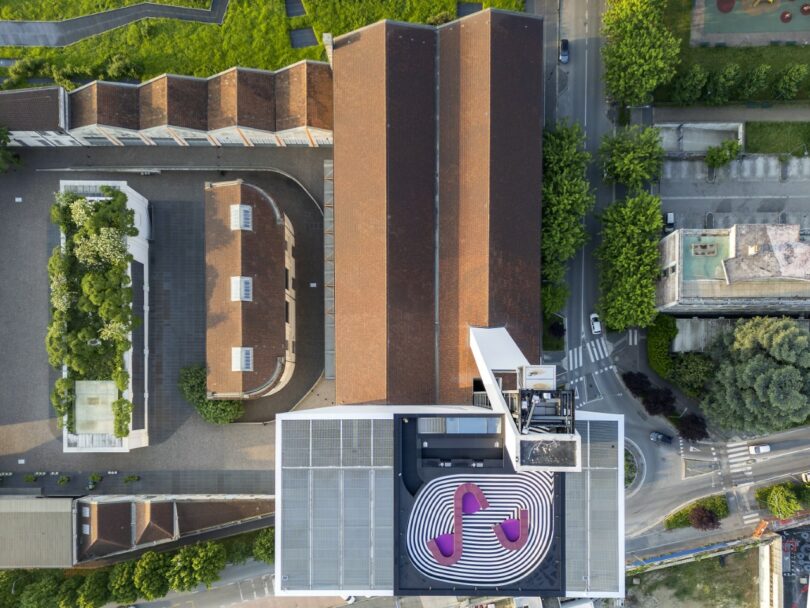
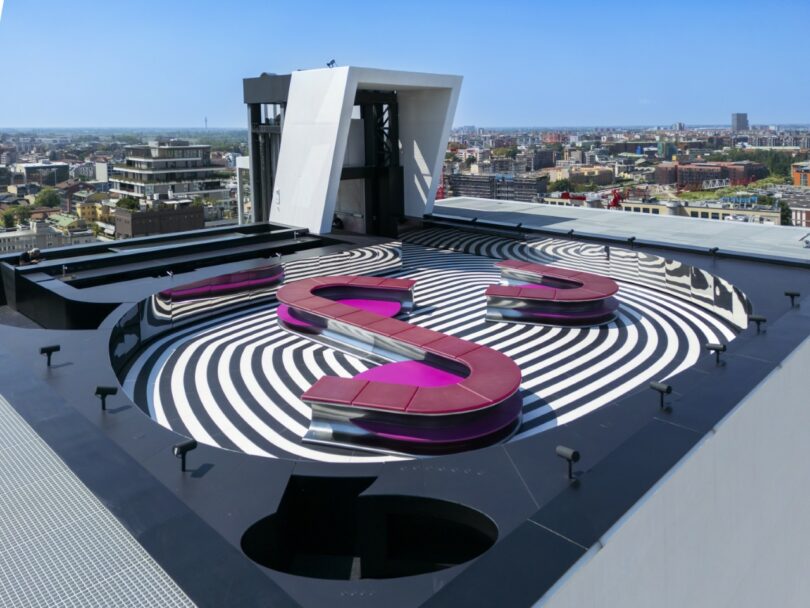
Imagine standing on the rooftop terrace of the Fondazione Prada in Milan, where the skyline bleeds into a hazy Italian dusk. Here, the traditional boundary between architecture and furniture dissolves. You aren’t looking at a sofa in the conventional sense; you are looking at the LS24-Lounge System, a visionary installation that serves as a harbinger for how we will live, sit, and interact in the coming years. As we look toward 2026, the living room is shedding its rigid "showroom" skin to become a "Livable Oasis"—a space defined not by static arrangements, but by the intelligence of design and the fluidity of modularity.
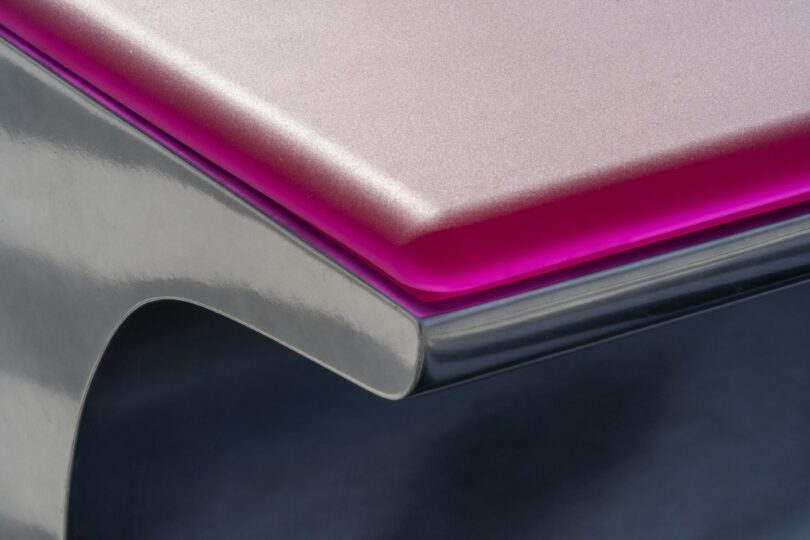
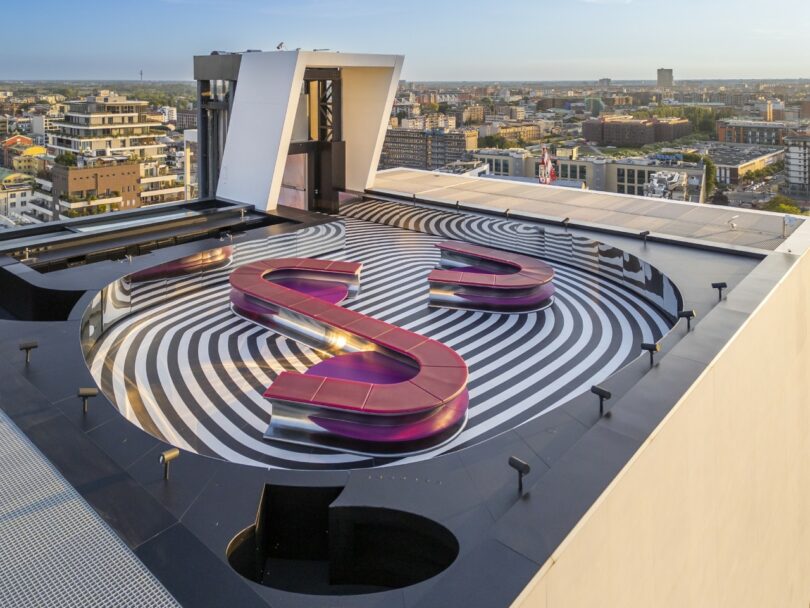
The LS24-Lounge System, conceived by architect Federico Pompignoli, represents the pinnacle of this shift. It is a masterclass in futuristic seating, utilizing a structural core of carbon fiber and recycled PET to achieve a 35% reduction in weight compared to traditional steel-framed modular systems. Beyond its lightness, it introduces a new grammar of luxury: translucent, LED-lit cushions that glow from within, perched atop chrome-curved frames. It is a seating system that doesn't just fill a room; it choreographs an experience.
The LS24-Lounge System: A Masterclass in Futuristic Design
Federico Pompignoli, known for his long-standing collaboration with OMA and his work on the Fondazione Prada itself, has treated the LS24-Lounge System as a piece of "micro-architecture." The project was born from a need to create a seating landscape that could withstand the elements while offering the comfort of an indoor lounge.
The innovation lies in the "dual typology" of its units. Each module is designed with a specific geometry that allows it to function as both a casual stool-like perch for social gatherings and a deep-lounge seat for contemplative relaxation. This versatility is the heartbeat of 2026 design philosophy. By using carbon fiber—a material usually reserved for aerospace and high-performance racing—Pompignoli ensures that these massive sculptural pieces are surprisingly easy to reposition.

The material palette of the LS24 is a testament to the future of sustainable luxury. The internal core utilizes recycled PET (polyethylene terephthalate), diverted from landfills to create a high-density, durable foundation. This is topped with translucent cushions that interact with integrated LED lighting, creating a soft, ethereal glow that transforms the piece after dark.
Ivy’s Insider Tip: When we talk about "translucency" in 2026 furniture, it’s not just about aesthetics. It’s about visual lightness. In smaller urban apartments, furniture that allows light to pass through or reflect—like the chrome curves of the LS24—prevents a room from feeling cluttered.
Why Modular is King: The 2026 Seating Revolution
The rise of systems like the LS24 isn't an isolated design trend; it's a response to a global shift in how we utilize our homes. By 2026, consumer interest in "future-proof" modular furniture is projected to grow by 42%. Why? Because our living rooms are no longer just for watching TV. They are now multi-functional hubs that must transition seamlessly from a professional home office by day to a private cinema or a vibrant social lounge by night.
Modularity offers the "Intelligence of Design" that modern homeowners crave. It provides the freedom to evolve. If you move from a narrow loft to a sprawling open-plan house, a modular system like the LS24 can be disassembled and reconfigured to fit the new floor plan. This adaptability is the ultimate luxury—it is the end of "disposable" furniture and the beginning of pieces that grow with you.
Comparing the Shift: Traditional vs. 2026 Modular Systems
| Feature | Traditional Modular (2010s-2020s) | Futuristic Modular (2026+) |
|---|---|---|
| Structural Frame | Heavy steel or plywood; difficult to move. | Carbon fiber & Recycled PET; 35% lighter. |
| Connectivity | Hidden metal clips or friction. | Magnetic connectors or seamless interlocking. |
| Materials | Standard foam and polyester. | OEKO-TEX certified fabrics; Pressure-relieving foam. |
| Sustainability | Low focus on end-of-life recycling. | Fully circular; FSC-certified wood cores. |
| Functionality | Fixed seating depths. | Multi-typology (perch, lounge, and sleeper). |
The 5 Pillars of 2026 Living Room Trends
As we integrate these architectural concepts into our own homes, five distinct pillars are emerging to define the 2026 interior landscape.
1. Organic Silhouettes
We are moving away from the "boxy" sofa. The trend for 2026 is rooted in "Biomorphic Design"—shapes that mimic the curves of the human body and the natural world. Expect to see winding benches, kidney-shaped sections, and "S-curves" that encourage a more natural flow of movement through a room.
2. Earth-Anchored Palettes
While the LS24 uses chrome for architectural contrast, 2026 interiors will largely lean into "Earth-Anchored" colors. We are seeing a return to creamy oatmeal, muted rust, and deep olive green. These colors provide a grounding effect, turning the living room into a sanctuary from the digital world.
3. Sustainable Standards
Sustainability is no longer an "extra"—it is the baseline. High-end modular sofas in 2026 will prioritize FSC-certified hardwoods for their internal frames and OEKO-TEX® certified fabrics that are free from harmful chemicals. The focus is on the "health of the home" as much as the health of the planet.
4. Wellness-Driven Ergonomics
The "Zero Gravity" support trend is migrating from high-end recliners into standard modular seating. Manufacturers are experimenting with multi-layered, high-resiliency foams and integrated lumbar supports that distribute body weight evenly, reducing pressure points during long periods of rest.
5. Tactile Luxury
In a world dominated by smooth glass screens, we crave texture. 2026 will be the year of "Tactile Luxury"—think chunky knits, bouclé with even more exaggerated loops, and plush velvets that change color as you run your hand across them.
How to Choose a Future-Proof Modular Sofa
Investing in a modular system is a significant decision. To ensure your choice remains relevant through 2026 and beyond, I always advise my readers to look past the fabric and into the "bones" of the piece.
The Sit Test vs. The Layout Test Most people only perform the "Sit Test"—checking for immediate comfort. However, with modular furniture, the "Layout Test" is equally important. Can the pieces be arranged in at least three different configurations? If you have a small space, look for "armless" modules that can be pushed together to create a seamless daybed or separated to create individual lounge chairs.
Identifying Quality Bones Always ask about the frame. Kiln-dried hardwood is the gold standard for durability, preventing warping over time. For those looking for the "LS24 effect" of lightness, look for reinforced composite frames. Furthermore, ensure the sofa features removable, machine-washable covers. Longevity is the truest form of sustainability; a sofa you can't clean is a sofa you'll eventually replace.
Summary: Shaping Your Shifting Landscape
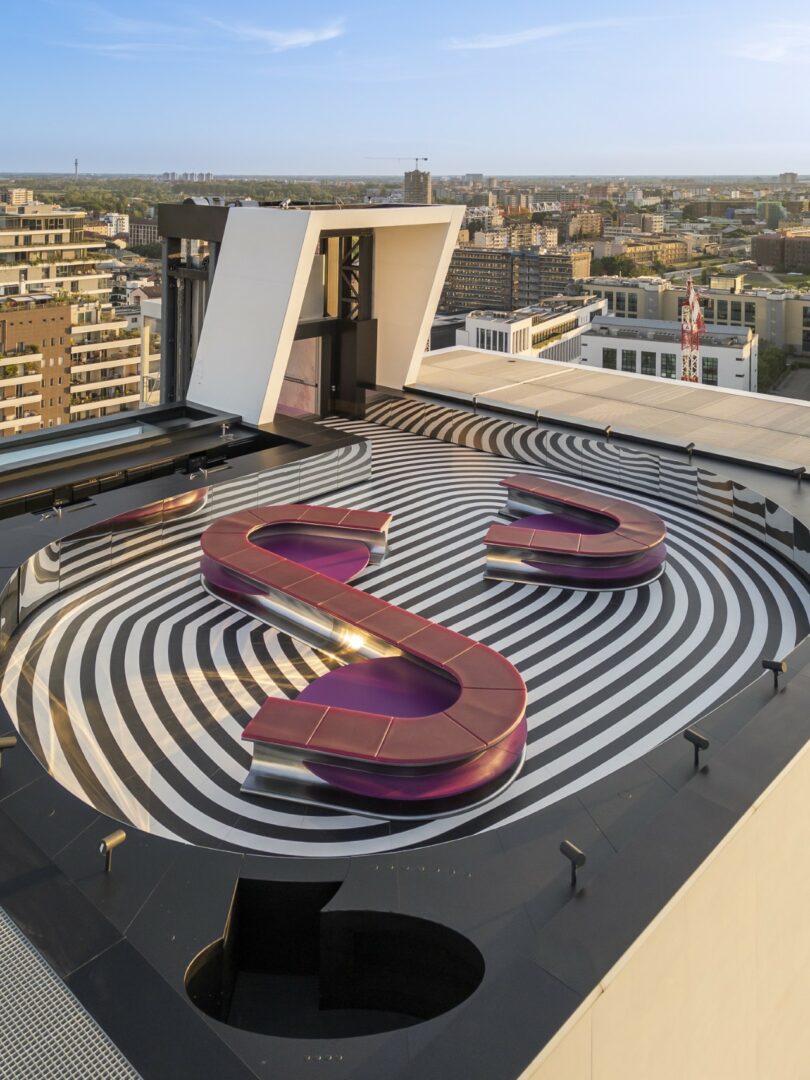
The LS24-Lounge System is more than just a beautiful installation at Fondazione Prada; it is a manifesto for the future of living. It tells us that our homes should be as flexible as our lives, as light as our footprints, and as luminous as our visions for the future. By embracing modularity and the "architectural clarity" of modern design, we aren't just buying a place to sit—we are designing a toolkit for a better, more adaptable lifestyle.
As we move toward 2026, remember that luxury is no longer defined by how much space you fill, but by how intelligently you use it. Whether it’s a carbon-fiber masterpiece or a cozy bouclé sectional, the future of seating is in your hands—and it’s more fluid than ever.
FAQ
1. Is the LS24-Lounge System available for residential use? While the original installation was a custom commission for Fondazione Prada, the design principles—specifically the use of carbon fiber and recycled PET—are currently being adapted by high-end Italian furniture brands for residential "capsule" collections expected to launch in late 2025.
2. Are modular sofas actually comfortable for everyday use? Absolutely. The 2026 generation of modular sofas uses advanced "Zero Gravity" foam technology and multi-density layers. The key is to look for systems that offer deep-seating modules (at least 38-40 inches deep) for maximum lounge comfort.
3. How do I prevent modular sections from sliding apart? Modern systems, influenced by the LS24's "Intelligence of Design," use heavy-duty alligator clips or hidden magnetic connectors. When shopping, always check the underside of the modules to ensure a robust locking mechanism is included.